
at once
US /æt wʌns/
UK /æt wʌns/
- Adverb
- Immediately; without delay
- At the same time; simultaneously
A2Moreat school
US
UK
- Phrase
- Present and attending school.
A1Morebear witness to
US
UK
- Verb (Transitive/Intransitive)
- To testify or attest to something; to provide evidence of something.
before long
US /bɪˈfɔr lɔŋ/
UK /biˈfɔ: lɔŋ/
- Phrase
- Soon; in a short time.
A1Morebehind the counter
US /bɪˈhaɪnd ðə ˈkaʊntɚ/
UK /bɪˈhaɪnd ðə ˈkaʊntə/
- other
- Located in the area where goods are sold or served.
A2Morebuild on
US /bɪld ɑn/
UK /bild ɔn/
- Phrasal Verb
- To develop or expand something; to use something as a foundation for further progress.
- To use something as a base or foundation for further development or success.
A2Morecollide
US /kəˈlaɪd/
UK /kəˈlaɪd/
- Verb (Transitive/Intransitive)
- To come together or crash with a lot of force
- To disagree with or be very different from others
B1Morecounter
US /ˈkaʊntɚ/
UK /'kaʊntə(r)/
- Transitive Verb
- To say or do something in opposition or resistance
- To try to prevent, as by making a different point
- Prefix
- Being opposite or against something
B1Morecut away
US /kʌt əˈwe/
UK /kʌt əˈwei/
- Phrasal Verb
- To do something different, as to change direction
A1Moredeath
US /dɛθ/
UK /deθ/
- Noun (Countable/Uncountable)
- When someone dies; the end of life
- The cause or manner of someone dying.
A2Moredown and out
US /daʊn ənd aʊt/
UK /daun ænd aut/
- Adjective
- Without money, a job, or a place to live; destitute.
- Defeated and dispirited; in a state of despair.
- Noun
- A person who is destitute and homeless.
A1Morefrom a distance
US
UK
- Phrase
- Not close; far away.
B1Moregain
US /ɡen/
UK /ɡeɪn/
- Verb (Transitive/Intransitive)
- To increase in something, such as weight
- To get something wanted, needed or valued
- Noun (Countable/Uncountable)
- An increase in something, such as weight
A2TOEICMoreget out of
US /ɡɛt aʊt ʌv/
UK /ɡet aut ɔv/
- Phrasal Verb
- To leave or escape responsibilities, troubles
- To leave a small, enclosed vehicle
A1Moregoing on
US /ˈɡoɪŋ ɑn/
UK /ˈgəʊɪŋ ɔn/
- Phrasal Verb
- To continue doing something
- To happen (usually negative)
A1Moregot to
US /ɡɑt tu/
UK /gɔt tu:/
- Verb (Transitive/Intransitive)
- To arrive at some place
- To have the opportunity or permission to do something
- Phrasal Verb
- To appeal to the emotions of; move
- To finally begin to start something after a delay
A1Morehand over
US /hænd ˈovɚ/
UK /hænd ˈəuvə/
- Phrasal Verb
- To give into the possession or control of another
A1Morein blood
US /ɪn blʌd/
UK /in blʌd/
- other
- Covered or stained with blood, literally or figuratively.
C2Morein fact
US /ɪn fækt/
UK /in fækt/
- Adverb
- Used to emphasize the truth of a statement, especially one that contrasts with or contradicts something else.
- Used to introduce a more detailed or surprising piece of information.
- Phrase
- Used to emphasize the truth of a statement, especially one that is surprising or contrary to what might be expected.
C1Morein the meanwhile
US /ɪn ði ˈminˌhwaɪl/
UK /in ðə ˈmi:nˌhwail/
- Phrase
- During the time between two events.
- At the same time; simultaneously.
A1Morein the world
US /ɪn ði wɜrld/
UK /in ðə wɜː(r)ld/
- Phrase
- Used to emphasize a question expressing surprise, confusion, disbelief
- Used to indicate the extent or degree of something, often in a superlative sense
A1Moreinstead of
US /ɪnˈstɛd ʌv/
UK /inˈsted ɔv/
- Preposition
- When one thing is replaced by another
- Adverb
- As a substitute or alternative.
A1Moreno matter
US
UK
- Conjunction
- Regardless of; it does not matter.
- Adverb
- Regardless of; it is not important
A1Moreout of it
US /aʊt ʌv ɪt/
UK /aut ɔv it/
- Adjective
- Unconscious or not completely alert; dazed or confused.
- Not able to think clearly or react quickly; not with it.
A1Morepull through
US /pʊl θru/
UK /pul θru:/
- Phrasal Verb
- To get back to a good condition; recover
A1Moreput back
US /pʊt bæk/
UK /put bæk/
- Phrasal Verb
- To return something to the proper place
A1Morerow
US /roʊ/
UK /rəʊ/
- Verb (Transitive/Intransitive)
- To move a boat using oars
- To argue or quarrel loudly about something
- Noun (Countable/Uncountable)
- Loud argument or quarrel between people
- Straight line of things, e.g. seats in classroom
A2Moresave up
US
UK
- Phrasal Verb
- To gradually collect money by saving.
A2Moresee about
US /si əˈbaʊt/
UK /si: əˈbaʊt/
- other
- To look into or arrange something.
B2Moreshot
US /ʃɑt/
UK /ʃɒt/
- Transitive Verb
- To kick or throw a ball at a goal
- To fire a gun; injure or kill someone with a gun
- Countable Noun
- An attempt to kick or throw a ball at a goal
A2Morestart in
US /stɑrt ɪn/
UK /stɑ:t in/
- Phrasal Verb
- To begin a job or activity.
A1Moretake on
US /tek ɑn/
UK /teik ɔn/
- Phrasal Verb
- To acquire a new characteristic
- To accept a new responsibility, role
A1Moretattoo
US /tæˈtu/
UK /tə'tu:/
- Noun
- Permanent ink drawing on a person's skin
- Transitive Verb
- To put a permanent ink drawing on a person's skin
B2Moreto a man
US /tə ə ˈmæn/
UK /tə ə ˈmæn/
- other
- Every single person involved without exception.
B2Moretwo halves
US
UK
- Phrase
- Two equal parts of something.
A1Moreupon reflection
US /əˈpɑn rɪˈflɛkʃən/
UK /əˈpɒn riˈflekʃən/
- other
- After careful consideration or thought.
B2More
Vocabulary
- in fact: Used to emphasize the truth of a statement, especially one that contrasts with or contradicts something else.
- in the world: Used to emphasize a question expressing surprise, confusion, disbelief
- before long: Soon; in a short time.
- got to: To arrive at some place
- instead of: When one thing is replaced by another
- start in: To begin a job or activity.
- save up: To gradually collect money by saving.
- behind the counter: Located in the area where goods are sold or served.
- in blood: Covered or stained with blood, literally or figuratively.
- hand over: To give into the possession or control of another
- to a man: Every single person involved without exception.
- get out of: To leave or escape responsibilities, troubles
- put back: To return something to the proper place
- at once: Immediately; without delay
- see about: To look into or arrange something.
- no matter: Regardless of; it does not matter.
- from a distance: Not close; far away.
- at school: Present and attending school.
- upon reflection: After careful consideration or thought.
- build on: To develop or expand something; to use something as a foundation for further progress.
- in the meanwhile: During the time between two events.
- out of it: Unconscious or not completely alert; dazed or confused.
- down and out: Without money, a job, or a place to live; destitute.
- going on: To continue doing something
- pull through: To get back to a good condition; recover
- cut away: To do something different, as to change direction
- take on: To acquire a new characteristic
- bear witness to: To testify or attest to something; to provide evidence of something.
- two halves: Two equal parts of something.
- life: All the living things e.g. animals, plants, humans
- world: All the humans, events, activities on the earth
- chance: The way something happens without planning
- country: An area of land that is controlled by a government
- shot: To kick or throw a ball at a goal
- counter: To say or do something in opposition or resistance
- gain: To increase in something, such as weight
- row: To move a boat using oars
- death: When someone dies; the end of life
- American: Person from the USA
- man: Humans in general, including male and female
- belong: To be a welcomed as a new member of a group
- God: Someone admired because they are famous or good
- tattoo: Permanent ink drawing on a person's skin
- collide: To come together or crash with a lot of force
Get the full experience in the app
Learn anywhere with detailed sentence and usage analysis
01:03
She took a brave step forward, leaving behind her comfort zone to chase her dreams.
Vocabulary
- brave
adj. Having courage
- comfort zone
phr. A familiar situation where one feels safe
Explanation
a brave step is a noun phrase, where brave is an adjective modifying the noun step, meaning "a courageous step".
forward is an adverb modifying step, meaning "ahead".
The whole phrase serves as the object, answering the "what" of took (verb) — she took a brave step forward.
Get the full experience in the app
Look up words anytime with pronunciation, part of speech, and usage
brave
US/brev/
UK/breɪv/
adj.Brave
v.t.To bravely face
A2 Elementary
Get the full experience in the app
Practice speaking anytime and get instant pronunciation feedback
Try this speaking exercise.
Try practicing with this sentence.
80
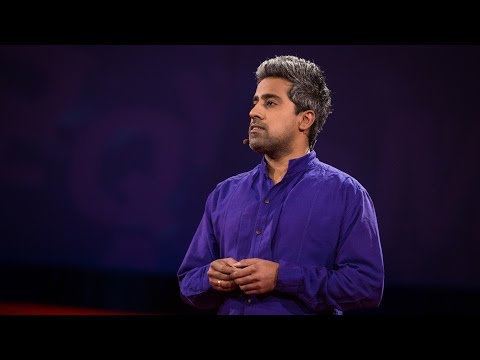
【TED】Anand Giridharadas: A tale of two Americas. And the mini-mart where they collided (Anand Giridharadas: A tale of two Americas. And the mini-mart where they collided)
0
CUChou posted on 2015/07/07Ever wondered how two vastly different worlds can collide? This powerful TED talk shares a true story about a hate crime after 9/11 and the unexpected paths to second chances, perfect for diving into cultural depth and picking up advanced vocabulary. You'll get a fascinating look at the "two Americas" and learn some really useful situational dialogue along the way!
Learn this video on the APP!
The VoiceTube App has more in-depth practice for videos!