
ability
US /əˈbɪlɪti/
UK /ə'bɪlətɪ/
- Noun (Countable/Uncountable)
- The power, resources or skill to do something
- A particular skill or talent.
A2TOEICMoreadulthood
US /'ædʌlthʊd/
UK /'ædʌlthʊd/
- Uncountable Noun
- Time of life when a person is fully grown
- The time when someone has the rights and responsibilities of an adult.
B1Moreafford
US /əˈfɔrd, əˈford/
UK /ə'fɔ:d/
- Transitive Verb
- To make available, to provide
- To have enough money to pay for something
A2TOEICMoreamorphous
US /əˈmɔ:rfəs/
UK /əˈmɔ:fəs/
- Adjective
- Without shape
C1Moreanti
US /ˈæntaɪ, -ti/
UK /'æntɪ/
- Adjective
- A prefix meaning 'against' or 'opposed'
B2Moreat least
US /æt list/
UK /æt li:st/
- Adverb
- As a minimum
- Not less than
- Phrase
- No less than; at the minimum
- Used to indicate that something is positive in a bad situation.
C2Moreblob
US /blɑ:b/
UK /blɒb/
- Noun
- Object that does not have a regular shape
C1Morechromosome
US /ˈkroʊməsoʊm/
UK /ˈkrəʊməsəʊm/
- Noun
- Cell structures that carry the genetic material
C2Morecome from
US /kʌm frʌm/
UK /kʌm frɔm/
- Phrasal Verb
- To have as your native country or city
A1Moredefense
US /dɪˈfɛns/
UK /dɪ'fens/
- Noun (Countable/Uncountable)
- Argument in support of something
- The process of protecting something from attack
B1TOEICMoredefy
US /dɪˈfaɪ/
UK /dɪ'faɪ/
- Transitive Verb
- To refuse to obey; be resistant to
B1Moredisease
US /dɪˈziz/
UK /dɪˈzi:z/
- Noun (Countable/Uncountable)
- Illness that affects a person, animal, or plant
- A disorder of structure or function in a plant, especially one caused by a pathogen.
- Transitive Verb
- To affect with disease; to corrupt or sicken.
A2TOEICMoredivide
US /dɪˈvaɪd/
UK /dɪ'vaɪd/
- Verb (Transitive/Intransitive)
- To split numbers by another number, e.g. 6 / 2 = 3
- To separate something into equal pieces
- Noun
- A separation or distinction.
A2TOEICMoredna
US
UK
- Noun (Countable/Uncountable)
- Chemical in living cells with genetic information
B2Moredysfunctional
US
UK
- Adjective
- Acting in an abnormal way or not as required
- Not behaving or working normally as a family or group.
B2Moreencode
US /ɛnˈkod/
UK /ɪn'kəʊd/
- Transitive Verb
- To change a message or information into code
B2Moreenzyme
US /ˈɛnzaɪm/
UK /ˈenzaɪm/
- Noun
- A protein made by cells
B2TOEICMoreerase
US /ɪˈreɪs/
UK /ɪˈreɪz/
- Transitive Verb
- To remove data in computer memory, tape, etc.
- To remove written information by mistake
B2TOEICMoreeternal
US /ɪˈtɚnəl/
UK /ɪ'tɜ:nl/
- Adjective
- Endless; constant; never ending
B2Moreeventually
US /ɪˈvɛntʃuəli/
UK /ɪˈventʃuəli/
- Adverb
- After a long time; after many attempts; in the end
- At some later time; in the future
A2Morefor one thing
US /fɔr wʌn θɪŋ/
UK /fɔ: wʌn θiŋ/
- Phrase
- Used to introduce a reason for something.
A1Morefountain
US /ˈfaʊntən/
UK /'faʊntən/
- Noun
- Structure out of which a jet of water comes
B1Morehave to
US /hæv tu/
UK /ˈhæv tə/
- Auxiliary Verb
- Must do
A1Moreimitate
US /ˈɪmɪˌtet/
UK /ˈɪmɪteɪt/
- Transitive Verb
- To act, speak like someone or something else
B2Moreimmature
US /ˌɪməˈtʃʊr/
UK /ˌɪməˈtjʊə(r)/
- Adjective
- Behaving like a child, especially emotionally
- Not fully grown or developed
B1Moreimmune
US /ɪˈmjoon/
UK /ɪˈmju:n/
- Adjective
- Having a special protection from, e.g. the law
- Protected against a particular disease or condition because of antibodies or vaccination.
B1Morein fact
US /ɪn fækt/
UK /in fækt/
- Adverb
- Used to emphasize the truth of a statement, especially one that contrasts with or contradicts something else.
- Used to introduce a more detailed or surprising piece of information.
- Phrase
- Used to emphasize the truth of a statement, especially one that is surprising or contrary to what might be expected.
C1Morein reverse
US /ɪn rɪˈvɚs/
UK /in riˈvə:s/
- Adverb
- In the opposite direction.
- In the opposite order.
- Phrase
- Moving or operating backwards.
- With the sequence inverted.
B2Moreinevitable
US /ɪnˈɛvɪtəbəl/
UK /ɪnˈevɪtəbl/
- Adjective
- That must happen; certain to happen
- Sure to occur or happen
- Noun (Countable/Uncountable)
- A situation that is unavoidable
- Things that cannot be avoided
A2Moreinvincible
US /ɪnˈvɪnsəbəl/
UK /ɪn'vɪnsəbl/
- Adjective
- That cannot be defeated; unbeatable
C1TOEICMorejellyfish
US /ˈdʒɛliˌfɪʃ/
UK /ˈdʒelifɪʃ/
- Noun (Countable/Uncountable)
- Soft-bodied sea animal, as with stinging tentacles
C2Moremajority
US /məˈdʒɔrɪti, -ˈdʒɑr-/
UK /mə'dʒɒrətɪ/
- Noun (Countable/Uncountable)
- Amount that is more than half of a group
- The age at which a person is legally considered an adult.
B1TOEICMoremelt
US /mɛlt/
UK /melt/
- Verb (Transitive/Intransitive)
- To disappear or to go away
- To make, become soft or liquid due to heat
- Uncountable Noun
- A mass of material that has been melted, especially metal.
B1Moremess
US /mɛs/
UK /mes/
- Noun (Countable/Uncountable)
- Something that is untidy, dirty or unclean
- A difficult or confused situation.
- Transitive Verb
- To make something untidy or dirty
A2Moremole
US /mol/
UK /məʊl/
- Countable Noun
- Small animal with dark fur that lives under ground
- Small natural dark spot on someone's skin
B2Moremorph
US /mɔ:rf/
UK /mɔ:f/
- Intransitive Verb
- (Of computer animation) to gradually change shape
C2Moremultiple
US /ˈmʌltəpəl/
UK /ˈmʌltɪpl/
- Adjective
- Having or involving more than one of something
- Having or involving several parts, elements, or members.
- Countable Noun
- Number produced by multiplying a smaller number
- A number of identical circuit elements connected in parallel or series.
B1Morenaked
US /ˈnekɪd/
UK /ˈneɪkɪd/
- Adjective
- Not wearing any clothes; without covering
B1Moreno matter
US
UK
- Conjunction
- Regardless of; it does not matter.
- Adverb
- Regardless of; it is not important
A1Morepause
US /pɔz/
UK /pɔ:z/
- Verb (Transitive/Intransitive)
- To stop doing for a while before continuing
- To temporarily interrupt the execution of a program or process.
- Noun (Countable/Uncountable)
- A temporary break before continuing
- Function on a device to stop and restart it
A2Morepolyp
US /ˈpɑlɪp/
UK /ˈpɔlip/
- Countable Noun
- Small tube-like creature that lives in the ocean
- Small harmless growth that forms inside the body
C1Morepump
US /pʌmp/
UK /pʌmp/
- Verb (Transitive/Intransitive)
- To make liquid or gas flow in a particular direction
- To make water/other liquid move using a machine
- Noun
- A device more moving liquids
- Light woman's shoe
B1Morepump out
US /pʌmp aʊt/
UK /pʌmp aut/
- Phrasal Verb
- To remove liquid from somewhere using a pump.
- To produce something in large quantities.
B1Morereach
US /ritʃ/
UK /ri:tʃ/
- Verb (Transitive/Intransitive)
- To come to or arrive at a goal or destination
- To be long enough to get to a certain place
- Uncountable Noun
- Power or control someone has over something
A2TOEICMorereplication
US /ˌrɛplɪˈkeʃən/
UK /ˌreplɪ'keɪʃn/
- Uncountable Noun
- Act of making more exact copies of itself
- Act of repeating a previous action
B2Morereverse
US /rɪˈvɚs/
UK /rɪ'vɜ:s/
- Noun
- Setting that makes the vehicle go backward
- Instance of a significant change, for the worse
- Verb (Transitive/Intransitive)
- To drive a vehicle backward
- To change to an opposite state, way or condition
B1TOEICMorestarve
US /stɑ:rv/
UK /stɑ:v/
- Verb (Transitive/Intransitive)
- To (cause to) be hungry or go without food
- To need or desire very strongly
B1Moresurprisingly
US /səˈpraɪzɪŋlɪ/
UK /sə'praɪzɪŋlɪ/
- Adverb
- In an unexpected manner; to an unexpected degree
B1Moresusceptible
US /səˈsɛptəbəl/
UK /səˈseptəbl/
- Adjective
- Likely to fall prey to, be drawn to or influenced
- At risk of developing a certain illness or problem
B2TOEICMoretiny
US /ˈtaɪni/
UK /'taɪnɪ/
- Adjective
- Very, very small
A2Moreto death
US /tu dɛθ/
UK /tu: deθ/
- Phrase
- Extremely; to a great degree
- Until death
B1Moreto do with
US
UK
- Phrasal Verb
- To be about something; concern
A1Moretough
US /tʌf/
UK /tʌf/
- Adjective
- (Of food) difficult to chew or bite through
- Very difficult to do or deal with
- Noun
- A rough and aggressive person.
A2Moretrick
US /trɪk/
UK /trɪk/
- Transitive Verb
- To fool someone in order to obtain a result
- To playfully tease or fool to make someone laugh
- Noun (Countable/Uncountable)
- Act of trying to fool someone
- Quick or skillful way of doing something
A2Moretrim
US /trɪm/
UK /trɪm/
- Transitive Verb
- To cut (hair, etc.) to make it neater/shorter
B2Moreultimately
US /ˈʌltəmɪtli/
UK /ˈʌltɪmətli/
- Adverb
- Done or considered as the final and most important
- Fundamentally; at the most basic level.
B1TOEICMoreuniversal
US /ˌjunəˈvɚsəl/
UK /ˌju:nɪˈvɜ:sl/
- Adjective
- Existing in all places at all times for all people
- Done or experienced by everyone
- Noun (Countable/Uncountable)
- Things which apply equally to everyone
- A general term, idea, or concept applicable to many particular things.
A2Morevast
US /væst/
UK /vɑ:st/
- Adjective
- Being very large in size or amount
A2TOEICMoreversa
US /'vɜ:sə/
UK /'vɜ:sə/
- Adverb
- used to say that what you have just said is also true in the opposite order
C1Morevice
US /ˌvaɪ.sə/
UK /ˌvaɪs/
- Noun
- used as part of the title of particular positions. The person who holds one of these positions is next below in authority to the person who holds the full position and can act for them
- Noun (Countable/Uncountable)
- a moral fault or weakness in someone's character
- illegal and immoral activities, especially involving illegal sex, drugs, etc.
B2Morewound
US /waʊnd/
UK /waʊnd/
- Transitive Verb
- To rotate a part of say a watch to make it work
- To hurt someone emotionally
- Noun (Countable/Uncountable)
- Sadness or displeasure caused by a bad memory
- Physical injury, especially that suffered in war
A2More
Vocabulary
- at least: As a minimum
- to do with: To be about something; concern
- have to: Must do
- come from: To have as your native country or city
- pump out: To remove liquid from somewhere using a pump.
- in reverse: In the opposite direction.
- for one thing: Used to introduce a reason for something.
- no matter: Regardless of; it does not matter.
- in fact: Used to emphasize the truth of a statement, especially one that contrasts with or contradicts something else.
- to death: Extremely; to a great degree
- ultimately: Done or considered as the final and most important
- eventually: After a long time; after many attempts; in the end
- susceptible: Likely to fall prey to, be drawn to or influenced
- immune: Having a special protection from, e.g. the law
- inevitable: That must happen; certain to happen
- tough: (Of food) difficult to chew or bite through
- majority: Amount that is more than half of a group
- multiple: Having or involving more than one of something
- vast: Being very large in size or amount
- imitate: To act, speak like someone or something else
- matter: To be of great importance; to count
- improve: To make, or become, something better
- trick: To fool someone in order to obtain a result
- sense: Certain mental feeling or emotion
- mess: Something that is untidy, dirty or unclean
- disease: Illness that affects a person, animal, or plant
- ability: The power, resources or skill to do something
- divide: To split numbers by another number, e.g. 6 / 2 = 3
- reverse: Setting that makes the vehicle go backward
- brain: To strike someone forcefully on the head
- afford: To make available, to provide
- vice: used as part of the title of particular positions. The person who holds one of these positions is next below in authority to the person who holds the full position and can act for them
- reach: To come to or arrive at a goal or destination
- tiny: Very, very small
- form: Sports team or person's current winning record
- pause: To stop doing for a while before continuing
- universal: Existing in all places at all times for all people
- eternal: Endless; constant; never ending
- rest: Time when one relaxes, sleeps, or is inactive
- produce: Fresh foods such as fruits and vegetables
- defy: To refuse to obey; be resistant to
- naked: Not wearing any clothes; without covering
- wound: To rotate a part of say a watch to make it work
- secret: Kept hidden from others; Known only to a few people
- enzyme: A protein made by cells
- defense: Argument in support of something
- starve: To (cause to) be hungry or go without food
- fact: Something that is known or proved to be true
- fountain: Structure out of which a jet of water comes
- information: Collection of facts and details about something
- trim: To cut (hair, etc.) to make it neater/shorter
- invincible: That cannot be defeated; unbeatable
- melt: To disappear or to go away
- middle: Place that is halfway between two things
- versa: used to say that what you have just said is also true in the opposite order
- turn: To become (a particular age)
- adulthood: Time of life when a person is fully grown
- pump: To make liquid or gas flow in a particular direction
- encode: To change a message or information into code
- surprisingly: In an unexpected manner; to an unexpected degree
- chromosome: Cell structures that carry the genetic material
- immature: Behaving like a child, especially emotionally
- real: Actually existing or happening, not imagined
- life: All the living things e.g. animals, plants, humans
- problem: Something difficult to deal with or causes trouble
- anti: A prefix meaning 'against' or 'opposed'
- dysfunctional: Acting in an abnormal way or not as required
- erase: To remove data in computer memory, tape, etc.
- blob: Object that does not have a regular shape
- mole: Small animal with dark fur that lives under ground
- amorphous: Without shape
- morph: (Of computer animation) to gradually change shape
- jellyfish: Soft-bodied sea animal, as with stinging tentacles
- replication: Act of making more exact copies of itself
- polyp: Small tube-like creature that lives in the ocean
- dna: Chemical in living cells with genetic information
Get the full experience in the app
Learn anywhere with detailed sentence and usage analysis
01:03
She took a brave step forward, leaving behind her comfort zone to chase her dreams.
Vocabulary
- brave
adj. Having courage
- comfort zone
phr. A familiar situation where one feels safe
Explanation
a brave step is a noun phrase, where brave is an adjective modifying the noun step, meaning "a courageous step".
forward is an adverb modifying step, meaning "ahead".
The whole phrase serves as the object, answering the "what" of took (verb) — she took a brave step forward.
Get the full experience in the app
Look up words anytime with pronunciation, part of speech, and usage
brave
US/brev/
UK/breɪv/
adj.Brave
v.t.To bravely face
A2 Elementary
Get the full experience in the app
Practice speaking anytime and get instant pronunciation feedback
Try this speaking exercise.
Try practicing with this sentence.
80
0
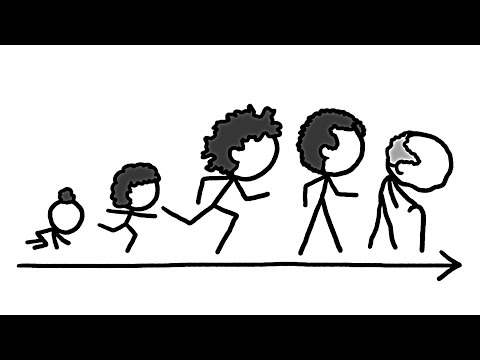
Charlene Tai posted on 2025/07/05Ever wondered if we're stuck with getting old and dying? This video dives into the fascinating science of longevity, exploring creatures like the Naked Mole Rat and the Immortal Jellyfish that seem to defy aging! You'll pick up some seriously advanced vocabulary related to cellular regeneration and life cycles, making it a fantastic linguistic challenge.
Learn this video on the APP!
The VoiceTube App has more in-depth practice for videos!