
abandon
US /əˈbændən/
UK /ə'bændən/
- Transitive Verb
- To discard or intentionally get rid of an item
- To withdraw your support, or leave someone
- Uncountable Noun
- Wild, carefree behavior
B1Moreanorexia
US /ˌænəˈrɛksiə/
UK /ˌænəˈreksiə/
- Noun
- Condition of starving yourself to look slim
B2Moreassume
US /əˈsum/
UK /ə'sju:m/
- Transitive Verb
- To act in a false manner to mislead others
- To believe, based on the evidence; suppose
A2TOEICMorecelebrate
US /ˈsɛləˌbret/
UK /'selɪbreɪt/
- Verb (Transitive/Intransitive)
- To observe an event or occasion, e.g. a birthday
- To lead or participate in a religious ceremony
A2Moreceo
US
UK
- Abbreviation
- CEO for Chief Operating Officer
C2Morecommunity
US /kəˈmjunɪti/
UK /kə'mju:nətɪ/
- Noun (Countable/Uncountable)
- Group of people who share a common idea or area
- A feeling of fellowship with others, as a result of sharing common attitudes, interests, and goals.
- Adjective
- Relating to or shared by the people in a particular area.
- Shared or participated in by all members of a group
A2Morecrisis
US /ˈkraɪsɪs/
UK /'kraɪsɪs/
- Noun (Countable/Uncountable)
- Unstable situation of extreme danger or difficulty
- A turning point in a disease.
B1Moredarn good
US
UK
- Adjective
- Extremely good; excellent.
A1Moredetermine
US /dɪˈtɚmɪn/
UK /dɪ'tɜ:mɪn/
- Transitive Verb
- To control exactly how something will be or act
- To establish the facts about; discover
A2TOEICMoreearn
US /ɜ:rn/
UK /ɜ:n/
- Transitive Verb
- To deserve something because you worked for it
- To get money for work
A2TOEICMoreequation
US /ɪˈkweʒən, -ʃən/
UK /ɪˈkweɪʒn/
- Noun (Countable/Uncountable)
- Mathematical statement showing things to be equal
- Complex set of different facts, ideas or issues
B1Moreexact
US /ɪɡˈzækt/
UK /ɪɡ'zækt/
- Adjective
- Completely correct; accurate; specific
- Transitive Verb
- To get something, sometimes using force
A2TOEICMorefor free
US /fɔr fri/
UK /fɔ: fri:/
- Phrase
- Without charge; at no cost.
- Adjective
- Available without payment.
A2Moregrow up
US /ɡro ʌp/
UK /ɡrəu ʌp/
- Phrasal Verb
- To develop from a child into an adult
A1Morehave to
US /hæv tu/
UK /ˈhæv tə/
- Auxiliary Verb
- Must do
A1Morein terms of
US
UK
- Phrase
- With regard to; concerning a particular aspect.
A1Moreinevitable
US /ɪnˈɛvɪtəbəl/
UK /ɪnˈevɪtəbl/
- Adjective
- That must happen; certain to happen
- Sure to occur or happen
- Noun (Countable/Uncountable)
- A situation that is unavoidable
- Things that cannot be avoided
A2Morelive out
US /liv aʊt/
UK /liv aut/
- Phrasal Verb
- To experience something, especially something that you have planned or hoped for.
- To live somewhere that is not the place where you work.
A1Moremid
US /mɪd/
UK /mɪd/
- Adjective
- At (or near) the middle point
B2Moremiserable
US /ˈmɪzərəbəl, ˈmɪzrə-/
UK /ˈmɪzrəbl/
- Adjective
- Very unhappy
- Causing someone to be unhappy or uncomfortable
- Noun
- A person who is always unhappy or complaining
A2Morenaturally
US /ˈnætʃərəli, ˈnætʃrə-/
UK /ˈnætʃrəli/
- Adverb
- In the expected or usual way
- Without the aid of someone or something
A2Moreobvious
US /ˈɑbviəs/
UK /ˈɒbviəs/
- Adjective
- Easily understood and clear; plain to see
- Easy to see or notice.
A2TOEICMorepersonal
US /ˈpɚsənəl/
UK /ˈpɜ:sənl/
- Adjective
- Done by or to a particular person; individual
- Concerning a person's private life or feelings
A2Morepolitic
US /ˈpɑlɪtɪk/
UK /ˈpɒlətɪk/
- Adjective
- Careful what you say; diplomatic
B2Morepresident
US /ˈprɛzɪdənt,-ˌdɛnt/
UK /ˈprezɪdənt/
- Noun
- Person in charge of a country, or organization
- The highest-ranking executive in a corporation or organization.
A2TOEICMorereach
US /ritʃ/
UK /ri:tʃ/
- Verb (Transitive/Intransitive)
- To come to or arrive at a goal or destination
- To be long enough to get to a certain place
- Uncountable Noun
- Power or control someone has over something
A2TOEICMorereality
US /riˈælɪti/
UK /rɪ'ælətɪ/
- Noun (Countable/Uncountable)
- What is true, as opposed to what is imagined
- The state of things as they actually exist, rather than as they may appear or might be imagined.
A2Morerespective
US /rɪˈspektɪv/
UK /rɪˈspektɪv/
- Adjective
- Belonging to each of two or more persons or things
B1Moreruin
US /ˈruɪn/
UK /'ru:ɪn/
- Transitive Verb
- To damage or completely destroy something
- To cause someone to lose their money or status
- Noun (Countable/Uncountable)
- Remains of a building that has been destroyed
- The state of being destroyed or severely damaged.
B1Morespouse
US /spaʊs, spaʊz/
UK /spaʊs/
- Noun
- Someone's husband or wife
B2Morestarve
US /stɑ:rv/
UK /stɑ:v/
- Verb (Transitive/Intransitive)
- To (cause to) be hungry or go without food
- To need or desire very strongly
B1Morethink of
US /θɪŋk ʌv/
UK /θiŋk ɔv/
- Phrasal Verb
- To look on as (being something specific); consider
- To consider or remember something.
- Verb (Transitive/Intransitive)
- To imagine or call something to mind
A1Moreturn out
US /tɚn aʊt/
UK /tə:n aut/
- Phrasal Verb
- To arrive for a public event or entertainment
- To happen to be in the end
A1Moreultimately
US /ˈʌltəmɪtli/
UK /ˈʌltɪmətli/
- Adverb
- Done or considered as the final and most important
- Fundamentally; at the most basic level.
B1TOEICMoreunhappiness
US
UK
- Uncountable Noun
- Feeling of sadness
B1Moreunited
US /juˈnaɪtɪd/
UK /jʊ'naɪtɪd/
- Verb (Transitive/Intransitive)
- To join or come together for the same goal
- Adjective
- Joined or combined together
A2More
Vocabulary
- grow up: To develop from a child into an adult
- turn out: To arrive for a public event or entertainment
- have to: Must do
- live out: To experience something, especially something that you have planned or hoped for.
- in terms of
- think of: To look on as (being something specific); consider
- darn good: Extremely good; excellent.
- for free: Without charge; at no cost.
- ultimately: Done or considered as the final and most important
- assume: To act in a false manner to mislead others
- obvious: Easily understood and clear; plain to see
- inevitable: That must happen; certain to happen
- crisis: Unstable situation of extreme danger or difficulty
- realize: To become aware of or understand mentally
- determine: To control exactly how something will be or act
- miserable: Very unhappy
- ruin: To damage or completely destroy something
- develop: To explain something in steps and in detail
- exact: Completely correct; accurate; specific
- community: Group of people who share a common idea or area
- amount: Quantity of something
- spouse: Someone's husband or wife
- imagine: To think creatively about; form mental picture of
- reality: What is true, as opposed to what is imagined
- reach: To come to or arrive at a goal or destination
- compare: To consider how similar and different things are
- pretty: Being attractive to the eye in a simple way
- rest: Time when one relaxes, sleeps, or is inactive
- equation: Mathematical statement showing things to be equal
- abandon: To discard or intentionally get rid of an item
- discuss: To talk about seriously or in great detail
- single: One run in cricket or a hit baseball
- personal: Done by or to a particular person; individual
- starve: To (cause to) be hungry or go without food
- promise: To say you will certainly do something
- president: Person in charge of a country, or organization
- stand: To be a candidate in an election
- naturally: In the expected or usual way
- fail: To be unsuccessful in passing a class or exam
- turn: To become (a particular age)
- perfect: So good it cannot be improved
- celebrate: To observe an event or occasion, e.g. a birthday
- difference: A thing or issue that people do not agree about
- respective: Belonging to each of two or more persons or things
- earn: To deserve something because you worked for it
- united: To join or come together for the same goal
- anorexia: Condition of starving yourself to look slim
- politic: Careful what you say; diplomatic
- mid: At (or near) the middle point
- ceo: CEO for Chief Operating Officer
- unhappiness: Feeling of sadness
Get the full experience in the app
Learn anywhere with detailed sentence and usage analysis
01:03
She took a brave step forward, leaving behind her comfort zone to chase her dreams.
Vocabulary
- brave
adj. Having courage
- comfort zone
phr. A familiar situation where one feels safe
Explanation
a brave step is a noun phrase, where brave is an adjective modifying the noun step, meaning "a courageous step".
forward is an adverb modifying step, meaning "ahead".
The whole phrase serves as the object, answering the "what" of took (verb) — she took a brave step forward.
Get the full experience in the app
Look up words anytime with pronunciation, part of speech, and usage
brave
US/brev/
UK/breɪv/
adj.Brave
v.t.To bravely face
A2 Elementary
Get the full experience in the app
Practice speaking anytime and get instant pronunciation feedback
Try this speaking exercise.
Try practicing with this sentence.
80
0
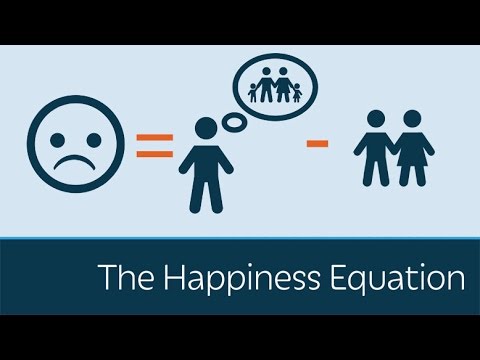
Ray Du posted on 2025/05/15Ever wonder why happiness seems so elusive? This video dives into the "Happiness Equation: U = I - R" to explore the gap between image and reality, offering practical insights for self-reflection. You'll pick up useful vocabulary and thought-provoking ideas that can be applied to your daily life!
Learn this video on the APP!
The VoiceTube App has more in-depth practice for videos!