
actions speak louder than words
US /ˈækʃənz spik ˈlaʊdɚ ðən wɝdz/
UK /ˈækʃənz spi:k ˈlaudə ðən wɜ:dz/
- Proverb
- What people do is more important than what they say.
B2Moreadd up to
US /æd ʌp tu/
UK /æd ʌp tu:/
- Phrasal Verb
- To amount to a particular sum or total.
- To have a particular result or effect; to be equal to.
A2Moreafter all
US /ˈæftɚ ɔl/
UK /ˈɑ:ftə ɔ:l/
- Adverb
- In spite of what was expected; used to introduce a statement that supports a previous statement or explains why it was made
- Considering everything; used to indicate that something is happening or is true despite some difficulty or obstacle
- Phrase
- Despite what was expected or thought; in spite of everything.
- Taking everything into consideration; considering that.
B1Moreagainst you
US
UK
- Preposition
- In opposition to you.
- Expressing disagreement or disapproval of you.
A2Moreall bets are off
US /ɔl bɛts ɑr ɔf/
UK /ɔ:l bets ɑ: ɔf/
- other
- Used to say that no plans or predictions can be relied upon.
B2Morealong with
US /əˈlɔŋ wɪð/
UK /əˈlɔŋ wið/
- Preposition
- In addition to; together with.
- Adverb
- In company or together with someone or something.
- Including; in addition to.
A2Moreany sort of
US
UK
- Determiner
- Any kind of; any type of
- Phrase
- Somewhat; to some extent
A2Moreat home
US /æt hom/
UK /æt həum/
- Phrase
- In one's own residence or country.
- Adjective
- Feeling comfortable and relaxed.
at stake
US /æt stek/
UK /æt steik/
- Phrase
- At risk; that can be lost if something is not successful
- In question; depending on what happens
- Adjective
- At risk; that can be lost if something is not successful.
A1Moreat that time
US /æt ðæt taɪm/
UK /æt ðæt taim/
- Phrase
- During a specific point in the past.
A1Moreat the moment
US
UK
- Adverb
- At this time; now
A1Moreat the point of
US /ət ðə ˈpɔɪnt ʌv/
UK /ət ðə ˈpɒint əv/
- Preposition
- Just about to do something or reach a state.
B2Moreback into
US /bæk ˈɪntu/
UK /bæk ˈɪntuː/
- Phrasal Verb
- To drive a vehicle backwards into a space or area.
- To accidentally collide with something while moving backwards.
A1Morebackseat driver
US
UK
- Noun
- A passenger in a car who gives unwanted advice to the driver.
- A person who tries to control a situation without being directly involved.
A1Morebring in
US /brɪŋ ɪn/
UK /briŋ in/
- Phrasal Verb
- To earn a certain amount of money or profits
- To add person into existing group, e.g. phone call
A1Morebuy in bulk
US
UK
- Transitive Verb
- To purchase goods in large quantities, typically at a lower price per unit.
C1Morecarry on
US /ˈkæri ɑn/
UK /ˈkæri ɔn/
- Phrasal Verb
- To engage in an activity, e.g. a conversation
- To continue or keep doing something
- Verb (Transitive/Intransitive)
- To continue doing something
A1Morecatch up
US /kætʃ ʌp/
UK /kætʃ ʌp/
- Phrasal Verb
- To become equal with another person
- To inform others of the latest news
- Verb (Transitive/Intransitive)
- To do something that you have not been able to do recently.
- To meet someone you know in order to talk to them and find out what they have been doing.
A1Moreclaw back
US
UK
- Phrasal Verb
- To recover something, especially money, that was previously lost or given away.
A1Moreclock in
US
UK
- Phrasal Verb
- To record the time of one's arrival at work, typically using a time clock.
A1Morecome back
US /kʌm bæk/
UK /kʌm bæk/
- Phrasal Verb
- To reply to someone, often forcefully
- To be remembered
A1Morecrack on
US /kræk ɑn/
UK /kræk ɔn/
- Phrasal Verb
- To continue doing something, especially working, with energy and enthusiasm.
B2Moredeal in
US /dil ɪn/
UK /di:l in/
- Phrasal Verb
- To buy and sell a particular product or products.
A1Moredog eat dog
US /dɔg it dɔg/
UK /dɒg i:t dɒg/
- other
- A situation where people compete fiercely and ruthlessly.
B2Moreevolve
US /ɪˈvɑlv/
UK /ɪ'vɒlv/
- Verb (Transitive/Intransitive)
- To develop certain features
- To develop or change slowly over time
B1Morefaff around
US /fæf əˈraʊnd/
UK /fæf əˈraʊnd/
- other
- To spend time in a disorganized or ineffective way.
B2Morefeel for
US /fil fɔr/
UK /fi:l fɔ:/
- Phrasal Verb
- To have sympathy for someone; to empathize with someone's situation.
- To try to find something by touching it.
A1Morefeel like
US
UK
- Intransitive Verb
- To have a desire or inclination for something.
- To have a particular quality or sensation; resemble.
A1Morefigure out
US /ˈfɪɡjɚ aʊt/
UK /ˈfiɡə aut/
- Phrasal Verb
- To understand the behavior of someone
- To think through logically to find a solution
- Verb (Transitive/Intransitive)
- To understand or find an answer to something.
- To find a solution to a problem or understand something.
A1Morefor example
US
UK
- Phrase
- As an illustration or instance.
for sure
US /fɔr ʃʊr/
UK /fɔ: ʃuə/
- Adverb
- Definitely; certainly; without a doubt.
- Used to emphasize a statement.
- Interjection
- An expression of strong agreement or affirmation.
A2Morefound out
US
UK
- Phrasal Verb
- To learn or discover something, often after some effort.
- To become known; be revealed.
B2Morefrom scratch
US /frʌm skrætʃ/
UK /frɔm skrætʃ/
- Phrase
- From the very beginning; from nothing.
- From the very beginning; using new materials rather than something that already exists.
A1Moregame over
US /geɪm ˈoʊvɚ/
UK /geɪm ˈəuvə/
- other
- The end of a game or a situation.
A2Moreget back to
US /ɡɛt bæk tu/
UK /ɡet bæk tu:/
- Phrasal Verb
- To get in contact with someone again
- To return to someone or something; to respond at a later time.
A1Moreget on with
US /ɡɛt ɑn wɪð/
UK /ɡet ɔn wið/
- Phrasal Verb
- To have a good relationship with someone
get through
US /ɡɛt θru/
UK /ɡet θru:/
- Phrasal Verb
- To arrive at the end of or finish something
- To succeed in contacting someone by phone
A1Moregive up
US /ɡɪv ʌp/
UK /ɡiv ʌp/
- Phrasal Verb
- To lose hope or admit defeat
- To decide to not start to try solving a problem
- Verb Phrase
- to surrender an item; hand over an item
A1Morego back to
US /ɡo bæk tu/
UK /ɡəu bæk tu:/
- Phrasal Verb
- To return to a starting point
A1Morego for it
US /ɡo fɔr ɪt/
UK /ɡəu fɔ: it/
- Interjection
- An expression of encouragement or approval.
- Intransitive Verb
- To try to achieve something; to make an attempt.
A1Moregoing on
US /ˈɡoɪŋ ɑn/
UK /ˈgəʊɪŋ ɔn/
- Phrasal Verb
- To continue doing something
- To happen (usually negative)
A1Moregot to
US /ɡɑt tu/
UK /gɔt tu:/
- Verb (Transitive/Intransitive)
- To arrive at some place
- To have the opportunity or permission to do something
- Phrasal Verb
- To appeal to the emotions of; move
- To finally begin to start something after a delay
A1Morehand on
US /hænd ɑn/
UK /hænd ɔn/
- Phrasal Verb
- To pass or transfer something physically to someone else.
- To pass or transfer knowledge, skills, or traditions to someone else.
A1Morehand up
US
UK
- Phrasal Verb
- To raise one's hand in order to get attention, especially in a classroom.
hang on
US /hæŋ ɑn/
UK /hæŋ ɔn/
- Phrasal Verb
- To wait for the person you phoned to answer
- To persevere or persist, especially in a difficult situation.
A2Morehang out
US /hæŋ aʊt/
UK /hæŋ aut/
- Phrasal Verb
- To spend time with your friends
- To spend times with friends or relax doing nothing
A2Morehave to
US /hæv tu/
UK /ˈhæv tə/
- Auxiliary Verb
- Must do
A1Morehold on
US /hold ɑn/
UK /həuld ɔn/
- Phrasal Verb
- To wait for someone (e.g. on a phone call)
- To wait for a short time.
A1Morein a minute
US
UK
- Phrase
- Very soon; in a short amount of time.
- Within the duration of one minute.
A1Morein business
US /ɪn ˈbɪznɪs/
UK /in ˈbiznis/
- Phrase
- Actively operating as a commercial enterprise.
- Having a commercial partnership or association.
A1Morein charge
US /ɪn tʃɑrdʒ/
UK /in tʃɑ:dʒ/
- Adverb
- To be responsible for
A1Morein detail
US /ɪn dɪˈtel/
UK /in ˈdi:teil/
- Phrase
- Thoroughly and completely; giving full particulars.
A2Morein fact
US /ɪn fækt/
UK /in fækt/
- Adverb
- Used to emphasize the truth of a statement, especially one that contrasts with or contradicts something else.
- Used to introduce a more detailed or surprising piece of information.
- Phrase
- Used to emphasize the truth of a statement, especially one that is surprising or contrary to what might be expected.
C1Morein particular
US /ɪn pɚˈtɪkjəlɚ/
UK /in pəˈtikjulə/
- Phrase
- Specifically; especially.
- Detailed or precise.
A1Morein terms of
US
UK
- Phrase
- With regard to; concerning a particular aspect.
A1Morein the end
US /ɪn ði ɛnd/
UK /in ðə end/
- Phrase
- Finally; after a period of time or series of events.
- Ultimately; as the final result or consequence.
A1Morein the first place
US
UK
- Phrase
- To begin with; as the first point or consideration.
- From the beginning; initially.
A1Morein the house
US
UK
- Phrase
- Located inside a building used as a dwelling.
- Within a legislative body, such as a parliament or congress.
A1Morein the limelight
US /ɪn ðə ˈlaɪmlaɪt/
UK /in ðə ˈlaɪmlaɪt/
- other
- At the center of public attention.
B2Morein the meantime
US /ɪn ði ˈminˌtaɪm/
UK /in ðə ˈmi:ntaim/
- Phrase
- During the time between two events; meanwhile.
A1Morejump in
US
UK
- Phrasal Verb
- To enter a vehicle quickly.
- To interrupt a conversation.
keep your eyes peeled
US /kip jʊɚ aɪz pild/
UK /ki:p jɔ: ai:z pi:ld/
- other
- Be watchful and alert for something specific.
B2Moreleft out
US
UK
- Phrasal Verb
- To forget; omit
- To exclude someone or something; to not include.
A1Morelike hell
US
UK
- Phrase
- Used to express strong disagreement or refusal.
- With great speed, force, or intensity.
B2Morelitter
US /ˈlɪtɚ/
UK /'lɪtə(r)/
- Countable Noun
- All the baby animals born at once from one mother
- Intransitive Verb
- To give birth to more than one animal at once
B1TOEICMorelive up
US /liv ʌp/
UK /liv ʌp/
- Phrasal Verb
- To be as good as expected or promised.
A1Morelook at
US /lʊk æt/
UK /luk æt/
- Phrasal Verb
- To use your eyes to focus on something
- To focus your eyes on something carefully
A1Morelord
US /lɔrd/
UK /lɔ:d/
- Noun
- (Name used to refer to god in some religions)
- Man with power and authority; a nobleman
- Intransitive Verb
- To act as though you can tell people what to do
A2Moremove on
US /muv ɑn/
UK /mu:v ɔn/
- Phrasal Verb
- To decide to change or go to a different place
- To start talking about something different.
A1Moremove to
US /muv tu/
UK /mu:v tu:/
- Phrasal Verb
- To change the place where you live or work.
- Verb (Transitive/Intransitive)
- To proceed to the next stage or action.
A2Morenot miss a trick
US /nɑt mɪs ə trɪk/
UK /nɒt mɪs ə trɪk/
- other
- To notice everything, especially details and opportunities.
B2Moreof course
US /ʌv kɔː(r)s/
UK /ɔv kɔː(r)s/
- Adverb
- Sure ; Certainly
- Phrase
- For sure; certainly
A2Moreof value
US /ʌv ˈvælju/
UK /ɔv ˈvælju/
- Adjective
- Having worth, importance, or usefulness.
- Providing a benefit or advantage.
A1Moreon board
US /ɑn bɔrd/
UK /ɔn bɔ:d/
- Phrase
- Being on a ship, plane, or other vehicle
- Adverb
- On or in a ship, aircraft, train, or other vehicle
A1Moreon location
US /ɑn loˈkeʃən/
UK /ɔn ləuˈkeiʃən/
- Adverb
- At a place that is not a studio; a place away from the studio where a movie or TV show is being filmed
- Phrase
- At the scene of an event or activity.
B1Moreon the hunt
US /ɑn ði hʌnt/
UK /ɔn ðə hʌnt/
- Phrase
- Actively searching for someone or something.
A1Moreon the line
US /ɑn ði laɪn/
UK /ɔn ðə lain/
- Phrase
- At risk; in a situation where something could be lost.
- Having a great deal of responsibility.
A1Moreon the market
US
UK
- Phrase
- Available for sale.
- Actively seeking employment.
A2Moreon the other hand
US
UK
- Phrase
- Considering a different aspect of the matter; alternatively.
A1Moreon the phone
US
UK
- Phrase
- Talking on the telephone.
- Adjective
- Using a phone, especially a mobile phone.
A1Moreon the wrong foot
US /ɑn ðə rɔŋ fʊt/
UK /ɒn ðə rɒŋ fʊt/
- other
- Beginning something with a mistake or unfavorable impression.
B2Moreon time
US /ɑn taɪm/
UK /ɔn taim/
- Phrase
- Adjective
- Arriving at or done by the required time
- Meeting a deadline; punctual in fulfilling obligations.
A1Moreon to
US /ɑn tu/
UK /ɔn tu:/
- Preposition
- Toward something; forward
- Aware of someone's activities.
- Adjective
- Aware of someone's deception or illegal activities.
A1Moreout of this world
US /aʊt əv ðɪs wɝld/
UK /aut əv ðɪs wɜ:ld/
- other
- Extremely good or impressive; extraordinary.
B2Moreout there
US /aʊt ðɛr/
UK /aut ðɛə/
- Adverb
- In or to a place that is far away
- Existing in the universe
- Adjective
- Unconventional; strange; avant-garde
- Existing or available.
A1Moreoutside the box
US
UK
- Phrase
- Thinking in a new and creative way.
- Adjective
- Innovative or unconventional.
A1Moreover to
US
UK
- Preposition
- Used to hand over to someone else to speak
- The responsibility is now yours
pass the buck
US /ˈpæs ðə bʌk/
UK /ˈpɑ:s ðə bʌk/
- other
- Avoid responsibility by blaming someone else.
B2Morepoint out
US /pɔɪnt aʊt/
UK /pɔint aut/
- Phrasal Verb
- To make others aware of an idea
- To draw attention to something or someone
A1Moreproud of you
US
UK
- Phrase
- Feeling pleased and satisfied about something you own or have done, or are connected to.
B1Morepull your weight
US /pʊl jʊr weɪt/
UK /pʊl jɔ: weɪt/
- other
- To do one’s fair share of work.
B1Moreread out
US /rid aʊt/
UK /ri:d aut/
- Phrasal Verb
- To read something aloud so that other people can hear it.
- Verb (Transitive/Intransitive)
- To display a particular value or measurement.
- To retrieve and display data from a storage device.
A1Moresearch for
US /sɚtʃ fɔr/
UK /sə:tʃ fɔ:/
- Phrasal Verb
- To try to find someone or something.
B1Moreset off
US /sɛt ɔf/
UK /set ɒf/
- Phrasal Verb
- To start a journey
- To cause something to explode or start working.
- Transitive Verb
- To cause to explode.
A1Moreshut up
US /ʃʌt ʌp/
UK /ʃʌt ʌp/
- Phrasal Verb
- To close something, e.g. a shop
- To (cause someone to) be silent or not speak
- Interjection
- An expression of disbelief or surprise
A2Moresick and tired
US /sɪk ənd taɪrd/
UK /sik ænd ˈtaiəd/
- Adjective
- Fed up with or annoyed by something.
- Extremely exhausted and weary.
A2Moresit down
US /sit daʊn/
UK /sit daun/
- Phrasal Verb
- To take a seat
A1Morespeak to
US /spik tu/
UK /spi:k tu:/
- Verb (Transitive/Intransitive)
- To address or communicate with someone.
- To indicate or suggest something; to be relevant to.
A1Moresplit up
US /splɪt ʌp/
UK /split ʌp/
- Phrasal Verb
- To break up your marriage or relationship
- To divide something into smaller parts.
- Noun
- A termination of a romantic relationship
A2Morestand out
US /stænd aʊt/
UK /stænd aut/
- Phrasal Verb
- To be noticeably better than other similar ones
A1Morestart up
US /stɑrt ʌp/
UK /stɑ:t ʌp/
- Countable Noun
- A newly established business.
- Phrasal Verb
- To begin or initiate something.
- To begin a new business or enterprise.
A1Morestep back
US /stɛp bæk/
UK /step bæk/
- Phrasal Verb
- To move backwards; to move away from something.
- To take a break from something; to gain perspective.
A1Moresugar
US /ˈʃʊɡɚ/
UK /ˈʃʊgə(r)/
- Uncountable Noun
- Substance which the body stores or uses for energy
- White sweet substance used to make foods sweeter
- Countable Noun
- Amount of sugar contained in a small spoon
A2Moretake stock
US
UK
- Verb (Transitive/Intransitive)
- To review or assess a situation.
A1Moretalking about
US
UK
- Phrasal Verb
- To discuss a particular topic.
- To be constantly mentioning or bringing up a subject.
A1Moretask
US /tæsk/
UK /tɑ:sk/
- Noun (Countable/Uncountable)
- Big or small piece of work someone has to do
- Transitive Verb
- To be given something to do, e.g. wash dishes
A2TOEICMorethink outside the box
US /θɪŋk aʊtˈsaɪd ðə bɑks/
UK /θɪŋk aʊtˈsaɪd ðə bɒks/
- other
- To think creatively and differently from usual ideas.
B2Moreto let
US /tu lɛt/
UK /tu let/
- Preposition
- Indicates that a property is available for rent.
A2Moreturn to
US /tɚn tu/
UK /tə:n tu:/
- Phrasal Verb
- To go to someone for help, advice, or information.
- To start doing or using something, often something bad or undesirable.
A1Moreturned out
US
UK
- Phrasal Verb
- To arrive for a public event or entertainment
- To happen to be in the end
- Transitive Verb
- To extinguish or switch off lights.
A1Moreup there
US /ʌp ðɛr/
UK /ʌp ðɛə/
- Adverb
- In or to a higher place or position; far away.
- In heaven.
A1Moreused to
US /juzd tu/
UK /ˈju:st tə/
- Adjective
- Did regularly before, but don't do now
- Auxiliary Verb
- Have done before, but do not do now
A1Morewith it
US /wɪð ɪt/
UK /wið it/
- Adjective
- Intelligent, alert, and up-to-date.
- Understanding and knowledgeable about current trends or information.
A1More
Vocabulary
- look at: To use your eyes to focus on something
- have to: Must do
- got to: To arrive at some place
- hand up: To raise one's hand in order to get attention, especially in a classroom.
- in charge: To be responsible for
- hang on: To wait for the person you phoned to answer
- hold on: To wait for someone (e.g. on a phone call)
- at the moment: At this time; now
- in business: Actively operating as a commercial enterprise.
- of course: Sure ; Certainly
- with it: Intelligent, alert, and up-to-date.
- feel like: To have a desire or inclination for something.
- actions speak louder than words: What people do is more important than what they say.
- like hell: Used to express strong disagreement or refusal.
- shut up: To close something, e.g. a shop
- point out: To make others aware of an idea
- in fact: Used to emphasize the truth of a statement, especially one that contrasts with or contradicts something else.
- move on: To decide to change or go to a different place
- take stock: To review or assess a situation.
- come back: To reply to someone, often forcefully
- crack on: To continue doing something, especially working, with energy and enthusiasm.
- get on with: To have a good relationship with someone
- on board: Being on a ship, plane, or other vehicle
- speak to: To address or communicate with someone.
- turn to: To go to someone for help, advice, or information.
- on the phone: Talking on the telephone.
- to let: Indicates that a property is available for rent.
- out there: In or to a place that is far away
- go for it: An expression of encouragement or approval.
- on the wrong foot: Beginning something with a mistake or unfavorable impression.
- set off: To start a journey
- from scratch: From the very beginning; from nothing.
- out of this world: Extremely good or impressive; extraordinary.
- at stake: At risk; that can be lost if something is not successful
- on the line: At risk; in a situation where something could be lost.
- on the hunt: Actively searching for someone or something.
- start up: A newly established business.
- think outside the box: To think creatively and differently from usual ideas.
- outside the box: Thinking in a new and creative way.
- sick and tired: Fed up with or annoyed by something.
- in the meantime: During the time between two events; meanwhile.
- in the house: Located inside a building used as a dwelling.
- live up: To be as good as expected or promised.
- all bets are off: Used to say that no plans or predictions can be relied upon.
- not miss a trick: To notice everything, especially details and opportunities.
- on to: Toward something; forward
- feel for: To have sympathy for someone; to empathize with someone's situation.
- used to: Did regularly before, but don't do now
- game over: The end of a game or a situation.
- buy in bulk: To purchase goods in large quantities, typically at a lower price per unit.
- of value: Having worth, importance, or usefulness.
- faff around: To spend time in a disorganized or ineffective way.
- sit down: To take a seat
- any sort of: Any kind of; any type of
- deal in: To buy and sell a particular product or products.
- figure out: To understand the behavior of someone
- at home: In one's own residence or country.
- over to: Used to hand over to someone else to speak
- on the market: Available for sale.
- backseat driver: A passenger in a car who gives unwanted advice to the driver.
- hand on: To pass or transfer something physically to someone else.
- dog eat dog: A situation where people compete fiercely and ruthlessly.
- claw back: To recover something, especially money, that was previously lost or given away.
- stand out
- catch up: To become equal with another person
- keep your eyes peeled: Be watchful and alert for something specific.
- in the limelight: At the center of public attention.
- proud of you: Feeling pleased and satisfied about something you own or have done, or are connected to.
- talking about: To discuss a particular topic.
- get back to: To get in contact with someone again
- on time
- back into: To drive a vehicle backwards into a space or area.
- found out: To learn or discover something, often after some effort.
- in the end: Finally; after a period of time or series of events.
- bring in: To earn a certain amount of money or profits
- left out: To forget; omit
- in a minute: Very soon; in a short amount of time.
- step back: To move backwards; to move away from something.
- after all: In spite of what was expected; used to introduce a statement that supports a previous statement or explains why it was made
- read out: To read something aloud so that other people can hear it.
- hang out: To spend time with your friends
- carry on: To engage in an activity, e.g. a conversation
- pass the buck: Avoid responsibility by blaming someone else.
- in terms of
- get through: To arrive at the end of or finish something
- add up to: To amount to a particular sum or total.
- split up: To break up your marriage or relationship
- on location: At a place that is not a studio; a place away from the studio where a movie or TV show is being filmed
- at the point of: Just about to do something or reach a state.
- for example: As an illustration or instance.
- clock in: To record the time of one's arrival at work, typically using a time clock.
- at that time: During a specific point in the past.
- for sure: Definitely; certainly; without a doubt.
- on the other hand : Considering a different aspect of the matter; alternatively.
- up there: In or to a higher place or position; far away.
- in detail: Thoroughly and completely; giving full particulars.
- turned out: To arrive for a public event or entertainment
- against you: In opposition to you.
- in the first place: To begin with; as the first point or consideration.
- along with: In addition to; together with.
- go back to: To return to a starting point
- in particular: Specifically; especially.
- give up: To lose hope or admit defeat
- move to: To change the place where you live or work.
- jump in: To enter a vehicle quickly.
- pull your weight: To do one’s fair share of work.
- going on: To continue doing something
- search for: To try to find someone or something.
- task: Big or small piece of work someone has to do
- good: Proper, appropriate or right
- business: A company formed for making profit
- project: To predict what will happen in the future
- evolve: To develop certain features
- water: Clear liquid that forms the seas, rivers and rain
- fire: Heat and the flame produced when burning
- lord: (Name used to refer to god in some religions)
- litter: All the baby animals born at once from one mother
- sugar: Substance which the body stores or uses for energy
- sell: To exchange something for money
- team: Group of people working on a task together
- manager: Person who controls and runs a business or group
- cat: Household pet with fur, four legs and long tail.
Get the full experience in the app
Learn anywhere with detailed sentence and usage analysis
01:03
She took a brave step forward, leaving behind her comfort zone to chase her dreams.
Vocabulary
- brave
adj. Having courage
- comfort zone
phr. A familiar situation where one feels safe
Explanation
a brave step is a noun phrase, where brave is an adjective modifying the noun step, meaning "a courageous step".
forward is an adverb modifying step, meaning "ahead".
The whole phrase serves as the object, answering the "what" of took (verb) — she took a brave step forward.
Get the full experience in the app
Look up words anytime with pronunciation, part of speech, and usage
brave
US/brev/
UK/breɪv/
adj.Brave
v.t.To bravely face
A2 Elementary
Get the full experience in the app
Practice speaking anytime and get instant pronunciation feedback
Try this speaking exercise.
Try practicing with this sentence.
80
The Apprentice UK S09E01
0
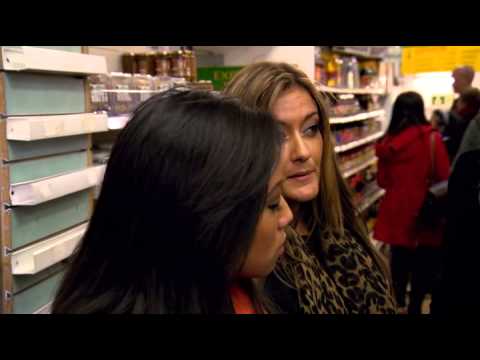
HAHA posted on 2015/06/15Ever wondered what it takes to win Lord Sugar's investment on The Apprentice UK? This episode throws contestants into a high-pressure sales challenge where you'll pick up essential business pitch and negotiation tactics. Get ready for some intense boardroom drama and practical workplace vocabulary!
Learn this video on the APP!
The VoiceTube App has more in-depth practice for videos!