
all at once
US
UK
- Adverb
- Suddenly; at the same time
- At the same time; simultaneously
- Phrase
- Suddenly; at the same time
A1Moreall over the place
US
UK
- Phrase
- In a state of disorder; scattered everywhere.
- In many different locations; widely distributed.
- Adjective
- Mentally or emotionally disorganized; confused or erratic.
A1Moreany sort of
US
UK
- Determiner
- Any kind of; any type of
- Phrase
- Somewhat; to some extent
A2Moreas a consequence of
US /əz ə ˈkɑnsəkwəns ʌv/
UK /əz ə ˈkɒnsikwəns əv/
- other
- Because of; due to something that happened before.
B2Moreas long as
US /æz lɔŋ æz/
UK /æz lɔŋ æz/
- Conjunction
- For the period that; provided that.
- For the length of time that
- Preposition
- On the condition that; providing that.
- Having the same length as.
A1Moreas opposed to
US
UK
- Preposition
- In contrast to; rather than.
- Instead of; in place of.
A1Moreas well as
US /æz wɛl æz/
UK /æz wel æz/
- Adverb
- Also; in addition to
- Preposition
- In addition to; and also.
A1Moreat least
US /æt list/
UK /æt li:st/
- Adverb
- As a minimum
- Not less than
- Phrase
- No less than; at the minimum
- Used to indicate that something is positive in a bad situation.
C2Moreat once
US /æt wʌns/
UK /æt wʌns/
- Adverb
- Immediately; without delay
- At the same time; simultaneously
A2Moreat that time
US /æt ðæt taɪm/
UK /æt ðæt taim/
- Phrase
- During a specific point in the past.
A1Moreat the same time
US
UK
- Phrase
- Simultaneously; at the identical moment.
- Nevertheless; however; used to introduce a contrasting or qualifying statement.
A1Moreback into
US /bæk ˈɪntu/
UK /bæk ˈɪntuː/
- Phrasal Verb
- To drive a vehicle backwards into a space or area.
- To accidentally collide with something while moving backwards.
A1Morebased on
US
UK
- Phrasal Verb
- To use something as the foundation or starting point for something else.
- Preposition
- Using something as the main idea or foundation.
- Relying on something as evidence or justification.
A1Morebeing creative
US
UK
- Phrase
- The state of using imagination or original ideas to create something.
- Having or showing an ability to make new things or think of new ideas.
B1Morebreak down
US /brek daʊn/
UK /breik daun/
- Phrasal Verb
- To forcibly break, destroy or make collapse
- (Machine) to stop working or become weaker
A1Morebreak it down
US
UK
- Phrasal Verb
- To simplify something complex into smaller, more manageable parts.
- To explain something in a detailed and understandable way.
A2Morebreaks down
US
UK
- Phrasal Verb
- To forcibly break, destroy or make collapse
- (Machine) to stop working or become weaker
A1Morebring out
US /brɪŋ aʊt/
UK /briŋ aut/
- Phrasal Verb
- To formally introduce a girl/ woman to society
- To nurture and develop or bring out a quality
A1Morechunk
US /tʃʌŋk/
UK /tʃʌŋk/
- Noun (Countable/Uncountable)
- A large bit of something; thick lump
- A significant amount or portion.
- Transitive Verb
- To divide something into chunks.
- To throw something forcefully (slang).
B2Moreclimb up
US /klaɪm ʌp/
UK /klaim ʌp/
- Phrasal Verb
- To ascend or move to a higher position by using one's hands and feet.
A1Morecome up
US /kʌm ʌp/
UK /kʌm ʌp/
- Phrasal Verb
- To come closer to someone; approach
- (Of sun) to rise into the sky in the morning
A1Morecome up with
US /kʌm ʌp wɪð/
UK /kʌm ʌp wið/
- Phrasal Verb
- To think of an idea or solution; produce
A1Moredeal with
US /dil wɪð/
UK /di:l wið/
- Verb (Transitive/Intransitive)
- To buy or sell goods or services.
- Phrasal Verb
- To take action to solve a problem or manage a situation.
- To be about; concern.
A1Moredepending on
US
UK
- Phrasal Verb
- To rely on for support (financial or emotional)
- Influenced or determined by.
- Preposition
- Subject to; contingent on
- Relying on someone or something for support or assistance.
A2Moredraw on
US /drɔ ɑn/
UK /drɔ: ɔn/
- Phrasal Verb
- To come to its end
- To make use of (someone's help, your savings, etc.)
A1Moreexcept for
US /ɪkˈsɛpt fɔr/
UK /ikˈsept fɔ:/
- Preposition
- Not including; excluding.
figure out
US /ˈfɪɡjɚ aʊt/
UK /ˈfiɡə aut/
- Phrasal Verb
- To understand the behavior of someone
- To think through logically to find a solution
- Verb (Transitive/Intransitive)
- To understand or find an answer to something.
- To find a solution to a problem or understand something.
A1Morefinish off
US /ˈfɪnɪʃ ɔf/
UK /ˈfiniʃ ɔf/
- Phrasal Verb
- To complete the last part of something.
- To decisively defeat someone.
A2Morefirst off
US /fɚst ɔf/
UK /fə:st ɔf/
- Phrase
- To begin with; firstly.
- Most importantly; above all else.
A1Morefit into
US /fɪt ˈɪntu/
UK /fit ˈɪntuː/
- Phrasal Verb
- To be small enough to go inside something.
- To feel like you belong to a group.
A2Morefocus
US /ˈfokəs/
UK /'fəʊkəs/
- Verb (Transitive/Intransitive)
- To see clearly by adjusting your eyes or a camera
- To keep your attention, concentration on one thing
- Noun (Countable/Uncountable)
- Main purpose or center of interest or activity
- The clarity of an image produced by a lens.
A2TOEICMorefor example
US
UK
- Phrase
- As an illustration or instance.
for one thing
US /fɔr wʌn θɪŋ/
UK /fɔ: wʌn θiŋ/
- Phrase
- Used to introduce a reason for something.
A1Morefor some reason
US /fɔr sʌm ˈrizən/
UK /fɔ: sʌm ˈri:zən/
- Phrase
- For a reason that is not known or not easily explained.
A1Morefor the most part
US
UK
- Phrase
- Generally; mostly; on the whole.
- Mostly; generally; in most cases.
A1Morefor the rest
US /fɔr ði rɛst/
UK /fɔ: ðə rest/
- Phrase
- Concerning the remaining people or things.
- During the remaining part of a period of time.
A1Morefound out
US
UK
- Phrasal Verb
- To learn or discover something, often after some effort.
- To become known; be revealed.
B2Moreget back to
US /ɡɛt bæk tu/
UK /ɡet bæk tu:/
- Phrasal Verb
- To get in contact with someone again
- To return to someone or something; to respond at a later time.
A1Morego around
US /ɡo əˈraʊnd/
UK /ɡəu əˈraund/
- Phrasal Verb
- (Of news, gossip) to be known; circulate
- To go here and there, from place to place; wander
A1Morego out
US /ɡo aʊt/
UK /ɡəu aut/
- Phrase
- To leave a building (e.g. a house)
- Phrasal Verb
- (Of a fire) to burn out; be extinguished
- Go out of fashion to stop being fashionable
A1Moregoing on
US /ˈɡoɪŋ ɑn/
UK /ˈgəʊɪŋ ɔn/
- Phrasal Verb
- To continue doing something
- To happen (usually negative)
A1Moregot it down
US
UK
- Phrasal Verb
- To write something down; record something in writing.
- To swallow something, especially with difficulty.
A1Moregot to
US /ɡɑt tu/
UK /gɔt tu:/
- Verb (Transitive/Intransitive)
- To arrive at some place
- To have the opportunity or permission to do something
- Phrasal Verb
- To appeal to the emotions of; move
- To finally begin to start something after a delay
A1Morehave a go
US /hæv e ɡo/
UK /hæv ə ɡəu/
- Intransitive Verb
- To attempt or try something.
A1Morehave to
US /hæv tu/
UK /ˈhæv tə/
- Auxiliary Verb
- Must do
A1Morehold it in
US
UK
- Phrasal Verb
- To restrain or suppress an emotion or feeling.
- To restrain or delay a bodily function, such as urination or defecation.
A1Morein fact
US /ɪn fækt/
UK /in fækt/
- Adverb
- Used to emphasize the truth of a statement, especially one that contrasts with or contradicts something else.
- Used to introduce a more detailed or surprising piece of information.
- Phrase
- Used to emphasize the truth of a statement, especially one that is surprising or contrary to what might be expected.
C1Morein focus
US /ɪn ˈfokəs/
UK /in ˈfəukəs/
- Phrase
- State in which you see something sharp and clearly
A2Morein general
US /ɪn ˈdʒɛnərəl/
UK /in ˈdʒenərəl/
- Phrase
- Typically; usually; on the whole.
- Not specific or detailed; broadly.
- Adjective
- Not detailed or specific; overall.
C2Morein love with
US //ɪn lʌv wɪð//
UK
- Adjective
- Feeling romantic love for someone.
- Extremely enthusiastic about or fond of something.
A1Morein mind
US /ɪn maɪnd/
UK /in maind/
- Phrase
- Being aware of or considering something.
- To remember or consider something.
A2Morein order to
US /ɪn ˈɔrdɚ tu/
UK /in ˈɔ:də tu:/
- Preposition
- For the purpose of; with the aim of.
- Phrase
- In a specific sequence or arrangement.
- With the aim of; for the purpose of.
C1Morein part
US /ɪn pɑrt/
UK /in pɑ:t/
- Adverb
- To some extent; partially.
A1Morein particular
US /ɪn pɚˈtɪkjəlɚ/
UK /in pəˈtikjulə/
- Phrase
- Specifically; especially.
- Detailed or precise.
A1Morein the light of
US /ɪn ðə ˈlaɪt ʌv/
UK /in ðə ˈlaɪt ɔv/
- other
- Considering new information or facts.
B2Morein the world
US /ɪn ði wɜrld/
UK /in ðə wɜː(r)ld/
- Phrase
- Used to emphasize a question expressing surprise, confusion, or disbelief.
- Used to indicate the extent or degree of something, often in a superlative sense.
A1Morein touch
US /ɪn tʌtʃ/
UK /in tʌtʃ/
- Adjective
- Having contact or communication with someone.
- Aware of or informed about something.
B1Morein ways
US
UK
- Phrase
- In a manner or by methods that.
- In certain respects or aspects.
A1Moreincredibly important
US
UK
- Adjective
- Extremely significant or crucial.
A1Moreinstead of
US /ɪnˈstɛd ʌv/
UK /inˈsted ɔv/
- Preposition
- When one thing is replaced by another
- Adverb
- As a substitute or alternative.
A1Morejump to conclusions
US
UK
- Intransitive Verb
- To form an opinion or make a judgment about something before having all the necessary information.
A2Morejust kind of
US
UK
- Phrase
- Used to express a feeling or state in a vague or hesitant way.
- Used to indicate something is approximately or generally similar to something else.
A2Moreknow about
US /noʊ əˈbaʊt/
UK /nəʊ əˈbaut/
- Phrasal Verb
- To have information or understanding of a subject or situation.
look around
US /lʊk əˈraʊnd/
UK /luk əˈraund/
- Phrasal Verb
- To explore a place; search for something.
A1Morelook at
US /lʊk æt/
UK /luk æt/
- Phrasal Verb
- To use your eyes to focus on something
- To focus your eyes on something carefully
A1Morelook away
US /lʊk əˈwe/
UK /luk əˈwei/
- Phrasal Verb
- To turn your eyes in a different direction, especially because you are embarrassed, frightened, or upset.
A2Moremake up
US /mek ʌp/
UK /meik ʌp/
- Phrasal Verb
- To invent or create a story
- To add up to
- Verb (Transitive/Intransitive)
- To invent a story, excuse, etc.
- To compensate for something lost, missed, or deficient.
A1Morememory
US /ˈmɛməri/
UK /'memərɪ/
- Noun (Countable/Uncountable)
- Ability of the mind to call back past things
- Space for the storage of information on a computer
A2Moremove along
US /muv əˈlɔŋ/
UK /mu:v əˈlɔŋ/
- Phrasal Verb
- To make progress; advance.
- To tell someone to leave or keep moving.
B1Moremove up
US /muv ʌp/
UK /mu:v ʌp/
- Phrasal Verb
- To advance to a higher rank or position.
- To advance in a line or queue.
B1Moreno matter
US
UK
- Conjunction
- Regardless of; it does not matter.
- Adverb
- Regardless of; it is not important
A1Moreof a sudden
US
UK
- Phrase
- Quickly and unexpectedly; suddenly.
B2Moreof course
US /ʌv kɔː(r)s/
UK /ɔv kɔː(r)s/
- Adverb
- Sure ; Certainly
- Phrase
- For sure; certainly
A2Moreoff of
US /ɔf ʌv/
UK /ɔf ɔv/
- Preposition
- From a position on something; down from.
A1Moreon the beach
US
UK
- Phrase
- Located on the sandy or pebbly area bordering a body of water.
A1Moreon the book
US /ɑn ðə bʊk/
UK /ɒn ðə bʊk/
- other
- Recorded in an official list or register.
B2Moreon the brain
US
UK
- Idiom
- To be constantly thinking about someone or something; to be obsessed with someone or something.
out there
US /aʊt ðɛr/
UK /aut ðɛə/
- Adverb
- In or to a place that is far away
- Existing in the universe
- Adjective
- Unconventional; strange; avant-garde
- Existing or available.
A1Moreoutside of
US /aʊtˈsaɪd ʌv/
UK /ˌautˈsaid ɔv/
- Preposition
- Located or situated beyond the boundaries or confines of something.
- Beyond the scope, range, or limits of something.
A1Moreover to
US
UK
- Preposition
- Used to hand over to someone else to speak
- The responsibility is now yours
phone number
US
UK
- Countable Noun
- A sequence of digits assigned to a telephone subscriber, used to make a call to that phone.
A1Moreplay out
US
UK
- Phrasal Verb
- To use up or exhaust
- To develop or happen in a particular way.
A1Morepractice
US /ˈpræktɪs/
UK /'præktɪs/
- Noun
- The office and place for legal or medical work
- Doing something many times to become better at it
- Verb (Transitive/Intransitive)
- To work as a doctor or lawyer
- To live according to the teachings of a religion
A2TOEICMorepull back
US /pʊl bæk/
UK /pul bæk/
- Phrasal Verb
- To move to a safer area; retreat
A1Morepull into
US
UK
- Phrasal Verb
- To drive a vehicle off a road and onto a different surface or into a specific location.
A1Moreput together
US /pʊt təˈɡɛðɚ/
UK /put təˈɡeðə/
- Phrasal Verb
- To build or assemble something small, e.g. a toy
- To organize or arrange something.
A1Morereach out
US /ritʃ aʊt/
UK /ri:tʃ aut/
- Phrasal Verb
- To attempt to communicate with someone.
- To offer help and support to someone.
B1Morerepetition
US /ˌrɛpɪˈtɪʃən/
UK /ˌrepəˈtɪʃn/
- Noun (Countable/Uncountable)
- When something occurs again
- Saying something again
A2TOEICMoreresist the urge
US
UK
- Phrase
- To fight against a strong desire or temptation.
same time
US
UK
- Phrase
- Occurring simultaneously or at the same point in time.
- At the identical time as before; recurring at a fixed hour.
- Noun
- An equal duration or period.
A1Moreset up
US /sɛt ʌp/
UK /set ʌp/
- Phrasal Verb
- To make arrangements for something; establish
- Verb (Transitive/Intransitive)
- To arrange or prepare something for use.
- To start a business, organization, etc.
A1Moreshare in
US /ʃɛr ɪn/
UK /ʃɛə in/
- Phrasal Verb
- To participate in something; to have a part or interest in something.
- To receive a portion of something, such as profits or losses.
A1Moresit down
US /sit daʊn/
UK /sit daun/
- Phrasal Verb
- To take a seat
A1Moresit out
US /sit aʊt/
UK /sit aut/
- Phrasal Verb
- To refrain from participating in something.
- To wait until something ends.
A1Moresleep on it
US /slip ɑn ɪt/
UK /sli:p ɔn it/
- Verb Phrase
- To delay making a decision about something until the next day so that you have time to think about it carefully
A1Moreslot in
US /slɑt ɪn/
UK /slɒt ɪn/
- other
- To find a suitable time or place for something in a schedule or plan.
B1Moretalking about
US
UK
- Phrasal Verb
- To discuss a particular topic.
- To be constantly mentioning or bringing up a subject.
A1Moretechnique
US /tɛkˈnik/
UK /tekˈni:k/
- Noun (Countable/Uncountable)
- Way of doing by using special knowledge or skill
- The skill or ability to do something well.
A2TOEICMorethink about
US /θɪŋk əˈbaʊt/
UK /θiŋk əˈbaut/
- Phrasal Verb
- To consider something carefully.
- To remember or call to mind.
A1Morethink of
US /θɪŋk ʌv/
UK /θiŋk ɔv/
- Phrasal Verb
- To look on as (being something specific); consider
- To consider or remember something.
- Verb (Transitive/Intransitive)
- To imagine or call something to mind
A1Moreto do with
US
UK
- Phrasal Verb
- To be about something; concern
A1Moretrade off
US /treid ɔf/
UK /treid ɔf/
- Noun (Countable/Uncountable)
- Exchange that occurs as a compromise
- Verb (Transitive/Intransitive)
- To accept that you cannot have everything you want and give up something that is less important so that you can have what is more important.
- To balance two opposing situations or qualities; to compromise.
C2Moreturn into
US /tɚn ˈɪntu/
UK /tə:n ˈɪntuː/
- Phrasal Verb
- To change to become something else
- To change your direction to go into a place
A1Moreturn off
US
UK
- Phrasal Verb
- To make someone feel negatively about something
A1Moreused to
US /juzd tu/
UK /ˈju:st tə/
- Adjective
- Did regularly before, but don't do now
- Auxiliary Verb
- Have done before, but do not do now
A1Morewalk away
US /wɔk əˈwe/
UK /wɔ:k əˈwei/
- Phrasal Verb
- To leave a situation, especially a difficult or unpleasant one.
- To choose not to be involved in something.
A1Morewith it
US /wɪð ɪt/
UK /wið it/
- Adjective
- Intelligent, alert, and up-to-date.
- Understanding and knowledgeable about current trends or information.
A1Morewithout further ado
US /wɪðˈaʊt ˈfɚðɚ əˈdu/
UK /wiˈðaut ˈfə:ðə əˈdu:/
- Phrase
- Without unnecessary delay or introduction; immediately.
A2Morework through
US
UK
- Phrasal Verb
- To deal with something systematically until it is completed
- To deal with a problem or difficult situation.
Vocabulary
- look at: To use your eyes to focus on something
- used to: Did regularly before, but don't do now
- for example: As an illustration or instance.
- have to: Must do
- going on: To continue doing something
- think of: To look on as (being something specific); consider
- in fact: Used to emphasize the truth of a statement, especially one that contrasts with or contradicts something else.
- think about: To consider something carefully.
- with it: Intelligent, alert, and up-to-date.
- on the brain: To be constantly thinking about someone or something; to be obsessed with someone or something.
- in focus: State in which you see something sharp and clearly
- at least: As a minimum
- instead of: When one thing is replaced by another
- incredibly important: Extremely significant or crucial.
- in mind: Being aware of or considering something.
- at once: Immediately; without delay
- of a sudden: Quickly and unexpectedly; suddenly.
- first off: To begin with; firstly.
- pull back: To move to a safer area; retreat
- come up with: To think of an idea or solution; produce
- at the same time: Simultaneously; at the identical moment.
- same time: Occurring simultaneously or at the same point in time.
- sit down: To take a seat
- just kind of: Used to express a feeling or state in a vague or hesitant way.
- in general: Typically; usually; on the whole.
- of course: Sure ; Certainly
- got to: To arrive at some place
- pull into: To drive a vehicle off a road and onto a different surface or into a specific location.
- figure out: To understand the behavior of someone
- in order to: For the purpose of; with the aim of.
- put together: To build or assemble something small, e.g. a toy
- no matter: Regardless of; it does not matter.
- for the most part: Generally; mostly; on the whole.
- without further ado: Without unnecessary delay or introduction; immediately.
- in touch: Having contact or communication with someone.
- all over the place: In a state of disorder; scattered everywhere.
- to do with: To be about something; concern
- found out: To learn or discover something, often after some effort.
- at that time: During a specific point in the past.
- in particular: Specifically; especially.
- as a consequence of: Because of; due to something that happened before.
- know about: To have information or understanding of a subject or situation.
- have a go: To attempt or try something.
- as long as: For the period that; provided that.
- play out: To use up or exhaust
- work through: To deal with something systematically until it is completed
- deal with
- turn off
- get back to: To get in contact with someone again
- finish off: To complete the last part of something.
- sit out: To refrain from participating in something.
- out there: In or to a place that is far away
- for the rest: Concerning the remaining people or things.
- as well as: Also; in addition to
- go out: To leave a building (e.g. a house)
- on the book: Recorded in an official list or register.
- based on: To use something as the foundation or starting point for something else.
- on the beach: Located on the sandy or pebbly area bordering a body of water.
- phone number: A sequence of digits assigned to a telephone subscriber, used to make a call to that phone.
- walk away: To leave a situation, especially a difficult or unpleasant one.
- sleep on it: To delay making a decision about something until the next day so that you have time to think about it carefully
- turn into: To change to become something else
- slot in: To find a suitable time or place for something in a schedule or plan.
- draw on: To come to its end
- hold it in: To restrain or suppress an emotion or feeling.
- talking about: To discuss a particular topic.
- being creative: The state of using imagination or original ideas to create something.
- make up: To invent or create a story
- trade off: Exchange that occurs as a compromise
- move along: To make progress; advance.
- jump to conclusions: To form an opinion or make a judgment about something before having all the necessary information.
- in the light of: Considering new information or facts.
- reach out: To attempt to communicate with someone.
- for some reason: For a reason that is not known or not easily explained.
- come up: To come closer to someone; approach
- as opposed to: In contrast to; rather than.
- share in: To participate in something; to have a part or interest in something.
- bring out: To formally introduce a girl/ woman to society
- got it down: To write something down; record something in writing.
- resist the urge: To fight against a strong desire or temptation.
- look away: To turn your eyes in a different direction, especially because you are embarrassed, frightened, or upset.
- off of: From a position on something; down from.
- breaks down: To forcibly break, destroy or make collapse
- break down: To forcibly break, destroy or make collapse
- in the world: Used to emphasize a question expressing surprise, confusion, or disbelief.
- go around: (Of news, gossip) to be known; circulate
- except for: Not including; excluding.
- for one thing: Used to introduce a reason for something.
- over to: Used to hand over to someone else to speak
- break it down: To simplify something complex into smaller, more manageable parts.
- all at once: Suddenly; at the same time
- depending on: To rely on for support (financial or emotional)
- fit into: To be small enough to go inside something.
- climb up: To ascend or move to a higher position by using one's hands and feet.
- move up: To advance to a higher rank or position.
- in love with: Feeling romantic love for someone.
- in part: To some extent; partially.
- back into: To drive a vehicle backwards into a space or area.
- set up
- outside of: Located or situated beyond the boundaries or confines of something.
- any sort of: Any kind of; any type of
- in ways: In a manner or by methods that.
- look around: To explore a place; search for something.
- practice: The office and place for legal or medical work
- technique: Way of doing by using special knowledge or skill
- people: Persons sharing culture, country, background, etc.
- brain: To strike someone forcefully on the head
- work: The product of some artistic or literary endeavor
- repetition: When something occurs again
- kind: In a caring and helpful manner
- important: Having power or authority
- learn: To get knowledge or skills by study or experience
- language: Words or signs used to communicate messages
- chunk: A large bit of something; thick lump
- understand: To know the meaning of language, what someone says
- problem: Something difficult to deal with or causes trouble
- memory: Ability of the mind to call back past things
- focus: To see clearly by adjusting your eyes or a camera
Get the full experience in the app
Learn anywhere with detailed sentence and usage analysis
01:03
She took a brave step forward, leaving behind her comfort zone to chase her dreams.
Vocabulary
- brave
adj. Having courage
- comfort zone
phr. A familiar situation where one feels safe
Explanation
a brave step is a noun phrase, where brave is an adjective modifying the noun step, meaning "a courageous step".
forward is an adverb modifying step, meaning "ahead".
The whole phrase serves as the object, answering the "what" of took (verb) — she took a brave step forward.
Get the full experience in the app
Look up words anytime with pronunciation, part of speech, and usage
brave
US/brev/
UK/breɪv/
adj.Brave
v.t.To bravely face
A2 Elementary
Get the full experience in the app
Practice speaking anytime and get instant pronunciation feedback
Try this speaking exercise.
Try practicing with this sentence.
80
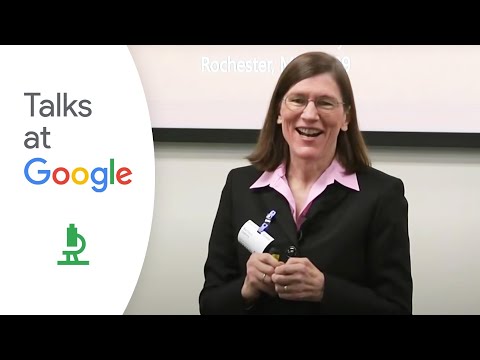
Barbara Oakley | Learning How to Learn | Talks at Google
0
Li-Ying Lin posted on 2015/05/28Ever wonder how to actually learn better? Barbara Oakley shares fascinating insights from 'Learning How to Learn,' revealing powerful techniques like focus mode and chunking that you can use right away! You'll pick up practical strategies for effective studying and boost your lifelong learning skills.
Learn this video on the APP!
The VoiceTube App has more in-depth practice for videos!