
answer to
US
UK
- Phrasal Verb
- To be responsible to someone and have to explain your actions to them.
- To correspond to or match a description or requirement.
A1Moreas it stands
US
UK
- Phrase
- In the present condition or situation.
A2Moreas soon as
US /æz sun æz/
UK /æz su:n æz/
- Phrase
- In a short time after (something happens)
- Without any delay; immediately
- Conjunction
- At the moment that, or immediately after.
A1Morecome back
US /kʌm bæk/
UK /kʌm bæk/
- Phrasal Verb
- To reply to someone, often forcefully
- To be remembered
A1Morecome up to
US
UK
- Phrasal Verb
- To meet expectations
A1Morecorrect
US /kəˈrɛkt/
UK /kə'rekt/
- Adjective
- Being suitable and appropriate for an occasion
- True or accurate
- Transitive Verb
- To fix a problem
- To write marks on a piece of work to show mistakes
A2Morefeel like
US
UK
- Intransitive Verb
- To have a desire or inclination for something.
- To have a particular quality or sensation; resemble.
A1Morefinish with
US
UK
- Phrasal Verb
- To end a relationship
A1Moregrammar
US /ˈɡræmɚ/
UK /ˈgræmə(r)/
- Uncountable Noun
- Book describing the syntactic rules of a language
- Rules explaining how words are used in a language
B1Morehave to
US /hæv tu/
UK /ˈhæv tə/
- Auxiliary Verb
- Must do
A1Morein trouble
US /ɪn ˈtrʌbəl/
UK /in ˈtrʌbl/
- Adjective
- Experiencing difficulties, problems, or legal issues.
- other
- In serious trouble or difficulty.
A1Morejust kind of
US
UK
- Phrase
- Used to express a feeling or state in a vague or hesitant way.
- Used to indicate something is approximately or generally similar to something else.
A2Moreknow about
US /noʊ əˈbaʊt/
UK /nəʊ əˈbaut/
- Phrasal Verb
- To have information or understanding of a subject or situation.
look at
US /lʊk æt/
UK /luk æt/
- Phrasal Verb
- To use your eyes to focus on something
- To focus your eyes on something carefully
A1Moremention
US /ˈmɛnʃən/
UK /'menʃn/
- Transitive Verb
- To refer to or talk or write about something
- Uncountable Noun
- Act of referring to or talking about something
- A formal acknowledgement of something
A2TOEICMoremove to
US /muv tu/
UK /mu:v tu:/
- Phrasal Verb
- To change the place where you live or work.
- Verb (Transitive/Intransitive)
- To proceed to the next stage or action.
A2Morenext to
US /nɛkst tu/
UK /nekst tu:/
- Preposition
- Being located along side another
- In comparison with
- Adverb
- Almost; nearly
A1Moreobject
US /ˈɑbdʒɪkt/
UK /'ɒbdʒɪkt/
- Noun (Countable/Uncountable)
- Something you can see or touch, but is not alive
- Goal or purpose of a particular plan or activity
- Verb (Transitive/Intransitive)
- To disagree; to protest against an idea or plan
- To state one's reason for disagreement
A2TOEICMorepoint out
US /pɔɪnt aʊt/
UK /pɔint aut/
- Phrasal Verb
- To make others aware of an idea
- To draw attention to something or someone
A1Moresound right
US
UK
- Intransitive Verb
- To seem correct or accurate.
speak to
US /spik tu/
UK /spi:k tu:/
- Verb (Transitive/Intransitive)
- To address or communicate with someone.
- To indicate or suggest something; to be relevant to.
A1Morespeech
US /spitʃ/
UK /spi:tʃ/
- Uncountable Noun
- A formal talk to an audience
- Expression of ideas or opinions by talking
A2TOEICMoretalking about
US
UK
- Phrasal Verb
- To discuss a particular topic.
- To be constantly mentioning or bringing up a subject.
A1Morethink about
US /θɪŋk əˈbaʊt/
UK /θiŋk əˈbaut/
- Phrasal Verb
- To consider something carefully.
- To remember or call to mind.
A1Moreto do with
US
UK
- Phrasal Verb
- To be about something; concern
A1Moretransitive verb
US
UK
- Abbreviation
- Abbreviation for 'transitive verb,' a verb that requires a direct object.
- Noun
- A verb that requires a direct object to complete its meaning.
A2Moretrouble in
US
UK
- Uncountable Noun
- Problems or difficulties existing within a specific place or situation.
- Difficulties or discord within a relationship.
B1Morework in
US /wɚk ɪn/
UK /wə:k in/
- Phrasal Verb
- To make an opening for something in your schedule
- To fit person/thing into a schedule or sequence
A1More
Vocabulary
- look at: To use your eyes to focus on something
- speak to: To address or communicate with someone.
- come back: To reply to someone, often forcefully
- know about: To have information or understanding of a subject or situation.
- have to: Must do
- think about: To consider something carefully.
- transitive verb: Abbreviation for 'transitive verb,' a verb that requires a direct object.
- talking about: To discuss a particular topic.
- sound right: To seem correct or accurate.
- just kind of: Used to express a feeling or state in a vague or hesitant way.
- as soon as: In a short time after (something happens)
- come up to: To meet expectations
- trouble in: Problems or difficulties existing within a specific place or situation.
- in trouble: Experiencing difficulties, problems, or legal issues.
- to do with: To be about something; concern
- feel like: To have a desire or inclination for something.
- answer to: To be responsible to someone and have to explain your actions to them.
- work in: To make an opening for something in your schedule
- point out: To make others aware of an idea
- as it stands: In the present condition or situation.
- move to: To change the place where you live or work.
- finish with: To end a relationship
- next to: Being located along side another
- people: Persons sharing culture, country, background, etc.
- sentence: (Of a judge) to decide the punishment of
- good: Proper, appropriate or right
- sound: Sensible, dependable and reliable
- English: Language of the UK, USA, Nigeria and elsewhere
- mention: To refer to or talk or write about something
- grammar: Book describing the syntactic rules of a language
- object: Something you can see or touch, but is not alive
- verb: Word that expresses an action or state
- british: Concerning the culture and people of British
- speech: A formal talk to an audience
- correct: Being suitable and appropriate for an occasion
- speak: To be able to use a certain language
- talk: Style of speaking
- American: Person from the USA
Get the full experience in the app
Learn anywhere with detailed sentence and usage analysis
01:03
She took a brave step forward, leaving behind her comfort zone to chase her dreams.
Vocabulary
- brave
adj. Having courage
- comfort zone
phr. A familiar situation where one feels safe
Explanation
a brave step is a noun phrase, where brave is an adjective modifying the noun step, meaning "a courageous step".
forward is an adverb modifying step, meaning "ahead".
The whole phrase serves as the object, answering the "what" of took (verb) — she took a brave step forward.
Get the full experience in the app
Look up words anytime with pronunciation, part of speech, and usage
brave
US/brev/
UK/breɪv/
adj.Brave
v.t.To bravely face
A2 Elementary
Get the full experience in the app
Practice speaking anytime and get instant pronunciation feedback
Try this speaking exercise.
Try practicing with this sentence.
80
0
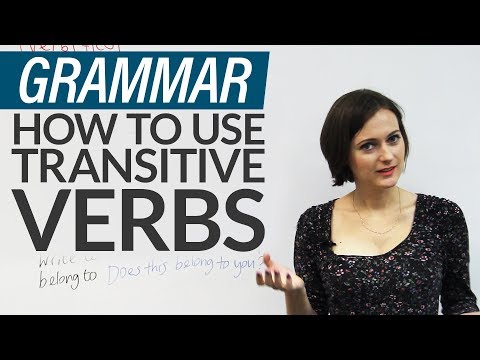
22 posted on 2015/05/27Ever get confused about when to use 'to' after certain verbs? This video breaks down exactly how to use 'to' with transitive verbs, helping you avoid common errors and sound more natural. You'll pick up practical phrases perfect for daily conversations and even workplace emails!
Learn this video on the APP!
The VoiceTube App has more in-depth practice for videos!