
as long as
US /æz lɔŋ æz/
UK /æz lɔŋ æz/
- Conjunction
- For the period that; provided that.
- For the length of time that
- Preposition
- On the condition that; providing that.
- Having the same length as.
A1Moreat least
US /æt list/
UK /æt li:st/
- Adverb
- As a minimum
- Not less than
- Phrase
- No less than; at the minimum
- Used to indicate that something is positive in a bad situation.
C2Moreat midnight
US
UK
- Phrase
- At twelve o'clock at night; the middle of the night.
- Used to indicate the time when something will happen or is expected to happen.
A1Moreback down
US /bæk daʊn/
UK /bæk daun/
- Phrasal Verb
- To admit you were wrong; stop claiming
A1Morebelow ground
US /bɪˈlo ɡraʊnd/
UK /biˈləu ɡraund/
- Adverb
- Underneath the surface of the earth.
- Adjective
- Situated or occurring beneath the earth's surface; subterranean.
B1Moreblow down
US /blo daʊn/
UK /bləu daun/
- Phrasal Verb
- To be knocked to the ground by the wind.
- Transitive Verb
- To demolish a building or structure using explosives.
A1Morebreak down
US /brek daʊn/
UK /breik daun/
- Phrasal Verb
- To forcibly break, destroy or make collapse
- (Machine) to stop working or become weaker
A1Morebuild up
US /bɪld ʌp/
UK /bild ʌp/
- Phrasal Verb
- To increase the amount; collect something
- To develop or increase something in stages
- Verb (Transitive/Intransitive)
- To increase or develop something gradually.
- To praise or encourage someone.
A1Morecame apart
US
UK
- Phrasal Verb
- To break into separate pieces
A1Morecategory
US /ˈkætɪˌɡɔri, -ˌɡori/
UK /ˈkætəgəri/
- Noun
- Groups of things that are similar in some way
B1Morecompressed air
US /kəmˈprɛst er/
UK /kəmˈprest eə(r)/
- Uncountable Noun
- Air that has been forced into a smaller space, increasing its pressure.
- Air that has been forced into a smaller space, increasing its pressure, and used as a power source.
A2Morecope with
US /kop wɪð/
UK /kəup wið/
- Phrasal Verb
- To deal successfully with a difficult situation.
A1Morecut off
US /kʌt ɔf/
UK /kʌt ɔf/
- Phrasal Verb
- To end a process, e.g. a phone call
- To cut the end of something
- Transitive Verb
- To isolate or prevent access to a place or person.
- To interrupt someone while they are speaking.
A1Moredamage
US /ˈdæmɪdʒ/
UK /ˈdæmɪdʒ/
- Noun (Countable/Uncountable)
- Physical harm that is done to something
- Transitive Verb
- To harm physically; to hurt or break something
- To harm the reputation of someone.
A2TOEICMoredebris
US /dəˈbri, de-, ˈdeˌbri/
UK /dəˈbri:, deɪ-, ˈdeɪˌbri:/
- Uncountable Noun
- Remains of something broken or destroyed
- Accumulated fragments of rock.
B2TOEICMoredie off
US /daɪ ɔf/
UK /dai ɔf/
- Phrasal Verb
- To decrease in number so few or none are left
A1Moredo in
US
UK
- Phrasal Verb
- To make completely tired out and exhausted
- To destroy or cause damage to someone
A1Moredo the trick
US /du ði trɪk/
UK /du: ðə trik/
- Idiom
- To solve a problem or achieve a desired result.
A1Moreevidence of
US
UK
- Phrase
- Facts, objects, or signs that make you believe that something is true.
- Something that shows that something else exists or is true.
A1Morefeel like
US
UK
- Intransitive Verb
- To have a desire or inclination for something.
- To have a particular quality or sensation; resemble.
A1Morefirst up
US /fɚst ʌp/
UK /fə:st ʌp/
- Phrase
- Firstly; to begin with; the first item on a list or agenda.
A1Morefor sure
US /fɔr ʃʊr/
UK /fɔ: ʃuə/
- Adverb
- Definitely; certainly; without a doubt.
- Used to emphasize a statement.
- Interjection
- An expression of strong agreement or affirmation.
A2Moreget out of
US /ɡɛt aʊt ʌv/
UK /ɡet aut ɔv/
- Phrasal Verb
- To leave or escape responsibilities, troubles
- To leave a small, enclosed vehicle
A1Morego ahead
US /ɡo əˈhɛd/
UK /ɡəu əˈhed/
- Phrasal Verb
- To start an activity; start doing, working etc.
- To give permission to do something
- Intransitive Verb
- To start or proceed with something
- To proceed despite potential obstacles or doubts.
A1Morego south
US
UK
- Intransitive Verb
- To travel or move towards the south.
- To fail or deteriorate; to go wrong.
A2Moregoing on
US /ˈɡoɪŋ ɑn/
UK /ˈgəʊɪŋ ɔn/
- Phrasal Verb
- To continue doing something
- To happen (usually negative)
A1Moregot to
US /ɡɑt tu/
UK /gɔt tu:/
- Verb (Transitive/Intransitive)
- To arrive at some place
- To have the opportunity or permission to do something
- Phrasal Verb
- To appeal to the emotions of; move
- To finally begin to start something after a delay
A1Morehanging out
US
UK
- Phrasal Verb
- To spend time with your friends
- To spend times with friends or relax doing nothing
A2Morehave to
US /hæv tu/
UK /ˈhæv tə/
- Auxiliary Verb
- Must do
A1Morehurricane
US /ˈhɚrɪˌken, ˈhʌr-/
UK /'hʌrɪkən/
- Noun
- Very severe storm usually occurs near the ocean
B1Morein danger
US /ɪn ˈdendʒɚ/
UK /in ˈdeindʒə/
- Phrase
- Exposed to the risk of harm, injury, or loss.
- At risk of experiencing something negative or harmful.
A1Morein excess of
US /ɪn ˈɛkˌsɛs ʌv/
UK /in ˈekses ɔv/
- Preposition
- More than.
- Phrase
- More than; exceeding.
A1Morein one piece
US /ɪn wʌn pis/
UK /in wʌn pi:s/
- Phrase
- Undamaged; whole; not broken or harmed.
- Safe and unharmed, especially after a dangerous situation.
A1Morein progress
US /ɪn ˈprɑɡˌrɛs/
UK /in ˈprəuɡres/
- Adjective
- Currently taking place or being done; not yet completed.
- Phrase
- In the course of being done or carried out.
B1Morein recognition
US
UK
- Phrase
- As an acknowledgment or appreciation of something.
- During the process of identifying someone or something.
C2Morein the air
US
UK
- Phrase
- Present or circulating in the atmosphere.
- Felt or sensed by many people; circulating as a rumor or feeling.
- Adjective
- Being broadcast on radio or television.
A1Morein the closet
US /ɪn ðə ˈklɑzət/
UK /in ðə ˈklɒzət/
- other
- Keeping something, often sexual orientation, secret.
B2Morein the clouds
US /ɪn ðə ˈklaʊdz/
UK /in ðə ˈklaudz/
- other
- Lost in thought; daydreaming or distracted.
B1Morein the hospital
US /ɪn ðə ˈhɑspɪtəl/
UK /in ðə ˈhɒspɪtəl/
- Preposition
- Located inside a hospital receiving medical care.
A1Morein the middle of
US
UK
- Phrase
- In the central part or point of something.
- Engaged or occupied with something.
A2Morein theory
US /ɪn ˈθiəri/
UK /in ˈθiəri/
- Adverb
- According to the stated ideas or principles
- Phrase
- According to the theoretical possibilities rather than actual practice.
B2Morejoin up
US
UK
- Phrasal Verb
- To enlist in the armed forces.
- To become a member of an organization or group.
A1Morelead to
US /lid tu/
UK /li:d tu:/
- Phrasal Verb
- To result in some action
- Verb (Transitive/Intransitive)
- To have something as a consequence or result.
A1Morelet up
US /lɛt ʌp/
UK /let ʌp/
- Phrasal Verb
- To do something more slowly or less intensely
- Intransitive Verb
- To become less strong; to weaken or abate.
A1Morelike magic
US /laɪk ˈmædʒɪk/
UK /laɪk ˈmædʒɪk/
- other
- In a way that is surprisingly easy or sudden.
A2Morelook at
US /lʊk æt/
UK /luk æt/
- Phrasal Verb
- To use your eyes to focus on something
- To focus your eyes on something carefully
A1Moremake light of
US /ˈmek laɪt ʌv/
UK /ˈmeik lait ɔv/
- other
- To treat something as unimportant or less serious.
B2Moremobile home
US
UK
- Phrase
A1Morenumber of people
US /ˈnʌmbɚ ʌv ˈpipəl/
UK /ˈnʌmbə ɔv ˈpi:pl/
- Phrase
- The total count of individuals within a group or gathering.
- A statistical figure representing the population size or a subset thereof.
A1Moreof a sudden
US
UK
- Phrase
- Quickly and unexpectedly; suddenly.
B2Moreoff the radar
US /ɔf ðə ˈreɪdɚ/
UK /ɒf ðə ˈreɪdə/
- other
- Not noticed or not being observed.
B2Moreon average
US /ɑn ˈævərɪdʒ/
UK /ɔn ˈævəridʒ/
- Phrase
- Typically; usually; based on an average calculation.
B1Moreon duty
US /ɑn ˈduti/
UK /ɔn ˈdju:ti/
- Phrase
A2Moreon earth
US /ɑn ɚθ/
UK /ɔn ə:θ/
- Phrase
- Used to emphasize a question expressing surprise or anger.
- Used to emphasize that something is not possible or will not happen.
A1Moreon sunday
US
UK
- Phrase
- Every Sunday; each Sunday.
- Referring to a particular Sunday.
A1Moreon the ground
US
UK
- Phrase
- Located on the surface of the earth.
- Present and available in a particular place, especially to deal with a situation.
on the other side of
US /ɑn ði ˈʌðɚ ˈsaɪd ʌv/
UK /ɒn ði ˈʌðə ˈsaɪd ɒv/
- Preposition
- Located across something from a given point.
A2Moreon the radar
US
UK
- Idiom
- Being noticed or tracked; within someone's awareness or attention.
A1Moreon to
US /ɑn tu/
UK /ɔn tu:/
- Preposition
- Toward something; forward
- Aware of someone's activities.
- Adjective
- Aware of someone's deception or illegal activities.
A1Moreout of the way
US /aʊt ʌv ði we/
UK /aut ɔv ðə wei/
- Adjective
- Remote; isolated.
- No longer obstructing or hindering.
- Phrase
- Not obstructing or impeding progress; in a position where one does not cause an obstruction.
- Completed; finished; no longer needing attention.
B1Moreout there
US /aʊt ðɛr/
UK /aut ðɛə/
- Adverb
- In or to a place that is far away
- Existing in the universe
- Adjective
- Unconventional; strange; avant-garde
- Existing or available.
A1Moreover the fence
US /ˈoʊvɚ ðə ˈfɛns/
UK /ˈəuvə ðə ˈfens/
- Preposition
- Beyond a physical or figurative boundary or limit.
B1Morepick up the pieces
US /pɪk ʌp ðə ˈpisɪz/
UK /pɪk ʌp ðə ˈpi:sɪz/
- other
- Begin to recover after a failure or disaster.
B2Morepull off
US /pʊl ɔf/
UK /pul ɔf/
- Phrasal Verb
- To manage to succeed
- To remove something quickly or with force.
A1Morepunch out
US
UK
- Phrasal Verb
- To record the time of departure from work, typically using a time clock.
- To defeat someone by punching them, especially in boxing.
A1Moreradar
US /ˈredɑr/
UK /ˈreɪdɑ:(r)/
- Noun
- Radio device used to find the location of objects
B2Morereduce the risk
US
UK
- Phrase
- To lessen the probability of something dangerous or harmful occurring.
A1Moreright in front
US
UK
- Phrase
- Directly ahead; in a position immediately before someone or something.
- In a position where something is easily visible or obvious.
A2Moreserve up
US /sɚv ʌp/
UK /sə:v ʌp/
- Phrasal Verb
- To present food to someone, typically in a restaurant or at home.
- To provide or present something, such as an opportunity or idea.
A2Moreset up
US /sɛt ʌp/
UK /set ʌp/
- Phrasal Verb
- To make arrangements for something; establish
- Verb (Transitive/Intransitive)
- To arrange or prepare something for use.
- To start a business, organization, etc.
A1Moresheer size
US
UK
- Uncountable Noun
- The impressive or intimidating magnitude of something.
- Phrase
- The extensive or considerable scale of something.
C1Morespeed
US /spid/
UK /spi:d/
- Uncountable Noun
- How fast or slow something is or is done
- Verb (Transitive/Intransitive)
- To move quickly when completing an action
- To drive a vehicle faster than laws allow
A2TOEICMorestand by
US
UK
- Phrasal Verb
- To keep to an agreement
- To wait for something to happen, e.g. TV broadcast
A1Morestand up to
US /stænd ʌp tu/
UK /stænd ʌp tu:/
- Phrasal Verb
- To resist or fight someone who is being aggressive
A1Morestorm out
US /stɔrm aʊt/
UK /stɔ:m aut/
- Phrasal Verb
- To leave a place angrily and noisily.
A1Moresweep away
US
UK
- Phrasal Verb
- To remove or destroy something completely.
- To overwhelm someone with strong emotion.
B2Moreto death
US /tu dɛθ/
UK /tu: deθ/
- Phrase
- Extremely; to a great degree
- Until death
B1Moreto God
US /tə ɡɑd/
UK /tə ɡɒd/
- other
- Used to emphasize truth or sincerity.
A2Moreto let
US /tu lɛt/
UK /tu let/
- Preposition
- Indicates that a property is available for rent.
A2Moretornado
US /tɔrˈnedo/
UK /tɔ:'neɪdəʊ/
- Noun
- Violent storm with strong winds
B2Moreup there
US /ʌp ðɛr/
UK /ʌp ðɛə/
- Adverb
- In or to a higher place or position; far away.
- In heaven.
A1Moreviolent
US /ˈvaɪələnt/
UK /ˈvaɪələnt/
- Adjective
- Done with force; likely to produce physical damage
- Using or involving physical force intended to hurt, damage, or kill someone or something.
A2Moreway to go
US /we tu ɡo/
UK /wei tu: ɡəu/
- Interjection
- An expression of encouragement or approval.
- An expression of sarcasm after someone has made a mistake.
A1More
Vocabulary
- got to: To arrive at some place
- at least: As a minimum
- have to: Must do
- number of people: The total count of individuals within a group or gathering.
- on earth: Used to emphasize a question expressing surprise or anger.
- cut off: To end a process, e.g. a phone call
- in the air: Present or circulating in the atmosphere.
- in progress: Currently taking place or being done; not yet completed.
- look at: To use your eyes to focus on something
- out there: In or to a place that is far away
- get out of: To leave or escape responsibilities, troubles
- evidence of: Facts, objects, or signs that make you believe that something is true.
- make light of: To treat something as unimportant or less serious.
- serve up: To present food to someone, typically in a restaurant or at home.
- way to go: An expression of encouragement or approval.
- on duty
- feel like: To have a desire or inclination for something.
- mobile home
- blow down: To be knocked to the ground by the wind.
- as long as: For the period that; provided that.
- join up: To enlist in the armed forces.
- lead to: To result in some action
- set up
- sweep away: To remove or destroy something completely.
- right in front: Directly ahead; in a position immediately before someone or something.
- pull off: To manage to succeed
- came apart: To break into separate pieces
- on to: Toward something; forward
- go south: To travel or move towards the south.
- go ahead: To start an activity; start doing, working etc.
- die off: To decrease in number so few or none are left
- on the other side of: Located across something from a given point.
- up there: In or to a higher place or position; far away.
- in excess of: More than.
- at midnight: At twelve o'clock at night; the middle of the night.
- below ground: Underneath the surface of the earth.
- for sure: Definitely; certainly; without a doubt.
- stand by: To keep to an agreement
- pick up the pieces: Begin to recover after a failure or disaster.
- in recognition: As an acknowledgment or appreciation of something.
- back down: To admit you were wrong; stop claiming
- cope with: To deal successfully with a difficult situation.
- on the ground: Located on the surface of the earth.
- compressed air: Air that has been forced into a smaller space, increasing its pressure.
- stand up to: To resist or fight someone who is being aggressive
- first up: Firstly; to begin with; the first item on a list or agenda.
- in the hospital: Located inside a hospital receiving medical care.
- do the trick: To solve a problem or achieve a desired result.
- in the middle of: In the central part or point of something.
- in the closet: Keeping something, often sexual orientation, secret.
- of a sudden: Quickly and unexpectedly; suddenly.
- going on: To continue doing something
- hanging out: To spend time with your friends
- to death: Extremely; to a great degree
- sheer size: The impressive or intimidating magnitude of something.
- reduce the risk: To lessen the probability of something dangerous or harmful occurring.
- on average: Typically; usually; based on an average calculation.
- on sunday: Every Sunday; each Sunday.
- over the fence: Beyond a physical or figurative boundary or limit.
- in one piece: Undamaged; whole; not broken or harmed.
- to let: Indicates that a property is available for rent.
- let up: To do something more slowly or less intensely
- to God: Used to emphasize truth or sincerity.
- in theory: According to the stated ideas or principles
- do in: To make completely tired out and exhausted
- in the clouds: Lost in thought; daydreaming or distracted.
- break down: To forcibly break, destroy or make collapse
- punch out: To record the time of departure from work, typically using a time clock.
- storm out: To leave a place angrily and noisily.
- like magic: In a way that is surprisingly easy or sudden.
- on the radar: Being noticed or tracked; within someone's awareness or attention.
- off the radar: Not noticed or not being observed.
- in danger: Exposed to the risk of harm, injury, or loss.
- build up: To increase the amount; collect something
- out of the way: Remote; isolated.
- category: Groups of things that are similar in some way
- wind: A current of air moving approximately horizontally, especially one strong enough to be felt
- storm: To act violently or angrily
- violent: Done with force; likely to produce physical damage
- hurricane: Very severe storm usually occurs near the ocean
- speed: How fast or slow something is or is done
- damage: Physical harm that is done to something
- house: Place where a specific activity or business occurs
- debris: Remains of something broken or destroyed
- hour: 60 minutes
- weather: Whether it is raining, sunny, cold etc. outside
- tornado: Violent storm with strong winds
- radar: Radio device used to find the location of objects
- oklahoma: A state in south central United States
Get the full experience in the app
Learn anywhere with detailed sentence and usage analysis
01:03
She took a brave step forward, leaving behind her comfort zone to chase her dreams.
Vocabulary
- brave
adj. Having courage
- comfort zone
phr. A familiar situation where one feels safe
Explanation
a brave step is a noun phrase, where brave is an adjective modifying the noun step, meaning "a courageous step".
forward is an adverb modifying step, meaning "ahead".
The whole phrase serves as the object, answering the "what" of took (verb) — she took a brave step forward.
Get the full experience in the app
Look up words anytime with pronunciation, part of speech, and usage
brave
US/brev/
UK/breɪv/
adj.Brave
v.t.To bravely face
A2 Elementary
Get the full experience in the app
Practice speaking anytime and get instant pronunciation feedback
Try this speaking exercise.
Try practicing with this sentence.
80
0
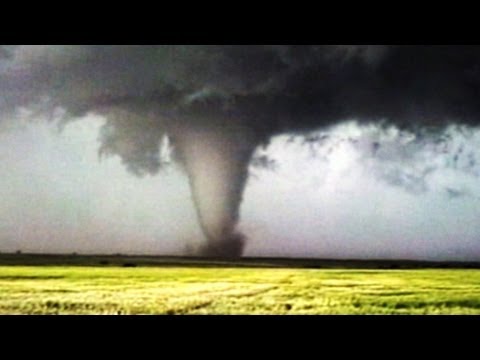
TeacherJennifer Bryne posted on 2015/05/12Ever wondered what it's like to stand in the path of a hurricane or tornado? This episode of Naked Science dives into the terrifying power of Earth's deadliest winds, from massive hurricanes to surgical-strike tornadoes. You'll discover incredible footage from storm chasers and learn about the science behind these violent forces, plus some practical insights into how fast a human can actually withstand wind!
Learn this video on the APP!
The VoiceTube App has more in-depth practice for videos!