
almost all of
US
UK
- Determiner
- Nearly the entire quantity or number of something.
- Pronoun
- Nearly every person in a group.
A1Moreby itself
US /baɪ ɪtˈsɛlf/
UK /bai itˈself/
- Adverb
- Alone; without help or assistance.
- Without any external influence or aid.
A2Morecatch on
US /kætʃ ɑn/
UK /kætʃ ɔn/
- Phrasal Verb
- To become popular; start to be used
- To get the idea of; suddenly understand
A1Moredo without
US
UK
- Phrasal Verb
- To manage without having or doing something
A1Moreepisode
US /ˈɛpɪˌsod/
UK /'epɪsəʊd/
- Noun
- One separate event in a series of events
- Show which is part of a larger story
B1TOEICMorefor the most part
US
UK
- Phrase
- Generally; mostly; on the whole.
- Mostly; generally; in most cases.
A1Moregame on
US /ɡem ɑn/
UK /ɡeim ɔn/
- Interjection
- An exclamation indicating the start of a game or activity.
- An exclamation indicating acceptance of a challenge.
A1Morego ahead
US /ɡo əˈhɛd/
UK /ɡəu əˈhed/
- Phrasal Verb
- To start an activity; start doing, working etc.
- To give permission to do something
- Intransitive Verb
- To start or proceed with something
- To proceed despite potential obstacles or doubts.
A1Morego on
US /ɡo ɑn/
UK /ɡəu ɔn/
- Phrasal Verb
- To continue doing something
- To happen (usually negative)
- Interjection
- Used to encourage someone
A1Morehave to
US /hæv tu/
UK /ˈhæv tə/
- Auxiliary Verb
- Must do
A1Morehit off
US
UK
- Verb (Transitive/Intransitive)
- To start something successfully or in a promising way.
- Phrasal Verb
- To quickly become good friends with someone.
- To start something successfully or enjoyably.
A2Morein order to
US /ɪn ˈɔrdɚ tu/
UK /in ˈɔ:də tu:/
- Preposition
- For the purpose of; with the aim of.
- Phrase
- In a specific sequence or arrangement.
- With the aim of; for the purpose of.
C1Moreknow about
US /noʊ əˈbaʊt/
UK /nəʊ əˈbaut/
- Phrasal Verb
- To have information or understanding of a subject or situation.
look at
US /lʊk æt/
UK /luk æt/
- Phrasal Verb
- To use your eyes to focus on something
- To focus your eyes on something carefully
A1Moremuch about
US /mʌtʃ əˈbaʊt/
UK /mʌtʃ əˈbaut/
- Phrase
- A lot of information or knowledge concerning something.
- To a great extent or degree regarding something; caring.
A1Morenot necessary
US
UK
- Adjective
- Not required; not needed.
- Phrase
- Optional; not compulsory.
- Avoidable; not inevitable.
B1Moreof course
US /ʌv kɔː(r)s/
UK /ɔv kɔː(r)s/
- Adverb
- Sure ; Certainly
- Phrase
- For sure; certainly
A2Moreon the internet
US
UK
- Phrase
- Located or available on the internet.
- Using the internet as a medium or platform.
A1Morephone in
US /foʊn ɪn/
UK /fəʊn ɪn/
- other
- Call someone by phone, often to report or notify remotely.
B2Moreplay games
US
UK
- Verb (Transitive/Intransitive)
- To participate in activities for enjoyment or recreation, often involving rules and competition.
- To behave in a dishonest or insincere way to achieve a goal.
A1Morereact
US /riˈækt/
UK /rɪ'ækt/
- Intransitive Verb
- To change when mixing with other chemicals
- To behave or make a change in a particular way
A2Moresolid
US /ˈsɑlɪd/
UK /'sɒlɪd/
- Adjective
- Being able to be trusted; reliable
- Substance that is hard or of fixed shape
- Noun
- Something firm or hard; not gas or liquid
A2Morestuff
US /stʌf/
UK /stʌf/
- Uncountable Noun
- Generic description for things, materials, objects
- Transitive Verb
- To push material inside something, with force
B1Moretake out
US /tek aʊt/
UK /teik aut/
- Phrasal Verb
- To apply for and get a license
- To take someone on a date
- Uncountable Noun
- Food purchased at a restaurant to eat elsewhere.
A1Moretalking about
US
UK
- Phrasal Verb
- To discuss a particular topic.
- To be constantly mentioning or bringing up a subject.
A1Moretechnology
US /tɛkˈnɑlədʒi/
UK /tek'nɒlədʒɪ/
- Uncountable Noun
- Use or knowledge of science in industry etc.
- Machinery and equipment developed from scientific knowledge.
A2TOEICMorewear on
US /wɛr ɑn/
UK /wɛə ɔn/
- other
A1Morewith it
US /wɪð ɪt/
UK /wið it/
- Adjective
- Intelligent, alert, and up-to-date.
- Understanding and knowledgeable about current trends or information.
A1Morewrist
US /rɪst/
UK /rɪst/
- Noun (Countable/Uncountable)
- Part where your hand joins your arm
- A support worn around the wrist, often for sports or medical reasons.
A2Moreyes and no
US
UK
- Phrase
- An ambivalent or uncertain answer; a response that is neither a clear affirmation nor a clear denial.
- A situation with both positive and negative aspects; a qualified affirmation.
A1More
Vocabulary
- have to: Must do
- know about: To have information or understanding of a subject or situation.
- talking about: To discuss a particular topic.
- of course: Sure ; Certainly
- much about: A lot of information or knowledge concerning something.
- play games: To participate in activities for enjoyment or recreation, often involving rules and competition.
- on the internet: Located or available on the internet.
- go on: To continue doing something
- in order to: For the purpose of; with the aim of.
- almost all of: Nearly the entire quantity or number of something.
- by itself: Alone; without help or assistance.
- wear on
- look at: To use your eyes to focus on something
- go ahead: To start an activity; start doing, working etc.
- game on: An exclamation indicating the start of a game or activity.
- yes and no: An ambivalent or uncertain answer; a response that is neither a clear affirmation nor a clear denial.
- do without: To manage without having or doing something
- phone in: Call someone by phone, often to report or notify remotely.
- take out: To apply for and get a license
- not necessary: Not required; not needed.
- for the most part: Generally; mostly; on the whole.
- hit off: To start something successfully or in a promising way.
- catch on: To become popular; start to be used
- with it: Intelligent, alert, and up-to-date.
- to: Toward a point, person, place or thing
- stuff: Generic description for things, materials, objects
- episode: One separate event in a series of events
- go: To attend or be at a place
- hit: To have a negative impact on a person/place/thing
- solid: Being able to be trusted; reliable
- text: To send a message by phone or other device
- future: Time that is to come after the present
- technology: Use or knowledge of science in industry etc.
- react: To change when mixing with other chemicals
- type: Printed letters or blocks used for printing them
- watch: To keep in check, manage, or control something
- big: Popular
- cool: Steady and calm when facing difficulties
- wrist: Part where your hand joins your arm
Get the full experience in the app
Learn anywhere with detailed sentence and usage analysis
01:03
She took a brave step forward, leaving behind her comfort zone to chase her dreams.
Vocabulary
- brave
adj. Having courage
- comfort zone
phr. A familiar situation where one feels safe
Explanation
a brave step is a noun phrase, where brave is an adjective modifying the noun step, meaning "a courageous step".
forward is an adverb modifying step, meaning "ahead".
The whole phrase serves as the object, answering the "what" of took (verb) — she took a brave step forward.
Get the full experience in the app
Look up words anytime with pronunciation, part of speech, and usage
brave
US/brev/
UK/breɪv/
adj.Brave
v.t.To bravely face
A2 Elementary
Get the full experience in the app
Practice speaking anytime and get instant pronunciation feedback
Try this speaking exercise.
Try practicing with this sentence.
80
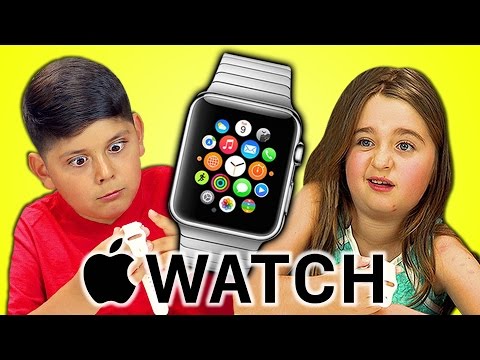
KIDS REACT TO APPLE WATCH
0
張寶敏 posted on 2015/05/05Get ready for some hilarious reactions as curious kids get their first look at the Apple Watch! You'll love hearing their surprised thoughts on notifications, price, and whether they can keep it, all while picking up simple, everyday English phrases.
Learn this video on the APP!
The VoiceTube App has more in-depth practice for videos!