
abbreviation
US /əˌbriviˈeʃən/
UK /əˌbri:viˈeɪʃn/
- Noun
- Shortened form of a word or phrase
C1TOEICMoread
US /æd/
UK /æd/
- Noun (Countable/Uncountable)
- Public notice or advertisement
C2TOEICMoreafford
US /əˈfɔrd, əˈford/
UK /ə'fɔ:d/
- Transitive Verb
- To make available, to provide
- To have enough money to pay for something
A2TOEICMoreafter all
US /ˈæftɚ ɔl/
UK /ˈɑ:ftə ɔ:l/
- Adverb
- In spite of what was expected; used to introduce a statement that supports a previous statement or explains why it was made
- Considering everything; used to indicate that something is happening or is true despite some difficulty or obstacle
- Phrase
- Despite what was expected or thought; in spite of everything.
- Taking everything into consideration; considering that.
B1Moreapartment
US /əˈpɑ:rtmənt/
UK /əˈpɑ:tmənt/
- Countable Noun
- Set of rooms to live in on one floor of a building
A2TOEICMoreassemble
US /əˈsɛmbəl/
UK /əˈsembl/
- Transitive Verb
- To put parts together to make a complete unit
- Verb (Transitive/Intransitive)
- To gather together in one place
B1TOEICMoreassembly
US /əˈsɛmbli/
UK /ə'semblɪ/
- Noun (Countable/Uncountable)
- Process of putting the parts of something together
- Group of people gathered for a purpose
B1TOEICMoreat a time
US /æt e taɪm/
UK /æt ə taim/
- Phrase
- Separately; one by one
- Simultaneously; together
A1Moreat night
US /æt naɪt/
UK /æt nait/
- Phrase
- During the night; in the nighttime.
A1Moreclassic
US / ˈklæsɪk/
UK /'klæsɪk/
- Adjective
- Having a simple, basic design or style
- (Of song, etc.) popular and famous for a long time
- Noun
- Something popular or famous for a long time
A2Morecome from
US /kʌm frʌm/
UK /kʌm frɔm/
- Phrasal Verb
- To have as your native country or city
A1Morecoming out with
US
UK
- Phrasal Verb
- To go out with someone on a date
A1Moreconstruction
US /kənˈstrʌkʃən/
UK /kən'strʌkʃn/
- Noun (Countable/Uncountable)
- Act of building something; thing that is built
- Something that is made using different parts
A2Morecurious
US /ˈkjʊriəs/
UK /ˈkjʊəriəs/
- Adjective
- Wanting to know more about something
- Attracting interest by being strange or unusual
A2Moredesire
US / dɪˈzaɪr/
UK /dɪ'zaɪə(r)/
- Transitive Verb
- To wish for, hope or want something
- Noun (Countable/Uncountable)
- Thing that is wished for or wanted
- A strong feeling of sexual wanting.
A2Moredisrespectful
US /ˌdɪsrɪˈspɛktfəl/
UK /ˌdɪsrɪ'spektfl/
- Adjective
- Rude and lacking respect
B1Moreearn
US /ɜ:rn/
UK /ɜ:n/
- Transitive Verb
- To deserve something because you worked for it
- To get money for work
A2TOEICMorefaceless
US /ˈfeslɪs/
UK /ˈfeɪsləs/
- Adjective
- Without an identity
B1Morefactory
US /ˈfæktəri/
UK /ˈfæktri/
- Countable Noun
- Building where things are made
A2TOEICMoreflair
US /fler/
UK /fleə(r)/
- Noun
- Natural ability to do something well
B2TOEICMorefor example
US
UK
- Phrase
- As an illustration or instance.
for sale
US /fɔr sel/
UK /fɔ: seil/
- Phrase
- (object) that people can buy
A2Moreglobalization
US /ˌgloʊbələˈzeɪʃn/
UK /ˌgləʊbəlaɪˈzeɪʃn/
- Noun (Countable/Uncountable)
- International spread of something, e.g. company
- The worldwide spread of culture, ideas, and technologies, influencing various aspects of life.
B1Morego back to
US /ɡo bæk tu/
UK /ɡəu bæk tu:/
- Phrasal Verb
- To return to a starting point
A1Morego out
US /ɡo aʊt/
UK /ɡəu aut/
- Phrase
- To leave a building (e.g. a house)
- Phrasal Verb
- (Of a fire) to burn out; be extinguished
- Go out of fashion to stop being fashionable
A1Moregoing on
US /ˈɡoɪŋ ɑn/
UK /ˈgəʊɪŋ ɔn/
- Phrasal Verb
- To continue doing something
- To happen (usually negative)
A1Moregot to
US /ɡɑt tu/
UK /gɔt tu:/
- Verb (Transitive/Intransitive)
- To arrive at some place
- To have the opportunity or permission to do something
- Phrasal Verb
- To appeal to the emotions of; move
- To finally begin to start something after a delay
A1Morehandbag
US /ˈhændˌbæɡ/
UK /ˈhændbæg/
- Countable Noun
- Personal bag for money, phone etc.
A2Morehanging out
US
UK
- Phrasal Verb
- To spend time with your friends
- To spend times with friends or relax doing nothing
A2Morehave to
US /hæv tu/
UK /ˈhæv tə/
- Auxiliary Verb
- Must do
A1Morein fact
US /ɪn fækt/
UK /in fækt/
- Adverb
- Used to emphasize the truth of a statement, especially one that contrasts with or contradicts something else.
- Used to introduce a more detailed or surprising piece of information.
- Phrase
- Used to emphasize the truth of a statement, especially one that is surprising or contrary to what might be expected.
C1Morein order to
US /ɪn ˈɔrdɚ tu/
UK /in ˈɔ:də tu:/
- Preposition
- For the purpose of; with the aim of.
- Phrase
- In a specific sequence or arrangement.
- With the aim of; for the purpose of.
C1Morein the future
US /ɪn ði ˈfjutʃɚ/
UK /in ðə ˈfju:tʃə/
- Phrase
- At a later time; in times to come.
A1Morein the world
US /ɪn ði wɜrld/
UK /in ðə wɜː(r)ld/
- Phrase
- Used to emphasize a question expressing surprise, confusion, disbelief
- Used to indicate the extent or degree of something, often in a superlative sense
A1Moreinterchangeable
US /ˌɪntɚˈtʃendʒəbəl/
UK /ˌɪntəˈtʃeɪndʒəbl/
- Adjective
- Able to be exchanged, without a problem
- So similar as to be capable of being exchanged or substituted; alike
B1TOEICMoreleather
US /ˈlɛðɚ/
UK /ˈleðə(r)/
- Uncountable Noun
- Chemically tanned animal skin, e.g. for shoes
A2TOEICMorelevel
US /ˈlɛvəl/
UK /'levl/
- Noun (Countable/Uncountable)
- Specific height of something
- Amount of ability you have compared to others
- Transitive Verb
- To aim a gun at someone
- To destroy a building; flatten an area completely
A2TOEICMorelook back
US /lʊk bæk/
UK /luk bæk/
- Phrasal Verb
- To think about past events
A1Moremake up
US /mek ʌp/
UK /meik ʌp/
- Phrasal Verb
- To invent or create a story
- To add up to
- Verb (Transitive/Intransitive)
- To invent a story, excuse, etc.
- To compensate for something lost, missed, or deficient.
A1Moremanufacturing
US /ˌmænjəˈfæktʃərɪŋ/
UK /ˌmænjuˈfæktʃərɪŋ/
- Transitive Verb
- To produce large numbers of products in a factory
- To create a story or explanation that is not true
- Uncountable Noun
- The act of making things in factories
- The industry or business of manufacturing goods.
A2Moremigrant
US /ˈmaɪɡrənt/
UK /ˈmaɪgrənt/
- Noun
- Person moving to live and work in another place
B2Moremove on
US /muv ɑn/
UK /mu:v ɔn/
- Phrasal Verb
- To decide to change or go to a different place
- To start talking about something different.
A1Moremuch about
US /mʌtʃ əˈbaʊt/
UK /mʌtʃ əˈbaut/
- Phrase
- A lot of information or knowledge concerning something.
- To a great extent or degree regarding something; caring.
A1Moremust learn
US
UK
- Modal Verb
- Expressing a strong obligation or necessity to acquire knowledge or a skill.
narrative
US /ˈnærətɪv/
UK /ˈnærətɪv/
- Noun (Countable/Uncountable)
- The telling of a story
- A spoken or written account of connected events; a story.
- Adjective
- Presented in the form of a story
B1Moreon the other hand
US
UK
- Phrase
- Considering a different aspect of the matter; alternatively.
A1Moreon the other side of
US /ɑn ði ˈʌðɚ ˈsaɪd ʌv/
UK /ɒn ði ˈʌðə ˈsaɪd ɒv/
- Preposition
- Located across something from a given point.
A2Moreopening up
US
UK
- Phrasal Verb
- Revealing one's thoughts and feelings; becoming more communicative.
- Creating new opportunities or possibilities.
B2Moreover time
US /ˈovɚ taɪm/
UK /ˈəuvə taim/
- Phrase
- Gradually; as time passes.
- During a long period.
- Adverb
- Gradually; as time passes.
B1Morepragmatic
US /præɡˈmætɪk/
UK /prægˈmætɪk/
- Adjective
- Dealing with problems reasonably and practically
B2Morepurse
US /pɚs/
UK /pɜ:s/
- Noun (Countable/Uncountable)
- Small bag for carrying money and other things
- Transitive Verb
- To make your lips into a kiss shape
A2TOEICMorerelationship
US /rɪˈleʃənˌʃɪp/
UK /rɪˈleɪʃnʃɪp/
- Noun (Countable/Uncountable)
- Connection between two or more people or things
- Way people interact or live with each other
A2TOEICMoresecond hand
US /ˈsɛkənd hænd/
UK /ˈsekənd hænd/
- Adverb
- (Of goods) already used
A1Moreshell out
US /ʃɛl aʊt/
UK /ʃel aut/
- Phrasal Verb
- To pay money, especially when the amount is large or considered too much.
A1Morespend
US /spɛnd/
UK /spend/
- Transitive Verb
- To use money to pay for something
- To use time in order to do something
A2TOEICMorestay in
US /ste ɪn/
UK /stei in/
- Phrasal Verb
- To remain inside one's home.
- Intransitive Verb
- To remain as an inpatient in a hospital.
thanks to
US /θæŋks tu/
UK /θæŋks tu:/
- Preposition
- Because of; as a result of.
A1Moreto no purpose
US /tu no ˈpɝpəs/
UK /tu nəu ˈpə:pəs/
- other
- Without success or without any useful result.
B2Moretough
US /tʌf/
UK /tʌf/
- Adjective
- (Of food) difficult to chew or bite through
- Very difficult to do or deal with
- Noun
- A rough and aggressive person.
A2Moreupward
US /ˈʌpwərd/
UK /ˈʌpwəd/
- Adjective
- Toward some higher point or position
B1Moreused to
US /juzd tu/
UK /ˈju:st tə/
- Adjective
- Did regularly before, but don't do now
- Auxiliary Verb
- Have done before, but do not do now
A1Morevillage
US /ˈvɪlɪdʒ/
UK /'vɪlɪdʒ/
- Noun
- Small town in the country
- A close-knit community or group of people.
A2Morework in
US /wɚk ɪn/
UK /wə:k in/
- Phrasal Verb
- To make an opening for something in your schedule
- To fit person/thing into a schedule or sequence
A1Moreworth
US /wɚθ/
UK /wɜ:θ/
- Noun (Countable/Uncountable)
- the financial, practical or moral value of somebody/something
- having a particular value, especially in money
- Adjective
- Having a specified value.
A2Moreyounger sister
US
UK
- Countable Noun
- A female sibling born after oneself.
A1More
Vocabulary
- in order to: For the purpose of; with the aim of.
- got to: To arrive at some place
- work in: To make an opening for something in your schedule
- for example: As an illustration or instance.
- move on: To decide to change or go to a different place
- after all: In spite of what was expected; used to introduce a statement that supports a previous statement or explains why it was made
- at a time: Separately; one by one
- on the other side of: Located across something from a given point.
- in fact: Used to emphasize the truth of a statement, especially one that contrasts with or contradicts something else.
- thanks to: Because of; as a result of.
- must learn: Expressing a strong obligation or necessity to acquire knowledge or a skill.
- in the future: At a later time; in times to come.
- on the other hand : Considering a different aspect of the matter; alternatively.
- shell out: To pay money, especially when the amount is large or considered too much.
- have to: Must do
- stay in: To remain inside one's home.
- for sale: (object) that people can buy
- coming out with: To go out with someone on a date
- younger sister: A female sibling born after oneself.
- second hand: (Of goods) already used
- look back: To think about past events
- to no purpose: Without success or without any useful result.
- make up: To invent or create a story
- used to: Did regularly before, but don't do now
- go back to: To return to a starting point
- opening up: Revealing one's thoughts and feelings; becoming more communicative.
- in the world: Used to emphasize a question expressing surprise, confusion, disbelief
- much about: A lot of information or knowledge concerning something.
- go out: To leave a building (e.g. a house)
- come from: To have as your native country or city
- at night: During the night; in the nighttime.
- over time: Gradually; as time passes.
- hanging out: To spend time with your friends
- going on: To continue doing something
- factory: Building where things are made
- money: Coins or notes we use to pay for things
- sister: Female you share a parent with
- city: Area with many buildings, roads and people
- young: At an early stage of existence; not mature
- world: All the humans, events, activities on the earth
- buy: To believe something; accept
- home: House, apartment or building to be rented or sold
- village: Small town in the country
- bag: Soft container to put things in and carry with you
- people: Persons sharing culture, country, background, etc.
- time: Speed at which music is played; tempo
- give: Degree of flexibility in something, a material
- learn: To get knowledge or skills by study or experience
- present: Being in attendance; being there; having turned up
- worker: Person who works
- handbag: Personal bag for money, phone etc.
- line: Border that divides two places or regions
- marry: To become the husband or wife of someone
- purse: Small bag for carrying money and other things
- leather: Chemically tanned animal skin, e.g. for shoes
- earn: To deserve something because you worked for it
- apartment: Set of rooms to live in on one floor of a building
- worried: Feeling troubled or concerned
- move: To cause someone to have certain emotions
- level: Specific height of something
- turn: To become (a particular age)
- spend: To use money to pay for something
- include: To make someone, something part of a group
- piece: A counter in a board game
- imagine: To think creatively about; form mental picture of
- product: Item that can be bought
- relationship: Connection between two or more people or things
- ad: Public notice or advertisement
- curious: Wanting to know more about something
- afford: To make available, to provide
- worth: the financial, practical or moral value of somebody/something
- globalization: International spread of something, e.g. company
- construction: Act of building something; thing that is built
- manufacturing: To produce large numbers of products in a factory
- desire: To wish for, hope or want something
- classic: Having a simple, basic design or style
- tough: (Of food) difficult to chew or bite through
- upward: Toward some higher point or position
- labor: To struggle to do something because it's difficult
- flair: Natural ability to do something well
- assembly: Process of putting the parts of something together
- assemble: To put parts together to make a complete unit
- disrespectful: Rude and lacking respect
- pragmatic: Dealing with problems reasonably and practically
- narrative: The telling of a story
- migrant: Person moving to live and work in another place
- xi: 11th letter of the Greek alphabet
- faceless: Without an identity
- interchangeable: Able to be exchanged, without a problem
- abbreviation: Shortened form of a word or phrase
Get the full experience in the app
Learn anywhere with detailed sentence and usage analysis
01:03
She took a brave step forward, leaving behind her comfort zone to chase her dreams.
Vocabulary
- brave
adj. Having courage
- comfort zone
phr. A familiar situation where one feels safe
Explanation
a brave step is a noun phrase, where brave is an adjective modifying the noun step, meaning "a courageous step".
forward is an adverb modifying step, meaning "ahead".
The whole phrase serves as the object, answering the "what" of took (verb) — she took a brave step forward.
Get the full experience in the app
Look up words anytime with pronunciation, part of speech, and usage
brave
US/brev/
UK/breɪv/
adj.Brave
v.t.To bravely face
A2 Elementary
Get the full experience in the app
Practice speaking anytime and get instant pronunciation feedback
Try this speaking exercise.
Try practicing with this sentence.
80
0
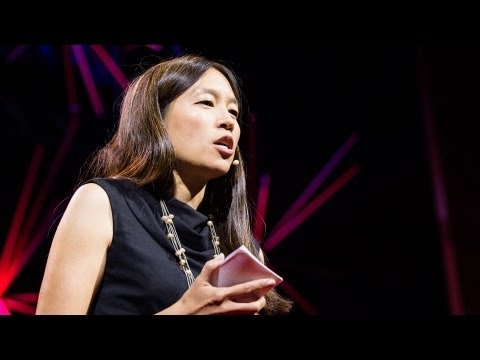
VoiceTube posted on 2013/04/14Ever wondered about the lives behind the products we use every day? This fascinating TED talk dives into the real experiences of China's factory workers, giving you a unique look at globalization and social mobility. You'll pick up advanced vocabulary and gain deep cultural insights while hearing directly from the workers themselves!
Learn this video on the APP!
The VoiceTube App has more in-depth practice for videos!