
above all
US /əˈbʌv ɔl/
UK /əˈbʌv ɔ:l/
- Phrase
- Most importantly; more than anything else.
A1Moreahead of time
US
UK
- Phrase
- Before the scheduled time; early.
A1Moreat a time
US /æt e taɪm/
UK /æt ə taim/
- Phrase
- Separately; one by one
- Simultaneously; together
A1Moreat least
US /æt list/
UK /æt li:st/
- Adverb
- As a minimum
- Not less than
- Phrase
- No less than; at the minimum
- Used to indicate that something is positive in a bad situation.
C2Moreat night
US /æt naɪt/
UK /æt nait/
- Phrase
- During the night; in the nighttime.
A1Moreat once
US /æt wʌns/
UK /æt wʌns/
- Adverb
- Immediately; without delay
- At the same time; simultaneously
A2Moreat scale
US
UK
- Phrase
- In large quantities; with significant reach or impact.
- Widely; extensively; with broad application.
A1Moreat that time
US /æt ðæt taɪm/
UK /æt ðæt taim/
- Phrase
- During a specific point in the past.
A1Moreat the end of the day
US
UK
- Phrase
- Ultimately; when everything else is considered.
- After a day's work or activities.
A1Moreat the same time
US
UK
- Phrase
- Simultaneously; at the identical moment.
- Nevertheless; however; used to introduce a contrasting or qualifying statement.
A1Moreat work
US /æt wɚk/
UK /æt wə:k/
- Phrase
- Located at one's place of employment
A1Moreback up
US /bæk ʌp/
UK /bæk ʌp/
- Phrasal Verb
- To save a copy of your computer data
- To confirm the truth of what someone says
A1Morebased on
US
UK
- Phrasal Verb
- To use something as the foundation or starting point for something else.
- Preposition
- Using something as the main idea or foundation.
- Relying on something as evidence or justification.
A1Morebring in
US /brɪŋ ɪn/
UK /briŋ in/
- Phrasal Verb
- To earn a certain amount of money or profits
- To add person into existing group, e.g. phone call
A1Morebring on
US /brɪŋ ɑn/
UK /briŋ ɔn/
- Phrasal Verb
- To cause to appear, e.g. onto a stage
A1Morebuild up
US /bɪld ʌp/
UK /bild ʌp/
- Phrasal Verb
- To increase the amount; collect something
- To develop or increase something in stages
- Verb (Transitive/Intransitive)
- To increase or develop something gradually.
- To praise or encourage someone.
A1Moreby any means
US
UK
- Phrase
- In any way possible, regardless of the method
- Whatever is necessary to achieve something.
A1Morecall up
US
UK
- Phrasal Verb
- To require someone to join the army
- To bring to your memory
A1Morecash out
US /kæʃ aʊt/
UK /kæʃ aut/
- Phrasal Verb
- To count the sales at the end of a business day
- To sell object, asset to get money
A2Morecheck into
US
UK
- Phrasal Verb
- To register at a hotel or similar establishment.
- To enter a hospital or clinic for treatment.
cobble together
US
UK
- Phrasal Verb
- To make something that works but imperfectly
B2Morecome from
US /kʌm frʌm/
UK /kʌm frɔm/
- Phrasal Verb
- To have as your native country or city
A1Morecome up
US /kʌm ʌp/
UK /kʌm ʌp/
- Phrasal Verb
- To come closer to someone; approach
- (Of sun) to rise into the sky in the morning
A1Moreconcerted effort
US /kənˈsɚtɪd ˈɛfət/
UK /kənˈsə:tid ˈefət/
- Noun
- An effort that is planned and organized; a joint effort.
B1Moredeal with
US /dil wɪð/
UK /di:l wið/
- Verb (Transitive/Intransitive)
- To buy or sell goods or services.
- Phrasal Verb
- To take action to solve a problem or manage a situation.
- To be about; concern.
A1Moredemand on
US
UK
- Noun
- A strong need or requirement that places a burden or strain.
B1Moredepending on
US
UK
- Phrasal Verb
- To rely on for support (financial or emotional)
- Influenced or determined by.
- Preposition
- Subject to; contingent on
- Relying on someone or something for support or assistance.
A2Moredo in
US
UK
- Phrasal Verb
- To make completely tired out and exhausted
- To destroy or cause damage to someone
A1Moredown the line
US /daʊn ði laɪn/
UK /daun ðə lain/
- Phrase
- At a later time; in the future.
- Completely; entirely; all the way.
- Adjective
- In agreement or accordance with something.
A1Moredown with
US /daʊn wɪð/
UK /daun wið/
- Adjective
- Suffering from an illness.
- Agreeable to; in favor of.
- Interjection
- An expression of opposition to something.
A1Moreend up with
US
UK
- Phrasal Verb
- To have something as a result.
A1Moreeven once
US
UK
- Phrase
- At least one time; even a single time.
- Used to emphasize the infrequency or absence of something.
A2Moreevery single night
US
UK
- Phrase
- Each and every night; without exception.
A1Moreexcited
US /ɪkˈsaɪtɪd/
UK /ɪkˈsaɪtɪd/
- Transitive Verb
- To make something or someone become more active
- To make someone feel happy, interested or eager
- Adjective
- Happy, interested or eager; enthusiastic
A2Moreexperience in
US
UK
- Phrase
- Knowledge or skill gained from doing something for a period of time.
- Exposure to or involvement in a particular activity or situation.
B1Morefeel like
US
UK
- Intransitive Verb
- To have a desire or inclination for something.
- To have a particular quality or sensation; resemble.
A1Morefigure out
US /ˈfɪɡjɚ aʊt/
UK /ˈfiɡə aut/
- Phrasal Verb
- To understand the behavior of someone
- To think through logically to find a solution
- Verb (Transitive/Intransitive)
- To understand or find an answer to something.
- To find a solution to a problem or understand something.
A1Morefinish off
US /ˈfɪnɪʃ ɔf/
UK /ˈfiniʃ ɔf/
- Phrasal Verb
- To complete the last part of something.
- To decisively defeat someone.
A2Morefit in
US /fɪt ɪn/
UK /fit in/
- Phrasal Verb
- To mix with others so you get on well with them
A2Morefor example
US
UK
- Phrase
- As an illustration or instance.
for sure
US /fɔr ʃʊr/
UK /fɔ: ʃuə/
- Adverb
- Definitely; certainly; without a doubt.
- Used to emphasize a statement.
- Interjection
- An expression of strong agreement or affirmation.
A2Morefor the rest
US /fɔr ði rɛst/
UK /fɔ: ðə rest/
- Phrase
- Concerning the remaining people or things.
- During the remaining part of a period of time.
A1Morefrom the start
US /frʌm ði stɑrt/
UK /frɔm ðə stɑ:t/
- Phrase
- From the very beginning; from the outset.
A1Moreget along
US /ɡɛt əˈlɔŋ/
UK /ɡet əˈlɔŋ/
- Phrasal Verb
- To have a friendly relationship with someone; like
- To manage with what you have, e.g. money
A1Moreget excited
US /ɡɛt ɪkˈsaɪtɪd/
UK /ɡet ɪkˈsaɪtɪd/
- Intransitive Verb
- To become enthusiastic or eager.
A1Moreget together
US /ɡɛt təˈɡɛðɚ/
UK /ɡet təˈɡeðə/
- Phrasal Verb
- To gather, or come together for some purpose
- To start a romantic relationship.
- Verb (Transitive/Intransitive)
- To meet for social or recreational purposes.
- To start a romantic relationship.
A1Moregive out
US /ɡɪv aʊt/
UK /ɡiv aut/
- Phrasal Verb
- To be used up; have nothing left; fail
- To publicly state something
A1Moregive up
US /ɡɪv ʌp/
UK /ɡiv ʌp/
- Phrasal Verb
- To lose hope or admit defeat
- To decide to not start to try solving a problem
- Verb Phrase
- to surrender an item; hand over an item
A1Morego for it
US /ɡo fɔr ɪt/
UK /ɡəu fɔ: it/
- Interjection
- An expression of encouragement or approval.
- Intransitive Verb
- To try to achieve something; to make an attempt.
A1Morego out
US /ɡo aʊt/
UK /ɡəu aut/
- Phrase
- To leave a building (e.g. a house)
- Phrasal Verb
- (Of a fire) to burn out; be extinguished
- Go out of fashion to stop being fashionable
A1Moregoing on
US /ˈɡoɪŋ ɑn/
UK /ˈgəʊɪŋ ɔn/
- Phrasal Verb
- To continue doing something
- To happen (usually negative)
A1Moregot to
US /ɡɑt tu/
UK /gɔt tu:/
- Verb (Transitive/Intransitive)
- To arrive at some place
- To have the opportunity or permission to do something
- Phrasal Verb
- To appeal to the emotions of; move
- To finally begin to start something after a delay
A1Morehang around
US /hæŋ əˈraʊnd/
UK /hæŋ əˈraund/
- Phrasal Verb
- To spend time with someone
A2Morehave to
US /hæv tu/
UK /ˈhæv tə/
- Auxiliary Verb
- Must do
A1Morehit upon
US /hɪt əˈpɑn/
UK /hit əˈpɔn/
- Phrasal Verb
- To discover an idea, etc. by chance
- To meet someone unexpectedly.
A1Morehone in
US
UK
- Phrasal Verb
- To focus attention on something; to direct effort towards a specific goal.
in a series
US
UK
- Phrase
- Arranged or happening one after another.
- Occurring sequentially or in a specific order.
B1Morein all honesty
US
UK
- Phrase
- Speaking truthfully and sincerely; frankly.
in competition
US /ɪn ˌkɑmpəˈtɪʃən/
UK /in ˌkɒmpəˈtiʃən/
- other
- Taking part in a contest or rivalry.
B1Morein different ways
US
UK
- Phrase
- Using various methods or approaches; with variety.
- In varying manners or styles; not uniformly.
A1Morein fact
US /ɪn fækt/
UK /in fækt/
- Adverb
- Used to emphasize the truth of a statement, especially one that contrasts with or contradicts something else.
- Used to introduce a more detailed or surprising piece of information.
- Phrase
- Used to emphasize the truth of a statement, especially one that is surprising or contrary to what might be expected.
C1Morein itself
US /ɪn ɪtˈsɛlf/
UK /in itˈself/
- Phrase
- Considered alone or without reference to anything else; intrinsically.
- Essentially; by its very nature.
in love with
US //ɪn lʌv wɪð//
UK
- Adjective
- Feeling romantic love for someone.
- Extremely enthusiastic about or fond of something.
A1Morein mind
US /ɪn maɪnd/
UK /in maind/
- Phrase
- Being aware of or considering something.
- To remember or consider something.
A2Morein on
US
UK
- Phrase
- To be involved in a secret or plan.
- To be aware of something that is secret or not generally known.
A1Morein order to
US /ɪn ˈɔrdɚ tu/
UK /in ˈɔ:də tu:/
- Preposition
- For the purpose of; with the aim of.
- Phrase
- In a specific sequence or arrangement.
- With the aim of; for the purpose of.
C1Morein retrospect
US /ɪn ˈrɛtrəˌspɛkt/
UK /in ˈretrəspekt/
- Uncountable Noun
- Thinking back on what happened
C1Morein school
US /ɪn skul/
UK /ɪn sku:l/
- other
- Attending an educational institution.
A1Morein terms of
US
UK
- Phrase
- With regard to; concerning a particular aspect.
A1Morein the end
US /ɪn ði ɛnd/
UK /in ðə end/
- Phrase
- Finally; after a period of time or series of events.
- Ultimately; as the final result or consequence.
A1Morein the face of
US //ɪn ðə feɪs ɑv//
UK
- Phrase
- When confronted with something difficult or challenging.
- Despite; in defiance of; when confronted with.
A1Morein the future
US /ɪn ði ˈfjutʃɚ/
UK /in ðə ˈfju:tʃə/
- Phrase
- At a later time; in times to come.
A1Morein the middle of
US
UK
- Phrase
- In the central part or point of something.
- Engaged or occupied with something.
A2Morein the past
US
UK
- Phrase
- During a former period of time; previously.
A1Morein the way
US /ɪn ði we/
UK /in ðə wei/
- Phrase
- Obstructing someone or something; hindering progress.
- Stored or placed so as to be available or ready when needed.
A1Morein the world
US /ɪn ði wɜrld/
UK /in ðə wɜː(r)ld/
- Phrase
- Used to emphasize a question expressing surprise, confusion, disbelief
- Used to indicate the extent or degree of something, often in a superlative sense
A1Morein touch
US /ɪn tʌtʃ/
UK /in tʌtʃ/
- Adjective
- Having contact or communication with someone.
- Aware of or informed about something.
B1Moreinstead of
US /ɪnˈstɛd ʌv/
UK /inˈsted ɔv/
- Preposition
- When one thing is replaced by another
- Adverb
- As a substitute or alternative.
A1Morelatch onto
US
UK
- Phrasal Verb
- To understand something, often after a period of confusion.
- To attach oneself to someone or something; to cling to.
A1Morelight on
US /laɪt ɑn/
UK /lait ɔn/
- Phrasal Verb
- To illuminate something.
- To discover something unexpectedly.
- Adjective
- Gentle or delicate in the use of something.
A1Morelittle bit crazy
US
UK
- Phrase
- Slightly mad or eccentric; somewhat irrational.
look at
US /lʊk æt/
UK /luk æt/
- Phrasal Verb
- To use your eyes to focus on something
- To focus your eyes on something carefully
A1Morelook back
US /lʊk bæk/
UK /luk bæk/
- Phrasal Verb
- To think about past events
A1Morelook for
US /lʊk fɔr/
UK /luk fɔ:/
- Phrasal Verb
- To try to find a thing or person that is lost
- To expect or anticipate something.
A1Moremeet up
US /mit ʌp/
UK /mi:t ʌp/
- Phrasal Verb
- To arrange to meet someone.
A1Moremeet with
US /mit wɪð/
UK /mi:t wið/
- Phrasal Verb
- To have a meeting with someone in order to discuss something.
- To encounter or experience something, often something negative.
name names
US /neɪm neɪmz/
UK /neɪm neɪmz/
- other
- To identify or report specific people, often in a sensitive context.
C1Morenext to
US /nɛkst tu/
UK /nekst tu:/
- Preposition
- Being located along side another
- In comparison with
- Adverb
- Almost; nearly
A1Moreno matter
US
UK
- Conjunction
- Regardless of; it does not matter.
- Adverb
- Regardless of; it is not important
A1Morenot necessary
US
UK
- Adjective
- Not required; not needed.
- Phrase
- Optional; not compulsory.
- Avoidable; not inevitable.
B1Moreof a sudden
US
UK
- Phrase
- Quickly and unexpectedly; suddenly.
B2Moreof course
US /ʌv kɔː(r)s/
UK /ɔv kɔː(r)s/
- Adverb
- Sure ; Certainly
- Phrase
- For sure; certainly
A2Moreof late
US
UK
- Phrase
- Recently; lately.
A1Moreoff the cuff
US /ɔf ði kʌf/
UK /ɔf ðə kʌf/
- Adverb
- Without preparation or advance thought; extemporaneously.
off the ground
US /ɔf ði ɡraʊnd/
UK /ɔf ðə ɡraund/
- Phrase
- Having started or begun to operate or succeed.
- Airborne; having left the ground.
A1Moreon a daily basis
US
UK
- Phrase
- Happening every day.
A1Moreon a shoestring
US /ɑn ə ˈʃustrɪŋ/
UK /ɒn ə ˈʃu:striŋ/
- other
- Doing something with very little money.
B2Moreon the internet
US
UK
- Phrase
- Located or available on the internet.
- Using the internet as a medium or platform.
A1Moreon the job
US /ɑn ði dʒɑb/
UK /ɔn ðə dʒɔb/
- Phrase
- While working; during the course of employment.
A1Moreon the phone
US
UK
- Phrase
- Talking on the telephone.
- Adjective
- Using a phone, especially a mobile phone.
A1Moreon to
US /ɑn tu/
UK /ɔn tu:/
- Preposition
- Toward something; forward
- Aware of someone's activities.
- Adjective
- Aware of someone's deception or illegal activities.
A1Moreout of it
US /aʊt ʌv ɪt/
UK /aut ɔv it/
- Adjective
- Unconscious or not completely alert; dazed or confused.
- Not able to think clearly or react quickly; not with it.
A1Moreout of the way
US /aʊt ʌv ði we/
UK /aut ɔv ðə wei/
- Adjective
- Remote; isolated.
- No longer obstructing or hindering.
- Phrase
- Not obstructing or impeding progress; in a position where one does not cause an obstruction.
- Completed; finished; no longer needing attention.
B1Moreout there
US /aʊt ðɛr/
UK /aut ðɛə/
- Adverb
- In or to a place that is far away
- Existing in the universe
- Adjective
- Unconventional; strange; avant-garde
- Existing or available.
A1Moreoutside of
US /aʊtˈsaɪd ʌv/
UK /ˌautˈsaid ɔv/
- Preposition
- Located or situated beyond the boundaries or confines of something.
- Beyond the scope, range, or limits of something.
A1Moreover time
US /ˈovɚ taɪm/
UK /ˈəuvə taim/
- Phrase
- Gradually; as time passes.
- During a long period.
- Adverb
- Gradually; as time passes.
B1Morepress on
US /prɛs ɑn/
UK /pres ɔn/
- Phrasal Verb
- To continue doing something in a determined way; to persevere.
B1Moreproud of you
US
UK
- Phrase
- Feeling pleased and satisfied about something you own or have done, or are connected to.
B1Moreprove out
US
UK
- Phrasal Verb
- To test something in a practical way to see if it works or is effective.
A1Moreput out
US /pʊt aʊt/
UK /put aut/
- Phrasal Verb
- To publish, e.g. a book
- To cause someone to be troubled or inconvenienced
A1Morerather than
US
UK
- Adverb
- More exactly; more correctly
- Preferably; instead
- Preposition
- Instead of
A1Morerelationship
US /rɪˈleʃənˌʃɪp/
UK /rɪˈleɪʃnʃɪp/
- Noun (Countable/Uncountable)
- Connection between two or more people or things
- Way people interact or live with each other
A2TOEICMorerun by
US
UK
- Phrasal Verb
- To be managed or controlled by someone or a group.
- To show or tell something to someone briefly to get their opinion or approval.
A1Moresame time
US
UK
- Phrase
- Occurring simultaneously or at the same point in time.
- At the identical time as before; recurring at a fixed hour.
- Noun
- An equal duration or period.
A1Moresee it through
US
UK
- Phrasal Verb
- To continue until the end of a difficult or important task, project, or situation.
A1Moreseek out
US /sik aʊt/
UK /si:k aut/
- Phrasal Verb
- To look for and find someone or something, especially when it is not easy to find.
B2Moreset up
US /sɛt ʌp/
UK /set ʌp/
- Phrasal Verb
- To make arrangements for something; establish
- Verb (Transitive/Intransitive)
- To arrange or prepare something for use.
- To start a business, organization, etc.
A1Moreshare out
US /ʃɛr aʊt/
UK /ʃeə aʊt/
- other
- To divide and distribute parts to each person.
B1Moreshying away
US
UK
- Phrasal Verb
- To avoid something because of nervousness or a lack of confidence.
A2Moresit down
US /sit daʊn/
UK /sit daun/
- Phrasal Verb
- To take a seat
A1Moresize down
US /saɪz daʊn/
UK /saɪz daun/
- other
- To reduce the size or scale of something.
B1Moresplit up
US /splɪt ʌp/
UK /split ʌp/
- Phrasal Verb
- To break up your marriage or relationship
- To divide something into smaller parts.
- Noun
- A termination of a romantic relationship
A2Morestart off
US /stɑrt ɔf/
UK /stɑ:t ɔf/
- Phrasal Verb
- To begin or commence something.
- To begin a journey.
B2Morestart out
US /stɑrt aʊt/
UK /stɑ:t aut/
- Phrasal Verb
- To begin your life or career in a particular way.
- To begin a journey.
A1Morestay the course
US
UK
- Intransitive Verb
- To continue doing something until it is finished, even if it is difficult.
A1Morestep back
US /stɛp bæk/
UK /step bæk/
- Phrasal Verb
- To move backwards; to move away from something.
- To take a break from something; to gain perspective.
A1Morestuff
US /stʌf/
UK /stʌf/
- Uncountable Noun
- Generic description for things, materials, objects
- Transitive Verb
- To push material inside something, with force
B1Moresum up
US
UK
- Phrase
- Phrasal Verb
- To state the main points of (something) in a concise way.
A2Moreswitch off
US /swɪtʃ ɔf/
UK /switʃ ɔf/
- Phrase
- Phrasal Verb
- To stop a machine, light, etc. working by pressing a button or switch
- To stop paying attention to someone or something
A2Moretake off
US /tek ɔf/
UK /teik ɔf/
- Phrasal Verb
- To remove, e.g. your clothes
- To make arrangements to be absent from work
- Verb (Transitive/Intransitive)
- To remove (an item of clothing).
- To depart; to leave.
A1Moretalking about
US
UK
- Phrasal Verb
- To discuss a particular topic.
- To be constantly mentioning or bringing up a subject.
A1Moreteam building
US
UK
- Noun (Countable/Uncountable)
- The action or process of causing a team to work together more effectively.
- A management strategy focused on improving team performance and cohesion.
A2Morethink about
US /θɪŋk əˈbaʊt/
UK /θiŋk əˈbaut/
- Phrasal Verb
- To consider something carefully.
- To remember or call to mind.
A1Morethink of
US /θɪŋk ʌv/
UK /θiŋk ɔv/
- Phrasal Verb
- To look on as (being something specific); consider
- To consider or remember something.
- Verb (Transitive/Intransitive)
- To imagine or call something to mind
A1Moretime out
US /taɪm aʊt/
UK /taim aut/
- Noun
- A brief suspension of activity; a pause.
- A period of isolation as a form of discipline.
- Verb (Transitive/Intransitive)
- To call a temporary suspension of play in a game.
A1Moretip of the iceberg
US /ˈtɪp əv ði ˈaɪsbɚg/
UK /ˈtip əv ðə ˈaɪsbə:g/
- other
- A small visible part of a much larger problem.
B2Moreto let
US /tu lɛt/
UK /tu let/
- Preposition
- Indicates that a property is available for rent.
A2Moreto scale
US
UK
- Phrase
- In proportion; maintaining accurate relative dimensions.
- Verb (Transitive/Intransitive)
- To increase or expand proportionally.
- To climb or ascend.
B2Moreused to
US /juzd tu/
UK /ˈju:st tə/
- Adjective
- Did regularly before, but don't do now
- Auxiliary Verb
- Have done before, but do not do now
A1Morevery much so
US
UK
- Phrase
- To a great extent; indeed
- Used to emphasize a previous statement
A2Morewake up
US /wek ʌp/
UK /weik ʌp/
- Phrasal Verb
- To stop sleeping
- To become fully aware and alert to a situation.
A1Morewind down
US /wɪnd daʊn/
UK /wind daun/
- Phrasal Verb
- To become quiet or calm, after activity
A1Morewith it
US /wɪð ɪt/
UK /wið it/
- Adjective
- Intelligent, alert, and up-to-date.
- Understanding and knowledgeable about current trends or information.
A1Morework at
US /wɚk æt/
UK /wə:k æt/
- Phrasal Verb
- To have a job at a particular place or organization.
- To make an effort to improve something.
A1Morework in
US /wɚk ɪn/
UK /wə:k in/
- Phrasal Verb
- To make an opening for something in your schedule
- To fit person/thing into a schedule or sequence
A1Morework on
US /wɚk ɑn/
UK /wə:k ɔn/
- Phrasal Verb
- To devote effort to improve or develop something
- To try to persuade or influence someone.
A1Morework through
US
UK
- Phrasal Verb
- To deal with something systematically until it is completed
- To deal with a problem or difficult situation.
work together
US /wɚk təˈɡɛðɚ/
UK /wə:k təˈɡeðə/
- Verb (Transitive/Intransitive)
- To collaborate or cooperate with others to achieve a common goal.
A1More
Vocabulary
- have to: Must do
- think about: To consider something carefully.
- work on: To devote effort to improve or develop something
- out there: In or to a place that is far away
- feel like: To have a desire or inclination for something.
- at the same time: Simultaneously; at the identical moment.
- same time: Occurring simultaneously or at the same point in time.
- deal with
- wake up: To stop sleeping
- off the ground: Having started or begun to operate or succeed.
- figure out: To understand the behavior of someone
- at least: As a minimum
- get along: To have a friendly relationship with someone; like
- in terms of
- for example: As an illustration or instance.
- give up: To lose hope or admit defeat
- get excited: To become enthusiastic or eager.
- come from: To have as your native country or city
- of course: Sure ; Certainly
- of a sudden: Quickly and unexpectedly; suddenly.
- next to: Being located along side another
- in on: To be involved in a secret or plan.
- at the end of the day: Ultimately; when everything else is considered.
- in the world: Used to emphasize a question expressing surprise, confusion, disbelief
- in order to: For the purpose of; with the aim of.
- outside of: Located or situated beyond the boundaries or confines of something.
- end up with: To have something as a result.
- think of: To look on as (being something specific); consider
- in the way: Obstructing someone or something; hindering progress.
- experience in: Knowledge or skill gained from doing something for a period of time.
- on a daily basis: Happening every day.
- rather than: More exactly; more correctly
- in the end: Finally; after a period of time or series of events.
- by any means: In any way possible, regardless of the method
- do in: To make completely tired out and exhausted
- for the rest: Concerning the remaining people or things.
- to scale: In proportion; maintaining accurate relative dimensions.
- ahead of time: Before the scheduled time; early.
- on the phone: Talking on the telephone.
- look for: To try to find a thing or person that is lost
- at once: Immediately; without delay
- talking about: To discuss a particular topic.
- in mind: Being aware of or considering something.
- in the future: At a later time; in times to come.
- bring in: To earn a certain amount of money or profits
- look at: To use your eyes to focus on something
- in retrospect: Thinking back on what happened
- got to: To arrive at some place
- bring on: To cause to appear, e.g. onto a stage
- no matter: Regardless of; it does not matter.
- above all: Most importantly; more than anything else.
- go out: To leave a building (e.g. a house)
- used to: Did regularly before, but don't do now
- sit down: To take a seat
- on to: Toward something; forward
- get together: To gather, or come together for some purpose
- work at: To have a job at a particular place or organization.
- in the past: During a former period of time; previously.
- light on: To illuminate something.
- check into: To register at a hotel or similar establishment.
- latch onto: To understand something, often after a period of confusion.
- on the job: While working; during the course of employment.
- in the face of: When confronted with something difficult or challenging.
- stay the course: To continue doing something until it is finished, even if it is difficult.
- see it through: To continue until the end of a difficult or important task, project, or situation.
- at a time: Separately; one by one
- switch off
- sum up
- depending on: To rely on for support (financial or emotional)
- work in: To make an opening for something in your schedule
- hang around: To spend time with someone
- step back: To move backwards; to move away from something.
- in school: Attending an educational institution.
- look back: To think about past events
- work through: To deal with something systematically until it is completed
- demand on: A strong need or requirement that places a burden or strain.
- out of the way: Remote; isolated.
- of late: Recently; lately.
- shying away: To avoid something because of nervousness or a lack of confidence.
- down the line: At a later time; in the future.
- at that time: During a specific point in the past.
- in touch: Having contact or communication with someone.
- call up: To require someone to join the army
- back up: To save a copy of your computer data
- size down: To reduce the size or scale of something.
- share out: To divide and distribute parts to each person.
- hone in: To focus attention on something; to direct effort towards a specific goal.
- at scale: In large quantities; with significant reach or impact.
- in itself: Considered alone or without reference to anything else; intrinsically.
- put out: To publish, e.g. a book
- start off: To begin or commence something.
- from the start: From the very beginning; from the outset.
- meet with: To have a meeting with someone in order to discuss something.
- seek out: To look for and find someone or something, especially when it is not easy to find.
- instead of: When one thing is replaced by another
- in a series: Arranged or happening one after another.
- on a shoestring: Doing something with very little money.
- team building: The action or process of causing a team to work together more effectively.
- set up
- wind down: To become quiet or calm, after activity
- build up: To increase the amount; collect something
- out of it: Unconscious or not completely alert; dazed or confused.
- very much so: To a great extent; indeed
- hit upon: To discover an idea, etc. by chance
- even once: At least one time; even a single time.
- tip of the iceberg: A small visible part of a much larger problem.
- in different ways: Using various methods or approaches; with variety.
- give out: To be used up; have nothing left; fail
- in the middle of: In the central part or point of something.
- over time: Gradually; as time passes.
- proud of you: Feeling pleased and satisfied about something you own or have done, or are connected to.
- in fact: Used to emphasize the truth of a statement, especially one that contrasts with or contradicts something else.
- start out: To begin your life or career in a particular way.
- come up: To come closer to someone; approach
- to let: Indicates that a property is available for rent.
- work together: To collaborate or cooperate with others to achieve a common goal.
- cash out: To count the sales at the end of a business day
- going on: To continue doing something
- finish off: To complete the last part of something.
- run by: To be managed or controlled by someone or a group.
- with it: Intelligent, alert, and up-to-date.
- press on: To continue doing something in a determined way; to persevere.
- fit in: To mix with others so you get on well with them
- every single night: Each and every night; without exception.
- concerted effort: An effort that is planned and organized; a joint effort.
- at work: Located at one's place of employment
- little bit crazy: Slightly mad or eccentric; somewhat irrational.
- meet up: To arrange to meet someone.
- split up: To break up your marriage or relationship
- based on: To use something as the foundation or starting point for something else.
- down with: Suffering from an illness.
- name names: To identify or report specific people, often in a sensitive context.
- on the internet: Located or available on the internet.
- for sure: Definitely; certainly; without a doubt.
- at night: During the night; in the nighttime.
- not necessary: Not required; not needed.
- in all honesty: Speaking truthfully and sincerely; frankly.
- go for it: An expression of encouragement or approval.
- prove out: To test something in a practical way to see if it works or is effective.
- time out: A brief suspension of activity; a pause.
- take off: To remove, e.g. your clothes
- in love with: Feeling romantic love for someone.
- cobble together: To make something that works but imperfectly
- off the cuff: Without preparation or advance thought; extemporaneously.
- in competition: Taking part in a contest or rivalry.
- stuff: Generic description for things, materials, objects
- experience: Thing a person has done or that happened to them
- time: Speed at which music is played; tempo
- people: Persons sharing culture, country, background, etc.
- relationship: Connection between two or more people or things
- work: The product of some artistic or literary endeavor
- start: First time or place that a thing exists; beginning
- question: To ask for or try to get information
- company: Good feeling from being with someone else
- day: A period of 24 hours beginning at midnight
- build: Your physical shape; physique
- remember: To give someone a gift, e.g. birthday, wedding
- lot: What happens to a person in life from chance; fate
- product: Item that can be bought
- excited: To make something or someone become more active
Get the full experience in the app
Learn anywhere with detailed sentence and usage analysis
01:03
She took a brave step forward, leaving behind her comfort zone to chase her dreams.
Vocabulary
- brave
adj. Having courage
- comfort zone
phr. A familiar situation where one feels safe
Explanation
a brave step is a noun phrase, where brave is an adjective modifying the noun step, meaning "a courageous step".
forward is an adverb modifying step, meaning "ahead".
The whole phrase serves as the object, answering the "what" of took (verb) — she took a brave step forward.
Get the full experience in the app
Look up words anytime with pronunciation, part of speech, and usage
brave
US/brev/
UK/breɪv/
adj.Brave
v.t.To bravely face
A2 Elementary
Get the full experience in the app
Practice speaking anytime and get instant pronunciation feedback
Try this speaking exercise.
Try practicing with this sentence.
80
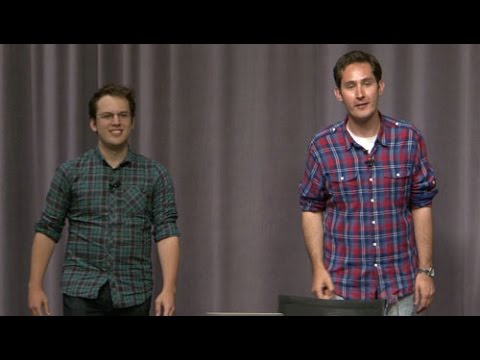
Kevin Systrom: From Stanford to Startup [Entire Talk]
0
VoiceTube posted on 2012/12/27Ever wondered how Instagram went from a Stanford idea to a global phenomenon? Dive into Kevin Systrom's entire talk to uncover the secrets behind startup success, from building your MVP to finding that crucial product-market fit! You'll pick up tons of advanced vocabulary and practical workplace phrases along the way.
Learn this video on the APP!
The VoiceTube App has more in-depth practice for videos!