
at least
US /æt list/
UK /æt li:st/
- Adverb
- As a minimum
- Not less than
- Phrase
- No less than; at the minimum
- Used to indicate that something is positive in a bad situation.
C2Moreat night
US /æt naɪt/
UK /æt nait/
- Phrase
- During the night; in the nighttime.
A1Moreback then
US
UK
- Phrase
- At that time in the past.
A1Morebreast
US /brɛst/
UK /brest/
- Countable Noun
- Fleshy part of a woman's body for feeding babies
- (Poetic) upper front part of the body; the heart
B1Moreclinical
US /ˈklɪnɪkəl/
UK /ˈklɪnɪkl/
- Adjective
- Concerning the treatment or observing patients
- Using scientific techniques and precision
B1Morecompared with
US /kəmˈpɛrd wɪð/
UK /kəmˈpeəd wið/
- Preposition
- In relation to
- Verb (Transitive/Intransitive)
- To have examined the differences or similarities between two or more things.
A1Moreconnected with
US
UK
- Phrase
- Related to; associated with.
- Involved with; having a relationship with.
- Phrasal Verb
- Was associated or linked to someone or something.
- Felt understanding or empathy with someone or something.
B1Moredepression
US /dɪˈprɛʃən/
UK /dɪ'preʃn/
- Noun (Countable/Uncountable)
- Medical condition of a lack of vitality
- Period of unemployment and low economic activity
B2Moredisease
US /dɪˈziz/
UK /dɪˈzi:z/
- Noun (Countable/Uncountable)
- Illness that affects a person, animal, or plant
- A disorder of structure or function in a plant, especially one caused by a pathogen.
- Transitive Verb
- To affect with disease; to corrupt or sicken.
A2TOEICMorefound out
US
UK
- Phrasal Verb
- To learn or discover something, often after some effort.
- To become known; be revealed.
B2Morego back to
US /ɡo bæk tu/
UK /ɡəu bæk tu:/
- Phrasal Verb
- To return to a starting point
A1Morehave to
US /hæv tu/
UK /ˈhæv tə/
- Auxiliary Verb
- Must do
A1Morehome in
US /ˈhoʊm ɪn/
UK /ˈhəum ɪn/
- other
- Move or direct toward a specific target or goal.
B2Morein the world
US /ɪn ði wɜrld/
UK /in ðə wɜː(r)ld/
- Phrase
- Used to emphasize a question expressing surprise, confusion, disbelief
- Used to indicate the extent or degree of something, often in a superlative sense
A1Morelook at
US /lʊk æt/
UK /luk æt/
- Phrasal Verb
- To use your eyes to focus on something
- To focus your eyes on something carefully
A1Morelung
US /lʌŋ/
UK /lʌŋ/
- Noun
- One of the two organs we use to breathe
B1Moreoccur
US /əˈkɚ/
UK /əˈkɜ:(r)/
- Intransitive Verb
- To come to pass or to happen
- To be found to exist; to be present.
A2TOEICMoreon the verge of
US /ɑn ði vɚdʒ ʌv/
UK /ɔn ðə və:dʒ ɔv/
- Phrase
- Very near to doing or experiencing something.
A1Moreover time
US /ˈovɚ taɪm/
UK /ˈəuvə taim/
- Phrase
- Gradually; as time passes.
- During a long period.
- Adverb
- Gradually; as time passes.
B1Morepercent
US /pɚˈsɛnt/
UK /pə'sent/
- Adverb
- One one-hundredth of a whole; the symbol %
- Noun (Countable/Uncountable)
- A proportion multiplied by 100
- A specified amount in every hundred
A2TOEICMorestop working
US
UK
- Phrase
- To cease performing a task or function; to become non-operational.
A1Morethink about
US /θɪŋk əˈbaʊt/
UK /θiŋk əˈbaut/
- Phrasal Verb
- To consider something carefully.
- To remember or call to mind.
A1Moretreatment
US /ˈtritmənt/
UK /ˈtri:tmənt/
- Noun (Countable/Uncountable)
- Medicine or method to make someone healthier
- Way someone acts toward another
A2TOEICMorewith just
US
UK
- Phrase
- Using only; with no more than.
- Barely; by a narrow margin.
A2More
Vocabulary
- look at: To use your eyes to focus on something
- have to: Must do
- compared with: In relation to
- over time: Gradually; as time passes.
- home in: Move or direct toward a specific target or goal.
- with just: Using only; with no more than.
- at night: During the night; in the nighttime.
- back then: At that time in the past.
- stop working: To cease performing a task or function; to become non-operational.
- found out: To learn or discover something, often after some effort.
- go back to: To return to a starting point
- in the world: Used to emphasize a question expressing surprise, confusion, disbelief
- connected with: Related to; associated with.
- on the verge of: Very near to doing or experiencing something.
- think about: To consider something carefully.
- at least: As a minimum
- improve: To make, or become, something better
- depression: Medical condition of a lack of vitality
- disease: Illness that affects a person, animal, or plant
- question: To ask for or try to get information
- important: Having power or authority
- occur: To come to pass or to happen
- today: This day; day that is happening now
- breast: Fleshy part of a woman's body for feeding babies
- heart: A feeling of care for others; compassion
- treatment: Medicine or method to make someone healthier
- man: Humans in general, including male and female
- health: (Person, company) being in a good condition; well
- percent: One one-hundredth of a whole; the symbol %
- clinical: Concerning the treatment or observing patients
- lung: One of the two organs we use to breathe
Get the full experience in the app
Learn anywhere with detailed sentence and usage analysis
01:03
She took a brave step forward, leaving behind her comfort zone to chase her dreams.
Vocabulary
- brave
adj. Having courage
- comfort zone
phr. A familiar situation where one feels safe
Explanation
a brave step is a noun phrase, where brave is an adjective modifying the noun step, meaning "a courageous step".
forward is an adverb modifying step, meaning "ahead".
The whole phrase serves as the object, answering the "what" of took (verb) — she took a brave step forward.
Get the full experience in the app
Look up words anytime with pronunciation, part of speech, and usage
brave
US/brev/
UK/breɪv/
adj.Brave
v.t.To bravely face
A2 Elementary
Get the full experience in the app
Practice speaking anytime and get instant pronunciation feedback
Try this speaking exercise.
Try practicing with this sentence.
80
0
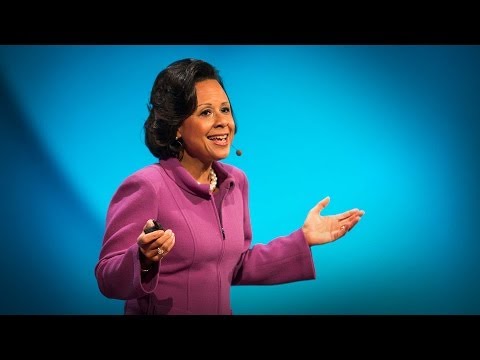
CUChou posted on 2015/04/02Ever wondered why women's health research has been historically overlooked? Paula Johnson shares a powerful personal story and crucial insights into sex differences in diseases like heart disease and depression, highlighting how this gap impacts us all. You'll pick up advanced vocabulary related to health and research while gaining a deeper understanding of health equity!
Learn this video on the APP!
The VoiceTube App has more in-depth practice for videos!