
around the world
US /əˈraʊnd ði wɜrld/
UK /əˈraund ðə wɜː(r)ld/
- Phrase
- In or to many countries.
- In various places throughout the world.
A2Moreat least
US /æt list/
UK /æt li:st/
- Adverb
- As a minimum
- Not less than
- Phrase
- No less than; at the minimum
- Used to indicate that something is positive in a bad situation.
C2Morebest known
US
UK
- Adjective
- Most widely or popularly recognized, famous, or familiar.
A1Morecontrary to
US /ˈkɑnˌtrɛri tu/
UK /ˈkɔntrəri tu:/
- Preposition
- In opposition to; against.
- Differing from; not in agreement with.
A1Moreevolved
US /ɪ'vɒlvd/
UK /ɪ'vɒlvd/
- Verb (Transitive/Intransitive)
- To develop certain features
- To slowly change or develop into something better
- Adjective
- Highly developed; advanced.
B1Morefor example
US
UK
- Phrase
- As an illustration or instance.
for someone
US /fɚ ˈsʌmwʌn/
UK /fə ˈsʌmwʌn/
- other
- On behalf of or intended for a particular person.
A1Morein Dutch
US /ɪn dʌtʃ/
UK /in dʌtʃ/
- other
- In trouble or disfavor with someone.
B2Morein green
US /ɪn ɡrin/
UK /ɪn ɡri:n/
- other
- Located in or surrounded by green plants or fields.
B2Morein particular
US /ɪn pɚˈtɪkjəlɚ/
UK /in pəˈtikjulə/
- Phrase
- Specifically; especially.
- Detailed or precise.
A1Morein red
US /ɪn rɛd/
UK /in red/
- Phrase
- Marked or written using the colour red.
- Adjective
- Operating at a financial loss; in debt.
in turn
US
UK
- Adverb
- One after the other in a sequence or rotation.
A1Moreleave out
US /liv aʊt/
UK /li:v aut/
- Phrasal Verb
- To forget; omit
A1Morelighten the mood
US
UK
- Verb (Transitive/Intransitive)
- To make the atmosphere or situation less serious or tense.
A1Moremagnetic
US /mæɡˈnɛtɪk/
UK /mægˈnetɪk/
- Adjective
- Having the properties of a magnet; able to attract
- Having great power to attract attention, interest
B2Morenext door
US /nɛkst dɔr/
UK /nekst dɔ:/
- Adverb
- Living in the house next to the one mentioned
A1Moreno matter
US
UK
- Conjunction
- Regardless of; it does not matter.
- Adverb
- Regardless of; it is not important
A1Morenorthern
US
UK
- Adjective
- In or toward the north
- Coming from the north.
- Noun
- A person who comes from the north.
- The Aurora Borealis.
B1Morenot surprisingly
US
UK
- Phrase
- In a way that is not unexpected or predictable.
B1Moreover time
US /ˈovɚ taɪm/
UK /ˈəuvə taim/
- Phrase
- Gradually; as time passes.
- During a long period.
- Adverb
- Gradually; as time passes.
B1Morepoem
US /ˈpoʊəm/
UK /ˈpəʊɪm/
- Noun
- A written composition in verse, not prose
A2Morepole
US /pol/
UK /pəʊl/
- Noun
- One of two opposite ideas, qualities or positions
- Most northern or most southern point on a planet
- Transitive Verb
- To move a boat with a stick or pole
B1Moreput out
US /pʊt aʊt/
UK /put aut/
- Phrasal Verb
- To publish, e.g. a book
- To cause someone to be troubled or inconvenienced
A1Morereindeer
US /ˈreɪndɪr/
UK /ˈreɪndɪə(r)/
- Countable Noun
- Large type of deer, associated with Christmas
C1Moreset up
US /sɛt ʌp/
UK /set ʌp/
- Phrasal Verb
- To make arrangements for something; establish
- Verb (Transitive/Intransitive)
- To arrange or prepare something for use.
- To start a business, organization, etc.
A1Moresheet
US /ʃit/
UK /ʃi:t/
- Noun (Countable/Uncountable)
- Piece of cloth you put on the bed to sleep on
- Piece of thin flat metal, plastic or glass
A2Moreto the point
US /tu ði pɔɪnt/
UK /tu: ðə pɔint/
- Adjective
- Expressing something directly and without unnecessary detail.
- Phrase
- Relevant and pertinent to the matter at hand.
A2More
Vocabulary
- around the world: In or to many countries.
- next door: Living in the house next to the one mentioned
- put out: To publish, e.g. a book
- lighten the mood: To make the atmosphere or situation less serious or tense.
- leave out: To forget; omit
- in red: Marked or written using the colour red.
- in Dutch: In trouble or disfavor with someone.
- in green: Located in or surrounded by green plants or fields.
- best known: Most widely or popularly recognized, famous, or familiar.
- over time: Gradually; as time passes.
- for example: As an illustration or instance.
- for someone: On behalf of or intended for a particular person.
- contrary to: In opposition to; against.
- in turn: One after the other in a sequence or rotation.
- to the point: Expressing something directly and without unnecessary detail.
- in particular: Specifically; especially.
- at least: As a minimum
- set up
- not surprisingly: In a way that is not unexpected or predictable.
- no matter: Regardless of; it does not matter.
- world: All the humans, events, activities on the earth
- sheet: Piece of cloth you put on the bed to sleep on
- evolved: To develop certain features
- post: To send a letter or package using stamps
- American: Person from the USA
- pole: One of two opposite ideas, qualities or positions
- visit: To go to a place for a time, usually for a reason
- magnetic: Having the properties of a magnet; able to attract
- dutch: Concerning the culture and people of Holland
- north: Direction to your left when facing the rising sun
- Europe: A continent including Germany, France and Spain
- poem: A written composition in verse, not prose
- northern: In or toward the north
- reindeer: Large type of deer, associated with Christmas
- netherlands: A country in northwestern Europe, also known as Holland.
Get the full experience in the app
Learn anywhere with detailed sentence and usage analysis
01:03
She took a brave step forward, leaving behind her comfort zone to chase her dreams.
Vocabulary
- brave
adj. Having courage
- comfort zone
phr. A familiar situation where one feels safe
Explanation
a brave step is a noun phrase, where brave is an adjective modifying the noun step, meaning "a courageous step".
forward is an adverb modifying step, meaning "ahead".
The whole phrase serves as the object, answering the "what" of took (verb) — she took a brave step forward.
Get the full experience in the app
Look up words anytime with pronunciation, part of speech, and usage
brave
US/brev/
UK/breɪv/
adj.Brave
v.t.To bravely face
A2 Elementary
Get the full experience in the app
Practice speaking anytime and get instant pronunciation feedback
Try this speaking exercise.
Try practicing with this sentence.
80
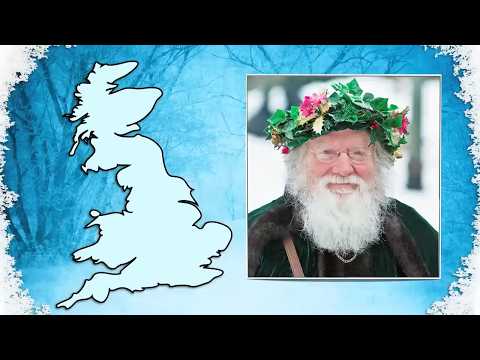
A Brief History of Santa
0
VoiceTube posted on 2012/12/24Ever wondered how Santa Claus became the jolly gift-giver we know today? This video dives deep into the fascinating origins of Santa, from ancient traditions to his modern image, and you'll pick up some advanced vocabulary and complex sentence structures along the way! It's a fun cultural exploration that's perfect for expanding your English knowledge.
Learn this video on the APP!
The VoiceTube App has more in-depth practice for videos!