
be with
US /bi wɪð/
UK /bi: wið/
- Phrasal Verb
- To accompany someone; to be in someone's presence.
- To support someone's opinion or cause.
A1Morebody
US /ˈbɑdi/
UK /ˈbɒdi/
- Noun
- The physical structure of a person or animal.
- Noun (Countable/Uncountable)
- The main or central part of something.
- The weight and texture of a drink (like wine or coffee) in the mouth.
A2Morebreak down
US /brek daʊn/
UK /breik daun/
- Phrasal Verb
- To forcibly break, destroy or make collapse
- (Machine) to stop working or become weaker
A1Moreby accident
US /baɪ ˈæksɪdənt/
UK /bai ˈæksidənt/
- Phrase
- Without intending to; unintentionally.
care of
US /kɛr ʌv/
UK /kɛə ɔv/
- Preposition
- Used in an address to indicate the person who will receive the mail for someone else.
A2Morecome back
US /kʌm bæk/
UK /kʌm bæk/
- Phrasal Verb
- To reply to someone, often forcefully
- To be remembered
A1Morecure
US /kjʊr/
UK /kjʊə(r)/
- Noun
- Something that solves a problem or makes it better
- Medical treatment making a sick person healthy
- Transitive Verb
- To fix or improve a problem
- To make someone healthy or make a disease go away
B1Moredisease
US /dɪˈziz/
UK /dɪˈzi:z/
- Noun (Countable/Uncountable)
- Illness that affects a person, animal, or plant
- A disorder of structure or function in a plant, especially one caused by a pathogen.
- Transitive Verb
- To affect with disease; to corrupt or sicken.
A2TOEICMorefall down on
US /fɔl daʊn ɑn/
UK /fɔ:l daun ɒn/
- other
- To fail or be inadequate in fulfilling duties or expectations.
B2Morefix
US /fɪks/
UK /fɪks/
- Noun
- Answer to a problem
- Transitive Verb
- To arrange or prepare something
- To attach something so it will not move or change
A2TOEICMorefor example
US
UK
- Phrase
- As an illustration or instance.
for short
US /fɔr ʃɔrt/
UK /fɔ: ʃɔ:t/
- Phrase
- As a shortened form of a name or phrase.
A1Morego away
US /ɡo əˈwe/
UK /ɡəu əˈwei/
- Phrasal Verb
- To go on vacation
- To leave; depart.
A1Moreillness
US /ˈɪlnɪs/
UK /ˈɪlnəs/
- Uncountable Noun
- Unhealthy condition of the mind or body
- A particular instance or type of disease.
A2Morelook at
US /lʊk æt/
UK /luk æt/
- Phrasal Verb
- To use your eyes to focus on something
- To focus your eyes on something carefully
A1Moreof course
US /ʌv kɔː(r)s/
UK /ɔv kɔː(r)s/
- Adverb
- Sure ; Certainly
- Phrase
- For sure; certainly
A2Moreon the other hand
US
UK
- Phrase
- Considering a different aspect of the matter; alternatively.
A1Moreover time
US /ˈovɚ taɪm/
UK /ˈəuvə taim/
- Phrase
- Gradually; as time passes.
- During a long period.
- Adverb
- Gradually; as time passes.
B1Morepass away
US /pæs əˈwe/
UK /pɑ:s əˈwei/
- Phrasal Verb
- A polite way of saying 'to die'
A1Morephysical
US /ˈfɪzɪkəl/
UK /ˈfɪzɪkl/
- Countable Noun
- Health check at the doctors' or hospital
- Adjective
- Concerning the body of a person
- Concerning things that can be seen or touched
A2Morepuff up
US
UK
- Phrasal Verb
- To cause something to get larger than normal
B1Moreremedy
US /ˈrɛmɪdi,'rɛmədɪ/
UK /'remədɪ/
- Noun
- Way to solve or fix a problem
- Treatment that relieves pain or cures illness
- Transitive Verb
- To solve or correct a problem
- To cure or relieve (a disease or its symptoms).
B1Morevocabulary
US /voˈkæbjəˌlɛri/
UK /və'kæbjələrɪ/
- Uncountable Noun
- Words that have to do with a particular subject
- The words that a person knows
B1TOEICMorewound
US /waʊnd/
UK /waʊnd/
- Transitive Verb
- To rotate a part of say a watch to make it work
- To hurt someone emotionally
- Noun (Countable/Uncountable)
- Sadness or displeasure caused by a bad memory
- Physical injury, especially that suffered in war
A2More
Vocabulary
- for example: As an illustration or instance.
- look at: To use your eyes to focus on something
- care of: Used in an address to indicate the person who will receive the mail for someone else.
- fall down on: To fail or be inadequate in fulfilling duties or expectations.
- go away: To go on vacation
- of course: Sure ; Certainly
- break down: To forcibly break, destroy or make collapse
- on the other hand : Considering a different aspect of the matter; alternatively.
- by accident: Without intending to; unintentionally.
- puff up: To cause something to get larger than normal
- be with: To accompany someone; to be in someone's presence.
- for short: As a shortened form of a name or phrase.
- come back: To reply to someone, often forcefully
- pass away: A polite way of saying 'to die'
- over time: Gradually; as time passes.
- physical: Health check at the doctors' or hospital
- break: To create a new record e.g. running the 100m dash
- treat: To pay for the food or enjoyment of someone else
- vocabulary: Words that have to do with a particular subject
- fall: Season after summer and before winter; Autumn
- disease: Illness that affects a person, animal, or plant
- cure: Something that solves a problem or makes it better
- remedy: Way to solve or fix a problem
- burn: To destroy with fire
- body: The physical structure of a person or animal.
- talk: Style of speaking
- fix: Answer to a problem
- illness: Unhealthy condition of the mind or body
- wound: To rotate a part of say a watch to make it work
- arm: To activate a weapon or bomb for use
Get the full experience in the app
Learn anywhere with detailed sentence and usage analysis
01:03
She took a brave step forward, leaving behind her comfort zone to chase her dreams.
Vocabulary
- brave
adj. Having courage
- comfort zone
phr. A familiar situation where one feels safe
Explanation
a brave step is a noun phrase, where brave is an adjective modifying the noun step, meaning "a courageous step".
forward is an adverb modifying step, meaning "ahead".
The whole phrase serves as the object, answering the "what" of took (verb) — she took a brave step forward.
Get the full experience in the app
Look up words anytime with pronunciation, part of speech, and usage
brave
US/brev/
UK/breɪv/
adj.Brave
v.t.To bravely face
A2 Elementary
Get the full experience in the app
Practice speaking anytime and get instant pronunciation feedback
Try this speaking exercise.
Try practicing with this sentence.
80
0
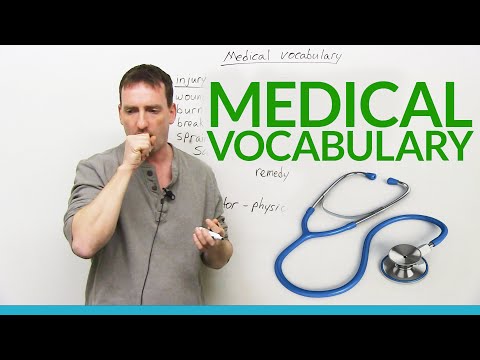
Sam posted on 2015/03/23Ever found yourself needing to talk about injuries, illnesses, or diseases in English? This video is your go-to guide for essential medical vocabulary, perfect for travelers or anyone wanting to feel more confident discussing health topics. You'll pick up practical terms and learn how to use them in everyday situations!
Learn this video on the APP!
The VoiceTube App has more in-depth practice for videos!