
abstract
US /ˈæbˌstrækt/
UK /'æbstrækt/
- Noun (Countable/Uncountable)
- Passage of text from an article or book
- Something that doesn't exist physically
- Adjective
- Concerning something that doesn't exist physically
- Relating to abstract art.
B1Moreas long as
US /æz lɔŋ æz/
UK /æz lɔŋ æz/
- Conjunction
- For the period that; provided that.
- For the length of time that
- Preposition
- On the condition that; providing that.
- Having the same length as.
A1Moreas one
US
UK
- Adverb
- Acting or moving together at the same time.
- In complete agreement or unity.
- Phrase
- With a single voice or opinion; unanimously.
- In perfect harmony or unison.
A1Moreas soon as
US /æz sun æz/
UK /æz su:n æz/
- Phrase
- In a short time after (something happens)
- Without any delay; immediately
- Conjunction
- At the moment that, or immediately after.
A1Moreassignment
US /əˈsaɪnmənt/
UK /ə'saɪnmənt/
- Noun
- Task you are given to do (as in the armed forces)
- A homework task or report
A2TOEICMoreat a time
US /æt e taɪm/
UK /æt ə taim/
- Phrase
- Separately; one by one
- Simultaneously; together
A1Moreat most
US /æt most/
UK /æt məust/
- Adverb
- Not more than; a maximum of.
- Phrase
- Used to indicate an upper limit or maximum quantity.
A1Moreat the same time
US
UK
- Phrase
- Simultaneously; at the identical moment.
- Nevertheless; however; used to introduce a contrasting or qualifying statement.
A1Morebalance
US /ˈbæləns/
UK /ˈbæləns/
- Noun
- Instrument for weighing things
- Being stable; having equal weight on both sides
- Verb (Transitive/Intransitive)
- To be steady by having equal weight on both sides
- To make two or more things equal
A2TOEICMorebasically
US /ˈbesɪkəli,-kli/
UK /ˈbeɪsɪkli/
- Adverb
- Used before you explain something simply, clearly
- In essence; when you consider the most important aspects of something.
A2Morebehind the scenes
US
UK
- Phrase
- Secretly or without being known to the public.
- In a position to influence events without any public knowledge.
A1Morebook on
US
UK
- Noun
- A book about a particular subject.
- Verb (Transitive/Intransitive)
- To place a bet on something.
A1Morecall for
US /kɔl fɔr/
UK /kɔ:l fɔ:/
- Phrasal Verb
- To demand, need or require (an action or thing)
- To come to someone's house to take them somewhere
A1Morecall upon
US /kɔl əˈpɑn/
UK /kɔ:l əˈpɔn/
- Phrasal Verb
- To make demands on; order/require from someone
A1Morechannel
US /ˈtʃænəl/
UK /'tʃænl/
- Noun (Countable/Uncountable)
- Long hole dug in the ground, e.g. to move water
- TV or radio station or its programs
- Transitive Verb
- To dig a long hole for carrying water
- To send (e.g. money) to a certain place or person
B1Morechop off
US /tʃɑp ɔf/
UK /tʃɔp ɔf/
- Phrasal Verb
- To remove something by cutting it with a sharp tool.
B2Morecome about
US /kʌm əˈbaʊt/
UK /kʌm əˈbaut/
- Phrasal Verb
- To turn a boat around; (of boat) to turn around
- To take place; happen
A1Morecome around
US /kʌm əˈraʊnd/
UK /kʌm əˈraund/
- Phrasal Verb
- To eventually change your opinion or be persuaded to agree with someone else's.
- To visit someone at their house.
A1Morecome from
US /kʌm frʌm/
UK /kʌm frɔm/
- Phrasal Verb
- To have as your native country or city
A1Morecommand
US /kəˈmænd/
UK /kə'mɑ:nd/
- Transitive Verb
- To be able to see far from a certain location
- To give an order; have control over others
- Noun (Countable/Uncountable)
- Electronic order to a computer to do something
- An order to control things or others
A2Morecommunication
US /kəˌmjunɪˈkeʃən/
UK /kəˌmju:nɪ'keɪʃn/
- Noun (Countable/Uncountable)
- Talking to people; giving information to people
- The process of conveying information, ideas, or feelings through language or other means.
A2Morecomputation
US /ˌkɑmpjʊˈteʃən/
UK /ˌkɒmpjuˈteɪʃn/
- Uncountable Noun
- Act of calculating; method of computing
B1Morecomputational
US /ˌkɑ:mpjuˈteɪʃənl/
UK /ˌkɒmpjuˈteɪʃənl/
- Adjective
- Involving computation or computers
B1Moreconceptual
US /kənˈsɛptʃuəl/
UK /kənˈseptʃuəl/
- Adjective
- Including concepts or the forming of concepts
B1Moreconsists of
US
UK
- Phrasal Verb
- Is made up or composed of.
A1Morecook up
US /kʊk ʌp/
UK /kuk ʌp/
- Phrasal Verb
- To invent a story or plan, especially dishonestly.
- To prepare food quickly and easily.
A1Morecount
US /kaʊnt/
UK /kaʊnt/
- Verb (Transitive/Intransitive)
- To add things together to find the total number
- To matter or be important
- Countable Noun
- Number of things added together, e.g. votes
- With the number of crimes, knockouts, as stated
A2Morecurrent
US /ˈkɚrənt, ˈkʌr-/
UK /'kʌrənt/
- Uncountable Noun
- Electricity flowing through wires
- Movement of water in a river, or air in the sky
- Adjective
- Happening or being in the present time
- In general use or accepted by most people.
A2Moredeadlock
US /ˈdedlɑ:k/
UK /ˈdedlɒk/
- Noun
- When a situation/argument cannot progress
C1Moredecide
US /dɪˈsaɪd/
UK /dɪ'saɪd/
- Verb (Transitive/Intransitive)
- To make a choice or choose after thinking about it
- To make a legal judgment in court
A2TOEICMoredisaster
US /dɪˈzæstɚ, -ˈsæs-/
UK /dɪ'zɑ:stə(r)/
- Noun (Countable/Uncountable)
- State of extreme ruin and misfortune
- A complete failure.
- Uncountable Noun
- A situation that has gone terribly wrong.
A2Moredo in
US
UK
- Phrasal Verb
- To make completely tired out and exhausted
- To destroy or cause damage to someone
A1Moreembody
US /ɪmˈbɑ:di/
UK /ɪmˈbɒdi/
- Transitive Verb
- To make something into part of a body or system
B2Moreexcept for
US /ɪkˈsɛpt fɔr/
UK /ikˈsept fɔ:/
- Preposition
- Not including; excluding.
except that
US /ɪkˈsɛpt ðæt/
UK /ikˈsept ðæt/
- Conjunction
- But; with the exception that.
A2Moreextraordinarily
US /ɪkˈstrɔrdn:ˌɛrɪlɪ/
UK /ɪk'strɔ:dnrəlɪ/
- Adverb
- Extremely
- In a remarkable or exceptional manner.
B1Morefamous last words
US /ˈfeɪməs læst wɝdz/
UK /ˈfeɪməs lɑ:st wɜ:dz/
- other
- An ironic comment made before something goes wrong.
C1Morefigure out
US /ˈfɪɡjɚ aʊt/
UK /ˈfiɡə aut/
- Phrasal Verb
- To understand the behavior of someone
- To think through logically to find a solution
- Verb (Transitive/Intransitive)
- To understand or find an answer to something.
- To find a solution to a problem or understand something.
A1Morefit in
US /fɪt ɪn/
UK /fit in/
- Phrasal Verb
- To mix with others so you get on well with them
A2Morefit into
US /fɪt ˈɪntu/
UK /fit ˈɪntuː/
- Phrasal Verb
- To be small enough to go inside something.
- To feel like you belong to a group.
A2Moreflip
US /flɪp/
UK /flɪp/
- Verb (Transitive/Intransitive)
- To turn your body in the air, as in gymnastics
- To move into a different position quickly
- Noun
- Act of turning your body in the air; somersault
- Movement of something from one position to another
B2Morefor example
US
UK
- Phrase
- As an illustration or instance.
for free
US /fɔr fri/
UK /fɔ: fri:/
- Phrase
- Without charge; at no cost.
- Adjective
- Available without payment.
A2Morefor one thing
US /fɔr wʌn θɪŋ/
UK /fɔ: wʌn θiŋ/
- Phrase
- Used to introduce a reason for something.
A1Morefundamental
US /ˌfʌndəˈmɛntl/
UK /ˌfʌndəˈmentl/
- Adjective
- Forming a necessary part, base, or core
- Of central importance.
- Noun (Countable/Uncountable)
- A basic part of something
- (Music) the lowest note in a harmony
A2TOEICMoreget up to
US /ɡɛt ʌp tu/
UK /ɡet ʌp tu:/
- Phrasal Verb
- To do something slightly naughty
A1Morego ahead
US /ɡo əˈhɛd/
UK /ɡəu əˈhed/
- Phrasal Verb
- To start an activity; start doing, working etc.
- To give permission to do something
- Intransitive Verb
- To start or proceed with something
- To proceed despite potential obstacles or doubts.
A1Morego back to
US /ɡo bæk tu/
UK /ɡəu bæk tu:/
- Phrasal Verb
- To return to a starting point
A1Moregoing on
US /ˈɡoɪŋ ɑn/
UK /ˈgəʊɪŋ ɔn/
- Phrasal Verb
- To continue doing something
- To happen (usually negative)
A1Moregot to
US /ɡɑt tu/
UK /gɔt tu:/
- Verb (Transitive/Intransitive)
- To arrive at some place
- To have the opportunity or permission to do something
- Phrasal Verb
- To appeal to the emotions of; move
- To finally begin to start something after a delay
A1Morehave to
US /hæv tu/
UK /ˈhæv tə/
- Auxiliary Verb
- Must do
A1Moreidentity
US /aɪˈdɛntɪti/
UK /aɪ'dentətɪ/
- Noun (Countable/Uncountable)
- Collection of qualities that makes a person
- Who someone is; the name of a person
B1Moreimplementation
US /ˌɪmplɪmənˈteʃən/
UK /ˌɪmplɪmen'teɪʃn/
- Uncountable Noun
- A practical means for accomplishing something
B1TOEICMorein a row
US /ɪn e ro/
UK /in ə rəu/
- Phrase
- One after another without a break.
- Arranged in a straight line.
- Idiom
- To have an argument.
A1Morein fact
US /ɪn fækt/
UK /in fækt/
- Adverb
- Used to emphasize the truth of a statement, especially one that contrasts with or contradicts something else.
- Used to introduce a more detailed or surprising piece of information.
- Phrase
- Used to emphasize the truth of a statement, especially one that is surprising or contrary to what might be expected.
C1Morein order to
US /ɪn ˈɔrdɚ tu/
UK /in ˈɔ:də tu:/
- Preposition
- For the purpose of; with the aim of.
- Phrase
- In a specific sequence or arrangement.
- With the aim of; for the purpose of.
C1Morein parallel
US /ɪn ˈpærəˌlɛl/
UK /in ˈpærəlel/
- Adverb
- Done at the same time; simultaneously.
- Adjective
- Relating to a system where multiple operations are carried out simultaneously, especially in computing.
C2Morein practice
US /ɪn ˈpræktɪs/
UK /in ˈpræktis/
- Phrase
- In reality or actual use; as opposed to in theory.
A1Morein the future
US /ɪn ði ˈfjutʃɚ/
UK /in ðə ˈfju:tʃə/
- Phrase
- At a later time; in times to come.
A1Morein the post
US /ɪn ðə ˈpoʊst/
UK /in ðə ˈpəust/
- other
- Sent by mail or postal service.
A2Morein with
US /ɪn wɪð/
UK /in wið/
- Phrase
- Fashionable or popular at the moment.
- Having influence or favor with someone.
- Phrasal Verb
- To introduce or bring something new into a system or organization.
A1Moreinstead of
US /ɪnˈstɛd ʌv/
UK /inˈsted ɔv/
- Preposition
- When one thing is replaced by another
- Adverb
- As a substitute or alternative.
A1Moreintermediary
US /ˌɪntərˈmi:dieri/
UK /ˌɪntəˈmi:diəri/
- Noun
- Person who acts in behalf of, instead of others
B1Moreinvent
US /ɪnˈvɛnt/
UK /ɪnˈvent/
- Transitive Verb
- To create something such as a story or excuse
- To create something useful for the first time
A2TOEICMorejust kind of
US
UK
- Phrase
- Used to express a feeling or state in a vague or hesitant way.
- Used to indicate something is approximately or generally similar to something else.
A2Moreknow about
US /noʊ əˈbaʊt/
UK /nəʊ əˈbaut/
- Phrasal Verb
- To have information or understanding of a subject or situation.
longest time
US
UK
- Phrase
- The greatest duration of time.
- A very long period.
A1Morelook at
US /lʊk æt/
UK /luk æt/
- Phrasal Verb
- To use your eyes to focus on something
- To focus your eyes on something carefully
A1Moreloop
US /lup/
UK /lu:p/
- Noun (Countable/Uncountable)
- A circle or curved shape, as when you tie a lace
- A circle of rope or string to put around something
- Transitive Verb
- To put a circle of rope around something
B2TOEICMoremailbox
US /ˈmelˌbɑks/
UK /ˈmeɪlbɒks/
- Noun (Countable/Uncountable)
- A box for putting or receiving mail, emails
C2Moremake out of
US /mek aʊt ʌv/
UK /meik aut ɔv/
- Phrasal Verb
- To make something from other things
A1Morematch
US /mætʃ/
UK /mætʃ/
- Verb (Transitive/Intransitive)
- To equal or be as good as something else
- To work well or look good with something else
- Noun
- Something that is equal to or the same as another
- Small stick you strike to light a fire candle etc.
A2TOEICMorename for
US
UK
- Phrasal Verb
- To give someone or something a particular name, often in honor of someone else.
A1Moreof course
US /ʌv kɔː(r)s/
UK /ɔv kɔː(r)s/
- Adverb
- Sure ; Certainly
- Phrase
- For sure; certainly
A2Moreof value
US /ʌv ˈvælju/
UK /ɔv ˈvælju/
- Adjective
- Having worth, importance, or usefulness.
- Providing a benefit or advantage.
A1Moreon the internet
US
UK
- Phrase
- Located or available on the internet.
- Using the internet as a medium or platform.
A1Moreon the other hand
US
UK
- Phrase
- Considering a different aspect of the matter; alternatively.
A1Moreon the other side of
US /ɑn ði ˈʌðɚ ˈsaɪd ʌv/
UK /ɒn ði ˈʌðə ˈsaɪd ɒv/
- Preposition
- Located across something from a given point.
A2Moreorder in
US
UK
- Phrasal Verb
- To request food from a restaurant to be delivered to one's home or other location.
out there
US /aʊt ðɛr/
UK /aut ðɛə/
- Adverb
- In or to a place that is far away
- Existing in the universe
- Adjective
- Unconventional; strange; avant-garde
- Existing or available.
A1Morepersist
US /pɚˈsɪst, -ˈzɪst/
UK /pə'sɪst/
- Intransitive Verb
- To continue a course of action despite opposition
- To continue to exist or occur beyond the usual, expected, or desired time.
B1TOEICMoreprocess
US /ˈprɑsˌɛs, ˈproˌsɛs/
UK /prə'ses/
- Transitive Verb
- To organize and use data in a computer
- To deal with official forms in the way required
- Noun (Countable/Uncountable)
- Dealing with official forms in the way required
- Set of changes that occur slowly and naturally
A2TOEICMoreproperty
US /ˈprɑpəti/
UK /'prɒpətɪ/
- Noun (Countable/Uncountable)
- Particular quality that someone or something has
- Buildings or piece of land owned by someone
A2TOEICMorepure and simple
US /pjʊɚ ənd ˈsɪmpl/
UK /pjʊə ənd ˈsɪmpl/
- other
- Used to emphasize that something is exactly as stated, nothing more.
B2Morerely on
US /rɪˈlaɪ ɑn/
UK /riˈlai ɔn/
- Phrasal Verb
- To depend on someone or something
A2Moresame time
US
UK
- Phrase
- Occurring simultaneously or at the same point in time.
- At the identical time as before; recurring at a fixed hour.
- Noun
- An equal duration or period.
A1Morescrew
US /skru/
UK /skru:/
- Transitive Verb
- To cheat someone, as out of money/property
- To close something by turning it into place
- Countable Noun
- Long metal nail with a spiral thread
B1Moresee in
US /si ɪn/
UK /si: in/
- Phrasal Verb
- To accompany someone to the entrance of a building or room.
A1Morestart off
US /stɑrt ɔf/
UK /stɑ:t ɔf/
- Phrasal Verb
- To begin or commence something.
- To begin a journey.
B2Moresynchronization
US /ˌsɪŋkrənaɪ'zeɪʃn/
UK /ˌsɪŋkrənaɪ'zeɪʃn/
- Uncountable Noun
- Adjustment causing two things to work in unison
C1Moretalking about
US
UK
- Phrasal Verb
- To discuss a particular topic.
- To be constantly mentioning or bringing up a subject.
A1Morethe following
US
UK
- Adjective
- Next in order or sequence.
- Uncountable Noun
- What is about to be said or written.
B1Morethink about
US /θɪŋk əˈbaʊt/
UK /θiŋk əˈbaut/
- Phrasal Verb
- To consider something carefully.
- To remember or call to mind.
A1Moreto do with
US
UK
- Phrasal Verb
- To be about something; concern
A1Moretv show
US /ˈtiˈvi ʃo/
UK /ˈti:ˈvi: ʃəu/
- Noun
- A television program.
unit
US /ˈjunɪt/
UK /ˈju:nɪt/
- Countable Noun
- One apartment in a building
- Group of people, e.g. soldiers, that work together
B2TOEICMoreused to
US /juzd tu/
UK /ˈju:st tə/
- Adjective
- Did regularly before, but don't do now
- Auxiliary Verb
- Have done before, but do not do now
A1Morevolume
US /ˈvɑljum, -jəm/
UK /ˈvɒlju:m/
- Noun (Countable/Uncountable)
- Number or amount of something e.g. sales
- Amount of space that something takes up
- Countable Noun
- One book that is part of a set of books
A2Morewith respect to
US /wɪð rɪˈspɛkt tu/
UK /wið risˈpekt tu:/
- Preposition
- In relation to; regarding.
- Phrase
- In relation to; concerning.
A1Morework at
US /wɚk æt/
UK /wə:k æt/
- Phrasal Verb
- To have a job at a particular place or organization.
- To make an effort to improve something.
A1More
Vocabulary
- have to: Must do
- for example: As an illustration or instance.
- to do with: To be about something; concern
- same time: Occurring simultaneously or at the same point in time.
- at a time: Separately; one by one
- at the same time: Simultaneously; at the identical moment.
- of course: Sure ; Certainly
- look at: To use your eyes to focus on something
- talking about: To discuss a particular topic.
- in fact: Used to emphasize the truth of a statement, especially one that contrasts with or contradicts something else.
- on the internet: Located or available on the internet.
- start off: To begin or commence something.
- go ahead: To start an activity; start doing, working etc.
- out there: In or to a place that is far away
- know about: To have information or understanding of a subject or situation.
- chop off: To remove something by cutting it with a sharp tool.
- behind the scenes: Secretly or without being known to the public.
- at most: Not more than; a maximum of.
- come around: To eventually change your opinion or be persuaded to agree with someone else's.
- do in: To make completely tired out and exhausted
- in practice: In reality or actual use; as opposed to in theory.
- famous last words: An ironic comment made before something goes wrong.
- with respect to: In relation to; regarding.
- going on: To continue doing something
- tv show: A television program.
- got to: To arrive at some place
- fit into: To be small enough to go inside something.
- in order to: For the purpose of; with the aim of.
- in parallel: Done at the same time; simultaneously.
- in the future: At a later time; in times to come.
- instead of: When one thing is replaced by another
- cook up: To invent a story or plan, especially dishonestly.
- come from: To have as your native country or city
- rely on: To depend on someone or something
- as one: Acting or moving together at the same time.
- except that: But; with the exception that.
- for free: Without charge; at no cost.
- name for: To give someone or something a particular name, often in honor of someone else.
- in a row: One after another without a break.
- on the other hand : Considering a different aspect of the matter; alternatively.
- go back to: To return to a starting point
- in the post: Sent by mail or postal service.
- fit in: To mix with others so you get on well with them
- in with: Fashionable or popular at the moment.
- call upon: To make demands on; order/require from someone
- think about: To consider something carefully.
- order in: To request food from a restaurant to be delivered to one's home or other location.
- make out of: To make something from other things
- the following: Next in order or sequence.
- consists of: Is made up or composed of.
- used to: Did regularly before, but don't do now
- for one thing: Used to introduce a reason for something.
- as long as: For the period that; provided that.
- get up to: To do something slightly naughty
- work at: To have a job at a particular place or organization.
- longest time: The greatest duration of time.
- as soon as: In a short time after (something happens)
- book on: A book about a particular subject.
- see in: To accompany someone to the entrance of a building or room.
- except for: Not including; excluding.
- come about: To turn a boat around; (of boat) to turn around
- pure and simple: Used to emphasize that something is exactly as stated, nothing more.
- figure out: To understand the behavior of someone
- of value: Having worth, importance, or usefulness.
- just kind of: Used to express a feeling or state in a vague or hesitant way.
- call for: To demand, need or require (an action or thing)
- on the other side of: Located across something from a given point.
- process: To organize and use data in a computer
- basically: Used before you explain something simply, clearly
- flip: To turn your body in the air, as in gymnastics
- completely: In every way or as much as possible
- sense: Certain mental feeling or emotion
- current: Electricity flowing through wires
- fundamental: Forming a necessary part, base, or core
- property: Particular quality that someone or something has
- abstract: Passage of text from an article or book
- bit: Device put in a horse's mouth to control it
- mean: Average of a set of numbers
- state: Region within a country, with its own government
- disaster: State of extreme ruin and misfortune
- address: Exact street location of a place
- explain: To make clear or easy to understand by describing
- screw: To cheat someone, as out of money/property
- assignment: Task you are given to do (as in the armed forces)
- account: An advantage
- identity: Collection of qualities that makes a person
- create: To make, cause, or bring into existence
- volume: Number or amount of something e.g. sales
- persist: To continue a course of action despite opposition
- command: To be able to see far from a certain location
- loop: A circle or curved shape, as when you tie a lace
- receive: To get something someone has given or sent to you
- communication: Talking to people; giving information to people
- lot: What happens to a person in life from chance; fate
- count: To add things together to find the total number
- channel: Long hole dug in the ground, e.g. to move water
- important: Having power or authority
- place: To put someone in a particular type of situation
- kind: In a caring and helpful manner
- order: Religious or social group, as of nuns
- decide: To make a choice or choose after thinking about it
- invent: To create something such as a story or excuse
- match: To equal or be as good as something else
- balance: Instrument for weighing things
- embody: To make something into part of a body or system
- extraordinarily: Extremely
- implementation: A practical means for accomplishing something
- unit: One apartment in a building
- conceptual: Including concepts or the forming of concepts
- computational: Involving computation or computers
- intermediary: Person who acts in behalf of, instead of others
- deadlock: When a situation/argument cannot progress
- synchronization: Adjustment causing two things to work in unison
- computation: Act of calculating; method of computing
- mailbox: A box for putting or receiving mail, emails
Get the full experience in the app
Learn anywhere with detailed sentence and usage analysis
01:03
She took a brave step forward, leaving behind her comfort zone to chase her dreams.
Vocabulary
- brave
adj. Having courage
- comfort zone
phr. A familiar situation where one feels safe
Explanation
a brave step is a noun phrase, where brave is an adjective modifying the noun step, meaning "a courageous step".
forward is an adverb modifying step, meaning "ahead".
The whole phrase serves as the object, answering the "what" of took (verb) — she took a brave step forward.
Get the full experience in the app
Look up words anytime with pronunciation, part of speech, and usage
brave
US/brev/
UK/breɪv/
adj.Brave
v.t.To bravely face
A2 Elementary
Get the full experience in the app
Practice speaking anytime and get instant pronunciation feedback
Try this speaking exercise.
Try practicing with this sentence.
80
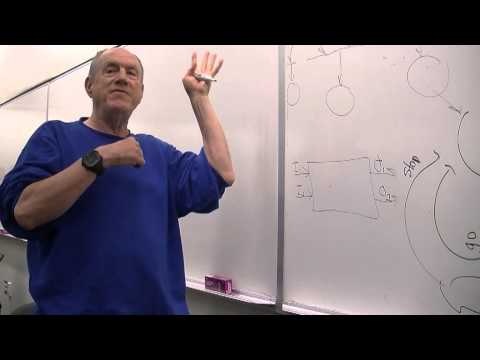
Hewitt, Meijer and Szyperski: The Actor Model (everything you wanted to know...)
0
林宜悉 posted on 2026/11/20Ever wondered how the 'Actor Model' actually works in computing? This lively discussion demystifies the fundamental unit of computation, giving you a chance to pick up precise technical vocabulary like 'axioms,' 'concurrency,' and 'deadlock' while hearing from the very expert who invented the concept.
Learn this video on the APP!
The VoiceTube App has more in-depth practice for videos!