
act on
US /ækt ɑn/
UK /ækt ɔn/
- Verb (Transitive/Intransitive)
- To have an effect on something.
- To take formal action or make a decision regarding something.
- Phrasal Verb
- To take action as a result of information received.
- To have an effect on something.
B1Moreafter all
US /ˈæftɚ ɔl/
UK /ˈɑ:ftə ɔ:l/
- Adverb
- In spite of what was expected; used to introduce a statement that supports a previous statement or explains why it was made
- Considering everything; used to indicate that something is happening or is true despite some difficulty or obstacle
- Phrase
- Despite what was expected or thought; in spite of everything.
- Taking everything into consideration; considering that.
B1Moreall at once
US
UK
- Adverb
- Suddenly; at the same time
- At the same time; simultaneously
- Phrase
- Suddenly; at the same time
A1Moreas a rule
US /æz e rul/
UK /æz ə ru:l/
- Phrase
- Generally; usually
B1Moreas a whole
US /æz e hol/
UK /æz ə həul/
- Phrase
- Considering everything together; in general.
- Complete; not divided or incomplete.
- Adjective
- Complete; not divided or fragmented.
A1Moreas for
US /æz fɔr/
UK /æz fɔ:/
- Preposition
- Concerning; regarding.
- Phrase
- Used to introduce a new topic or aspect of a subject.
A1Moreas one
US
UK
- Adverb
- Acting or moving together at the same time.
- In complete agreement or unity.
- Phrase
- With a single voice or opinion; unanimously.
- In perfect harmony or unison.
A1Moreas such
US /æz sʌtʃ/
UK /æz sʌtʃ/
- Pronoun
- Something previously stated or understood
A1Moreas time goes by
US /əz taɪm ɡoʊz baɪ/
UK /əz taɪm gəuz baɪ/
- other
- Over the course of time; as time passes.
B2Moreas well as
US /æz wɛl æz/
UK /æz wel æz/
- Adverb
- Also; in addition to
- Preposition
- In addition to; and also.
A1Moreask in
US /æsk ɪn/
UK /ɑ:sk ɪn/
- other
- To invite someone to enter one's home or place.
B1Moreat a time
US /æt e taɪm/
UK /æt ə taim/
- Phrase
- Separately; one by one
- Simultaneously; together
A1Moreat hand
US /æt hænd/
UK /æt hænd/
- Phrase
- Close by; readily available.
- About to happen; imminent.
- Adjective
- Nearby; easily available
A1Moreat least
US /æt list/
UK /æt li:st/
- Adverb
- As a minimum
- Not less than
- Phrase
- No less than; at the minimum
- Used to indicate that something is positive in a bad situation.
C2Moreat length
US /æt lɛŋkθ/
UK /æt leŋθ/
- Adverb
- In detail; fully
- Phrase
- After a long time; eventually
A1Moreat once
US /æt wʌns/
UK /æt wʌns/
- Adverb
- Immediately; without delay
- At the same time; simultaneously
A2Moreat times
US /æt taɪmz/
UK /æt taɪmz/
- Phrase
- Sometimes; occasionally.
A1Moreat will
US /æt wɪl/
UK /æt wil/
- Adverb
- Whenever or wherever you want; without needing permission.
- Adjective
- Relating to an employment agreement where the employer can terminate the employee at any time for any reason that is not illegal.
back out
US /bæk aʊt/
UK /bæk aut/
- Phrasal Verb
- To say you will now not do something you promised
A1Moreback then
US
UK
- Phrase
- At that time in the past.
A1Morebased on
US
UK
- Phrasal Verb
- To use something as the foundation or starting point for something else.
- Preposition
- Using something as the main idea or foundation.
- Relying on something as evidence or justification.
A1Morebear on
US
UK
- Phrasal Verb
- To have an influence or effect on something.
bear with me
US
UK
- Phrasal Verb
- Be patient with me.
A2Morebook on
US
UK
- Noun
- A book about a particular subject.
- Verb (Transitive/Intransitive)
- To place a bet on something.
A1Morebuy into
US /baɪ ˈɪntu/
UK /bai ˈɪntuː/
- Phrasal Verb
- To come to accept an idea or believe in it
- To buy a part of something e.g. a company's shares
A1Moreby chance
US /baɪ tʃæns/
UK /bai tʃɑ:ns/
- Adverb
- Accidentally; without planning.
- Phrase
- Accidentally; without planning.
B1Moreby definition
US /baɪ ˌdɛfəˈnɪʃən/
UK /bai ˌdefiˈniʃən/
- Phrase
- Inherently; as an essential quality or characteristic.
B2Moreby now
US /baɪ naʊ/
UK /bai nau/
- Phrase
- At the present time or already; before the present.
A2Morecame to pass
US
UK
- Phrase
- To happen; to occur.
A1Morecathedral
US /kəˈθidrəl/
UK /kəˈθi:drəl/
- Noun (Countable/Uncountable)
- Large impressive main church in a particular area
B1Morecharge
US /tʃɑrdʒ/
UK /tʃɑ:dʒ/
- Verb (Transitive/Intransitive)
- To run quickly toward someone to attack them
- To ask for money as a price for a service or goods
- Noun (Countable/Uncountable)
- An attack by running quickly toward someone
- A price for a service or goods
A2Morecome up with
US /kʌm ʌp wɪð/
UK /kʌm ʌp wið/
- Phrasal Verb
- To think of an idea or solution; produce
A1Morecomplex
US /kəmˈplɛks, ˈkɑmˌplɛks/
UK /'kɒmpleks/
- Countable Noun
- Group of buildings all used for the same purpose
- Adjective
- Not being simple; having many parts or aspects
A2Morecount
US /kaʊnt/
UK /kaʊnt/
- Verb (Transitive/Intransitive)
- To add things together to find the total number
- To matter or be important
- Countable Noun
- Number of things added together, e.g. votes
- With the number of crimes, knockouts, as stated
A2Morecount down
US
UK
- Phrasal Verb
- To say numbers in order from say 10 to 1
- To recite numbers backwards to zero, often to mark the start of something.
- Verb (Transitive/Intransitive)
- To count backward to zero.
A2Morecount up
US /kaʊnt ʌp/
UK /kaunt ʌp/
- Phrasal Verb
- To add numbers together to find a total; to increase gradually.
B1Morecrank out
US /kræŋk aʊt/
UK /kræŋk aut/
- Phrasal Verb
- To produce something quickly and in large quantities.
A1Moredeal with
US /dil wɪð/
UK /di:l wið/
- Verb (Transitive/Intransitive)
- To buy or sell goods or services.
- Phrasal Verb
- To take action to solve a problem or manage a situation.
- To be about; concern.
A1Moredefine
US /dɪˈfaɪn/
UK /dɪ'faɪn/
- Transitive Verb
- To explain the meaning of words
- To set or mark the limits of something
A2TOEICMorefor all time
US /fɔr ɔl taɪm/
UK /fɔ: ɔ:l taim/
- Phrase
- Forever; eternally.
A1Morefor example
US
UK
- Phrase
- As an illustration or instance.
for short
US /fɔr ʃɔrt/
UK /fɔ: ʃɔ:t/
- Phrase
- As a shortened form of a name or phrase.
A1Morefor the better
US /fɔr ði ˈbɛtɚ/
UK /fɔ: ðə ˈbetə/
- Phrase
- Resulting in improvement; to a more favorable condition.
A1Morefor the most part
US
UK
- Phrase
- Generally; mostly; on the whole.
- Mostly; generally; in most cases.
A1Morefrom now on
US /frʌm naʊ ɑn/
UK /frɔm nau ɔn/
- Phrase
- Starting at this moment and continuing indefinitely into the future.
A1Morefrom scratch
US /frʌm skrætʃ/
UK /frɔm skrætʃ/
- Phrase
- From the very beginning; from nothing.
- From the very beginning; using new materials rather than something that already exists.
A1Morefrom the first
US /frəm ðə ˈfɝst/
UK /frəm ðə ˈfɜ:st/
- other
- From the very beginning.
B2Morefrom the start
US /frʌm ði stɑrt/
UK /frɔm ðə stɑ:t/
- Phrase
- From the very beginning; from the outset.
A1Morefrom time to time
US
UK
- Phrase
- Occasionally; sometimes but not regularly.
- At intervals; now and then.
A1Moregeneric
US /dʒəˈnɛrɪk/
UK /dʒə'nerɪk/
- Adjective
- Concerning a product without a brand name
- Concerning an entire class, category, or group
B2Moregive back
US /ɡɪv bæk/
UK /ɡiv bæk/
- Phrasal Verb
- To return something you borrowed
A1Moregive up
US /ɡɪv ʌp/
UK /ɡiv ʌp/
- Phrasal Verb
- To lose hope or admit defeat
- To decide to not start to try solving a problem
- Verb Phrase
- to surrender an item; hand over an item
A1Moreglom onto
US /ɡlɑm ˈɑntu/
UK /ɡlɒm ˈɒntuː/
- other
- To cling to or hold onto someone or something persistently.
C2Morego out
US /ɡo aʊt/
UK /ɡəu aut/
- Phrase
- To leave a building (e.g. a house)
- Phrasal Verb
- (Of a fire) to burn out; be extinguished
- Go out of fashion to stop being fashionable
A1Moregoal
US /ɡol/
UK /ɡəʊl/
- Noun (Countable/Uncountable)
- Something you try to do or achieve; an aim
- (Sports) net into which you put a ball to score
A2TOEICMoregrow up
US /ɡro ʌp/
UK /ɡrəu ʌp/
- Phrasal Verb
- To develop from a child into an adult
A1Moregrowth
US /groʊθ/
UK /grəʊθ/
- Uncountable Noun
- Improvement, development in a skill over time
- Act of growing
- Countable Noun
- A mass on the skin or body part related to illness
A2TOEICMorehave to
US /hæv tu/
UK /ˈhæv tə/
- Auxiliary Verb
- Must do
A1Morein a sense
US /ɪn e sɛns/
UK /in ə sens/
- Phrase
- In one way of thinking; to some extent; in some ways.
B1Morein charge
US /ɪn tʃɑrdʒ/
UK /in tʃɑ:dʒ/
- Adverb
- To be responsible for
A1Morein fact
US /ɪn fækt/
UK /in fækt/
- Adverb
- Used to emphasize the truth of a statement, especially one that contrasts with or contradicts something else.
- Used to introduce a more detailed or surprising piece of information.
- Phrase
- Used to emphasize the truth of a statement, especially one that is surprising or contrary to what might be expected.
C1Morein other words
US
UK
- Phrase
- Stating something in a different way, often to make it clearer or more understandable.
in part
US /ɪn pɑrt/
UK /in pɑ:t/
- Adverb
- To some extent; partially.
A1Morein place of
US /ɪn ples ʌv/
UK /in pleis ɔv/
- Phrase
- Instead of; as a substitute for.
in point
US /ɪn pɔɪnt/
UK /in pɔint/
- Adjective
- Relevant; pertinent
A2Morein real life
US /ɪn ˈriəl laɪf/
UK /in riəl laif/
- Phrase
- In the physical world; not online or in a fictional setting.
- Actually; genuinely; not made up or fictional.
A2Morein school
US /ɪn skul/
UK /ɪn sku:l/
- other
- Attending an educational institution.
A1Morein terms of
US
UK
- Phrase
- With regard to; concerning a particular aspect.
A1Morein the course of time
US /ɪn ðə ˈkɔrs ʌv taɪm/
UK /in ðə ˈkɔ:s ɔv taɪm/
- other
- Eventually or after some time has passed.
B2Morein the end
US /ɪn ði ɛnd/
UK /in ðə end/
- Phrase
- Finally; after a period of time or series of events.
- Ultimately; as the final result or consequence.
A1Morein the front row
US /ɪn ðə ˈfrʌnt ro/
UK /in ðə ˈfrʌnt rəu/
- other
- Seated in the first row closest to the front.
A2Morein the hands of
US /ɪn ðə ˈhændz ʌv/
UK /in ðə ˈhændz ɔv/
- Preposition
- Under the control or responsibility of someone.
B1Morein the past
US
UK
- Phrase
- During a former period of time; previously.
A1Morein the way
US /ɪn ði we/
UK /in ðə wei/
- Phrase
- Obstructing someone or something; hindering progress.
- Stored or placed so as to be available or ready when needed.
A1Morein the works
US
UK
- Adjective
- Being planned or prepared; in progress.
- Phrase
- Under development or being actively planned.
A1Morein the world
US /ɪn ði wɜrld/
UK /in ðə wɜː(r)ld/
- Phrase
- Used to emphasize a question expressing surprise, confusion, disbelief
- Used to indicate the extent or degree of something, often in a superlative sense
A1Morein time
US /ɪn taɪm/
UK /in taim/
- Adverb
- Eventually; after a period of time.
- Not late; with enough time to spare.
- Phrase
- Eventually; before it is too late.
- According to the scheduled time; punctual.
A1Morein truth
US
UK
- Phrase
- In fact; actually; really
A1Morein words of one syllable
US /ɪn wɝdz ʌv wʌn ˈsɪləbəl/
UK /ɪn wɜ:dz ɔv wʌn ˈsɪləbəl/
- other
- Using very simple or easy-to-understand language.
B2Moreinstead of
US /ɪnˈstɛd ʌv/
UK /inˈsted ɔv/
- Preposition
- When one thing is replaced by another
- Adverb
- As a substitute or alternative.
A1Morejudge
US /dʒʌdʒ/
UK /dʒʌdʒ/
- Noun (Countable/Uncountable)
- Person who decides on the results of a contest
- Person who has the power to make a decision
- Verb (Transitive/Intransitive)
- To reach a decision about who won a contest
- To form an opinion after careful consideration
A2TOEICMorejump in
US
UK
- Phrasal Verb
- To enter a vehicle quickly.
- To interrupt a conversation.
know about
US /noʊ əˈbaʊt/
UK /nəʊ əˈbaut/
- Phrasal Verb
- To have information or understanding of a subject or situation.
leave out
US /liv aʊt/
UK /li:v aut/
- Phrasal Verb
- To forget; omit
A1Morelike a man
US /laɪk ə mæn/
UK /laɪk ə mæn/
- other
- To act bravely or responsibly.
A2Morelike new
US /laɪk nu/
UK /laɪk nju:/
- other
- In very good, almost perfect condition as if unused.
A2Morelive on
US /lɪv ɒn/
UK /lɪv ɒn/
- Phrasal Verb
- To continue to exist or be remembered.
- To eat a particular type of food as the main thing.
B2Morelook at
US /lʊk æt/
UK /luk æt/
- Phrasal Verb
- To use your eyes to focus on something
- To focus your eyes on something carefully
A1Moremake for
US /mek fɔr/
UK /meik fɔ:/
- Phrasal Verb
- To go to or toward something/someone for a reason
- To result in; cause
A1Moremake up
US /mek ʌp/
UK /meik ʌp/
- Phrasal Verb
- To invent or create a story
- To add up to
- Verb (Transitive/Intransitive)
- To invent a story, excuse, etc.
- To compensate for something lost, missed, or deficient.
A1Moremaster
US /ˈmæstɚ/
UK /'mɑ:stə(r)/
- Transitive Verb
- To gain control over something
- To learn to do something very well
- Adjective
- Being very skilled at doing something
- Being the main or most important thing or part
A2Moremore than once
US
UK
- Phrase
- On more than one occasion; repeatedly.
name for
US
UK
- Phrasal Verb
- To give someone or something a particular name, often in honor of someone else.
A1Morenext to
US /nɛkst tu/
UK /nekst tu:/
- Preposition
- Being located along side another
- In comparison with
- Adverb
- Almost; nearly
A1Moreobject
US /ˈɑbdʒɪkt/
UK /'ɒbdʒɪkt/
- Noun (Countable/Uncountable)
- Something you can see or touch, but is not alive
- Goal or purpose of a particular plan or activity
- Verb (Transitive/Intransitive)
- To disagree; to protest against an idea or plan
- To state one's reason for disagreement
A2TOEICMoreof course
US /ʌv kɔː(r)s/
UK /ɔv kɔː(r)s/
- Adverb
- Sure ; Certainly
- Phrase
- For sure; certainly
A2Moreof use
US /ʌv jus/
UK /əv ju:s/
- other
- Having practical value; useful or helpful.
B1Moreoff the ground
US /ɔf ði ɡraʊnd/
UK /ɔf ðə ɡraund/
- Phrase
- Having started or begun to operate or succeed.
- Airborne; having left the ground.
A1Moreold school
US /old skul/
UK /əuld sku:l/
- Adjective
- Traditional or old-fashioned in style, behavior, or attitude.
- Referring to an earlier, more traditional style of music, especially hip-hop or rap.
- Noun
- A traditional method or approach.
B1Moreon the fly
US /ɑn ði flai/
UK /ɔn ðə flai/
- Phrase
- While in motion or progress; spontaneously; without prior planning or preparation.
- Adjective
- (Of computing processes) performed while running a program, rather than in advance.
A1Moreone up
US /wʌn ʌp/
UK /wʌn ʌp/
- Adjective
- In a better or more advantageous position.
- Countable Noun
- An extra life or chance in a video game.
A1Moreother than
US
UK
- Preposition
- Except for; apart from.
- Conjunction
- Different from.
A1Moreout there
US /aʊt ðɛr/
UK /aut ðɛə/
- Adverb
- In or to a place that is far away
- Existing in the universe
- Adjective
- Unconventional; strange; avant-garde
- Existing or available.
A1Moreoverload
US /ˌovɚˈlod/
UK /ˌəʊvə'ləʊd/
- Transitive Verb
- To make a machine work too hard so it might break
- To cause someone or something to work too hard
- Noun (Countable/Uncountable)
- Too much of something
B2Morepast it
US
UK
- Adjective
- No longer capable or effective due to age or declining condition.
- Beyond the point of being useful or functional.
A1Morepatch up
US
UK
- Phrasal Verb
- To repair something quickly or temporarily.
- To resolve a quarrel or disagreement; to reconcile.
A1Morepattern
US /ˈpætən/
UK /'pætn/
- Noun (Countable/Uncountable)
- Model to follow in making or doing something
- Colors or shapes which are repeated on objects
- Transitive Verb
- To copy the way something else is made
- To decorate with a pattern.
A2TOEICMorephrase
US /frez/
UK /freɪz/
- Noun
- Common expression or saying
- Section of musical notes in a piece of music
- Verb (Transitive/Intransitive)
- To choose words to say what you mean clearly
A2Morepitch in
US /pɪtʃ ɪn/
UK /pitʃ in/
- Phrasal Verb
- To help or join together to accomplish something
- To contribute something, often money.
B1Moreprimitive
US /ˈprɪmɪtɪv/
UK /ˈprɪmətɪv/
- Adjective
- Lacking a written language and advanced technology
- Being rough and underdeveloped
- Noun (Countable/Uncountable)
- Self-taught artist; the art done in this style
- Offensive people considered lacking a culture
B1Moreput forth
US /pʊt fɔrθ/
UK /put fɔ:θ/
- Phrasal Verb
- To bring into existence
- To offer ideas for consideration
B1Moreput up with
US /pʊt ʌp wɪð/
UK /put ʌp wið/
- Phrasal Verb
- To suffer (a difficult thing) without complaining
- To endure or accept something undesirable.
A1Morerational
US /ˈræʃənəl/
UK /'ræʃnəl/
- Adjective
- Able to think clearly
- A real number that can be written as a ratio of two integers.
- Noun
- A rational person.
A2TOEICMorerule
US /ruːl/
UK /ruːl/
- Noun (Countable/Uncountable)
- Something that is normal and usually happens
- Governmental control or power over a region
- Verb (Transitive/Intransitive)
- To decide legally, especially in court
- To have control or influence
A2TOEICMorescreen in
US /skrin ɪn/
UK /skri:n ɪn/
- other
- To enclose a space with a screen or mesh.
B2Moreset forth
US
UK
- Phrasal Verb
- To explain; present a plan; express in words
- To start out on a journey
B1Moreset out
US /sɛt aʊt/
UK /set aut/
- Phrasal Verb
- To arrange something in an orderly fashion
- To give in detail in writing
A1Moresmooth
US /smuð/
UK /smu:ð/
- Adjective
- Moving without stops and starts
- Pleasant and flat to touch, not rough
- Transitive Verb
- To make something rough feel flat, e.g. by ironing
- To spread a substance over a surface
A2Morespeak of
US /spik ʌv/
UK /spi:k ɔv/
- Phrasal Verb
- To mention someone or something in conversation.
B1Morespeak to
US /spik tu/
UK /spi:k tu:/
- Verb (Transitive/Intransitive)
- To address or communicate with someone.
- To indicate or suggest something; to be relevant to.
A1Morestand behind
US /stænd bɪˈhaɪnd/
UK /stænd biˈhaind/
- Phrasal Verb
- To support or defend someone or something.
- To take responsibility for something.
A2Morestand for
US /stænd fɔr/
UK /stænd fɔ:/
- Phrasal Verb
- To support a particular idea, e.g. in politics
- To represent or symbolize
A1Morestep back
US /stɛp bæk/
UK /step bæk/
- Phrasal Verb
- To move backwards; to move away from something.
- To take a break from something; to gain perspective.
A1Morestick with
US /stɪk wɪð/
UK /stik wið/
- Phrasal Verb
- To continue to support or stay loyal to someone or something.
- To continue doing or using something; to persevere.
A1Moresuch as
US /sʌtʃ æz/
UK /sʌtʃ æz/
- Preposition
- For example; like
A1Moresyllable
US /ˈsɪləbəl/
UK /'sɪləbl/
- Countable Noun
- Part of a word containing a vowel
B2Moretake in
US
UK
- Phrasal Verb
- To allow to enter; receive as a guest
- To include or add
- Transitive Verb
- To absorb (liquid).
- To understand or comprehend something.
A1Moretake on
US /tek ɑn/
UK /teik ɔn/
- Phrasal Verb
- To acquire a new characteristic
- To accept a new responsibility, role
A1Moretake out
US /tek aʊt/
UK /teik aut/
- Phrasal Verb
- To apply for and get a license
- To take someone on a date
- Uncountable Noun
- Food purchased at a restaurant to eat elsewhere.
A1Moretalks on
US
UK
- Phrasal Verb
- To talk at length about a particular subject.
- To scold or lecture someone at length.
A1Moretask
US /tæsk/
UK /tɑ:sk/
- Noun (Countable/Uncountable)
- Big or small piece of work someone has to do
- Transitive Verb
- To be given something to do, e.g. wash dishes
A2TOEICMorethanks to
US /θæŋks tu/
UK /θæŋks tu:/
- Preposition
- Because of; as a result of.
A1Morethink of
US /θɪŋk ʌv/
UK /θiŋk ɔv/
- Phrasal Verb
- To look on as (being something specific); consider
- To consider or remember something.
- Verb (Transitive/Intransitive)
- To imagine or call something to mind
A1Morethink on
US
UK
- Phrasal Verb
- To consider something carefully before making a decision.
A1Morethink through
US /θɪŋk θru/
UK /θiŋk θru:/
- Phrasal Verb
- To consider carefully so all points are covered
A1Moreto do with
US
UK
- Phrasal Verb
- To be about something; concern
A1Moreto let
US /tu lɛt/
UK /tu let/
- Preposition
- Indicates that a property is available for rent.
A2Moreturn to
US /tɚn tu/
UK /tə:n tu:/
- Phrasal Verb
- To go to someone for help, advice, or information.
- To start doing or using something, often something bad or undesirable.
A1Moreused to
US /juzd tu/
UK /ˈju:st tə/
- Adjective
- Did regularly before, but don't do now
- Auxiliary Verb
- Have done before, but do not do now
A1Morevocabulary
US /voˈkæbjəˌlɛri/
UK /və'kæbjələrɪ/
- Uncountable Noun
- Words that have to do with a particular subject
- The words that a person knows
B1TOEICMorewait for
US /wet fɔr/
UK /weit fɔ:/
- Phrasal Verb
- To wait until someone comes, or something happens
A1Moreweigh down
US
UK
- Phrasal Verb
- To stop a thing moving by putting something on it
A2Morewith it
US /wɪð ɪt/
UK /wið it/
- Adjective
- Intelligent, alert, and up-to-date.
- Understanding and knowledgeable about current trends or information.
A1Morewith just
US
UK
- Phrase
- Using only; with no more than.
- Barely; by a narrow margin.
A2Moreword up
US /wɚd ʌp/
UK /wə:d ʌp/
- Interjection
- An expression of agreement or acknowledgement.
- A greeting, often used informally.
A1Morework at
US /wɚk æt/
UK /wə:k æt/
- Phrasal Verb
- To have a job at a particular place or organization.
- To make an effort to improve something.
A1Morework on
US /wɚk ɑn/
UK /wə:k ɔn/
- Phrasal Verb
- To devote effort to improve or develop something
- To try to persuade or influence someone.
A1More
Vocabulary
- have to: Must do
- in charge: To be responsible for
- speak of: To mention someone or something in conversation.
- used to: Did regularly before, but don't do now
- in the past: During a former period of time; previously.
- in fact: Used to emphasize the truth of a statement, especially one that contrasts with or contradicts something else.
- think of: To look on as (being something specific); consider
- at least: As a minimum
- at once: Immediately; without delay
- all at once: Suddenly; at the same time
- for example: As an illustration or instance.
- out there: In or to a place that is far away
- of course: Sure ; Certainly
- such as: For example; like
- other than: Except for; apart from.
- in other words: Stating something in a different way, often to make it clearer or more understandable.
- of use: Having practical value; useful or helpful.
- put up with: To suffer (a difficult thing) without complaining
- with it: Intelligent, alert, and up-to-date.
- count down: To say numbers in order from say 10 to 1
- count up: To add numbers together to find a total; to increase gradually.
- thanks to: Because of; as a result of.
- by chance: Accidentally; without planning.
- next to: Being located along side another
- look at: To use your eyes to focus on something
- from now on: Starting at this moment and continuing indefinitely into the future.
- from scratch: From the very beginning; from nothing.
- think on: To consider something carefully before making a decision.
- for the most part: Generally; mostly; on the whole.
- wait for: To wait until someone comes, or something happens
- on the fly: While in motion or progress; spontaneously; without prior planning or preparation.
- deal with
- in the world: Used to emphasize a question expressing surprise, confusion, disbelief
- in words of one syllable: Using very simple or easy-to-understand language.
- as well as: Also; in addition to
- to let: Indicates that a property is available for rent.
- take on: To acquire a new characteristic
- in the end: Finally; after a period of time or series of events.
- bear with me: Be patient with me.
- like a man: To act bravely or responsibly.
- as a rule: Generally; usually
- from the first: From the very beginning.
- one up: In a better or more advantageous position.
- word up: An expression of agreement or acknowledgement.
- make up: To invent or create a story
- name for: To give someone or something a particular name, often in honor of someone else.
- at hand: Close by; readily available.
- at a time: Separately; one by one
- with just: Using only; with no more than.
- in terms of
- speak to: To address or communicate with someone.
- in truth: In fact; actually; really
- in place of: Instead of; as a substitute for.
- ask in: To invite someone to enter one's home or place.
- past it: No longer capable or effective due to age or declining condition.
- came to pass: To happen; to occur.
- from the start: From the very beginning; from the outset.
- at times: Sometimes; occasionally.
- by now: At the present time or already; before the present.
- in the front row: Seated in the first row closest to the front.
- glom onto: To cling to or hold onto someone or something persistently.
- screen in: To enclose a space with a screen or mesh.
- off the ground: Having started or begun to operate or succeed.
- for all time: Forever; eternally.
- stand for: To support a particular idea, e.g. in politics
- like new: In very good, almost perfect condition as if unused.
- work on: To devote effort to improve or develop something
- live on: To continue to exist or be remembered.
- jump in: To enter a vehicle quickly.
- take in: To allow to enter; receive as a guest
- back out: To say you will now not do something you promised
- give back: To return something you borrowed
- in time: Eventually; after a period of time.
- come up with: To think of an idea or solution; produce
- as for: Concerning; regarding.
- in the works: Being planned or prepared; in progress.
- work at: To have a job at a particular place or organization.
- as time goes by: Over the course of time; as time passes.
- for the better: Resulting in improvement; to a more favorable condition.
- to do with: To be about something; concern
- after all: In spite of what was expected; used to introduce a statement that supports a previous statement or explains why it was made
- by definition: Inherently; as an essential quality or characteristic.
- in a sense: In one way of thinking; to some extent; in some ways.
- in part: To some extent; partially.
- pitch in: To help or join together to accomplish something
- in point: Relevant; pertinent
- instead of: When one thing is replaced by another
- as one: Acting or moving together at the same time.
- as a whole: Considering everything together; in general.
- in the course of time: Eventually or after some time has passed.
- know about: To have information or understanding of a subject or situation.
- from time to time: Occasionally; sometimes but not regularly.
- set forth: To explain; present a plan; express in words
- talks on: To talk at length about a particular subject.
- based on: To use something as the foundation or starting point for something else.
- as such: Something previously stated or understood
- at will: Whenever or wherever you want; without needing permission.
- book on: A book about a particular subject.
- weigh down: To stop a thing moving by putting something on it
- stand behind: To support or defend someone or something.
- at length: In detail; fully
- crank out: To produce something quickly and in large quantities.
- step back: To move backwards; to move away from something.
- act on: To have an effect on something.
- turn to: To go to someone for help, advice, or information.
- old school: Traditional or old-fashioned in style, behavior, or attitude.
- grow up: To develop from a child into an adult
- in school: Attending an educational institution.
- set out: To arrange something in an orderly fashion
- back then: At that time in the past.
- patch up: To repair something quickly or temporarily.
- take out: To apply for and get a license
- leave out: To forget; omit
- bear on: To have an influence or effect on something.
- put forth: To bring into existence
- in real life: In the physical world; not online or in a fictional setting.
- buy into: To come to accept an idea or believe in it
- in the hands of: Under the control or responsibility of someone.
- make for: To go to or toward something/someone for a reason
- for short: As a shortened form of a name or phrase.
- go out: To leave a building (e.g. a house)
- give up: To lose hope or admit defeat
- think through: To consider carefully so all points are covered
- stick with: To continue to support or stay loyal to someone or something.
- more than once: On more than one occasion; repeatedly.
- in the way: Obstructing someone or something; hindering progress.
- phrase: Common expression or saying
- pattern: Model to follow in making or doing something
- vocabulary: Words that have to do with a particular subject
- sense: Certain mental feeling or emotion
- complex: Group of buildings all used for the same purpose
- rational: Able to think clearly
- field: Area of study, such as physics or biology
- mean: Average of a set of numbers
- task: Big or small piece of work someone has to do
- deal: To cope with something - usually troubles
- generic: Concerning a product without a brand name
- state: Region within a country, with its own government
- primitive: Lacking a written language and advanced technology
- judge: Person who decides on the results of a contest
- form: Sports team or person's current winning record
- define: To explain the meaning of words
- charge: To run quickly toward someone to attack them
- syllable: Part of a word containing a vowel
- rest: Time when one relaxes, sleeps, or is inactive
- mind: To be bothered or upset by something
- strange: Unusual or odd; surprising because unexpected
- leave: To go away from; depart
- object: Something you can see or touch, but is not alive
- goal: Something you try to do or achieve; an aim
- lot: What happens to a person in life from chance; fate
- count: To add things together to find the total number
- master: To gain control over something
- place: To put someone in a particular type of situation
- kind: In a caring and helpful manner
- learn: To get knowledge or skills by study or experience
- fact: Something that is known or proved to be true
- rule: Something that is normal and usually happens
- smooth: Moving without stops and starts
- growth: Improvement, development in a skill over time
- cathedral: Large impressive main church in a particular area
- overload: To make a machine work too hard so it might break
Get the full experience in the app
Learn anywhere with detailed sentence and usage analysis
01:03
She took a brave step forward, leaving behind her comfort zone to chase her dreams.
Vocabulary
- brave
adj. Having courage
- comfort zone
phr. A familiar situation where one feels safe
Explanation
a brave step is a noun phrase, where brave is an adjective modifying the noun step, meaning "a courageous step".
forward is an adverb modifying step, meaning "ahead".
The whole phrase serves as the object, answering the "what" of took (verb) — she took a brave step forward.
Get the full experience in the app
Look up words anytime with pronunciation, part of speech, and usage
brave
US/brev/
UK/breɪv/
adj.Brave
v.t.To bravely face
A2 Elementary
Get the full experience in the app
Practice speaking anytime and get instant pronunciation feedback
Try this speaking exercise.
Try practicing with this sentence.
80
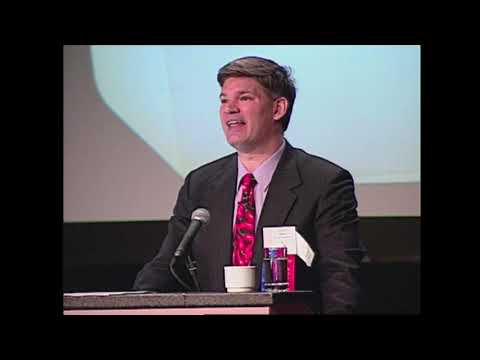
OOPSLA Conference: Growing a Language
0
林宜悉 posted on 2026/11/20Have you ever wondered what it's really like to build a programming language from scratch? This talk offers a unique perspective by using only one-syllable words to explain complex coding concepts, helping you master precise vocabulary and definitions along the way.
Learn this video on the APP!
The VoiceTube App has more in-depth practice for videos!