
account for
US /əˈkaʊnt fɔr/
UK /əˈkaunt fɔ:/
- Phrasal Verb
- To explain the cause or reason for something
- To form a particular amount or part of something.
- Verb (Transitive/Intransitive)
- To supply a reason or explanation for something.
- To form a particular amount or proportion of something.
A1Moreacross the line
US /əˈkrɔs ðə laɪn/
UK /əˈkrɒs ðə lain/
- other
- To behave beyond acceptable or permitted boundaries.
B2Moreas long as
US /æz lɔŋ æz/
UK /æz lɔŋ æz/
- Conjunction
- For the period that; provided that.
- For the length of time that
- Preposition
- On the condition that; providing that.
- Having the same length as.
A1Moreaside from
US /əˈsaɪd frʌm/
UK /əˈsaid frɔm/
- Phrase
A1Moreat least
US /æt list/
UK /æt li:st/
- Adverb
- As a minimum
- Not less than
- Phrase
- No less than; at the minimum
- Used to indicate that something is positive in a bad situation.
C2Moreat the same time
US
UK
- Phrase
- Simultaneously; at the identical moment.
- Nevertheless; however; used to introduce a contrasting or qualifying statement.
A1Moreback up
US /bæk ʌp/
UK /bæk ʌp/
- Phrasal Verb
- To save a copy of your computer data
- To confirm the truth of what someone says
A1Morebased on
US
UK
- Phrasal Verb
- To use something as the foundation or starting point for something else.
- Preposition
- Using something as the main idea or foundation.
- Relying on something as evidence or justification.
A1Morebasically
US /ˈbesɪkəli,-kli/
UK /ˈbeɪsɪkli/
- Adverb
- Used before you explain something simply, clearly
- In essence; when you consider the most important aspects of something.
A2Morebeam
US /bim/
UK /bi:m/
- Transitive Verb
- To send out information, signals, or light
- Noun (Countable/Uncountable)
- A long piece of metal or wood used in construction
- A line of light or energy
B1Morebinary
US /ˈbaɪnəri/
UK /ˈbaɪnəri/
- Adjective
- Having two parts; using only 2 numbers, 1 and 0
- Noun
- Mathematical language using only one and zero
B2Moreblank
US /blæŋk/
UK /blæŋk/
- Adjective
- Showing no emotion or understanding
- Being empty; not filled out; with no writing on it
- Noun
- Empty space on a form which you fill in
A2Morebottom
US /ˈbɑtəm/
UK /'bɒtəm/
- Noun
- The part of your body you sit on
- Lowest position, often in a company or contest
- Verb (Transitive/Intransitive)
- To hit the lowest part of something
- To provide with a bottom.
A2TOEICMorebring over
US
UK
- Phrasal Verb
- To take something to someone's home
A1Morebunch
US /bʌntʃ/
UK /bʌntʃ/
- Noun (Countable/Uncountable)
- A group of things of the same kind
- A group of people.
- Transitive Verb
- To group people or things closely together
B1Morecare of
US /kɛr ʌv/
UK /kɛə ɔv/
- Preposition
- Used in an address to indicate the person who will receive the mail for someone else.
A2Morechannel
US /ˈtʃænəl/
UK /'tʃænl/
- Noun (Countable/Uncountable)
- Long hole dug in the ground, e.g. to move water
- TV or radio station or its programs
- Transitive Verb
- To dig a long hole for carrying water
- To send (e.g. money) to a certain place or person
B1Morechip
US /tʃɪp/
UK /tʃɪp/
- Transitive Verb
- To break a small piece off something such as a cup
- To break into small pieces, often with a tool
- Noun (Countable/Uncountable)
- Small piece that has broken off (e.g. from cup)
- Piece of computer hardware that does calculations
B1Morecircuit
US /ˈsɜ:rkɪt/
UK /ˈsɜ:kɪt/
- Noun
- An area where cars race in a circle
- Route for journey all the way around a place
- Intransitive Verb
- To complete a journey all the way round an area
B1Moreclock up
US
UK
- Phrasal Verb
- To accumulate or achieve a particular number or amount of something.
A1Morecome back
US /kʌm bæk/
UK /kʌm bæk/
- Phrasal Verb
- To reply to someone, often forcefully
- To be remembered
A1Morecome up with
US /kʌm ʌp wɪð/
UK /kʌm ʌp wið/
- Phrasal Verb
- To think of an idea or solution; produce
A1Moreconnect
US /kəˈnɛkt/
UK /kə'nekt/
- Transitive Verb
- To associate a thing with something else
- To join or attach things together
A2Morecount
US /kaʊnt/
UK /kaʊnt/
- Verb (Transitive/Intransitive)
- To add things together to find the total number
- To matter or be important
- Countable Noun
- Number of things added together, e.g. votes
- With the number of crimes, knockouts, as stated
A2Morecount up
US /kaʊnt ʌp/
UK /kaunt ʌp/
- Phrasal Verb
- To add numbers together to find a total; to increase gradually.
B1Morecounter
US /ˈkaʊntɚ/
UK /'kaʊntə(r)/
- Transitive Verb
- To say or do something in opposition or resistance
- To try to prevent, as by making a different point
- Prefix
- Being opposite or against something
B1Morecrystal
US /ˈkrɪstəl/
UK /'krɪstl/
- Noun (Countable/Uncountable)
- A solid formed by the solidification of a chemical
- Rock with regularly repeating internal structure
- Proper Noun
- Person's name
B1Morecursor
US /ˈkə:sɚ/
UK /ˈkɜ:sə/
- Noun
- Mark showing where the mouse is on computer screen
B2Moredecode
US /ˌdi:ˈkoʊd/
UK /ˌdi:ˈkəʊd/
- Transitive Verb
- To translate from code into the plain text
B2Moredepending on
US
UK
- Phrasal Verb
- To rely on for support (financial or emotional)
- Influenced or determined by.
- Preposition
- Subject to; contingent on
- Relying on someone or something for support or assistance.
A2Moredetect
US /dɪˈtɛkt/
UK /dɪˈtekt/
- Transitive Verb
- To discover or identify the presence of something
A2TOEICMoredisplay
US /dɪˈsple/
UK /dɪˈspleɪ/
- Verb (Transitive/Intransitive)
- (Animals) to indicate readiness for sex
- To show, e.g. your feelings, thoughts; demonstrate
- Noun (Countable/Uncountable)
- Arrangement of objects so people can see or buy
- A device for showing information visually, such as a screen.
A2TOEICMoredivide
US /dɪˈvaɪd/
UK /dɪ'vaɪd/
- Verb (Transitive/Intransitive)
- To split numbers by another number, e.g. 6 / 2 = 3
- To separate something into equal pieces
- Noun
- A separation or distinction.
A2TOEICMoreelectron
US /ɪˈlektrɑ:n/
UK /ɪˈlektrɒn/
- Countable Noun
- A negatively charged particle
B2Moreexcept for
US /ɪkˈsɛpt fɔr/
UK /ikˈsept fɔ:/
- Preposition
- Not including; excluding.
except that
US /ɪkˈsɛpt ðæt/
UK /ikˈsept ðæt/
- Conjunction
- But; with the exception that.
A2Morefeed into
US
UK
- Phrasal Verb
- To have an influence on something or form a part of it
B1Morefeel like
US
UK
- Intransitive Verb
- To have a desire or inclination for something.
- To have a particular quality or sensation; resemble.
A1Morefigure out
US /ˈfɪɡjɚ aʊt/
UK /ˈfiɡə aut/
- Phrasal Verb
- To understand the behavior of someone
- To think through logically to find a solution
- Verb (Transitive/Intransitive)
- To understand or find an answer to something.
- To find a solution to a problem or understand something.
A1Morefor example
US
UK
- Phrase
- As an illustration or instance.
for now
US /fɔr naʊ/
UK /fɔ: nau/
- Phrase
- Temporarily; for the present time.
- In the short term; for the immediate future.
A1Moreframe
US /frem/
UK /freɪm/
- Transitive Verb
- To make a person that is not guilty appear guilty
- To put say or write something in a careful way
- Noun (Countable/Uncountable)
- Structure that holds a picture or photo
- A person's body shape determined by their skeleton
A2TOEICMorefrequency
US /ˈfrikwənsi/
UK /'fri:kwənsɪ/
- Uncountable Noun
- Number of repetitions of (radio or sound) wave
- How often something happens
B1TOEICMoregenerate
US /ˈdʒɛnəˌret/
UK /ˈdʒenəreɪt/
- Transitive Verb
- To create or be produced or bring into existence
- To create electricity, heat, energy and power
A2TOEICMoregenerator
US /ˈdʒɛnəˌretɚ/
UK /ˈdʒenəreɪtə(r)/
- Noun (Countable/Uncountable)
- Machine that produces electrical power
- An element that can be used to generate the elements of a group or set.
B2Moreget at
US /ɡɛt æt/
UK /ɡet æt/
- Phrasal Verb
- To criticize someone, often personally
- To imply something; hint at
A1Moreget here
US
UK
- Intransitive Verb
- To arrive at a specific location.
A1Moreget up to
US /ɡɛt ʌp tu/
UK /ɡet ʌp tu:/
- Phrasal Verb
- To do something slightly naughty
A1Morego ahead
US /ɡo əˈhɛd/
UK /ɡəu əˈhed/
- Phrasal Verb
- To start an activity; start doing, working etc.
- To give permission to do something
- Intransitive Verb
- To start or proceed with something
- To proceed despite potential obstacles or doubts.
A1Morego out
US /ɡo aʊt/
UK /ɡəu aut/
- Phrase
- To leave a building (e.g. a house)
- Phrasal Verb
- (Of a fire) to burn out; be extinguished
- Go out of fashion to stop being fashionable
A1Moregoing on
US /ˈɡoɪŋ ɑn/
UK /ˈgəʊɪŋ ɔn/
- Phrasal Verb
- To continue doing something
- To happen (usually negative)
A1Moregot to
US /ɡɑt tu/
UK /gɔt tu:/
- Verb (Transitive/Intransitive)
- To arrive at some place
- To have the opportunity or permission to do something
- Phrasal Verb
- To appeal to the emotions of; move
- To finally begin to start something after a delay
A1Morehanging out
US
UK
- Phrasal Verb
- To spend time with your friends
- To spend times with friends or relax doing nothing
A2Morehave to
US /hæv tu/
UK /ˈhæv tə/
- Auxiliary Verb
- Must do
A1Morehook
US /hʊk/
UK /hʊk/
- Noun (Countable/Uncountable)
- Bent tool used to catch fish or to hang things on
- The start of a story which catches your interest
- Transitive Verb
- To make a bent or curved shape
- To catch your interest completely
B1Morehorizontal
US /ˌhɔ:rəˈzɑ:ntl/
UK /ˌhɒrɪˈzɒntl/
- Adjective
- Concerning the horizon
- A level and flat position
- Adverb
- In a horizontal position or direction.
B1Moreignore
US /ɪɡˈnɔr, -ˈnor/
UK /ɪɡ'nɔ:(r)/
- Transitive Verb
- To not listen to, look at, or pay attention to
A2TOEICMorein different ways
US
UK
- Phrase
- Using various methods or approaches; with variety.
- In varying manners or styles; not uniformly.
A1Morein fact
US /ɪn fækt/
UK /in fækt/
- Adverb
- Used to emphasize the truth of a statement, especially one that contrasts with or contradicts something else.
- Used to introduce a more detailed or surprising piece of information.
- Phrase
- Used to emphasize the truth of a statement, especially one that is surprising or contrary to what might be expected.
C1Morein order to
US /ɪn ˈɔrdɚ tu/
UK /in ˈɔ:də tu:/
- Preposition
- For the purpose of; with the aim of.
- Phrase
- In a specific sequence or arrangement.
- With the aim of; for the purpose of.
C1Morein other words
US
UK
- Phrase
- Stating something in a different way, often to make it clearer or more understandable.
in terms of
US
UK
- Phrase
- With regard to; concerning a particular aspect.
A1Moreinstead of
US /ɪnˈstɛd ʌv/
UK /inˈsted ɔv/
- Preposition
- When one thing is replaced by another
- Adverb
- As a substitute or alternative.
A1Moreinvert
US /ɪnˈvɜ:rt/
UK /ɪnˈvɜ:t/
- Transitive Verb
- To turn the order of things backwards
B2Morejust kind of
US
UK
- Phrase
- Used to express a feeling or state in a vague or hesitant way.
- Used to indicate something is approximately or generally similar to something else.
A2Morelatch
US /lætʃ/
UK /lætʃ/
- Transitive Verb
- To tightly attach yourself to something
- Noun
- A (door lock)
B2Moreleave it out
US /liv ɪt aʊt/
UK /li:v ɪt aʊt/
- other
- To stop doing or saying something irritating or unpleasant.
B1Moreleft and right
US
UK
- Adverb
- In both the left and right directions.
- Everywhere; in all directions.
- Noun
- Referring to both liberal and conservative political viewpoints.
- Two opposing options or directions.
A1Morelook at
US /lʊk æt/
UK /luk æt/
- Phrasal Verb
- To use your eyes to focus on something
- To focus your eyes on something carefully
A1Moremegahertz
US
UK
- Noun
- One million periods per second
C1Moremonitor
US /ˈmɑ:nɪtə(r)/
UK /ˈmɒnɪtə(r)/
- Transitive Verb
- To observe and keep a record of something
- To observe and check the progress or quality of (something) over a period of time; keep under systematic review.
- Noun
- A senior student at school
- Electronic screen on which you can see images
A2TOEICMoremove over
US /muv ˈovɚ/
UK /mu:v ˈəuvə/
- Phrasal Verb
- To make room for someone or something by shifting position.
- To change one's job or position within an organization.
negative
US /ˈnɛɡətɪv/
UK /'neɡətɪv/
- Noun
- The opposite to a positive electrical charge
- In grammar, containing words such as 'no' or 'not'
- Adjective
- Being harmful, unwanted or unhelpful
- In mathematics, being less than zero
A2Moreof course
US /ʌv kɔː(r)s/
UK /ɔv kɔː(r)s/
- Adverb
- Sure ; Certainly
- Phrase
- For sure; certainly
A2Moreold school
US /old skul/
UK /əuld sku:l/
- Adjective
- Traditional or old-fashioned in style, behavior, or attitude.
- Referring to an earlier, more traditional style of music, especially hip-hop or rap.
- Noun
- A traditional method or approach.
B1Moreon camera
US /ɑn ˈkæmərə/
UK /ɔn ˈkæmərə/
- Adverb
- While being filmed or recorded.
- Adjective
- Having qualities that make one appear good or effective when filmed.
A1Moreone up
US /wʌn ʌp/
UK /wʌn ʌp/
- Adjective
- In a better or more advantageous position.
- Countable Noun
- An extra life or chance in a video game.
A1Moreover to
US
UK
- Preposition
- Used to hand over to someone else to speak
- The responsibility is now yours
pick off
US /pɪk ɔf/
UK /pik ɔf/
- Phrasal Verb
- To shoot at objects one by one
- To remove something from a surface by picking it.
A1Morepin up
US /pɪn ʌp/
UK /pɪn ʌp/
- other
- To attach something to a surface with a pin or tack.
- To display pictures or posters, especially of models or celebrities.
B1Morepixel
US /ˈpɪksəl, -ˌsɛl/
UK /ˈpɪksl/
- Noun
- Small element forming image on TV/computer screen
C1Moreporch
US /pɔ:rtʃ/
UK /pɔ:tʃ/
- Noun
- Roofed structure over the entrance of a building
B2Morepulse
US /pʌls/
UK /pʌls/
- Noun (Countable/Uncountable)
- Regular beating of a heart
- A single vibration or short burst of sound, light, electricity, or other energy.
- Verb (Transitive/Intransitive)
- To beat in a rhythm
- To emit or produce in pulses.
B1Moreput out
US /pʊt aʊt/
UK /put aut/
- Phrasal Verb
- To publish, e.g. a book
- To cause someone to be troubled or inconvenienced
A1Morequeue
US /kju/
UK /kju:/
- Noun (Countable/Uncountable)
- Line of people or cars waiting for something
- A list of data items, jobs, etc., stored so as to be retrievable in a definite order, usually the order of insertion.
- Intransitive Verb
- To wait in a line.
B1Morereset
US /riˈsɛt/
UK /ˌri:'set/
- Transitive Verb
- To return to the original start or formation
- Verb (Transitive/Intransitive)
- To return to the original start or formation
C1Moreright for
US
UK
- Adjective
- Suitable or appropriate for a particular person, purpose, or situation.
- Correct or most appropriate.
A1Moreripple
US /ˈrɪpəl/
UK /'rɪpl/
- Countable Noun
- Small gentle low wave on the surface of water, etc.
- Sound/noise/laughter that changes in volume
- Intransitive Verb
- To travel or move as small, gentle waves
- To be spread through a person or group
B2TOEICMoreroll over
US
UK
- Phrasal Verb
- To make a payment later than planned
- To turn your body when lying down
A2Moresame time
US
UK
- Phrase
- Occurring simultaneously or at the same point in time.
- At the identical time as before; recurring at a fixed hour.
- Noun
- An equal duration or period.
A1Morescan
US /skæn/
UK /skæn/
- Transitive Verb
- To look inside of the body with a special machine
- To look at something very quickly for information
- Noun
- A look inside the body with a special machine
B1TOEICMorescreen
US /skrin/
UK /skri:n/
- Transitive Verb
- To hide or block something from being seen
- To examine to find something, e.g. best candidate
- Noun
- Wire net in a door or window to keep insects out
- Displays in a theater on which movies are shown
A2TOEICMoresee in
US /si ɪn/
UK /si: in/
- Phrasal Verb
- To accompany someone to the entrance of a building or room.
A1Moreset on
US /sɛt ɑn/
UK /set ɔn/
- Phrasal Verb
- To attack
- To cause someone to want to do something.
A1Moreset up
US /sɛt ʌp/
UK /set ʌp/
- Phrasal Verb
- To make arrangements for something; establish
- Verb (Transitive/Intransitive)
- To arrange or prepare something for use.
- To start a business, organization, etc.
A1Moreshow up
US /ʃo ʌp/
UK /ʃəu ʌp/
- Phrasal Verb
- To arrive or be seen at a place, e.g. a party
- To be noticeably better than (someone else)
A1Moresignal
US /ˈsɪɡnəl/
UK /'sɪɡnəl/
- Verb (Transitive/Intransitive)
- To be evidence/an indication something will happen
- To make a noise or motion to tell someone to start
- Noun (Countable/Uncountable)
- Evidence or an indication something will happen
- Movement of a hand or other means to send messages
A2Morestart off
US /stɑrt ɔf/
UK /stɑ:t ɔf/
- Phrasal Verb
- To begin or commence something.
- To begin a journey.
B2Morestart out
US /stɑrt aʊt/
UK /stɑ:t aut/
- Phrasal Verb
- To begin your life or career in a particular way.
- To begin a journey.
A1Moreswing back
US /swɪŋ bæk/
UK /swɪŋ bæk/
- other
- To move backward in a swinging or curved motion.
B2Moresync
US /sɪŋk/
UK /sɪŋk/
- Noun
- Short for 'synchronization'
C1Moretell on
US
UK
- Phrasal Verb
- To report someone's bad behavior to an authority.
A1Morethink about
US /θɪŋk əˈbaʊt/
UK /θiŋk əˈbaut/
- Phrasal Verb
- To consider something carefully.
- To remember or call to mind.
A1Morethink of
US /θɪŋk ʌv/
UK /θiŋk ɔv/
- Phrasal Verb
- To look on as (being something specific); consider
- To consider or remember something.
- Verb (Transitive/Intransitive)
- To imagine or call something to mind
A1Moreto the left
US
UK
- Phrase
- In or toward the left direction.
- Situated on the left side of.
turn on
US /tɚn ɑn/
UK /tə:n ɔn/
- Phrasal Verb
- To cause someone to be interested or excited
- Transitive Verb
- To activate or switch on a device or appliance.
- To suddenly attack or criticize someone.
A1Moreup there
US /ʌp ðɛr/
UK /ʌp ðɛə/
- Adverb
- In or to a higher place or position; far away.
- In heaven.
A1Moreup to speed
US /ʌp tu spid/
UK /ʌp tu: spi:d/
- Adjective
- Fully informed; aware of the latest information
vertical
US /ˈvɜ:rtɪkl/
UK /ˈvɜ:tɪkl/
- Adjective
- (Of a line, etc.) going up and down; not horizontal
- Extending or operating upward from a base.
- Noun
- A vertical line or plane.
- An upright structural member.
B1Morevisible
US /ˈvɪzəbəl/
UK /ˈvɪzəbl/
- Adjective
- Can see, easily seen or understood
B1TOEICMorework out
US /wɚk aʊt/
UK /wə:k aut/
- Phrasal Verb
- To find a way to do something, by thinking
A1Morezoom out
US /zum aʊt/
UK /zu:m aut/
- Phrasal Verb
- To decrease the magnification of an image, showing more of the scene.
- To take a broader perspective; to consider the overall context.
Vocabulary
- look at: To use your eyes to focus on something
- of course: Sure ; Certainly
- instead of: When one thing is replaced by another
- in order to: For the purpose of; with the aim of.
- over to: Used to hand over to someone else to speak
- got to: To arrive at some place
- as long as: For the period that; provided that.
- have to: Must do
- based on: To use something as the foundation or starting point for something else.
- show up: To arrive or be seen at a place, e.g. a party
- for now: Temporarily; for the present time.
- turn on
- up there: In or to a higher place or position; far away.
- count up: To add numbers together to find a total; to increase gradually.
- to the left: In or toward the left direction.
- swing back: To move backward in a swinging or curved motion.
- back up: To save a copy of your computer data
- depending on: To rely on for support (financial or emotional)
- for example: As an illustration or instance.
- in terms of
- work out
- at least: As a minimum
- just kind of: Used to express a feeling or state in a vague or hesitant way.
- roll over: To make a payment later than planned
- get here: To arrive at a specific location.
- put out: To publish, e.g. a book
- zoom out: To decrease the magnification of an image, showing more of the scene.
- aside from
- in different ways: Using various methods or approaches; with variety.
- old school: Traditional or old-fashioned in style, behavior, or attitude.
- right for: Suitable or appropriate for a particular person, purpose, or situation.
- up to speed: Fully informed; aware of the latest information
- think of: To look on as (being something specific); consider
- left and right: In both the left and right directions.
- account for: To explain the cause or reason for something
- in fact: Used to emphasize the truth of a statement, especially one that contrasts with or contradicts something else.
- see in: To accompany someone to the entrance of a building or room.
- think about: To consider something carefully.
- come up with: To think of an idea or solution; produce
- start out: To begin your life or career in a particular way.
- get at: To criticize someone, often personally
- at the same time: Simultaneously; at the identical moment.
- same time: Occurring simultaneously or at the same point in time.
- leave it out: To stop doing or saying something irritating or unpleasant.
- clock up: To accumulate or achieve a particular number or amount of something.
- figure out: To understand the behavior of someone
- except for: Not including; excluding.
- hanging out: To spend time with your friends
- get up to: To do something slightly naughty
- pick off: To shoot at objects one by one
- start off: To begin or commence something.
- one up: In a better or more advantageous position.
- going on: To continue doing something
- go out: To leave a building (e.g. a house)
- come back: To reply to someone, often forcefully
- on camera: While being filmed or recorded.
- tell on: To report someone's bad behavior to an authority.
- set up
- pin up: To attach something to a surface with a pin or tack.
- feed into: To have an influence on something or form a part of it
- move over: To make room for someone or something by shifting position.
- bring over: To take something to someone's home
- care of: Used in an address to indicate the person who will receive the mail for someone else.
- except that: But; with the exception that.
- set on: To attack
- across the line: To behave beyond acceptable or permitted boundaries.
- in other words: Stating something in a different way, often to make it clearer or more understandable.
- go ahead: To start an activity; start doing, working etc.
- feel like: To have a desire or inclination for something.
- sort: To organize things by putting them into groups
- bunch: A group of things of the same kind
- basically: Used before you explain something simply, clearly
- negative: The opposite to a positive electrical charge
- measure: Plan to achieve a desired result
- bit: Device put in a horse's mouth to control it
- divide: To split numbers by another number, e.g. 6 / 2 = 3
- draw: To attract attention to someone or something
- ignore: To not listen to, look at, or pay attention to
- frame: To make a person that is not guilty appear guilty
- generate: To create or be produced or bring into existence
- counter: To say or do something in opposition or resistance
- pretty: Being attractive to the eye in a simple way
- rest: Time when one relaxes, sleeps, or is inactive
- lead: Wire for electricity, computer, etc.; cable
- ground: To break (coffee, etc.) into tiny bits with machine
- queue: Line of people or cars waiting for something
- leave: To go away from; depart
- detect: To discover or identify the presence of something
- frequency: Number of repetitions of (radio or sound) wave
- bottom: The part of your body you sit on
- lot: What happens to a person in life from chance; fate
- count: To add things together to find the total number
- signal: To be evidence/an indication something will happen
- channel: Long hole dug in the ground, e.g. to move water
- place: To put someone in a particular type of situation
- visible: Can see, easily seen or understood
- kind: In a caring and helpful manner
- sync: Short for 'synchronization'
- order: Religious or social group, as of nuns
- vertical: (Of a line, etc.) going up and down; not horizontal
- ripple: Small gentle low wave on the surface of water, etc.
- build: Your physical shape; physique
- latch: To tightly attach yourself to something
- crystal: A solid formed by the solidification of a chemical
- blank: Showing no emotion or understanding
- connect: To associate a thing with something else
- monitor: To observe and keep a record of something
- porch: Roofed structure over the entrance of a building
- bring: To take or go with someone to a place
- hook: Bent tool used to catch fish or to hang things on
- chip: To break a small piece off something such as a cup
- screen: To hide or block something from being seen
- circuit: An area where cars race in a circle
- display: (Animals) to indicate readiness for sex
- binary: Having two parts; using only 2 numbers, 1 and 0
- pulse: Regular beating of a heart
- horizontal: Concerning the horizon
- scan: To look inside of the body with a special machine
- beam: To send out information, signals, or light
- decode: To translate from code into the plain text
- generator: Machine that produces electrical power
- electron: A negatively charged particle
- reset: To return to the original start or formation
- cursor: Mark showing where the mouse is on computer screen
- pixel: Small element forming image on TV/computer screen
- invert: To turn the order of things backwards
- megahertz: One million periods per second
Get the full experience in the app
Learn anywhere with detailed sentence and usage analysis
01:03
She took a brave step forward, leaving behind her comfort zone to chase her dreams.
Vocabulary
- brave
adj. Having courage
- comfort zone
phr. A familiar situation where one feels safe
Explanation
a brave step is a noun phrase, where brave is an adjective modifying the noun step, meaning "a courageous step".
forward is an adverb modifying step, meaning "ahead".
The whole phrase serves as the object, answering the "what" of took (verb) — she took a brave step forward.
Get the full experience in the app
Look up words anytime with pronunciation, part of speech, and usage
brave
US/brev/
UK/breɪv/
adj.Brave
v.t.To bravely face
A2 Elementary
Get the full experience in the app
Practice speaking anytime and get instant pronunciation feedback
Try this speaking exercise.
Try practicing with this sentence.
80
0
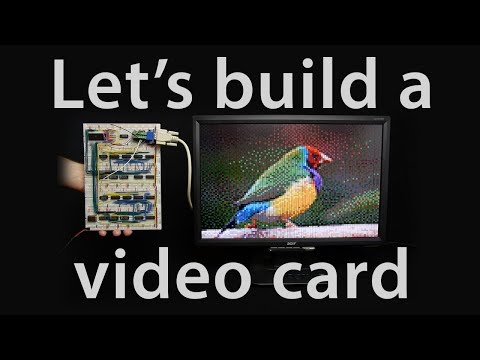
林宜悉 posted on 2026/11/18Ever wondered how a computer actually sends an image to a monitor through those old-school VGA cables? You'll learn the precise science of signal timing and pixel counts while picking up some handy technical vocabulary about hardware oscillators and electronic circuits.
Learn this video on the APP!
The VoiceTube App has more in-depth practice for videos!