
a few moments
US
UK
- Phrase
- A short period of time
A2Morealgebra
US /ˈældʒəbrə/
UK /ˈældʒɪbrə/
- Uncountable Noun
- Math using letters or symbols in place of numbers
C1Morealmost all of
US
UK
- Determiner
- Nearly the entire quantity or number of something.
- Pronoun
- Nearly every person in a group.
A1Morealong with
US /əˈlɔŋ wɪð/
UK /əˈlɔŋ wið/
- Preposition
- In addition to; together with.
- Adverb
- In company or together with someone or something.
- Including; in addition to.
A2Moreangle
US /ˈæŋɡəl/
UK /ˈæŋgl/
- Noun
- Place where two lines or surfaces meet
B1TOEICMoreanti
US /ˈæntaɪ, -ti/
UK /'æntɪ/
- Adjective
- A prefix meaning 'against' or 'opposed'
B2Moreas one
US
UK
- Adverb
- Acting or moving together at the same time.
- In complete agreement or unity.
- Phrase
- With a single voice or opinion; unanimously.
- In perfect harmony or unison.
A1Moreat first glance
US /æt fɚst ɡlæns/
UK /æt fə:st ɡlɑ:ns/
- Phrase
- Upon initial observation or assessment.
A1Moreat least
US /æt list/
UK /æt li:st/
- Adverb
- As a minimum
- Not less than
- Phrase
- No less than; at the minimum
- Used to indicate that something is positive in a bad situation.
C2Moreat once
US /æt wʌns/
UK /æt wʌns/
- Adverb
- Immediately; without delay
- At the same time; simultaneously
A2Moreat times
US /æt taɪmz/
UK /æt taɪmz/
- Phrase
- Sometimes; occasionally.
A1Morebased on
US
UK
- Phrasal Verb
- To use something as the foundation or starting point for something else.
- Preposition
- Using something as the main idea or foundation.
- Relying on something as evidence or justification.
A1Morebasis
US /ˈbesɪs/
UK /ˈbeɪsɪs/
- Noun
- Main ingredient or part of something
- Starting situation, fact, idea to develop from
A2TOEICMoreby itself
US /baɪ ɪtˈsɛlf/
UK /bai itˈself/
- Adverb
- Alone; without help or assistance.
- Without any external influence or aid.
A2Morecalculate
US /ˈkælkjəˌlet/
UK /'kælkjʊleɪt/
- Transitive Verb
- To find an answer using mathematics
- To make an educated guess about something
B2Morecombination
US /ˌkɑmbəˈneʃən/
UK /ˌkɒmbɪ'neɪʃn/
- Noun
- Series of letters or numbers needed to open a lock
- Act or result of mixing things together
B1Morecombine
US /kəmˈbaɪn/
UK /kəmˈbaɪn/
- Verb (Transitive/Intransitive)
- To mix several things together to form one thing
- To harvest by means of a combine.
- Noun (Countable/Uncountable)
- A harvesting machine for cutting, threshing, and cleaning grain.
- A mixture of different things.
A2Morecome back
US /kʌm bæk/
UK /kʌm bæk/
- Phrasal Verb
- To reply to someone, often forcefully
- To be remembered
A1Morecomplex
US /kəmˈplɛks, ˈkɑmˌplɛks/
UK /'kɒmpleks/
- Countable Noun
- Group of buildings all used for the same purpose
- Adjective
- Not being simple; having many parts or aspects
A2Morecomponent
US /kəmˈponənt/
UK /kəmˈpəʊnənt/
- Noun (Countable/Uncountable)
- One of the parts that something is made up of
- A constituent part; ingredient.
- Adjective
- Being a part of something
A2Moreconjugate
US /ˈkɑndʒəˌɡet/
UK /'kɒndʒəɡeɪt/
- Adjective
- (Of leaves) having only one pair of leaflets
C1Moreculminate in
US
UK
- Phrasal Verb
- To reach the highest point or final stage; to result in.
cut in
US /kʌt ɪn/
UK /kʌt in/
- Phrasal Verb
- To interrupt someone's conversation
- To enter a queue at the wrong place
A1Moredeal with
US /dil wɪð/
UK /di:l wið/
- Verb (Transitive/Intransitive)
- To buy or sell goods or services.
- Phrasal Verb
- To take action to solve a problem or manage a situation.
- To be about; concern.
A1Moredimension
US /dɪˈmɛnʃən, daɪ-/
UK /daɪˈmenʃn/
- Noun (Countable/Uncountable)
- Number of planes (X, Y, Z axes) an object has
- Measurement in space, e.g. length or diameter
B1Moredimensional
US /dɪˈmɛnʃənl:/
UK /dɪ'menʃənəl/
- Adjective
- Concerning how many planes an object exists in
B1Moredirection
US /dɪˈrɛkʃən, daɪ-/
UK /də'rekʃn/
- Noun (Countable/Uncountable)
- When someone tells people what to do
- Describes the way you are going, e.g. North
A2TOEICMoreequation
US /ɪˈkweʒən, -ʃən/
UK /ɪˈkweɪʒn/
- Noun (Countable/Uncountable)
- Mathematical statement showing things to be equal
- Complex set of different facts, ideas or issues
B1Moreequivalent
US /ɪˈkwɪvələnt/
UK /ɪˈkwɪvələnt/
- Adjective
- Equal to something in value, use or meaning
- Having the same meaning or significance.
- Noun
- Thing like another in quality, quantity or degree
B1TOEICMoreexcept that
US /ɪkˈsɛpt ðæt/
UK /ikˈsept ðæt/
- Conjunction
- But; with the exception that.
A2Morefactor
US /ˈfæktɚ/
UK /'fæktə(r)/
- Noun
- Something that influences a result
- Transitive Verb
- To consider or include in an estimate or judgment
- To find the two numbers a number can be divided by
A2TOEICMorefactor out
US /ˈfæktɚ aʊt/
UK /ˈfæktə aut/
- Phrasal Verb
- To rewrite an expression by removing a common factor from its terms.
- To exclude something when making a decision or calculation.
B2Morefigure out
US /ˈfɪɡjɚ aʊt/
UK /ˈfiɡə aut/
- Phrasal Verb
- To understand the behavior of someone
- To think through logically to find a solution
- Verb (Transitive/Intransitive)
- To understand or find an answer to something.
- To find a solution to a problem or understand something.
A1Morefill in
US /fɪl ɪn/
UK /fil in/
- Phrasal Verb
- To put earth in e.g. a hole
- To explain the context so that someone understands
- Verb (Transitive/Intransitive)
- To write or type information in a blank space.
- To temporarily do someone else's job.
A1Morefirst off
US /fɚst ɔf/
UK /fə:st ɔf/
- Phrase
- To begin with; firstly.
- Most importantly; above all else.
A1Morefor example
US
UK
- Phrase
- As an illustration or instance.
for instance
US /fɔr ˈɪnstəns/
UK /fɔ: ˈinstəns/
- Adverb
- As an example.
- Phrase
- As an example.
- As an illustration or case in point
B1Morefor long
US
UK
- Phrase
- For a considerable period of time.
- For a significant duration in the future.
A1Morefor now
US /fɔr naʊ/
UK /fɔ: nau/
- Phrase
- Temporarily; for the present time.
- In the short term; for the immediate future.
A1Moreformula
US /ˈfɔrmjələ/
UK /'fɔ:mjələ/
- Noun (Countable/Uncountable)
- A mathematical or scientific rule
- Plan, rule or method for doing or making something
A2TOEICMoregeometric
US /ˌdʒiəˈmɛtrɪk/
UK /ˌdʒi:əˈmetrɪk/
- Adjective
- With regular mathematical patterns/straight lines
B2Moreget here
US
UK
- Intransitive Verb
- To arrive at a specific location.
A1Moreget out of
US /ɡɛt aʊt ʌv/
UK /ɡet aut ɔv/
- Phrasal Verb
- To leave or escape responsibilities, troubles
- To leave a small, enclosed vehicle
A1Morego away
US /ɡo əˈwe/
UK /ɡəu əˈwei/
- Phrasal Verb
- To go on vacation
- To leave; depart.
A1Moregradient
US /ˈɡrediənt/
UK /ˈgreɪdiənt/
- Noun
- A measure of how steep something is
B2Morehave to
US /hæv tu/
UK /ˈhæv tə/
- Auxiliary Verb
- Must do
A1Morein accordance with
US /ɪn əˈkɔrdns wɪð/
UK /in əˈkɔ:dəns wið/
- Phrase
- In agreement with; following
in addition to
US /ɪn əˈdɪʃən tu/
UK /in əˈdiʃən tu:/
- Preposition
- Besides; as well as
- Phrase
- Besides; as well as.
- Furthermore; moreover.
B1Morein another way
US
UK
- Phrase
- Using a different method or approach.
- Stated differently; put in other words.
in disguise
US /ɪn dɪsˈɡaɪz/
UK /in disˈɡaiz/
- Phrase
- Having altered one's appearance to conceal one's identity.
- Seeming different from what it really is; concealing the true nature.
B2Morein fact
US /ɪn fækt/
UK /in fækt/
- Adverb
- Used to emphasize the truth of a statement, especially one that contrasts with or contradicts something else.
- Used to introduce a more detailed or surprising piece of information.
- Phrase
- Used to emphasize the truth of a statement, especially one that is surprising or contrary to what might be expected.
C1Morein general
US /ɪn ˈdʒɛnərəl/
UK /in ˈdʒenərəl/
- Phrase
- Typically; usually; on the whole.
- Not specific or detailed; broadly.
- Adjective
- Not detailed or specific; overall.
C2Morein half
US /ɪn hæf/
UK /in hɑ:f/
- Adverb
- Divided into two equal parts.
- Partially; to some extent.
A1Morein terms of
US
UK
- Phrase
- With regard to; concerning a particular aspect.
A1Morein the end
US /ɪn ði ɛnd/
UK /in ðə end/
- Phrase
- Finally; after a period of time or series of events.
- Ultimately; as the final result or consequence.
A1Morein the world
US /ɪn ði wɜrld/
UK /in ðə wɜː(r)ld/
- Phrase
- Used to emphasize a question expressing surprise, confusion, disbelief
- Used to indicate the extent or degree of something, often in a superlative sense
A1Moreinstead of
US /ɪnˈstɛd ʌv/
UK /inˈsted ɔv/
- Preposition
- When one thing is replaced by another
- Adverb
- As a substitute or alternative.
A1Moreinto detail
US /ˈɪntu ˈditel/
UK /ˈɪntəʊ ˈdi:teɪl/
- other
- To explain or discuss something thoroughly with many specifics.
B1Morelook at
US /lʊk æt/
UK /luk æt/
- Phrasal Verb
- To use your eyes to focus on something
- To focus your eyes on something carefully
A1Moremagnetic
US /mæɡˈnɛtɪk/
UK /mægˈnetɪk/
- Adjective
- Having the properties of a magnet; able to attract
- Having great power to attract attention, interest
B2Moremagnitude
US /ˈmæɡnɪˌtud, -ˌtjud/
UK /ˈmægnɪtju:d/
- Noun
- Number representing force of an earthquake
- Size or importance
B2Moremake with
US
UK
- Phrasal Verb
- To offer or provide something, often quickly or unexpectedly.
move on
US /muv ɑn/
UK /mu:v ɔn/
- Phrasal Verb
- To decide to change or go to a different place
- To start talking about something different.
A1Moremultiplication
US /ˌmʌltəplɪˈkeʃən/
UK /ˌmʌltɪplɪˈkeɪʃn/
- Uncountable Noun
- Increase in the number of something
- Process of multiplying one number by another
B1Moremultiply
US /ˈmʌltəˌplaɪ/
UK /ˈmʌltɪplaɪ/
- Verb (Transitive/Intransitive)
- To increase in number by reproducing/having babies
- To increase something by a large quantity
B1Moreobject
US /ˈɑbdʒɪkt/
UK /'ɒbdʒɪkt/
- Noun (Countable/Uncountable)
- Something you can see or touch, but is not alive
- Goal or purpose of a particular plan or activity
- Verb (Transitive/Intransitive)
- To disagree; to protest against an idea or plan
- To state one's reason for disagreement
A2TOEICMoreof course
US /ʌv kɔː(r)s/
UK /ɔv kɔː(r)s/
- Adverb
- Sure ; Certainly
- Phrase
- For sure; certainly
A2Moreon the contrary
US
UK
- Phrase
- In contrast; from the opposite standpoint
B1Moreorientation
US /ˌɔriɛnˈteʃən, -ən-, ˌor-/
UK /ˌɔ:riənˈteɪʃn/
- Noun
- Where you are in a location, e.g. facing east/west
- Process of giving information about something new
B1Moreoriginal
US /əˈrɪdʒənəl/
UK /ə'rɪdʒənl/
- Adjective
- Being first made, thought or performed; fresh
- Being unique or thinking differently from others
- Noun (Countable/Uncountable)
- A work of art, writing, or music that is not a copy.
- A person of fresh initiative or inventiveness.
A2TOEICMoreout of the way
US /aʊt ʌv ði we/
UK /aut ɔv ðə wei/
- Adjective
- Remote; isolated.
- No longer obstructing or hindering.
- Phrase
- Not obstructing or impeding progress; in a position where one does not cause an obstruction.
- Completed; finished; no longer needing attention.
B1Morepop up
US /pɑp ʌp/
UK /pɔp ʌp/
- Intransitive Verb
- To appear suddenly.
- Phrasal Verb
- To appear suddenly and unexpectedly.
- To appear on a computer screen.
A1Moreprocess
US /ˈprɑsˌɛs, ˈproˌsɛs/
UK /prə'ses/
- Transitive Verb
- To organize and use data in a computer
- To deal with official forms in the way required
- Noun (Countable/Uncountable)
- Dealing with official forms in the way required
- Set of changes that occur slowly and naturally
A2TOEICMorepseudo
US
UK
- Adjective
- Not genuine but having the appearance of
- (computing) being not actually but having the appearance of; quasi-
- Prefix
- A prefix meaning false or spurious.
C2Morequantum
US /ˈkwɑ:ntəm/
UK /ˈkwɒntəm/
- Noun (Countable/Uncountable)
- The smallest unit or amount of energy
B2Morequarter
US /ˈkwɔrtɚ/
UK /'kwɔ:tə(r)/
- Countable Noun
- 25 cents
- 3-month period of time for businesses, etc.
- Transitive Verb
- To split something into four equal parts
- To give a soldier a place to live for a short time
A2TOEICMorerepresent
US /ˌrɛprɪˈzɛnt/
UK /ˌreprɪ'zent/
- Transitive Verb
- To depict art objects, figures, scenes; to portray
- To show or describe something in a particular way
A2TOEICMoreresult
US /rɪˈzʌlt/
UK /rɪ'zʌlt/
- Noun
- Something produced through tests or experiments
- Final score of a competition, election or game
- Intransitive Verb
- To be the outcome of other causes and effects
- To happen or exist as a consequence of something.
A2Morerotate
US /ˈroʊteɪt/
UK /rəʊˈteɪt/
- Verb (Transitive/Intransitive)
- To regularly change people who perform a role
- To regularly change the crops that grow in a field
B2Morerotation
US /roʊˈteɪʃn/
UK /rəʊˈteɪʃn/
- Uncountable Noun
- Regular change of the crops grown in a field
- Group who take turns performing a certain task
B2Morerotor
US /ˈroʊtə(r)/
UK /ˈrəʊtə(r)/
- Noun
- Rotating part of an electrical machine
B2Morescalar
US /ˈskelɚ, -ˌlɑr/
UK /ˈskeɪlə(r)/
- Adjective
- Variable quantity that cannot be resolved into components
C2Morescale
US /skel/
UK /skeɪl/
- Noun (Countable/Uncountable)
- Size, level, or amount when compared
- Small hard plates that cover the body of fish
- Verb (Transitive/Intransitive)
- To change the size of but keep the proportions
- To climb something large (e.g. a mountain)
A2TOEICMoresee in
US /si ɪn/
UK /si: in/
- Phrasal Verb
- To accompany someone to the entrance of a building or room.
A1Moreset out
US /sɛt aʊt/
UK /set aut/
- Phrasal Verb
- To arrange something in an orderly fashion
- To give in detail in writing
A1Moresquare
US /skwɛr/
UK /skweə(r)/
- Noun (Countable/Uncountable)
- Shape with 4 equal length sides and 4 equal angles
- The result of multiplying Length by the width
- Adjective
- Being fair or honest
- Multiply a number by itself e.g. 2x2 or 6x6
A2TOEICMorestart off
US /stɑrt ɔf/
UK /stɑ:t ɔf/
- Phrasal Verb
- To begin or commence something.
- To begin a journey.
B2Morestart over
US /stɑrt ˈovɚ/
UK /stɑ:t ˈəuvə/
- Phrasal Verb
- To begin again.
A1Moresuch as
US /sʌtʃ æz/
UK /sʌtʃ æz/
- Preposition
- For example; like
A1Moreswap
US /swɑp/
UK /swɒp/
- Transitive Verb
- To exchange goods without spending money; trade
- Noun
- A trade or exchange of goods without using money
B2TOEICMoretalking about
US
UK
- Phrasal Verb
- To discuss a particular topic.
- To be constantly mentioning or bringing up a subject.
A1Moretheta
US /ˈθetə, ˈθi-/
UK /ˈθi:tə/
- Noun
- 8th letter of the Greek alphabet
C1Morethink about
US /θɪŋk əˈbaʊt/
UK /θiŋk əˈbaut/
- Phrasal Verb
- To consider something carefully.
- To remember or call to mind.
A1Morethink of
US /θɪŋk ʌv/
UK /θiŋk ɔv/
- Phrasal Verb
- To look on as (being something specific); consider
- To consider or remember something.
- Verb (Transitive/Intransitive)
- To imagine or call something to mind
A1Moreto do with
US
UK
- Phrasal Verb
- To be about something; concern
A1Moreto let
US /tu lɛt/
UK /tu let/
- Preposition
- Indicates that a property is available for rent.
A2Moretorque
US /tɔrk/
UK /tɔ:k/
- Noun
- Turning or twisting force
B2TOEICMoreturn in
US /tɚn ɪn/
UK /tə:n in/
- Phrasal Verb
- To produce or achieve a good performance
- To go to bed
A1Moreunit
US /ˈjunɪt/
UK /ˈju:nɪt/
- Countable Noun
- One apartment in a building
- Group of people, e.g. soldiers, that work together
B2TOEICMoreused to
US /juzd tu/
UK /ˈju:st tə/
- Adjective
- Did regularly before, but don't do now
- Auxiliary Verb
- Have done before, but do not do now
A1Morevector
US /ˈvɛktɚ/
UK /'vektə(r)/
- Noun
- Math a quantity that has both size and direction
B2Morewith it
US /wɪð ɪt/
UK /wið it/
- Adjective
- Intelligent, alert, and up-to-date.
- Understanding and knowledgeable about current trends or information.
A1Morewith respect to
US /wɪð rɪˈspɛkt tu/
UK /wið risˈpekt tu:/
- Preposition
- In relation to; regarding.
- Phrase
- In relation to; concerning.
A1Morework out
US /wɚk aʊt/
UK /wə:k aut/
- Phrasal Verb
- To find a way to do something, by thinking
A1More
Vocabulary
- look at: To use your eyes to focus on something
- in terms of
- such as: For example; like
- in fact: Used to emphasize the truth of a statement, especially one that contrasts with or contradicts something else.
- have to: Must do
- instead of: When one thing is replaced by another
- used to: Did regularly before, but don't do now
- go away: To go on vacation
- work out
- in the end: Finally; after a period of time or series of events.
- except that: But; with the exception that.
- along with: In addition to; together with.
- get out of: To leave or escape responsibilities, troubles
- think of: To look on as (being something specific); consider
- talking about: To discuss a particular topic.
- of course: Sure ; Certainly
- in general: Typically; usually; on the whole.
- at once: Immediately; without delay
- with it: Intelligent, alert, and up-to-date.
- think about: To consider something carefully.
- for example: As an illustration or instance.
- in half: Divided into two equal parts.
- with respect to: In relation to; regarding.
- almost all of: Nearly the entire quantity or number of something.
- out of the way: Remote; isolated.
- start off: To begin or commence something.
- as one: Acting or moving together at the same time.
- come back: To reply to someone, often forcefully
- for instance: As an example.
- for now: Temporarily; for the present time.
- a few moments: A short period of time
- into detail: To explain or discuss something thoroughly with many specifics.
- make with: To offer or provide something, often quickly or unexpectedly.
- culminate in: To reach the highest point or final stage; to result in.
- fill in: To put earth in e.g. a hole
- move on: To decide to change or go to a different place
- start over: To begin again.
- to let: Indicates that a property is available for rent.
- for long: For a considerable period of time.
- in the world: Used to emphasize a question expressing surprise, confusion, disbelief
- figure out: To understand the behavior of someone
- factor out: To rewrite an expression by removing a common factor from its terms.
- see in: To accompany someone to the entrance of a building or room.
- by itself: Alone; without help or assistance.
- in addition to: Besides; as well as
- in accordance with: In agreement with; following
- at times: Sometimes; occasionally.
- to do with: To be about something; concern
- in another way: Using a different method or approach.
- in disguise: Having altered one's appearance to conceal one's identity.
- first off: To begin with; firstly.
- at first glance: Upon initial observation or assessment.
- pop up: To appear suddenly.
- turn in: To produce or achieve a good performance
- cut in: To interrupt someone's conversation
- based on: To use something as the foundation or starting point for something else.
- set out: To arrange something in an orderly fashion
- get here: To arrive at a specific location.
- deal with
- on the contrary: In contrast; from the opposite standpoint
- at least: As a minimum
- equivalent: Equal to something in value, use or meaning
- process: To organize and use data in a computer
- scale: Size, level, or amount when compared
- general: Widespread, normal or usual
- sense: Certain mental feeling or emotion
- combination: Series of letters or numbers needed to open a lock
- describe: To tell the appearance, sound, smell of something
- represent: To depict art objects, figures, scenes; to portray
- complex: Group of buildings all used for the same purpose
- bit: Device put in a horse's mouth to control it
- component: One of the parts that something is made up of
- field: Area of study, such as physics or biology
- similar: Nearly the same; alike
- formula: A mathematical or scientific rule
- direction: When someone tells people what to do
- factor: Something that influences a result
- result: Something produced through tests or experiments
- swap: To exchange goods without spending money; trade
- equal: Same in shape, size, or number
- equation: Mathematical statement showing things to be equal
- orientation: Where you are in a location, e.g. facing east/west
- magnitude: Number representing force of an earthquake
- leave: To go away from; depart
- object: Something you can see or touch, but is not alive
- normal: Standard or regular way of doing something
- combine: To mix several things together to form one thing
- notice: To become aware by sight, touch, or hearing
- quarter: 25 cents
- lot: What happens to a person in life from chance; fate
- square: Shape with 4 equal length sides and 4 equal angles
- original: Being first made, thought or performed; fresh
- kind: In a caring and helpful manner
- magnetic: Having the properties of a magnet; able to attract
- order: Religious or social group, as of nuns
- fact: Something that is known or proved to be true
- simple: Not hard to understand or do; not complex
- multiply: To increase in number by reproducing/having babies
- basis: Main ingredient or part of something
- dimension: Number of planes (X, Y, Z axes) an object has
- quantum: The smallest unit or amount of energy
- rotation: Regular change of the crops grown in a field
- algebra: Math using letters or symbols in place of numbers
- rotate: To regularly change people who perform a role
- dimensional: Concerning how many planes an object exists in
- angle: Place where two lines or surfaces meet
- anti: A prefix meaning 'against' or 'opposed'
- unit: One apartment in a building
- calculate: To find an answer using mathematics
- gradient: A measure of how steep something is
- pseudo: Not genuine but having the appearance of
- multiplication: Increase in the number of something
- conjugate: (Of leaves) having only one pair of leaflets
- geometric: With regular mathematical patterns/straight lines
- vector: Math a quantity that has both size and direction
- torque: Turning or twisting force
- rotor: Rotating part of an electrical machine
- scalar: Variable quantity that cannot be resolved into components
- theta: 8th letter of the Greek alphabet
Get the full experience in the app
Learn anywhere with detailed sentence and usage analysis
01:03
She took a brave step forward, leaving behind her comfort zone to chase her dreams.
Vocabulary
- brave
adj. Having courage
- comfort zone
phr. A familiar situation where one feels safe
Explanation
a brave step is a noun phrase, where brave is an adjective modifying the noun step, meaning "a courageous step".
forward is an adverb modifying step, meaning "ahead".
The whole phrase serves as the object, answering the "what" of took (verb) — she took a brave step forward.
Get the full experience in the app
Look up words anytime with pronunciation, part of speech, and usage
brave
US/brev/
UK/breɪv/
adj.Brave
v.t.To bravely face
A2 Elementary
Get the full experience in the app
Practice speaking anytime and get instant pronunciation feedback
Try this speaking exercise.
Try practicing with this sentence.
80
0
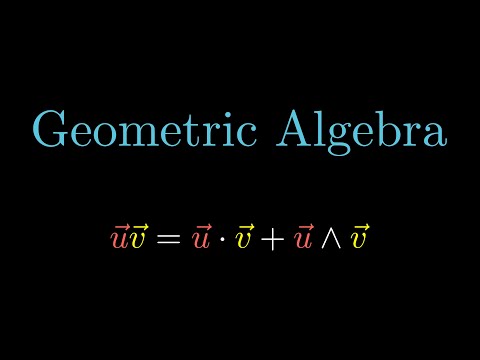
林宜悉 posted on 2026/11/17Have you ever wondered if there is a simpler way to handle complex physics math like vectors and matrices? This quick explainer introduces you to geometric algebra, a powerful language that connects everything from dot products to Maxwell's equations. You will pick up useful mathematical terminology and see how thinking in terms of bivectors and trivectors can actually make your calculations much more intuitive.
Learn this video on the APP!
The VoiceTube App has more in-depth practice for videos!