
account of
US /əˈkaʊnt ʌv/
UK /əˈkaunt ɔv/
- Noun
- A spoken or written description of an event.
- Preposition
- Because of; for the reason of.
B1Moreachieve
US /əˈtʃiv/
UK /ə'tʃi:v/
- Transitive Verb
- To succeed in doing good, usually by working hard
- To succeed in reaching a particular goal, status, or standard, often after effort or perseverance.
A2TOEICMoreactual
US /ˈæktʃuəl/
UK /ˈæktʃuəl/
- Adjective
- Real or existing in fact, not imagined; real
- Current; existing at the present time.
A2TOEICMoreallegory
US /ˈælɪˌɡɔri, -ˌɡori/
UK /'æləɡərɪ/
- Noun
- Expression of symbolic fictional figures, actions
B2Moreanalogy
US /əˈnælədʒi/
UK /əˈnælədʒi/
- Noun
- Comparison of things based on their similarity
B1Moreapproach
US /əˈprəʊtʃ/
UK /ə'prəʊtʃ/
- Verb (Transitive/Intransitive)
- To get close to reaching something or somewhere
- To request someone to do something specific
- Noun (Countable/Uncountable)
- Means of reaching a place, often a road or path
- Request of someone with a specific goal in mind
A2TOEICMorearrive at
US /əˈraɪv æt/
UK /əˈraiv æt/
- Phrasal Verb
- To reach a place, especially at the end of a journey.
- To reach a conclusion or decision after thinking about something.
A2Moreas a result of
US
UK
- Phrase
- Because of something; owing to.
A1Moreas one
US
UK
- Adverb
- Acting or moving together at the same time.
- In complete agreement or unity.
- Phrase
- With a single voice or opinion; unanimously.
- In perfect harmony or unison.
A1Moreat least
US /æt list/
UK /æt li:st/
- Adverb
- As a minimum
- Not less than
- Phrase
- No less than; at the minimum
- Used to indicate that something is positive in a bad situation.
C2Moreat odds
US /æt ɑdz/
UK /æt ɔdz/
- Phrase
- In a state of conflict or disagreement
- Adjective
- In a state of disagreement or conflict.
- Inconsistent or incompatible.
B1Moreat the helm
US /æt ði hɛlm/
UK /æt ðə helm/
- Phrase
- In a position of control or leadership.
auditorium
US /ˌɔdɪˈtɔriəm, -ˈtor-/
UK /ˌɔ:dɪˈtɔ:riəm/
- Noun (Countable/Uncountable)
- Building used for concerts or lectures
B2TOEICMoreback into
US /bæk ˈɪntu/
UK /bæk ˈɪntuː/
- Phrasal Verb
- To drive a vehicle backwards into a space or area.
- To accidentally collide with something while moving backwards.
A1Morebased on
US
UK
- Phrasal Verb
- To use something as the foundation or starting point for something else.
- Preposition
- Using something as the main idea or foundation.
- Relying on something as evidence or justification.
A1Morebeyond belief
US /biˈɑnd bɪˈlif/
UK /biˈjɔnd biˈli:f/
- Adjective
- Too improbable to be believed; incredible.
- Adverb
- To an extent that is difficult to believe; astonishingly.
B2Morebook on
US
UK
- Noun
- A book about a particular subject.
- Verb (Transitive/Intransitive)
- To place a bet on something.
A1Morecast
US /kæst/
UK /kɑ:st/
- Noun (Countable/Uncountable)
- People who appear in a play or movie
- Small amount of a particular color
- Transitive Verb
- To give specific roles to actors in a movie, play
- To describe someone's personality or character
A2Morecast on
US /kæst ɑn/
UK /kɑ:st ɔn/
- Phrasal Verb
- To create the first row of stitches in knitting.
- To put a spell on someone or something.
- Transitive Verb
- To assign a role to an actor.
- To cause (light, shadow, etc.) to appear on a surface.
A1Morechange over
US
UK
- Phrasal Verb
- To switch from one thing to another.
A2Morecome at
US /kʌm æt/
UK /kʌm æt/
- Phrasal Verb
- To approach someone to attack them
A1Morecome back
US /kʌm bæk/
UK /kʌm bæk/
- Phrasal Verb
- To reply to someone, often forcefully
- To be remembered
A1Morecome from
US /kʌm frʌm/
UK /kʌm frɔm/
- Phrasal Verb
- To have as your native country or city
A1Moreconsist in
US
UK
- Phrasal Verb
- To have something as the only or most important part
B1Moreconversation
US /ˌkɑnvɚˈseʃən/
UK /ˌkɒnvəˈseɪʃn/
- Uncountable Noun
- Talking with other people; discussion or chat
- General communication or interaction.
A2Morecouple
US /ˈkʌpəl/
UK /'kʌpl/
- Transitive Verb
- To join something to something else
- (Two animals) to engage in sexual relations
- Noun (Countable/Uncountable)
- Two people in a romantic relationship
- Two of something; two people; a pair
A2Moredo in
US
UK
- Phrasal Verb
- To make completely tired out and exhausted
- To destroy or cause damage to someone
A1Moreessential
US /ɪˈsɛnʃəl/
UK /ɪ'senʃl/
- Adjective
- Extremely or most important and necessary
- Fundamental; basic.
- Noun
- A concentrated hydrophobic liquid containing volatile aroma compounds from plants.
B1TOEICMorefor example
US
UK
- Phrase
- As an illustration or instance.
for the most part
US
UK
- Phrase
- Generally; mostly; on the whole.
- Mostly; generally; in most cases.
A1Moregeometry
US /dʒiˈɑ:mətri/
UK /dʒiˈɒmətri/
- Uncountable Noun
- Mathematical study of shapes, surfaces, and space
- Mathematical shape of something
B2Moreget at
US /ɡɛt æt/
UK /ɡet æt/
- Phrasal Verb
- To criticize someone, often personally
- To imply something; hint at
A1Moreget up to
US /ɡɛt ʌp tu/
UK /ɡet ʌp tu:/
- Phrasal Verb
- To do something slightly naughty
A1Morego on
US /ɡo ɑn/
UK /ɡəu ɔn/
- Phrasal Verb
- To continue doing something
- To happen (usually negative)
- Interjection
- Used to encourage someone
A1Morego out
US /ɡo aʊt/
UK /ɡəu aut/
- Phrase
- To leave a building (e.g. a house)
- Phrasal Verb
- (Of a fire) to burn out; be extinguished
- Go out of fashion to stop being fashionable
A1Moregrow up
US /ɡro ʌp/
UK /ɡrəu ʌp/
- Phrasal Verb
- To develop from a child into an adult
A1Morehave to
US /hæv tu/
UK /ˈhæv tə/
- Auxiliary Verb
- Must do
A1Morein a sense
US /ɪn e sɛns/
UK /in ə sens/
- Phrase
- In one way of thinking; to some extent; in some ways.
B1Morein a state
US
UK
- Phrase
- In a particular condition or situation.
- In an emotional condition, often negative (e.g., panic, distress).
B2Morein addition to
US /ɪn əˈdɪʃən tu/
UK /in əˈdiʃən tu:/
- Preposition
- Besides; as well as
- Phrase
- Besides; as well as.
- Furthermore; moreover.
B1Morein any case
US /ɪn ˈɛni kes/
UK /in ˈeni keis/
- Phrase
- Whatever happens; regardless of what has happened or may happen.
A1Morein charge
US /ɪn tʃɑrdʒ/
UK /in tʃɑ:dʒ/
- Adverb
- To be responsible for
A1Morein comfort
US
UK
- Phrase
- In a state of ease and relaxation; without hardship or difficulty.
- In a financially secure and comfortable manner.
A1Morein fact
US /ɪn fækt/
UK /in fækt/
- Adverb
- Used to emphasize the truth of a statement, especially one that contrasts with or contradicts something else.
- Used to introduce a more detailed or surprising piece of information.
- Phrase
- Used to emphasize the truth of a statement, especially one that is surprising or contrary to what might be expected.
C1Morein general
US /ɪn ˈdʒɛnərəl/
UK /in ˈdʒenərəl/
- Phrase
- Typically; usually; on the whole.
- Not specific or detailed; broadly.
- Adjective
- Not detailed or specific; overall.
C2Morein itself
US /ɪn ɪtˈsɛlf/
UK /in itˈself/
- Phrase
- Considered alone or without reference to anything else; intrinsically.
- Essentially; by its very nature.
in mind
US /ɪn maɪnd/
UK /in maind/
- Phrase
- Being aware of or considering something.
- To remember or consider something.
A2Morein order to
US /ɪn ˈɔrdɚ tu/
UK /in ˈɔ:də tu:/
- Preposition
- For the purpose of; with the aim of.
- Phrase
- In a specific sequence or arrangement.
- With the aim of; for the purpose of.
C1Morein other words
US
UK
- Phrase
- Stating something in a different way, often to make it clearer or more understandable.
in particular
US /ɪn pɚˈtɪkjəlɚ/
UK /in pəˈtikjulə/
- Phrase
- Specifically; especially.
- Detailed or precise.
A1Morein the light of
US /ɪn ðə ˈlaɪt ʌv/
UK /in ðə ˈlaɪt ɔv/
- other
- Considering new information or facts.
B2Morein the past
US
UK
- Phrase
- During a former period of time; previously.
A1Morein the world
US /ɪn ði wɜrld/
UK /in ðə wɜː(r)ld/
- Phrase
- Used to emphasize a question expressing surprise, confusion, disbelief
- Used to indicate the extent or degree of something, often in a superlative sense
A1Morein trouble
US /ɪn ˈtrʌbəl/
UK /in ˈtrʌbl/
- Adjective
- Experiencing difficulties, problems, or legal issues.
- other
- In serious trouble or difficulty.
A1Morein turn
US
UK
- Adverb
- One after the other in a sequence or rotation.
A1Moreincredibly important
US
UK
- Adjective
- Extremely significant or crucial.
A1Moreinstead of
US /ɪnˈstɛd ʌv/
UK /inˈsted ɔv/
- Preposition
- When one thing is replaced by another
- Adverb
- As a substitute or alternative.
A1Moreknow about
US /noʊ əˈbaʊt/
UK /nəʊ əˈbaut/
- Phrasal Verb
- To have information or understanding of a subject or situation.
lead to
US /lid tu/
UK /li:d tu:/
- Phrasal Verb
- To result in some action
- Verb (Transitive/Intransitive)
- To have something as a consequence or result.
A1Moreliberal
US /ˈlɪbərəl, ˈlɪbrəl/
UK /'lɪbərəl/
- Noun
- Someone who is open-minded and favors progress
- Adjective
- Open-minded; willing to hear others' opinions
- Political party for freedom and social change
B1TOEICMorelook at
US /lʊk æt/
UK /luk æt/
- Phrasal Verb
- To use your eyes to focus on something
- To focus your eyes on something carefully
A1Moremention
US /ˈmɛnʃən/
UK /'menʃn/
- Transitive Verb
- To refer to or talk or write about something
- Uncountable Noun
- Act of referring to or talking about something
- A formal acknowledgement of something
A2TOEICMoremess with
US
UK
- Verb (Transitive/Intransitive)
- To interfere with or tamper with something.
- To provoke or annoy someone.
- Phrasal Verb
- To interfere with or tamper with something.
- To tease, provoke, or annoy someone.
B1Moremetaphor
US /ˈmɛtəˌfɔr, -fɚ/
UK /ˈmetəfə(r)/
- Noun
- Imaginative use of words to reveal a similarity
B1Moremystical
US /ˈmɪstɪkəl/
UK /ˈmɪstɪkl/
- Adjective
- Awe-inspiring or mysterious
B2Morenext to
US /nɛkst tu/
UK /nekst tu:/
- Preposition
- Being located along side another
- In comparison with
- Adverb
- Almost; nearly
A1Morenotion
US /ˈnoʃən/
UK /ˈnəuʃən/
- Noun
- Sudden idea or desire to do something
B1TOEICMoreof course
US /ʌv kɔː(r)s/
UK /ɔv kɔː(r)s/
- Adverb
- Sure ; Certainly
- Phrase
- For sure; certainly
A2Moreon earth
US /ɑn ɚθ/
UK /ɔn ə:θ/
- Phrase
- Used to emphasize a question expressing surprise or anger.
- Used to emphasize that something is not possible or will not happen.
A1Moreon the slide
US
UK
- Phrase
- In a state of decline or deterioration.
- Losing control or influence; declining in status.
- Adjective
- (Informal) Dishonest or untrustworthy; engaging in shady practices.
A1Moreon the street
US /ɑn ði strit/
UK /ɔn ðə stri:t/
- Phrase
- Located on or along a public road in a town or city.
- Available or circulating, especially illegally or unofficially.
A1Moreon the way
US /ɑn ði we/
UK /ɔn ðə wei/
- Phrase
- During the journey to a particular place.
A1Moreonce upon a time
US /wʌns əˈpɑn e taɪm/
UK /wʌns əˈpɔn ə taim/
- Phrase
- A conventional phrase used to begin fairy tales and other stories.
B1Moreone of those things
US /wʌn əv ðoʊz θɪŋz/
UK /wʌn əv ðəuz θɪŋz/
- other
- An unfortunate but unavoidable event.
B2Moreother than
US
UK
- Preposition
- Except for; apart from.
- Conjunction
- Different from.
A1Moreout there
US /aʊt ðɛr/
UK /aut ðɛə/
- Adverb
- In or to a place that is far away
- Existing in the universe
- Adjective
- Unconventional; strange; avant-garde
- Existing or available.
A1Moreover time
US /ˈovɚ taɪm/
UK /ˈəuvə taim/
- Phrase
- Gradually; as time passes.
- During a long period.
- Adverb
- Gradually; as time passes.
B1Moreover to
US
UK
- Preposition
- Used to hand over to someone else to speak
- The responsibility is now yours
pass along
US /pæs əˈlɔŋ/
UK /pɑ:s əˈlɔŋ/
- Phrasal Verb
- To give something to someone.
pew
US /pju/
UK /pju:/
- Countable Noun
- Long bench, usually used in churches
B2Morephilosopher
US /fɪˈlɑsəfɚ/
UK /fəˈlɒsəfə(r)/
- Noun (Countable/Uncountable)
- Person studying the meaning of truth and life
- A person who is calm and wise; someone who lives by philosophical principles.
C1Morephilosophy
US /fɪˈlɑsəfi/
UK /fə'lɒsəfɪ/
- Uncountable Noun
- Study of ideas about the basic nature of life
- Attitude to life that a person has
C1Morepoint out
US /pɔɪnt aʊt/
UK /pɔint aut/
- Phrasal Verb
- To make others aware of an idea
- To draw attention to something or someone
A1Moreprojector
US /prəˈdʒɛktɚ/
UK /prə'dʒektə(r)/
- Countable Noun
- Machine displaying an enlarged image on a screen
B2Morerather than
US
UK
- Adverb
- More exactly; more correctly
- Preferably; instead
- Preposition
- Instead of
A1Morereality
US /riˈælɪti/
UK /rɪ'ælətɪ/
- Noun (Countable/Uncountable)
- What is true, as opposed to what is imagined
- The state of things as they actually exist, rather than as they may appear or might be imagined.
A2Morerecognize
US /ˈrek.əɡ.naɪz/
UK /ˈrek.əɡ.naɪz/
- Transitive Verb
- To accept the truth or reality of something
- To consider something as important or special
A2TOEICMorerevolve around
US /rɪˈvɑlv əˈraʊnd/
UK /riˈvɔlv əˈraund/
- Phrasal Verb
- To have something as a main subject or purpose.
A2Moresee in
US /si ɪn/
UK /si: in/
- Phrasal Verb
- To accompany someone to the entrance of a building or room.
A1Moreseparate
US /'sepəreɪt/
UK /'sepəreɪt/
- Adjective
- Being different from or unrelated to another
- Not connected; different.
- Transitive Verb
- To divide two things by being in between them
- To move things away from each other
A2TOEICMoresilly
US /ˈsɪli/
UK /'sɪlɪ/
- Adjective
- Careless
- Acting funny or playfully
A2Moresit on it
US /sɪt ɑn ɪt/
UK /sɪt ɒn ɪt/
- other
- To delay making a decision or taking action.
B2Moresource
US /sɔrs, sors/
UK /sɔ:s/
- Noun (Countable/Uncountable)
- Piece of information; a person giving information
- Place from which something necessary comes
- Adjective
- Produces or provides what is wanted or needed
A2TOEICMorespend
US /spɛnd/
UK /spend/
- Transitive Verb
- To use money to pay for something
- To use time in order to do something
A2TOEICMoretalking about
US
UK
- Phrasal Verb
- To discuss a particular topic.
- To be constantly mentioning or bringing up a subject.
A1Morethe bottom line
US /ði ˈbɑtəm laɪn/
UK /ðə ˈbɔtəm lain/
- Noun
- The most important thing; the essential point.
- The net income or profit of a company.
A2Moretheory
US /ˈθiəri, ˈθɪri/
UK /ˈθiəri/
- Noun (Countable/Uncountable)
- Ideas or principles that explain facts or events
- An idea or belief about something
A2TOEICMorethings change
US
UK
- Phrase
- Circumstances or situations do not remain constant; they evolve or transform over time.
- An acknowledgement of the need to adapt to new realities or developments.
A1Moreto some extent
US /tu sʌm ɪkˈstɛnt/
UK /tu: sʌm iksˈtent/
- Phrase
- Partially; not completely.
A1Moretogether with
US /təˈɡɛðɚ wɪð/
UK /təˈɡeðə wið/
- Preposition
- In addition to; along with.
- Including; as well as.
A1Moretrue form
US
UK
- Noun
- The actual or genuine appearance or nature of someone or something, often hidden or disguised.
- The original or unaltered state of something before any changes or transformations.
A2Moretrue nature
US
UK
- Noun (Countable/Uncountable)
- The inherent qualities or character of a person or thing.
- The genuine or authentic character of something, without pretense.
A2Moreturn away
US /tɚn əˈwe/
UK /tə:n əˈwei/
- Phrasal Verb
- To go in a different direction; not face something
- To stop people going into a place, club etc.
A1Moreturn to
US /tɚn tu/
UK /tə:n tu:/
- Phrasal Verb
- To go to someone for help, advice, or information.
- To start doing or using something, often something bad or undesirable.
A1Moreunderlie
US /ˌʌndərˈlaɪ/
UK /ˌʌndəˈlaɪ/
- Verb (Transitive/Intransitive)
- To be the basis, foundation or cause of something
- To lie or exist beneath
B1Moreup there
US /ʌp ðɛr/
UK /ʌp ðɛə/
- Adverb
- In or to a higher place or position; far away.
- In heaven.
A1Moreupon a time
US
UK
- Phrase
- An introductory phrase used to begin a story, typically a fairy tale.
A1Moreupward
US /ˈʌpwərd/
UK /ˈʌpwəd/
- Adjective
- Toward some higher point or position
B1Moreversion
US /ˈvɚʒən, -ʃən/
UK /ˈvə:ʃən/
- Noun
- Different way that someone interprets something
- New or different form of something
A2TOEICMore
Vocabulary
- in fact: Used to emphasize the truth of a statement, especially one that contrasts with or contradicts something else.
- have to: Must do
- of course: Sure ; Certainly
- at least: As a minimum
- know about: To have information or understanding of a subject or situation.
- turn to: To go to someone for help, advice, or information.
- instead of: When one thing is replaced by another
- in a sense: In one way of thinking; to some extent; in some ways.
- in other words: Stating something in a different way, often to make it clearer or more understandable.
- out there: In or to a place that is far away
- come back: To reply to someone, often forcefully
- see in: To accompany someone to the entrance of a building or room.
- get at: To criticize someone, often personally
- at the helm: In a position of control or leadership.
- up there: In or to a higher place or position; far away.
- based on: To use something as the foundation or starting point for something else.
- come from: To have as your native country or city
- in the world: Used to emphasize a question expressing surprise, confusion, disbelief
- in the light of: Considering new information or facts.
- back into: To drive a vehicle backwards into a space or area.
- go out: To leave a building (e.g. a house)
- to some extent: Partially; not completely.
- talking about: To discuss a particular topic.
- rather than: More exactly; more correctly
- in order to: For the purpose of; with the aim of.
- turn away: To go in a different direction; not face something
- in charge: To be responsible for
- as one: Acting or moving together at the same time.
- in comfort: In a state of ease and relaxation; without hardship or difficulty.
- get up to: To do something slightly naughty
- cast on: To create the first row of stitches in knitting.
- grow up: To develop from a child into an adult
- on the slide: In a state of decline or deterioration.
- in itself: Considered alone or without reference to anything else; intrinsically.
- come at: To approach someone to attack them
- once upon a time: A conventional phrase used to begin fairy tales and other stories.
- upon a time: An introductory phrase used to begin a story, typically a fairy tale.
- revolve around: To have something as a main subject or purpose.
- other than: Except for; apart from.
- mess with: To interfere with or tamper with something.
- in trouble: Experiencing difficulties, problems, or legal issues.
- as a result of: Because of something; owing to.
- in the past: During a former period of time; previously.
- in any case: Whatever happens; regardless of what has happened or may happen.
- account of: A spoken or written description of an event.
- at odds: In a state of conflict or disagreement
- in turn: One after the other in a sequence or rotation.
- over to: Used to hand over to someone else to speak
- pass along: To give something to someone.
- next to: Being located along side another
- on earth: Used to emphasize a question expressing surprise or anger.
- look at: To use your eyes to focus on something
- book on: A book about a particular subject.
- in general: Typically; usually; on the whole.
- incredibly important: Extremely significant or crucial.
- for the most part: Generally; mostly; on the whole.
- over time: Gradually; as time passes.
- change over: To switch from one thing to another.
- things change: Circumstances or situations do not remain constant; they evolve or transform over time.
- for example: As an illustration or instance.
- do in: To make completely tired out and exhausted
- sit on it: To delay making a decision or taking action.
- true form: The actual or genuine appearance or nature of someone or something, often hidden or disguised.
- on the street: Located on or along a public road in a town or city.
- in particular: Specifically; especially.
- lead to: To result in some action
- point out: To make others aware of an idea
- consist in: To have something as the only or most important part
- one of those things: An unfortunate but unavoidable event.
- beyond belief: Too improbable to be believed; incredible.
- the bottom line: The most important thing; the essential point.
- together with: In addition to; along with.
- in a state: In a particular condition or situation.
- on the way: During the journey to a particular place.
- in addition to: Besides; as well as
- arrive at: To reach a place, especially at the end of a journey.
- in mind: Being aware of or considering something.
- go on: To continue doing something
- true nature: The inherent qualities or character of a person or thing.
- sort: To organize things by putting them into groups
- approach: To get close to reaching something or somewhere
- essential: Extremely or most important and necessary
- recognize: To accept the truth or reality of something
- sense: Certain mental feeling or emotion
- develop: To explain something in steps and in detail
- conversation: Talking with other people; discussion or chat
- achieve: To succeed in doing good, usually by working hard
- philosophy: Study of ideas about the basic nature of life
- silly: Careless
- imagine: To think creatively about; form mental picture of
- version: Different way that someone interprets something
- metaphor: Imaginative use of words to reveal a similarity
- separate: Being different from or unrelated to another
- reality: What is true, as opposed to what is imagined
- bit: Device put in a horse's mouth to control it
- notion: Sudden idea or desire to do something
- theory: Ideas or principles that explain facts or events
- mention: To refer to or talk or write about something
- state: Region within a country, with its own government
- analogy: Comparison of things based on their similarity
- form: Sports team or person's current winning record
- cast: People who appear in a play or movie
- couple: To join something to something else
- actual: Real or existing in fact, not imagined; real
- source: Piece of information; a person giving information
- totally: In a complete way; completely; absolutely
- moment: Very short or brief period of time
- lot: What happens to a person in life from chance; fate
- philosopher: Person studying the meaning of truth and life
- century: Period of 100 years
- important: Having power or authority
- place: To put someone in a particular type of situation
- kind: In a caring and helpful manner
- spend: To use money to pay for something
- fact: Something that is known or proved to be true
- liberal: Someone who is open-minded and favors progress
- auditorium: Building used for concerts or lectures
- mystical: Awe-inspiring or mysterious
- geometry: Mathematical study of shapes, surfaces, and space
- underlie: To be the basis, foundation or cause of something
- allegory: Expression of symbolic fictional figures, actions
- upward: Toward some higher point or position
- projector: Machine displaying an enlarged image on a screen
- pew: Long bench, usually used in churches
Get the full experience in the app
Learn anywhere with detailed sentence and usage analysis
01:03
She took a brave step forward, leaving behind her comfort zone to chase her dreams.
Vocabulary
- brave
adj. Having courage
- comfort zone
phr. A familiar situation where one feels safe
Explanation
a brave step is a noun phrase, where brave is an adjective modifying the noun step, meaning "a courageous step".
forward is an adverb modifying step, meaning "ahead".
The whole phrase serves as the object, answering the "what" of took (verb) — she took a brave step forward.
Get the full experience in the app
Look up words anytime with pronunciation, part of speech, and usage
brave
US/brev/
UK/breɪv/
adj.Brave
v.t.To bravely face
A2 Elementary
Get the full experience in the app
Practice speaking anytime and get instant pronunciation feedback
Try this speaking exercise.
Try practicing with this sentence.
80
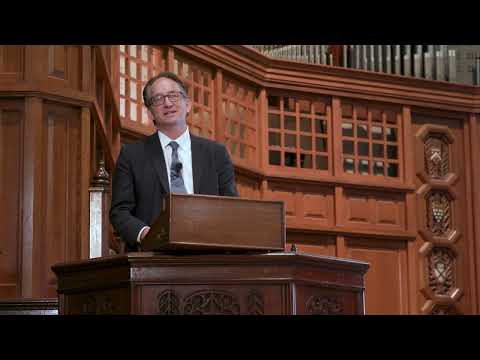
Allegory of the Cave - Purposes of College Education, Lecture 16
0
林宜悉 posted on 2026/11/13Ever wonder if what you see is actually real? This lecture uses a clever comparison between a modern auditorium and Plato's famous Allegory of the Cave to explore deep philosophical ideas like epistemology and metaphysics. It is a fantastic opportunity to sharpen your academic vocabulary while diving into the classic debate over what it truly means to be educated.
Learn this video on the APP!
The VoiceTube App has more in-depth practice for videos!