
allow me
US
UK
- Phrase
- A polite way of offering to do something for someone.
- A formal way to ask for permission or to introduce oneself.
at some point
US /æt sʌm pɔɪnt/
UK /æt sʌm pɔint/
- Phrase
- At an unspecified time, usually in the future.
A1Moreat the end of the day
US
UK
- Phrase
- Ultimately; when everything else is considered.
- After a day's work or activities.
A1Moreat the same time
US
UK
- Phrase
- Simultaneously; at the identical moment.
- Nevertheless; however; used to introduce a contrasting or qualifying statement.
A1Moreback down
US /bæk daʊn/
UK /bæk daun/
- Phrasal Verb
- To admit you were wrong; stop claiming
A1Moreback into
US /bæk ˈɪntu/
UK /bæk ˈɪntuː/
- Phrasal Verb
- To drive a vehicle backwards into a space or area.
- To accidentally collide with something while moving backwards.
A1Morebased on
US
UK
- Phrasal Verb
- To use something as the foundation or starting point for something else.
- Preposition
- Using something as the main idea or foundation.
- Relying on something as evidence or justification.
A1Morebreak it to
US
UK
- Phrasal Verb
- To tell someone bad news.
A2Moreby trade
US
UK
- Phrase
- According to one's profession or occupation.
B1Moredo in
US
UK
- Phrasal Verb
- To make completely tired out and exhausted
- To destroy or cause damage to someone
A1Moredo the right thing
US /du ðə ˈraɪt θɪŋ/
UK /duː ðə ˈraɪt θɪŋ/
- other
- To behave in a morally correct or proper way.
A2Morefound out
US
UK
- Phrasal Verb
- To learn or discover something, often after some effort.
- To become known; be revealed.
B2Moreget lost
US /ɡɛt lɔst/
UK /ɡet lɔ:st/
- Intransitive Verb
- An impolite way of telling someone to go away.
- To become unable to find your way; to lose your sense of direction.
- Interjection
- An impolite way of telling someone to go away.
A1Moregoing on
US /ˈɡoɪŋ ɑn/
UK /ˈgəʊɪŋ ɔn/
- Phrasal Verb
- To continue doing something
- To happen (usually negative)
A1Morehave to
US /hæv tu/
UK /ˈhæv tə/
- Auxiliary Verb
- Must do
A1Moreimpact
US /ˈɪmˌpækt/
UK /'ɪmpækt/
- Noun
- A striking effect or result to hit with force
- Act or force of one thing hitting something else
- Verb (Transitive/Intransitive)
- To hit or strike someone or something with force
- To have a strong effect on someone or something.
A2TOEICMorein fact
US /ɪn fækt/
UK /in fækt/
- Adverb
- Used to emphasize the truth of a statement, especially one that contrasts with or contradicts something else.
- Used to introduce a more detailed or surprising piece of information.
- Phrase
- Used to emphasize the truth of a statement, especially one that is surprising or contrary to what might be expected.
C1Morein order to
US /ɪn ˈɔrdɚ tu/
UK /in ˈɔ:də tu:/
- Preposition
- For the purpose of; with the aim of.
- Phrase
- In a specific sequence or arrangement.
- With the aim of; for the purpose of.
C1Morein the world
US /ɪn ði wɜrld/
UK /in ðə wɜː(r)ld/
- Phrase
- Used to emphasize a question expressing surprise, confusion, disbelief
- Used to indicate the extent or degree of something, often in a superlative sense
A1Moreinnovative
US /ˈɪnəˌvetɪv/
UK /'ɪnəveɪtɪv/
- Adjective
- Having or using new methods or ideas
B1Morelook at
US /lʊk æt/
UK /luk æt/
- Phrasal Verb
- To use your eyes to focus on something
- To focus your eyes on something carefully
A1Moremobile
US /ˈmoʊbl/
UK /'məʊbaɪl/
- Adjective
- Able to be moved or able to move
- Able to move easily from one job, place, or social class to another.
- Countable Noun
- Personal phone you take with you wherever you go
- A decorative structure that is suspended so as to turn freely in the air.
B1Moreno matter
US
UK
- Conjunction
- Regardless of; it does not matter.
- Adverb
- Regardless of; it is not important
A1Moreof old
US /ʌv oʊld/
UK /əv əuld/
- other
- From a long time ago; in the past.
B2Moreon average
US /ɑn ˈævərɪdʒ/
UK /ɔn ˈævəridʒ/
- Phrase
- Typically; usually; based on an average calculation.
B1Moreon earth
US /ɑn ɚθ/
UK /ɔn ə:θ/
- Phrase
- Used to emphasize a question expressing surprise or anger.
- Used to emphasize that something is not possible or will not happen.
A1Moreon the market
US
UK
- Phrase
- Available for sale.
- Actively seeking employment.
A2Moreout there
US /aʊt ðɛr/
UK /aut ðɛə/
- Adverb
- In or to a place that is far away
- Existing in the universe
- Adjective
- Unconventional; strange; avant-garde
- Existing or available.
A1Morepecking order
US
UK
- Noun
- A hierarchy where individuals know their place and relative power.
per annum
US
UK
- Phrase
- By the year; each year
B1Moreplastic
US /ˈplæstɪk/
UK /'plæstɪk/
- Uncountable Noun
- Stiff but usually flexible man-made material
- Adjective
- Being easily formed or shaped
A2Morerate as
US
UK
- Phrasal Verb
- To consider someone or something to be of a particular quality or standard.
B1Morerely on
US /rɪˈlaɪ ɑn/
UK /riˈlai ɔn/
- Phrasal Verb
- To depend on someone or something
A2Moreresult in
US /rɪˈzʌlt ɪn/
UK /riˈzʌlt in/
- Phrasal Verb
- To cause or produce as a consequence.
roll off
US /rol ɔf/
UK /rəul ɔf/
- Phrasal Verb
- To fall off something by rolling.
- To complete or proceed easily and without problems.
B1Moresame time
US
UK
- Phrase
- Occurring simultaneously or at the same point in time.
- At the identical time as before; recurring at a fixed hour.
- Noun
- An equal duration or period.
A1Moresoggy
US /'sɑ:ɡɪ/
UK /'sɒɡɪ/
- Adjective
- Unpleasantly wet
C2TOEICMoretalking about
US
UK
- Phrasal Verb
- To discuss a particular topic.
- To be constantly mentioning or bringing up a subject.
A1Morethink of
US /θɪŋk ʌv/
UK /θiŋk ɔv/
- Phrasal Verb
- To look on as (being something specific); consider
- To consider or remember something.
- Verb (Transitive/Intransitive)
- To imagine or call something to mind
A1Moreturn around
US /tɚn əˈraʊnd/
UK /tə:n əˈraund/
- Phrasal Verb
- To change your body to the opposite direction
- To make something running badly into a success
- Verb (Transitive/Intransitive)
- To change direction so as to face the opposite way.
- To improve or cause to improve.
A1Morewaste
US /west/
UK /weɪst/
- Transitive Verb
- To kill or severely harm someone
- To use valuable things ineffectively
- Uncountable Noun
- Materials left over after a process has finished
A2TOEICMorework in
US /wɚk ɪn/
UK /wə:k in/
- Phrasal Verb
- To make an opening for something in your schedule
- To fit person/thing into a schedule or sequence
A1More
Vocabulary
- look at: To use your eyes to focus on something
- have to: Must do
- do the right thing: To behave in a morally correct or proper way.
- talking about: To discuss a particular topic.
- based on: To use something as the foundation or starting point for something else.
- going on: To continue doing something
- in the world: Used to emphasize a question expressing surprise, confusion, disbelief
- think of: To look on as (being something specific); consider
- work in: To make an opening for something in your schedule
- at some point: At an unspecified time, usually in the future.
- rely on: To depend on someone or something
- no matter: Regardless of; it does not matter.
- pecking order: A hierarchy where individuals know their place and relative power.
- result in: To cause or produce as a consequence.
- in order to: For the purpose of; with the aim of.
- do in: To make completely tired out and exhausted
- on earth: Used to emphasize a question expressing surprise or anger.
- allow me: A polite way of offering to do something for someone.
- back into: To drive a vehicle backwards into a space or area.
- turn around: To change your body to the opposite direction
- by trade: According to one's profession or occupation.
- on average: Typically; usually; based on an average calculation.
- in fact: Used to emphasize the truth of a statement, especially one that contrasts with or contradicts something else.
- per annum: By the year; each year
- get lost: An impolite way of telling someone to go away.
- found out: To learn or discover something, often after some effort.
- at the same time: Simultaneously; at the identical moment.
- same time: Occurring simultaneously or at the same point in time.
- on the market: Available for sale.
- roll off: To fall off something by rolling.
- rate as: To consider someone or something to be of a particular quality or standard.
- of old: From a long time ago; in the past.
- break it to: To tell someone bad news.
- at the end of the day: Ultimately; when everything else is considered.
- back down: To admit you were wrong; stop claiming
- out there: In or to a place that is far away
- life: All the living things e.g. animals, plants, humans
- impact: A striking effect or result to hit with force
- start: First time or place that a thing exists; beginning
- environment: Natural world in which plants and animals live
- system: Set of organized, planned ideas that work together
- problem: Something difficult to deal with or causes trouble
- natural: Being as one would expect; being usual or normal
- plastic: Stiff but usually flexible man-made material
- waste: To kill or severely harm someone
- innovative: Having or using new methods or ideas
- product: Item that can be bought
- food: What people and animals eat to live
- design: To plan in a particular way to fulfill a purpose
- soggy: Unpleasantly wet
- mobile: Able to be moved or able to move
Get the full experience in the app
Learn anywhere with detailed sentence and usage analysis
01:03
She took a brave step forward, leaving behind her comfort zone to chase her dreams.
Vocabulary
- brave
adj. Having courage
- comfort zone
phr. A familiar situation where one feels safe
Explanation
a brave step is a noun phrase, where brave is an adjective modifying the noun step, meaning "a courageous step".
forward is an adverb modifying step, meaning "ahead".
The whole phrase serves as the object, answering the "what" of took (verb) — she took a brave step forward.
Get the full experience in the app
Look up words anytime with pronunciation, part of speech, and usage
brave
US/brev/
UK/breɪv/
adj.Brave
v.t.To bravely face
A2 Elementary
Get the full experience in the app
Practice speaking anytime and get instant pronunciation feedback
Try this speaking exercise.
Try practicing with this sentence.
80
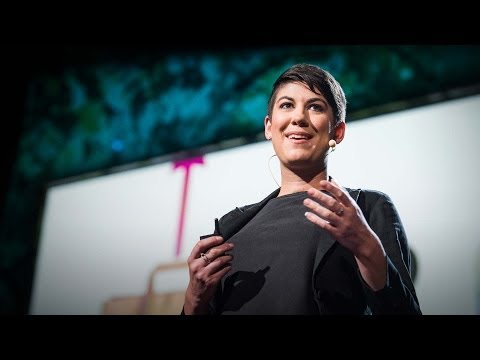
【TED】Leyla Acaroglu: Paper beats plastic? How to rethink environmental folklore (Leyla Acaroglu: Paper beats plastic? How to rethink environmental folklore)
0
CUChou posted on 2015/03/17Ever wondered if paper really is better than plastic? This fascinating TED talk dives deep into 'environmental folklore,' challenging common assumptions about sustainability and showing you how to rethink our impact. You'll pick up some fantastic vocabulary related to lifecycle assessment and circular economies that you can use in everyday conversations!
Learn this video on the APP!
The VoiceTube App has more in-depth practice for videos!