
across the hall
US
UK
- Phrase
- In a position on the opposite side of a hallway.
A1Moreafter all
US /ˈæftɚ ɔl/
UK /ˈɑ:ftə ɔ:l/
- Adverb
- In spite of what was expected; used to introduce a statement that supports a previous statement or explains why it was made
- Considering everything; used to indicate that something is happening or is true despite some difficulty or obstacle
- Phrase
- Despite what was expected or thought; in spite of everything.
- Taking everything into consideration; considering that.
B1Moreas you wish
US
UK
- Phrase
- A polite way of granting a request or giving permission.
- Expressing acceptance of someone's decision, even if one doesn't necessarily agree with it.
A1Moreat home
US /æt hom/
UK /æt həum/
- Phrase
- In one's own residence or country.
- Adjective
- Feeling comfortable and relaxed.
at least
US /æt list/
UK /æt li:st/
- Adverb
- As a minimum
- Not less than
- Phrase
- No less than; at the minimum
- Used to indicate that something is positive in a bad situation.
C2Moreat night
US /æt naɪt/
UK /æt nait/
- Phrase
- During the night; in the nighttime.
A1Morebabble
US /ˈbæbəl/
UK /ˈbæbl/
- Intransitive Verb
- To talk without speaking clearly
- To make the sound of running water
C1Moreback to normal
US
UK
- Adjective
- Returned to the usual or expected state or condition.
- Phrase
- In the usual or ordinary way; as things were before.
A2Moreback up
US /bæk ʌp/
UK /bæk ʌp/
- Phrasal Verb
- To save a copy of your computer data
- To confirm the truth of what someone says
A1Morebehind bars
US
UK
- Phrase
- In prison; imprisoned.
A1Moreblanket
US /ˈblæŋkɪt/
UK /'blæŋkɪt/
- Countable Noun
- Piece of cloth you covers yourself with in bed
- Transitive Verb
- To cover something completely so it cannot be seen
A2TOEICMoreburst out
US /bɚst aʊt/
UK /bə:st aut/
- Phrasal Verb
- To suddenly express an emotion or sound.
- To leave a place suddenly and energetically.
A1Morecheck out
US /tʃɛk aʊt/
UK /tʃek aut/
- Phrase
- Phrasal Verb
- To find out information about something
- To take books out of a library
A1Morecollege
US /'kɑːlɪdʒ/
UK /'kɒlɪdʒ/
- Noun (Countable/Uncountable)
- School or educational institution for adults
- A constituent body of a university.
A2Morecome back
US /kʌm bæk/
UK /kʌm bæk/
- Phrasal Verb
- To reply to someone, often forcefully
- To be remembered
A1Morecreak
US /kri:k/
UK /kri:k/
- Intransitive Verb
- (Of door, etc.) to make a loud squeaking noise
B2Moredress up
US /drɛs ʌp/
UK /dres ʌp/
- Phrasal Verb
- To put on your best clothes, e.g. for a party
- To wear formal or fancy clothes.
- Verb (Transitive/Intransitive)
- To wear formal or fancy clothes.
- To make something more attractive or elaborate.
A1Moreedge
US /ɛdʒ/
UK /edʒ/
- Noun (Countable/Uncountable)
- An advantage you have over others
- Cutting side of a sharp object
- Transitive Verb
- To cut something to make the blade sharp
- To go around the boundary of something
A2TOEICMoreexcellent
US /ˈɛksələnt/
UK /ˈeksələnt/
- Adjective
- Extremely good
- Very skilled; having great ability.
A2TOEICMoreexcuse
US /ɪkˈskjuz/
UK /ɪk'skju:s/
- Transitive Verb
- To allow someone not to do (jury service, etc.)
- To explain acting in a bad or impolite manner
- Noun
- Note explaining why someone cannot do or attend
- Reason why you did or didn't do something
A2Morefinish up
US
UK
- Phrasal Verb
- To complete or bring something to an end.
get back to
US /ɡɛt bæk tu/
UK /ɡet bæk tu:/
- Phrasal Verb
- To get in contact with someone again
- To return to someone or something; to respond at a later time.
A1Moreget out of
US /ɡɛt aʊt ʌv/
UK /ɡet aut ɔv/
- Phrasal Verb
- To leave or escape responsibilities, troubles
- To leave a small, enclosed vehicle
A1Morego away
US /ɡo əˈwe/
UK /ɡəu əˈwei/
- Phrasal Verb
- To go on vacation
- To leave; depart.
A1Morego back to
US /ɡo bæk tu/
UK /ɡəu bæk tu:/
- Phrasal Verb
- To return to a starting point
A1Moregotcha
US /ˈɡɑtʃə/
UK /ˈɡɔtʃə/
- Verb (Transitive/Intransitive)
- Shortened form of 'got you'
B2Moregrowl
US /ɡraʊl/
UK /graʊl/
- Intransitive Verb
- To utter a deep sound of anger or hostility
- Noun
- A deep sound of anger or hostility
B2Morehave to
US /hæv tu/
UK /ˈhæv tə/
- Auxiliary Verb
- Must do
A1Morehick
US
UK
- Noun
- Someone who is awkward, simple and provincial
B2Morehide behind
US /haɪd bɪˈhaɪnd/
UK /haɪd bɪˈhaɪnd/
- other
- To avoid responsibility or truth by using something as an excuse.
- To put oneself out of sight by staying at the back of something.
B1Moreillustrate
US /ˈɪləˌstret, ɪˈlʌsˌtret/
UK /ˈɪləstreɪt/
- Transitive Verb
- To supply pictures to go along with words
- To be an example that explains or proves something
A2TOEICMorein no time
US /ɪn noʊ taɪm/
UK /in nəʊ taim/
- Phrase
- Very quickly or soon
A1Morein return
US /ɪn rɪˈtɚn/
UK /in riˈtə:n/
- Adverb
- As a reciprocal action or gesture; in exchange or repayment.
- Phrase
- As compensation or consideration for something.
- As a reaction or response to something.
A1Morein the middle of
US
UK
- Phrase
- In the central part or point of something.
- Engaged or occupied with something.
A2Morejump out
US /dʒʌmp aʊt/
UK /dʒʌmp aut/
- Phrasal Verb
- To suddenly appear or move forward, often to surprise someone.
- To be very obvious or easily noticeable.
A2Morekid
US /kɪd/
UK /kɪd/
- Countable Noun
- Child or young person
- Young goat
- Adjective
- Made from young goat skin
A2Moreknock
US /nɑk/
UK /nɒk/
- Noun
- Bad experience that reduces a person's confidence
- Action of something solid hitting something hard
- Transitive Verb
- To criticize someone in an unreasonable way
- To hit something to get people's attention
A2Moreknock on
US /nɑk ɑn/
UK /nɔk ɔn/
- Phrasal Verb
- To strike a door or window to attract attention.
- Intransitive Verb
- (In rugby) to drop the ball forward.
A1Moreleap
US /lip/
UK /li:p/
- Verb (Transitive/Intransitive)
- To enter or start something eagerly
- (Of prices) to increase quickly by a large amount
- Noun
- (Of prices) a quick large increase
- A large forward step or jump
B1Morelet out
US /lɛt aʊt/
UK /let aut/
- Phrasal Verb
- To allow a person, animal to leave the room, house
- To allow to leave; to release.
- Verb (Transitive/Intransitive)
- To enlarge a garment by releasing a seam or adding material.
- To release or allow to escape.
A1Morelook at
US /lʊk æt/
UK /luk æt/
- Phrasal Verb
- To use your eyes to focus on something
- To focus your eyes on something carefully
A1Moremama
US /ˈmɑmə/
UK /'mæmə/
- Noun
- A mother
B2Moremonster
US /ˈmɑnstɚ/
UK /'mɒnstə(r)/
- Countable Noun
- Large frightening imaginary creature
- Very evil person
- Adjective
- Very large
B1Morenext to
US /nɛkst tu/
UK /nekst tu:/
- Preposition
- Being located along side another
- In comparison with
- Adverb
- Almost; nearly
A1Morenice try
US
UK
- Interjection
- Said when someone has made a good attempt at something but has not succeeded.
A1Moreno can do
US /no kən du/
UK /nəʊ kən du/
- Phrase
- Unable to do something; refusal to comply.
B1Morenote
US /noʊ/
UK /nəʊt/
- Verb
- To notice or pay particular attention to something.
- Noun
- A short informal letter or written record.
- A piece of paper money issued by a central bank or government authority that acts as legal tender
A2TOEICMoreof course
US /ʌv kɔː(r)s/
UK /ɔv kɔː(r)s/
- Adverb
- Sure ; Certainly
- Phrase
- For sure; certainly
A2Moreof yours
US /ʌv jʊɚz/
UK /əv jɔ:z/
- other
- Belonging to you; your possession or property.
A1Moreon the floor
US
UK
- Phrase
- Located on the ground or bottom surface of a room.
- Actively participating in dancing or other floor-based activities.
A1Moreout of nowhere
US
UK
- Phrase
- Suddenly and unexpectedly; from an unknown place or source.
over the edge
US
UK
- Phrase
- In a state of emotional or mental breakdown; beyond the limits of what one can handle.
- Beyond the physical boundary or brink of something.
B1Moreover to
US
UK
- Preposition
- Used to hand over to someone else to speak
- The responsibility is now yours
picky
US /ˈpɪki/
UK /ˈpɪki/
- Adjective
- Careful about deciding on things; hard to please
B1Morepolish
US /ˈpɑlɪʃ/
UK /'pɒlɪʃ/
- Uncountable Noun
- Act of making something clean and shiny
- A cream used to make shoes etc. shiny
- Transitive Verb
- To make something smooth and shiny by rubbing it
- To make something smooth and shiny by rubbing it
B1Morepolish off
US
UK
- Phrasal Verb
- To finish something, especially food or drink, quickly and completely.
- To complete or finish something quickly and efficiently.
A2Morepop up
US /pɑp ʌp/
UK /pɔp ʌp/
- Intransitive Verb
- To appear suddenly.
- Phrasal Verb
- To appear suddenly and unexpectedly.
- To appear on a computer screen.
A1Morereject
US /rɪˈdʒɛkt/
UK /rɪˈdʒekt/
- Noun (Countable/Uncountable)
- Goods that are not suitable for sale at full price
- Person others do not like, or refuse to accept
- Transitive Verb
- To decide that something is not good enough
- To refuse, deny to believe, accept, or consider
A2TOEICMorescratch
US /skrætʃ/
UK /skrætʃ/
- Verb (Transitive/Intransitive)
- To rub your skin with your nails to stop an itch
- To make a small cut or mark on a surface
- Noun
- Action of rubbing your skin when itchy
- A small cut or mark on a surface
B1TOEICMoresharp
US /ʃɑrp/
UK /ʃɑ:p/
- Proper Noun
- Person's name
- Adjective
- Being very clear and easy to see
- (Of clothes) nicely or stylishly
A2TOEICMoreshoo
US /ʃu/
UK /ʃu:/
- Interjection
- Said to make people or animals go away
C1Moresit down
US /sit daʊn/
UK /sit daun/
- Phrasal Verb
- To take a seat
A1Moreslip off
US
UK
- Phrasal Verb
- To remove (a piece of clothing) quickly and easily.
- To slide unintentionally from a surface.
B1Moresnack
US /snæk/
UK /snæk/
- Noun (Countable/Uncountable)
- Small amount of food eaten between meals
- Intransitive Verb
- To eat a small amount outside of regular meal time
B2Moresneak
US /snik/
UK /sni:k/
- Verb (Transitive/Intransitive)
- To move around in a way so no one will see you
- To take something somewhere/give secretly
- Intransitive Verb
- To move around in such a way no one will see you
B2Moresneak in
US /snik ɪn/
UK /sni:k in/
- Phrasal Verb
- To enter a place secretly and quietly, usually without permission.
C2Morestuff
US /stʌf/
UK /stʌf/
- Uncountable Noun
- Generic description for things, materials, objects
- Transitive Verb
- To push material inside something, with force
B1Moresuppose
US /səˈpoʊz/
UK /sə'pəʊz/
- Verb (Transitive/Intransitive)
- To imagine or guess what might happen
- Conjunction
- What if
A2TOEICMoreswitch
US /swɪtʃ/
UK /swɪtʃ/
- Noun
- A change or shift from one method to another
- Thing you move to turn electrical items on or off
- Transitive Verb
- To exchange or replace something for another thing
A2TOEICMoretail
US /tel/
UK /teɪl/
- Countable Noun
- Extended part at the back of an animal's body
- Noun
- Back or last part of something e.g. shirt
A2Moreterrify
US /ˈtɛrəˌfaɪ/
UK /ˈterɪfaɪ/
- Transitive Verb
- To scare or greatly frighten
B1Moretongue
US /tʌŋ/
UK /tʌŋ/
- Noun
- Long, thin part of (e.g. shoe under the laces)
- Meat from the mouth of an animal, cooked as food
- Transitive Verb
- To using your mouth to produce musical notes
- To use your mouth to touch something
A2Moreused to
US /juzd tu/
UK /ˈju:st tə/
- Adjective
- Did regularly before, but don't do now
- Auxiliary Verb
- Have done before, but do not do now
A1Morewake up
US /wek ʌp/
UK /weik ʌp/
- Phrasal Verb
- To stop sleeping
- To become fully aware and alert to a situation.
A1Morewhew
US /hwju, hwu, hwju/
UK /hwju:/
- Interjection
- Sound people make when they are relieved
C2Morewhoa
US /woʊ/
UK /wəʊ/
- Interjection
- Tell someone to do something more slowly
- An exclamation of surprise, amazement, or shock.
C1Morewhole point
US
UK
- Phrase
- The main purpose or most important aspect of something.
- The primary reason or objective.
A2Morewoo
US /wu/
UK /wu:/
- Transitive Verb
- (Of a man) to try to get a woman to marry him
- To attempt to persuade to do something
C2TOEICMorework out
US /wɚk aʊt/
UK /wə:k aut/
- Phrasal Verb
- To find a way to do something, by thinking
A1More
Vocabulary
- at night: During the night; in the nighttime.
- wake up: To stop sleeping
- on the floor: Located on the ground or bottom surface of a room.
- jump out: To suddenly appear or move forward, often to surprise someone.
- have to: Must do
- back to normal: Returned to the usual or expected state or condition.
- in no time: Very quickly or soon
- go away: To go on vacation
- over the edge: In a state of emotional or mental breakdown; beyond the limits of what one can handle.
- across the hall: In a position on the opposite side of a hallway.
- get out of: To leave or escape responsibilities, troubles
- hide behind: To avoid responsibility or truth by using something as an excuse.
- sneak in: To enter a place secretly and quietly, usually without permission.
- knock on: To strike a door or window to attract attention.
- nice try: Said when someone has made a good attempt at something but has not succeeded.
- dress up: To put on your best clothes, e.g. for a party
- polish off: To finish something, especially food or drink, quickly and completely.
- come back: To reply to someone, often forcefully
- burst out: To suddenly express an emotion or sound.
- no can do: Unable to do something; refusal to comply.
- go back to: To return to a starting point
- at least: As a minimum
- sit down: To take a seat
- get back to: To get in contact with someone again
- used to: Did regularly before, but don't do now
- let out: To allow a person, animal to leave the room, house
- in return: As a reciprocal action or gesture; in exchange or repayment.
- behind bars: In prison; imprisoned.
- out of nowhere: Suddenly and unexpectedly; from an unknown place or source.
- in the middle of: In the central part or point of something.
- as you wish: A polite way of granting a request or giving permission.
- of yours: Belonging to you; your possession or property.
- check out
- of course: Sure ; Certainly
- after all: In spite of what was expected; used to introduce a statement that supports a previous statement or explains why it was made
- whole point: The main purpose or most important aspect of something.
- look at: To use your eyes to focus on something
- work out
- over to: Used to hand over to someone else to speak
- next to: Being located along side another
- pop up: To appear suddenly.
- slip off: To remove (a piece of clothing) quickly and easily.
- back up: To save a copy of your computer data
- at home: In one's own residence or country.
- finish up: To complete or bring something to an end.
- stuff: Generic description for things, materials, objects
- sort: To organize things by putting them into groups
- scratch: To rub your skin with your nails to stop an itch
- sneak: To move around in a way so no one will see you
- suppose: To imagine or guess what might happen
- tongue: Long, thin part of (e.g. shoe under the laces)
- edge: An advantage you have over others
- leap: To enter or start something eagerly
- switch: A change or shift from one method to another
- illustrate: To supply pictures to go along with words
- fall: Season after summer and before winter; Autumn
- scary: Causing fear; frightening
- excuse: To allow someone not to do (jury service, etc.)
- notice: To become aware by sight, touch, or hearing
- blanket: Piece of cloth you covers yourself with in bed
- sharp: Person's name
- polish: Act of making something clean and shiny
- snack: Small amount of food eaten between meals
- excellent: Extremely good
- college: School or educational institution for adults
- perfect: So good it cannot be improved
- reject: Goods that are not suitable for sale at full price
- laugh: To make a happy sound when something is funny
- picky: Careful about deciding on things; hard to please
- start: First time or place that a thing exists; beginning
- understand: To know the meaning of language, what someone says
- think: To have an idea about something without certainty
- knock: Bad experience that reduces a person's confidence
- know: To be familiar with a person or place, thing
- work: The product of some artistic or literary endeavor
- time: Speed at which music is played; tempo
- asleep: In a state of sleep; sleeping
- hear: To be aware of sound; to perceive with the ear
- stay: To keep trying without giving up
- tail: Extended part at the back of an animal's body
- kid: Child or young person
- note: To notice or pay particular attention to something.
- terrify: To scare or greatly frighten
- woo: (Of a man) to try to get a woman to marry him
- monster: Large frightening imaginary creature
- growl: To utter a deep sound of anger or hostility
- gotcha: Shortened form of 'got you'
- babble: To talk without speaking clearly
- whoa: Tell someone to do something more slowly
- creak: (Of door, etc.) to make a loud squeaking noise
- whew: Sound people make when they are relieved
- hick: Someone who is awkward, simple and provincial
- shoo: Said to make people or animals go away
- mama: A mother
Get the full experience in the app
Learn anywhere with detailed sentence and usage analysis
01:03
She took a brave step forward, leaving behind her comfort zone to chase her dreams.
Vocabulary
- brave
adj. Having courage
- comfort zone
phr. A familiar situation where one feels safe
Explanation
a brave step is a noun phrase, where brave is an adjective modifying the noun step, meaning "a courageous step".
forward is an adverb modifying step, meaning "ahead".
The whole phrase serves as the object, answering the "what" of took (verb) — she took a brave step forward.
Get the full experience in the app
Look up words anytime with pronunciation, part of speech, and usage
brave
US/brev/
UK/breɪv/
adj.Brave
v.t.To bravely face
A2 Elementary
Get the full experience in the app
Practice speaking anytime and get instant pronunciation feedback
Try this speaking exercise.
Try practicing with this sentence.
80
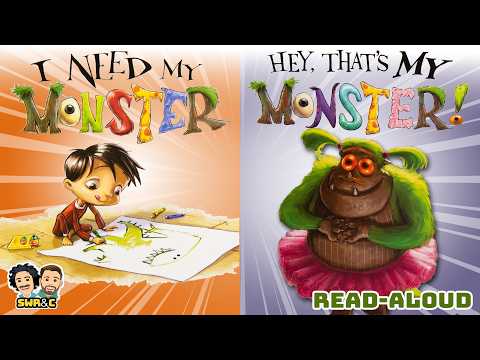
👹 I NEED MY MONSTER + HEY, THAT'S MY MONSTER! 😱 | FULL READ ALOUDS!
0
林宜悉 posted on 2026/11/09Join Ryan and Craig for a whimsical read-aloud of 'I Need My Monster' and 'Hey, That's My Monster,' where a young boy tries to find the perfect creature to keep his sister tucked in bed. It is a fantastic way to practice expressive storytelling and pick up fun descriptive phrases like 'snorted,' 'oozed,' and 'slithered.' You will love the playful banter and the creative ways the characters handle their nighttime antics!
Learn this video on the APP!
The VoiceTube App has more in-depth practice for videos!