
academy
US /əˈkædəmi/
UK /ə'kædəmɪ/
- Noun
- School that specializes in certain subjects
A2Moreat its peak
US
UK
- Phrase
- At the highest point of achievement, intensity, or development.
A1Moreat least
US /æt list/
UK /æt li:st/
- Adverb
- As a minimum
- Not less than
- Phrase
- No less than; at the minimum
- Used to indicate that something is positive in a bad situation.
C2Moreback then
US
UK
- Phrase
- At that time in the past.
A1Morebacklash
US /ˈbækˌlæʃ/
UK /ˈbæklæʃ/
- Noun (Countable/Uncountable)
- a strong negative reaction by a large number of people, for example to something that has recently changed in society
- A sudden, adverse reaction or consequence, especially in computing or technology.
C2TOEICMorecongress
US /ˈkɑŋɡrɪs/
UK /'kɒŋɡres/
- Noun (Countable/Uncountable)
- Meeting of elected or appointed representatives
- Proper Noun
- American governing body of elected representatives
B1Morecrisis
US /ˈkraɪsɪs/
UK /'kraɪsɪs/
- Noun (Countable/Uncountable)
- Unstable situation of extreme danger or difficulty
- A turning point in a disease.
B1Moredatum
US /ˈdetəm, ˈdætəm, ˈdɑtəm/
UK /ˈdeɪtəm/
- Noun
- Item of factual information
B1Moredeal with
US /dil wɪð/
UK /di:l wið/
- Verb (Transitive/Intransitive)
- To buy or sell goods or services.
- Phrasal Verb
- To take action to solve a problem or manage a situation.
- To be about; concern.
A1Moredeflation
US /dɪˈfleʃən/
UK /ˌdi:ˈfleɪʃn/
- Noun (Countable/Uncountable)
- When prices of good/service fall instead of rising
- A decrease in the general price level of goods and services in an economy.
B2Moredemocratic
US /ˌdɛməˈkrætɪk/
UK /ˌdeməˈkrætɪk/
- Adjective
- (Of government) giving the people power, a vote
- Based on the principle that all members have equal rights.
B2Moredrag
US /dræɡ/
UK /dræɡ/
- Transitive Verb
- To reluctantly move or go somewhere
- To pull something heavy or difficult along the ground
- Noun (Countable/Uncountable)
- Force of air pushing back against a plane car etc.
- Boring or annoying thing/activity
A2Moreeconomic
US /ˌɛkəˈnɑmɪk, ˌikə-/
UK /ˌi:kəˈnɒmɪk/
- Adjective
- Concerning trade, industry, and money
- Financially worthwhile; profitable.
- Noun
- A system relating to economics
- A factor relating to economics
A2Moreelection
US /ɪˈlɛkʃən/
UK /ɪ'lekʃn/
- Noun
- Process of choosing someone by voting
B1TOEICMoreentire
US /ɛnˈtaɪr/
UK /ɪn'taɪə(r)/
- Adjective
- Complete or full; with no part left out; whole
- Undivided; not shared or distributed.
A2TOEICMoreexact
US /ɪɡˈzækt/
UK /ɪɡ'zækt/
- Adjective
- Completely correct; accurate; specific
- Transitive Verb
- To get something, sometimes using force
A2TOEICMorefederal
US /ˈfɛdərəl, ˈfɛdrəl/
UK /'fedərəl/
- Adjective
- Consisting of several united states
- Relating to a system of government in which power is divided between a central authority and constituent political units.
- Proper Noun
- The central banking system of the United States.
B1Morefinancial
US /faɪˈnænʃ(ə)l/
UK /faɪˈnænʃl/
- Adjective
- Involving money
- Relating to investments.
- Countable Noun
- A person who provides advice on financial matters.
A2TOEICMorefor example
US
UK
- Phrase
- As an illustration or instance.
fortune
US /ˈfɔrtʃən/
UK /'fɔ:tʃu:n/
- Noun (Countable/Uncountable)
- What might happen to you in the future
- Chance or luck, particularly good luck
- Transitive Verb
- To bring good fortune to.
B1TOEICMorefundamentally
US /ˌfʌndəˈmɛntl:ɪ/
UK /ˌfʌndəˈmentəli/
- Adverb
- In a basic and important way
- In a complete and thorough way
B1Morego back to
US /ɡo bæk tu/
UK /ɡəu bæk tu:/
- Phrasal Verb
- To return to a starting point
A1Morehave to
US /hæv tu/
UK /ˈhæv tə/
- Auxiliary Verb
- Must do
A1Morehuge
US /hjudʒ/
UK /hju:dʒ/
- Adjective
- Very very large
A2Morehypothetical
US /ˌhaɪpəˈθɛtɪkəl/
UK /ˌhaɪpəˈθetɪkl/
- Adjective
- Thought up, as an example; not being a real case
- Of the nature of a hypothesis; conjectural; provisional.
- Noun
- A hypothetical example or case.
- A hypothetical situation or scenario.
B2Moreimpact
US /ˈɪmˌpækt/
UK /'ɪmpækt/
- Noun
- A striking effect or result to hit with force
- Act or force of one thing hitting something else
- Verb (Transitive/Intransitive)
- To hit or strike someone or something with force
- To have a strong effect on someone or something.
A2TOEICMorein fact
US /ɪn fækt/
UK /in fækt/
- Adverb
- Used to emphasize the truth of a statement, especially one that contrasts with or contradicts something else.
- Used to introduce a more detailed or surprising piece of information.
- Phrase
- Used to emphasize the truth of a statement, especially one that is surprising or contrary to what might be expected.
C1Morein general
US /ɪn ˈdʒɛnərəl/
UK /in ˈdʒenərəl/
- Phrase
- Typically; usually; on the whole.
- Not specific or detailed; broadly.
- Adjective
- Not detailed or specific; overall.
C2Morein order to
US /ɪn ˈɔrdɚ tu/
UK /in ˈɔ:də tu:/
- Preposition
- For the purpose of; with the aim of.
- Phrase
- In a specific sequence or arrangement.
- With the aim of; for the purpose of.
C1Morein other words
US
UK
- Phrase
- Stating something in a different way, often to make it clearer or more understandable.
in power
US /ɪn ˈpaʊɚ/
UK /in ˈpauə/
- Adjective
- Having control of a country or organization.
- Phrase
- During a period of holding authority or control.
B1Morein the future
US /ɪn ði ˈfjutʃɚ/
UK /in ðə ˈfju:tʃə/
- Phrase
- At a later time; in times to come.
A1Morein the house
US
UK
- Phrase
- Located inside a building used as a dwelling.
- Within a legislative body, such as a parliament or congress.
A1Moreinflation
US /ɪnˈfleʃən/
UK /ɪn'fleɪʃn/
- Noun (Countable/Uncountable)
- Act of filling something with air or gas
- Continual rise in the prices of products
B1TOEICMoreinstantly
US /ˈɪnstəntli/
UK /ˈɪnstəntli/
- Adverb
- In a manner without delay; immediately
A2Moreinvest
US /ɪnˈvɛst/
UK /ɪn'vest/
- Transitive Verb
- To use resources to build for the future
A2TOEICMorejump in
US
UK
- Phrasal Verb
- To enter a vehicle quickly.
- To interrupt a conversation.
lead to
US /lid tu/
UK /li:d tu:/
- Phrasal Verb
- To result in some action
- Verb (Transitive/Intransitive)
- To have something as a consequence or result.
A1Moreliterally
US /ˈlɪtərəli/
UK
- Adverb
- In a literal manner or sense; exactly as stated.
- Used for emphasis to describe something that is actually true, often to highlight surprise or intensity.
B1Morelook at
US /lʊk æt/
UK /luk æt/
- Phrasal Verb
- To use your eyes to focus on something
- To focus your eyes on something carefully
A1Moremassively
US /'mæsɪvlɪ/
UK /'mæsɪvlɪ/
- Adverb
- To a very large degree or in a large manner
B1Moreof course
US /ʌv kɔː(r)s/
UK /ɔv kɔː(r)s/
- Adverb
- Sure ; Certainly
- Phrase
- For sure; certainly
A2Moreon paper
US /ɑn ˈpeɪpər/
UK /ɔn ˈpeipə/
- Phrase
- In theory or as a plan, but not necessarily in reality.
- Recorded in writing; documented.
A1Moreon the market
US
UK
- Phrase
- Available for sale.
- Actively seeking employment.
A2Moreopposition
US /ˌɑ:pəˈzɪʃn/
UK /ˌɒpəˈzɪʃn/
- Uncountable Noun
- Act of disagreeing or trying to stop something
- Group that you are fighting or competing against
B1Morepresident
US /ˈprɛzɪdənt,-ˌdɛnt/
UK /ˈprezɪdənt/
- Noun
- Person in charge of a country, or organization
- The highest-ranking executive in a corporation or organization.
A2TOEICMoreprevent
US /prɪˈvɛnt/
UK /prɪ'vent/
- Transitive Verb
- To stop something from happening or existing
A2TOEICMorepull down
US /pʊl daʊn/
UK /pul daun/
- Phrasal Verb
- To destroy an old building; demolish
- To depress someone by saying bad things
A1Morerally
US /ˈræli/
UK /'rælɪ/
- Noun (Countable/Uncountable)
- Public meeting to support or oppose something
- A race for motor vehicles over public roads
- Verb (Transitive/Intransitive)
- To meet publicly to support or oppose something
- To race cars in the countryside
B1Morerepublican
US /rɪˈpʌblɪkən/
UK /rɪˈpʌblɪkən/
- Countable Noun
- Supporter of the conservative US political party
- Adjective
- Of a republic; not favoring a monarchy
B1Morereserve
US /rɪˈzɚv/
UK /rɪ'zɜ:v/
- Transitive Verb
- To arrange for a room or table be kept for you
- To not use all of, so you can use it later
- Noun (Countable/Uncountable)
- Area of land set aside as for a people
- Park or area for wildlife to roam free
A2Moresenate
US /ˈsɛnɪt/
UK /'senət/
- Noun
- A board of governors at a college or university
B2Morespend
US /spɛnd/
UK /spend/
- Transitive Verb
- To use money to pay for something
- To use time in order to do something
A2TOEICMorespend money
US /spɛnd ˈmʌni/
UK /spend ˈmʌni/
- Phrase
- To use money to buy or pay for something.
A1Morespike
US /spaɪk/
UK /spaɪk/
- Noun
- The top point in a graph
- Long, thin metal rod that ends in a point
- Intransitive Verb
- To go up to a point on a graph
B2Morestep back
US /stɛp bæk/
UK /step bæk/
- Phrasal Verb
- To move backwards; to move away from something.
- To take a break from something; to gain perspective.
A1Morestock
US /stɑk/
UK /stɒk/
- Noun (Countable/Uncountable)
- Animals such as cattle kept for breeding
- Merchandise; goods kept by a business for sale
- Uncountable Noun
- Tasty liquid added to stews, soups etc.
B2TOEICMorethink about
US /θɪŋk əˈbaʊt/
UK /θiŋk əˈbaut/
- Phrasal Verb
- To consider something carefully.
- To remember or call to mind.
A1Morevaluable
US /ˈvæljuəbəl, ˈvæljə-/
UK /ˈvæljuəbl/
- Adjective
- Being useful or important
- Being worth a lot of money
B1TOEICMoreworth
US /wɚθ/
UK /wɜ:θ/
- Noun (Countable/Uncountable)
- the financial, practical or moral value of somebody/something
- having a particular value, especially in money
- Adjective
- Having a specified value.
A2Morezoom
US /zum/
UK /zu:m/
- Noun
- Camera lens used to magnify images
- Intransitive Verb
- To move along or go somewhere very quickly
B1Morezoom out
US /zum aʊt/
UK /zu:m aut/
- Phrasal Verb
- To decrease the magnification of an image, showing more of the scene.
- To take a broader perspective; to consider the overall context.
Vocabulary
- look at: To use your eyes to focus on something
- lead to: To result in some action
- think about: To consider something carefully.
- of course: Sure ; Certainly
- have to: Must do
- on paper: In theory or as a plan, but not necessarily in reality.
- zoom out: To decrease the magnification of an image, showing more of the scene.
- go back to: To return to a starting point
- spend money: To use money to buy or pay for something.
- in the future: At a later time; in times to come.
- in order to: For the purpose of; with the aim of.
- in the house: Located inside a building used as a dwelling.
- step back: To move backwards; to move away from something.
- back then: At that time in the past.
- in power: Having control of a country or organization.
- for example: As an illustration or instance.
- deal with
- in fact: Used to emphasize the truth of a statement, especially one that contrasts with or contradicts something else.
- pull down: To destroy an old building; demolish
- in general: Typically; usually; on the whole.
- at least: As a minimum
- in other words: Stating something in a different way, often to make it clearer or more understandable.
- on the market: Available for sale.
- jump in: To enter a vehicle quickly.
- at its peak: At the highest point of achievement, intensity, or development.
- literally: In a literal manner or sense; exactly as stated.
- entire: Complete or full; with no part left out; whole
- matter: To be of great importance; to count
- crisis: Unstable situation of extreme danger or difficulty
- realize: To become aware of or understand mentally
- impact: A striking effect or result to hit with force
- expect: To believe something is probably going to happen
- exact: Completely correct; accurate; specific
- amount: Quantity of something
- hypothetical: Thought up, as an example; not being a real case
- imagine: To think creatively about; form mental picture of
- prevent: To stop something from happening or existing
- financial: Involving money
- spike: The top point in a graph
- worth: the financial, practical or moral value of somebody/something
- instantly: In a manner without delay; immediately
- inflation: Act of filling something with air or gas
- federal: Consisting of several united states
- valuable: Being useful or important
- huge: Very very large
- backlash: a strong negative reaction by a large number of people, for example to something that has recently changed in society
- congress: Meeting of elected or appointed representatives
- stock: Animals such as cattle kept for breeding
- suddenly: In an unexpected or very quick manner
- democratic: (Of government) giving the people power, a vote
- reason: To think and make conclusions in a logical manner
- rest: Time when one relaxes, sleeps, or is inactive
- interest: Best or most advantageous thing for someone
- drag: To reluctantly move or go somewhere
- lead: Wire for electricity, computer, etc.; cable
- fortune: What might happen to you in the future
- invest: To use resources to build for the future
- economy: Using money, resources in a careful, effective way
- fundamentally: In a basic and important way
- academy: School that specializes in certain subjects
- company: Good feeling from being with someone else
- moment: Very short or brief period of time
- lot: What happens to a person in life from chance; fate
- reserve: To arrange for a room or table be kept for you
- important: Having power or authority
- spend: To use money to pay for something
- rally: Public meeting to support or oppose something
- president: Person in charge of a country, or organization
- economic: Concerning trade, industry, and money
- election: Process of choosing someone by voting
- senate: A board of governors at a college or university
- opposition: Act of disagreeing or trying to stop something
- massively: To a very large degree or in a large manner
- datum: Item of factual information
- republican: Supporter of the conservative US political party
- zoom: Camera lens used to magnify images
- deflation: When prices of good/service fall instead of rising
Get the full experience in the app
Learn anywhere with detailed sentence and usage analysis
01:03
She took a brave step forward, leaving behind her comfort zone to chase her dreams.
Vocabulary
- brave
adj. Having courage
- comfort zone
phr. A familiar situation where one feels safe
Explanation
a brave step is a noun phrase, where brave is an adjective modifying the noun step, meaning "a courageous step".
forward is an adverb modifying step, meaning "ahead".
The whole phrase serves as the object, answering the "what" of took (verb) — she took a brave step forward.
Get the full experience in the app
Look up words anytime with pronunciation, part of speech, and usage
brave
US/brev/
UK/breɪv/
adj.Brave
v.t.To bravely face
A2 Elementary
Get the full experience in the app
Practice speaking anytime and get instant pronunciation feedback
Try this speaking exercise.
Try practicing with this sentence.
80
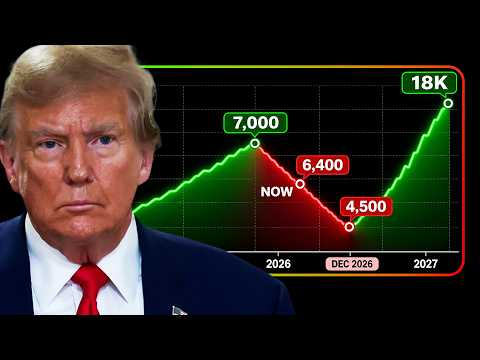
Trump just lost mid terms...Rich People Are About To Make So Much Money
0
林宜悉 posted on 2026/11/06Ever wondered why stock markets seem to boom after mid-term elections? This video explores the fascinating relationship between political power shifts and the S&P 500, offering a great way to brush up on financial vocabulary like 'valuation' and 'inflation' while you learn how investors read the market.
Learn this video on the APP!
The VoiceTube App has more in-depth practice for videos!