
a good portion
US
UK
- Phrase
- A significant or substantial amount of something.
- An adequate or fair share of something.
B2Moreagainst the clock
US
UK
- Phrase
- Rushed and under pressure to meet a deadline.
A2Moreanxiety
US /æŋˈzaɪɪti/
UK /æŋ'zaɪətɪ/
- Uncountable Noun
- A feeling of worry, nervousness, or unease about something that might happen, especially when the outcome is uncertain.
B1Moreat least
US /æt list/
UK /æt li:st/
- Adverb
- As a minimum
- Not less than
- Phrase
- No less than; at the minimum
- Used to indicate that something is positive in a bad situation.
C2Moreat the same time
US
UK
- Phrase
- Simultaneously; at the identical moment.
- Nevertheless; however; used to introduce a contrasting or qualifying statement.
A1Moreat work
US /æt wɚk/
UK /æt wə:k/
- Phrase
- Located at one's place of employment
A1Morebet
US /bet/
UK /bet/
- Verb (Transitive/Intransitive)
- To gamble money to win more money, e.g. on horses
- Used to express certainty or confidence
- Countable Noun
- Act of gambling money on the result of a race etc.
A2Moreboredom
US /ˈbɔrdəm, ˈbor-/
UK /ˈbɔ:dəm, ˈbəʊr-/
- Uncountable Noun
- Feeling of being uninterested or unexcited
B1Moreburn out
US /bɚn aʊt/
UK /bə:n aut/
- Phrasal Verb
- To overwork to mental or physical exhaustion
- To stop burning because fuel is consumed
- Verb (Transitive/Intransitive)
- To become extremely tired or exhausted, often due to prolonged stress.
A1Morecome up with
US /kʌm ʌp wɪð/
UK /kʌm ʌp wið/
- Phrasal Verb
- To think of an idea or solution; produce
A1Moreconfusion
US /kənˈfjuʒən/
UK /kən'fju:ʒən/
- Uncountable Noun
- Not knowing what to do; state of disorder
B1Morecross it
US
UK
- Transitive Verb
- To cancel or eliminate something from a list or plan.
- Intransitive Verb
- To hope for good luck or a positive outcome.
A1Moredeal with
US /dil wɪð/
UK /di:l wið/
- Verb (Transitive/Intransitive)
- To buy or sell goods or services.
- Phrasal Verb
- To take action to solve a problem or manage a situation.
- To be about; concern.
A1Morediscipline
US /ˈdɪsəplɪn/
UK /'dɪsəplɪn/
- Noun (Countable/Uncountable)
- Instruction and practice to teach obedience
- Particular field of study
- Transitive Verb
- To control or train others by making them obey you
- To punish a person for their wrongdoing
B1TOEICMoredo in
US
UK
- Phrasal Verb
- To make completely tired out and exhausted
- To destroy or cause damage to someone
A1Moreefficient
US /ɪˈfɪʃənt/
UK /ɪˈfɪʃnt/
- Adjective
- Able to produce results without waste
- Capable of producing desired results with little or no waste (of time, energy, or other resources).
A2TOEICMoreentire
US /ɛnˈtaɪr/
UK /ɪn'taɪə(r)/
- Adjective
- Complete or full; with no part left out; whole
- Undivided; not shared or distributed.
A2TOEICMoreessay
US /ˈɛsˌe, ɛˈse/
UK /'eseɪ/
- Noun (Countable/Uncountable)
- Short piece of written opinion on a subject
- A test of the quality of a metal or ore.
- Verb (Transitive/Intransitive)
- To attempt or try.
- To test or evaluate the quality of something.
B1Moreextra
US /'ekstrə/
UK /'ekstrə/
- Adjective
- More than necessary; additional
- Of especially good quality or grade.
- Noun (Countable/Uncountable)
- Items more than you need; additional items
- Person who has a small part in a movie
A2Morefeel like
US
UK
- Intransitive Verb
- To have a desire or inclination for something.
- To have a particular quality or sensation; resemble.
A1Morefor example
US
UK
- Phrase
- As an illustration or instance.
get out of
US /ɡɛt aʊt ʌv/
UK /ɡet aut ɔv/
- Phrasal Verb
- To leave or escape responsibilities, troubles
- To leave a small, enclosed vehicle
A1Morego back to
US /ɡo bæk tu/
UK /ɡəu bæk tu:/
- Phrasal Verb
- To return to a starting point
A1Morego on
US /ɡo ɑn/
UK /ɡəu ɔn/
- Phrasal Verb
- To continue doing something
- To happen (usually negative)
- Interjection
- Used to encourage someone
A1Moregrade
US /ɡred/
UK /ɡreɪd/
- Transitive Verb
- To give a road the required angle of slope
- To determine the level or quality of something
- Noun
- Level or quality of something e.g. a diamond
- Mark that shows the quality of a student's work
B1TOEICMoregrind
US /ɡraɪnd/
UK /ɡraɪnd/
- Transitive Verb
- To break (coffee, etc.) into tiny bits with machine
- To make loud jarring noise by pressing hard
- Uncountable Noun
- Hard work or effort
B2Morehack
US /hæk/
UK /hæk/
- Transitive Verb
- To illegally access someone else's computer
- To cut away plants and branches to make a path
- Noun (Countable/Uncountable)
- Dry cough
- Horse for hire to work or pull a vehicle for a fee
B1TOEICMorehave to
US /hæv tu/
UK /ˈhæv tə/
- Auxiliary Verb
- Must do
A1Morein reality
US /ɪn riˈælɪti/
UK /in riˈæliti/
- Phrase
- Actually; in fact; truly.
B2Morein the end
US /ɪn ði ɛnd/
UK /in ðə end/
- Phrase
- Finally; after a period of time or series of events.
- Ultimately; as the final result or consequence.
A1Morein the first place
US
UK
- Phrase
- To begin with; as the first point or consideration.
- From the beginning; initially.
A1Morein the long run
US
UK
- Phrase
- Eventually; over a long period of time.
A1Moreindividual
US /ˌɪndəˈvɪdʒuəl/
UK /ˌɪndɪˈvɪdʒuəl/
- Countable Noun
- Single person, looked at separately from others
- A single thing or item, especially when part of a set or group.
- Adjective
- Made for use by one single person
- Having a distinct manner different from others
A2Moreinstead of
US /ɪnˈstɛd ʌv/
UK /inˈsted ɔv/
- Preposition
- When one thing is replaced by another
- Adverb
- As a substitute or alternative.
A1Moreliterally
US /ˈlɪtərəli/
UK
- Adverb
- In a literal manner or sense; exactly as stated.
- Used for emphasis to describe something that is actually true, often to highlight surprise or intensity.
B1Morelook at
US /lʊk æt/
UK /luk æt/
- Phrasal Verb
- To use your eyes to focus on something
- To focus your eyes on something carefully
A1Moremate
US /met/
UK /meɪt/
- Noun (Countable/Uncountable)
- A friend who you work, live, or go to school with
- Partner in a (sexual) relationship
- Verb (Transitive/Intransitive)
- To pair a male and female so they have children
- To join or fit two things together
B1Moremotivate
US /ˈmotəˌvet/
UK /'məʊtɪveɪt/
- Transitive Verb
- To give someone a reason, the will to do something
A2TOEICMoremotivation
US /ˌmotəˈveʃən/
UK /ˌməʊtɪ'veɪʃn/
- Uncountable Noun
- Reason behind why someone did something
- Enthusiasm for doing something.
B1TOEICMoreof course
US /ʌv kɔː(r)s/
UK /ɔv kɔː(r)s/
- Adverb
- Sure ; Certainly
- Phrase
- For sure; certainly
A2Moreonce a month
US
UK
- Phrase
- Happening or appearing one time in each month.
A1Moreparagraph
US /ˈpærəgræf/
UK /ˈpærəgrɑ:f/
- Noun (Countable/Uncountable)
- Section of writing dealing with one point
- A section or clause in a legal document.
- Transitive Verb
- To organize a written work into paragraphs
B1TOEICMorepersonally
US /ˈpəsənəli/
UK /ˈpɜ:sənəli/
- Adverb
- By a specific person, and not by anyone else
- Knowing someone as a friend, or closely
A2Moreplan out
US /plæn aʊt/
UK /plæn aut/
- Phrasal Verb
- To think about and decide on the details of something you want to do in the future.
A1Moreprime
US /praɪm/
UK /praɪm/
- Transitive Verb
- To get a person ready for; prepare someone
- To coat with paint to prepare it for the main coat
- Adjective
- Concerning the highest in quality or value
- Concerning the highest level of achievement
A2TOEICMoreprocrastination
US /proʊˌkræstɪ'neɪʃn/
UK /prəʊˌkræstɪ'neɪʃn/
- Uncountable Noun
- Act of putting off something you ought to do
C2TOEICMoreproductive
US /prəˈdʌktɪv, pro-/
UK /prəˈdʌktɪv/
- Adjective
- Producing things in large quantities; fertile
- Doing a lot of work and achieving a lot
B1Moreproductivity
US /ˌprɑ:dʌkˈtɪvəti/
UK /ˌprɒdʌkˈtɪvəti/
- Uncountable Noun
- Rate at which people or machines produce
- A measure of the efficiency of a person, machine, factory, system, etc., in converting inputs into useful output.
B1TOEICMorereasonable
US /ˈrizənəbəl/
UK /ˈri:znəbl/
- Adjective
- Being somewhat good, but not great
- Fair and sensible; appropriate
A2TOEICMoreremind
US /rɪˈmaɪnd/
UK /rɪ'maɪnd/
- Transitive Verb
- To cause someone to remember what they forgot
- To cause someone to think of something similar or related.
A2TOEICMoreroutine
US /ruˈtin/
UK /ru:ˈti:n/
- Adjective
- Happening or done regularly or habitually
- Always the same; boring through lack of variety
- Noun (Countable/Uncountable)
- Regular or habitual way of behaving or doing
- Series of actions that make up a performance
A2TOEICMoresame time
US
UK
- Phrase
- Occurring simultaneously or at the same point in time.
- At the identical time as before; recurring at a fixed hour.
- Noun
- An equal duration or period.
A1Morescheme of things
US
UK
- Phrase
- The way that things are generally ordered or arranged in the world or in a particular situation.
- A person's place or importance in relation to other things.
A1Moresession
US /ˈsɛʃən/
UK /ˈseʃn/
- Noun (Countable/Uncountable)
- Period of time used for a specific activity
- Series of meetings for e.g. a court, legislature
A2TOEICMorespend
US /spɛnd/
UK /spend/
- Transitive Verb
- To use money to pay for something
- To use time in order to do something
A2TOEICMoresplit
US /splɪt/
UK /splɪt/
- Adjective
- No longer married or in a relationship
- (Injured) by cutting it open, as in someone's lip
- Verb (Transitive/Intransitive)
- To become divided or broken along a straight line
- To cause a cut in (lip, etc.)
A2Moresplit up
US /splɪt ʌp/
UK /split ʌp/
- Phrasal Verb
- To break up your marriage or relationship
- To divide something into smaller parts.
- Noun
- A termination of a romantic relationship
A2Morestart up
US /stɑrt ʌp/
UK /stɑ:t ʌp/
- Countable Noun
- A newly established business.
- Phrasal Verb
- To begin or initiate something.
- To begin a new business or enterprise.
A1Morestudy for
US /ˈstʌdi fɔr/
UK /ˈstʌdi fɔ:/
- Phrasal Verb
- To prepare for an examination or test by learning and revising the subject matter.
stuff
US /stʌf/
UK /stʌf/
- Uncountable Noun
- Generic description for things, materials, objects
- Transitive Verb
- To push material inside something, with force
B1Moretake in
US
UK
- Phrasal Verb
- To allow to enter; receive as a guest
- To include or add
- Transitive Verb
- To absorb (liquid).
- To understand or comprehend something.
A1Moretask
US /tæsk/
UK /tɑ:sk/
- Noun (Countable/Uncountable)
- Big or small piece of work someone has to do
- Transitive Verb
- To be given something to do, e.g. wash dishes
A2TOEICMorethanks to
US /θæŋks tu/
UK /θæŋks tu:/
- Preposition
- Because of; as a result of.
A1Morethink of
US /θɪŋk ʌv/
UK /θiŋk ɔv/
- Phrasal Verb
- To look on as (being something specific); consider
- To consider or remember something.
- Verb (Transitive/Intransitive)
- To imagine or call something to mind
A1Moreturn into
US /tɚn ˈɪntu/
UK /tə:n ˈɪntuː/
- Phrasal Verb
- To change to become something else
- To change your direction to go into a place
A1Morewait for
US /wet fɔr/
UK /weit fɔ:/
- Phrasal Verb
- To wait until someone comes, or something happens
A1Morewake up
US /wek ʌp/
UK /weik ʌp/
- Phrasal Verb
- To stop sleeping
- To become fully aware and alert to a situation.
A1Moreweird
US /wɪrd/
UK /wɪəd/
- Adjective
- Odd or unusual; surprising; strange
- Eerily strange or disturbing.
B1More
Vocabulary
- wake up: To stop sleeping
- for example: As an illustration or instance.
- have to: Must do
- look at: To use your eyes to focus on something
- same time: Occurring simultaneously or at the same point in time.
- go back to: To return to a starting point
- at least: As a minimum
- deal with
- in the long run: Eventually; over a long period of time.
- get out of: To leave or escape responsibilities, troubles
- in reality: Actually; in fact; truly.
- a good portion: A significant or substantial amount of something.
- thanks to: Because of; as a result of.
- instead of: When one thing is replaced by another
- burn out: To overwork to mental or physical exhaustion
- at work: Located at one's place of employment
- once a month: Happening or appearing one time in each month.
- in the end: Finally; after a period of time or series of events.
- think of: To look on as (being something specific); consider
- feel like: To have a desire or inclination for something.
- turn into: To change to become something else
- cross it: To cancel or eliminate something from a list or plan.
- split up: To break up your marriage or relationship
- start up: A newly established business.
- do in: To make completely tired out and exhausted
- against the clock: Rushed and under pressure to meet a deadline.
- wait for: To wait until someone comes, or something happens
- study for: To prepare for an examination or test by learning and revising the subject matter.
- of course: Sure ; Certainly
- go on: To continue doing something
- at the same time: Simultaneously; at the identical moment.
- plan out: To think about and decide on the details of something you want to do in the future.
- take in: To allow to enter; receive as a guest
- come up with: To think of an idea or solution; produce
- scheme of things: The way that things are generally ordered or arranged in the world or in a particular situation.
- in the first place: To begin with; as the first point or consideration.
- literally: In a literal manner or sense; exactly as stated.
- stuff: Generic description for things, materials, objects
- weird: Odd or unusual; surprising; strange
- anxiety: A feeling of worry, nervousness, or unease about something that might happen, especially when the outcome is uncertain.
- entire: Complete or full; with no part left out; whole
- discipline: Instruction and practice to teach obedience
- individual: Single person, looked at separately from others
- routine: Happening or done regularly or habitually
- matter: To be of great importance; to count
- procrastination: Act of putting off something you ought to do
- anxious: Afraid of what may happen; worried and nervous
- motivation: Reason behind why someone did something
- split: No longer married or in a relationship
- productive: Producing things in large quantities; fertile
- amount: Quantity of something
- bet: To gamble money to win more money, e.g. on horses
- bit: Device put in a horse's mouth to control it
- prime: To get a person ready for; prepare someone
- brain: To strike someone forcefully on the head
- efficient: Able to produce results without waste
- task: Big or small piece of work someone has to do
- draw: To attract attention to someone or something
- deal: To cope with something - usually troubles
- grind: To break (coffee, etc.) into tiny bits with machine
- explain: To make clear or easy to understand by describing
- session: Period of time used for a specific activity
- simply: In an easy or clear manner
- extra: More than necessary; additional
- productivity: Rate at which people or machines produce
- pretty: Being attractive to the eye in a simple way
- motivate: To give someone a reason, the will to do something
- subject: The person, thing, or idea that is being discussed, described, or studied.
- due: When something is required or expected
- essay: Short piece of written opinion on a subject
- boredom: Feeling of being uninterested or unexcited
- personally: By a specific person, and not by anyone else
- secret: Kept hidden from others; Known only to a few people
- lot: What happens to a person in life from chance; fate
- hack: To illegally access someone else's computer
- important: Having power or authority
- confusion: Not knowing what to do; state of disorder
- spend: To use money to pay for something
- remind: To cause someone to remember what they forgot
- paragraph: Section of writing dealing with one point
- mate: A friend who you work, live, or go to school with
- reasonable: Being somewhat good, but not great
- grade: To give a road the required angle of slope
Get the full experience in the app
Learn anywhere with detailed sentence and usage analysis
01:03
She took a brave step forward, leaving behind her comfort zone to chase her dreams.
Vocabulary
- brave
adj. Having courage
- comfort zone
phr. A familiar situation where one feels safe
Explanation
a brave step is a noun phrase, where brave is an adjective modifying the noun step, meaning "a courageous step".
forward is an adverb modifying step, meaning "ahead".
The whole phrase serves as the object, answering the "what" of took (verb) — she took a brave step forward.
Get the full experience in the app
Look up words anytime with pronunciation, part of speech, and usage
brave
US/brev/
UK/breɪv/
adj.Brave
v.t.To bravely face
A2 Elementary
Get the full experience in the app
Practice speaking anytime and get instant pronunciation feedback
Try this speaking exercise.
Try practicing with this sentence.
80
being productive is easy, actually
0
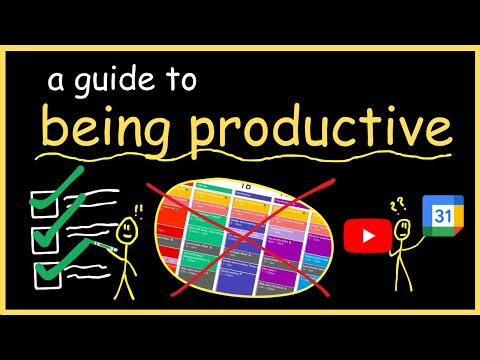
蔡軒 posted on 2026/11/02Stop waiting for motivation to strike and start getting things done with this clever guide to building a productive work cycle. You’ll learn practical hacks like the power of a detailed to-do list and how to 'have a crack' at your goals, all while picking up some great conversational English tips for staying focused.
Learn this video on the APP!
The VoiceTube App has more in-depth practice for videos!