
accumulation
US /əˌkjumjəˈleʃən/
UK /əˌkju:mjə'leɪʃn/
- Uncountable Noun
- Act of becoming bigger or more over time
- A collection of things that have been gathered over time.
B1Moreacidic
US /əˈsɪdɪk/
UK /əˈsɪdɪk/
- Adjective
- Containing acid
B1Moreaffect
US /əˈfɛkt/
UK /ə'fekt/
- Transitive Verb
- To cause a change in something else
- To pretend to have or feel (something).
- Noun
- (Psychology) Emotion or feeling.
A2TOEICMorealpha
US /'ælfə/
UK /ˈælfə/
- Noun
- First letter in the Greek alphabet
- Adjective
- Most powerful (animals of the same sex)
B1Moreamino
US /ə'miːnəʊ/
UK /ə'miːnəʊ/
- Noun
- Of some substances that form proteins
C2Moreapparatus
US /ˌæpəˈretəs, -ˈrætəs/
UK /ˌæpə'reɪtəs/
- Noun (Countable/Uncountable)
- Tools or instruments used for a specific activity
B1TOEICMoreas well as
US /æz wɛl æz/
UK /æz wel æz/
- Adverb
- Also; in addition to
- Preposition
- In addition to; and also.
A1Morebacteria
US /bækˈtɪriə/
UK /bæk'tɪərɪə/
- Noun (plural)
- The very small creatures that can cause disease
B2Morebasically
US /ˈbesɪkəli,-kli/
UK /ˈbeɪsɪkli/
- Adverb
- Used before you explain something simply, clearly
- In essence; when you consider the most important aspects of something.
A2Morebreak down
US /brek daʊn/
UK /breik daun/
- Phrasal Verb
- To forcibly break, destroy or make collapse
- (Machine) to stop working or become weaker
A1Morebreakdown
US /ˈbrekˌdaʊn/
UK /'breɪkdaʊn/
- Noun
- When normal activity or behavior stops
B1TOEICMorecellular
US /ˈsɛljəlɚ/
UK /'seljələ(r)/
- Adjective
- Concerning a cell of a living thing
- (Of radio signals) functioning without wires
B2Morecritical
US /ˈkrɪtɪkəl/
UK /ˈkrɪtɪkl/
- Adjective
- Making a negative judgment of something
- Being important or serious; vital; dangerous
A2Moredebris
US /dəˈbri, de-, ˈdeˌbri/
UK /dəˈbri:, deɪ-, ˈdeɪˌbri:/
- Uncountable Noun
- Remains of something broken or destroyed
- Accumulated fragments of rock.
B2TOEICMoredeficiency
US /dɪˈfɪʃənsi/
UK /dɪˈfɪʃnsi/
- Noun
- Lack of something that is necessary
B2Moredegrade
US /dɪˈɡred/
UK /dɪ'ɡreɪd/
- Transitive Verb
- To reduce in amount or strength
B2Moredevastating
US
UK
- Transitive Verb
- To cause extensive destruction or ruin utterly
- Adjective
- Destroying everything; very shocking
- Causing great emotional pain or shock.
B1Moredigest
US /daɪˈdʒest/
UK /daɪˈdʒest/
- Verb (Transitive/Intransitive)
- To convert food into energy in your stomach
- To think over facts, news etc.; take in information
- Noun
- A summary, as of the news
B2Moredigestion
US /daɪˈdʒɛstʃən, dɪ-/
UK /daɪˈdʒestʃən/
- Uncountable Noun
- Process of changing eaten food for use in the body
- The process of understanding new information
B2Moredigestive
US /daɪˈdʒɛstɪv, dɪ-/
UK /daɪˈdʒestɪv/
- Adjective
- Concerning processes of converting food to energy
B2Moredisease
US /dɪˈziz/
UK /dɪˈzi:z/
- Noun (Countable/Uncountable)
- Illness that affects a person, animal, or plant
- A disorder of structure or function in a plant, especially one caused by a pathogen.
- Transitive Verb
- To affect with disease; to corrupt or sicken.
A2TOEICMoredna
US
UK
- Noun (Countable/Uncountable)
- Chemical in living cells with genetic information
B2Moreendoplasmic
US /ˌendə'plazmɪk/
UK /ˌendə'plazmɪk/
- Adjective
- Inner portion of the cytoplasm of a cell
C2Moreenzyme
US /ˈɛnzaɪm/
UK /ˈenzaɪm/
- Noun
- A protein made by cells
B2TOEICMoreessential
US /ɪˈsɛnʃəl/
UK /ɪ'senʃl/
- Adjective
- Extremely or most important and necessary
- Fundamental; basic.
- Noun
- A concentrated hydrophobic liquid containing volatile aroma compounds from plants.
B1TOEICMoreessentially
US /ɪˈsenʃəli/
UK /ɪˈsenʃəli/
- Adverb
- Basically; (said when stating the basic facts)
- Used to emphasize the basic truth or fact of a situation.
A2Morefor short
US /fɔr ʃɔrt/
UK /fɔ: ʃɔ:t/
- Phrase
- As a shortened form of a name or phrase.
A1Morefunction
US /ˈfʌŋkʃən/
UK /'fʌŋkʃn/
- Noun
- Social event, or party such as a wedding
- Mathematical operation used in calculations
- Intransitive Verb
- To serve a certain purpose or role
- To be operating, working or achieving its purpose
A2TOEICMorefuse
US /fjuz/
UK /fju:z/
- Noun
- Device connected to and making a bomb explode
- Electrical safety device
- Verb (Transitive/Intransitive)
- (Metal) to become one through heat contact
- To become combined; unite.
B2Moregenetic
US /dʒəˈnɛtɪk/
UK /dʒəˈnetɪk/
- Adjective
- Of, relating to, or controlled by genes
- Relating to genes or heredity.
B1Morehydrogen
US /ˈhaɪdrədʒən/
UK /ˈhaɪdrədʒən/
- Uncountable Noun
- Lightest of all chemical elements
B1Moreimmune
US /ɪˈmjoon/
UK /ɪˈmju:n/
- Adjective
- Having a special protection from, e.g. the law
- Protected against a particular disease or condition because of antibodies or vaccination.
B1Moreimpact
US /ˈɪmˌpækt/
UK /'ɪmpækt/
- Noun
- A striking effect or result to hit with force
- Act or force of one thing hitting something else
- Verb (Transitive/Intransitive)
- To hit or strike someone or something with force
- To have a strong effect on someone or something.
A2TOEICMorein order to
US /ɪn ˈɔrdɚ tu/
UK /in ˈɔ:də tu:/
- Preposition
- For the purpose of; with the aim of.
- Phrase
- In a specific sequence or arrangement.
- With the aim of; for the purpose of.
C1Morein particular
US /ɪn pɚˈtɪkjəlɚ/
UK /in pəˈtikjulə/
- Phrase
- Specifically; especially.
- Detailed or precise.
A1Morein summary
US /ɪn ˈsʌməri/
UK /in ˈsʌməri/
- Phrase
- Briefly stating or reviewing main points.
B2Morein the rough
US /ɪn ðə ˈrʌf/
UK /in ðə ˈrʌf/
- other
- In an area of longer grass on a golf course, off the fairway.
- other
- Not yet refined, unpolished or undeveloped.
B2Morelead to
US /lid tu/
UK /li:d tu:/
- Phrasal Verb
- To result in some action
- Verb (Transitive/Intransitive)
- To have something as a consequence or result.
A1Moreleak
US /lik/
UK /li:k/
- Noun (Countable/Uncountable)
- Act of (gas, liquid) escaping through a small hole
- Information released that wasn't supposed to be
- Intransitive Verb
- (Of a tire) to have air, liquid escaping; (Of air)
- (Liquid) to go out of/get in through crack/opening
B1Moremaintain
US /menˈten/
UK /meɪn'teɪn/
- Transitive Verb
- To keep saying something a certain way
- To keep (machine) working by checking, repairing
A2TOEICMoremembrane
US /ˈmɛmˌbren/
UK /'membreɪn/
- Noun (Countable/Uncountable)
- Outside covering of a cell
- A thin covering of tissue or of a cell
B2Moremention
US /ˈmɛnʃən/
UK /'menʃn/
- Transitive Verb
- To refer to or talk or write about something
- Uncountable Noun
- Act of referring to or talking about something
- A formal acknowledgement of something
A2TOEICMoremodify
US /ˈmɑ:dɪfaɪ/
UK /ˈmɒdɪfaɪ/
- Transitive Verb
- To make minor change to something
B1Moreoccur
US /əˈkɚ/
UK /əˈkɜ:(r)/
- Intransitive Verb
- To come to pass or to happen
- To be found to exist; to be present.
A2TOEICMoreparticipate
US /pɑ:rˈtɪsɪpeɪt/
UK /pɑ:ˈtɪsɪpeɪt/
- Intransitive Verb
- To take part with others in doing something
- To be involved in a discussion or conversation.
B1TOEICMorepathway
US /ˈpæθˌwe, ˈpɑθ-/
UK /ˈpɑ:θweɪ/
- Noun (Countable/Uncountable)
- A path or way that you can walk
B1Moreph
US /ˈpiˈetʃ/
UK /ˈpi:ˈeɪtʃ/
- Noun
- Acidity or alkalinity value of a solution
B2Moreprocess
US /ˈprɑsˌɛs, ˈproˌsɛs/
UK /prə'ses/
- Transitive Verb
- To organize and use data in a computer
- To deal with official forms in the way required
- Noun (Countable/Uncountable)
- Dealing with official forms in the way required
- Set of changes that occur slowly and naturally
A2TOEICMoreremain
US /rɪˈmen/
UK /rɪˈmeɪn/
- Intransitive Verb
- To be left behind; to continue to exist
- To stay in a place when other people have gone
A2TOEICMoreresponse
US /rɪˈspɑns/
UK /riˈspɔns/
- Noun
- Something said/written as an answer to something
- Reaction to something that has occurred
A2TOEICMorestructure
US /ˈstrʌk.tʃɚ/
UK /ˈstrʌk.tʃə/
- Noun (Countable/Uncountable)
- The way in which the parts of a system or object are arranged or organized, or a system arranged in this way
- A building or other man-made object.
- Transitive Verb
- To plan, organize, or arrange the parts of something
A2TOEICMoresuch as
US /sʌtʃ æz/
UK /sʌtʃ æz/
- Preposition
- For example; like
A1Moresynthesize
US /ˈsɪnθɪˌsaɪz/
UK /'sɪnθəsaɪz/
- Transitive Verb
- To combine different things into a new form
- To combine different things into a new form
B2Moresynthesized
US /'sɪnθəˌsaɪzd/
UK /'sɪnθɪsaɪzd/
- Transitive Verb
- To combine different things into a new form
- Adjective
- (Of music) man-made; artificial or mixed
B2Moretag
US /tæɡ/
UK /tæɡ/
- Noun (Countable/Uncountable)
- Child's game in which one person chases the others
- A name or label on something or someone
- Transitive Verb
- To apply a name or label to something or someone
- To touch someone you are chasing in a game
B1Morethe following
US
UK
- Adjective
- Next in order or sequence.
- Uncountable Noun
- What is about to be said or written.
B1Morevariety
US /vəˈraɪɪti/
UK /və'raɪətɪ/
- Noun
- Particular type of thing or person
- The quality or state of being different or diverse; the absence of uniformity, sameness, or monotony.
A2TOEICMorevisceral
US /ˈvɪsərəl/
UK /ˈvɪsərəl/
- Adjective
- From deep within you; caused by strong instincts
C1TOEICMorewhatnot
US /ˈwɑːt.nɑːt/
UK /ˈwɒt.nɒt/
- Noun
- Miscellaneous curios
- Uncountable Noun
- And other similar things
C1More
Vocabulary
- such as: For example; like
- lead to: To result in some action
- break down: To forcibly break, destroy or make collapse
- in order to: For the purpose of; with the aim of.
- in particular: Specifically; especially.
- in the rough: In an area of longer grass on a golf course, off the fairway.
- the following: Next in order or sequence.
- for short: As a shortened form of a name or phrase.
- as well as: Also; in addition to
- in summary: Briefly stating or reviewing main points.
- essentially: Basically; (said when stating the basic facts)
- process: To organize and use data in a computer
- essential: Extremely or most important and necessary
- immune: Having a special protection from, e.g. the law
- critical: Making a negative judgment of something
- basically: Used before you explain something simply, clearly
- devastating: To cause extensive destruction or ruin utterly
- impact: A striking effect or result to hit with force
- structure: The way in which the parts of a system or object are arranged or organized, or a system arranged in this way
- variety: Particular type of thing or person
- bacteria: The very small creatures that can cause disease
- disease: Illness that affects a person, animal, or plant
- imagine: To think creatively about; form mental picture of
- environment: Natural world in which plants and animals live
- affect: To cause a change in something else
- function: Social event, or party such as a wedding
- occur: To come to pass or to happen
- maintain: To keep saying something a certain way
- mention: To refer to or talk or write about something
- remain: To be left behind; to continue to exist
- genetic: Of, relating to, or controlled by genes
- response: Something said/written as an answer to something
- digestive: Concerning processes of converting food to energy
- form: Sports team or person's current winning record
- digestion: Process of changing eaten food for use in the body
- debris: Remains of something broken or destroyed
- digest: To convert food into energy in your stomach
- pretty: Being attractive to the eye in a simple way
- create: To make, cause, or bring into existence
- lead: Wire for electricity, computer, etc.; cable
- break: To create a new record e.g. running the 100m dash
- apparatus: Tools or instruments used for a specific activity
- participate: To take part with others in doing something
- enzyme: A protein made by cells
- visceral: From deep within you; caused by strong instincts
- important: Having power or authority
- deficiency: Lack of something that is necessary
- order: Religious or social group, as of nuns
- build: Your physical shape; physique
- membrane: Outside covering of a cell
- modify: To make minor change to something
- program: To make someone act or think in a certain way
- hydrogen: Lightest of all chemical elements
- active: Moving around a lot or doing many things
- breakdown: When normal activity or behavior stops
- cellular: Concerning a cell of a living thing
- include: To make someone, something part of a group
- leak: Act of (gas, liquid) escaping through a small hole
- finally: used especially at the beginning of a sentence to introduce the last point or idea
- fuse: Device connected to and making a bomb explode
- accumulation: Act of becoming bigger or more over time
- acidic: Containing acid
- pathway: A path or way that you can walk
- group: Two or more musicians who play music together
- degrade: To reduce in amount or strength
- amino: Of some substances that form proteins
- tag: Child's game in which one person chases the others
- synthesize: To combine different things into a new form
- whatnot: Miscellaneous curios
- alpha: First letter in the Greek alphabet
- synthesized: To combine different things into a new form
- dna: Chemical in living cells with genetic information
- endoplasmic: Inner portion of the cytoplasm of a cell
- ph: Acidity or alkalinity value of a solution
Get the full experience in the app
Learn anywhere with detailed sentence and usage analysis
01:03
She took a brave step forward, leaving behind her comfort zone to chase her dreams.
Vocabulary
- brave
adj. Having courage
- comfort zone
phr. A familiar situation where one feels safe
Explanation
a brave step is a noun phrase, where brave is an adjective modifying the noun step, meaning "a courageous step".
forward is an adverb modifying step, meaning "ahead".
The whole phrase serves as the object, answering the "what" of took (verb) — she took a brave step forward.
Get the full experience in the app
Look up words anytime with pronunciation, part of speech, and usage
brave
US/brev/
UK/breɪv/
adj.Brave
v.t.To bravely face
A2 Elementary
Get the full experience in the app
Practice speaking anytime and get instant pronunciation feedback
Try this speaking exercise.
Try practicing with this sentence.
80
Lysosome Explained: Structure, Function, Autophagy & Clinical Correlates
0
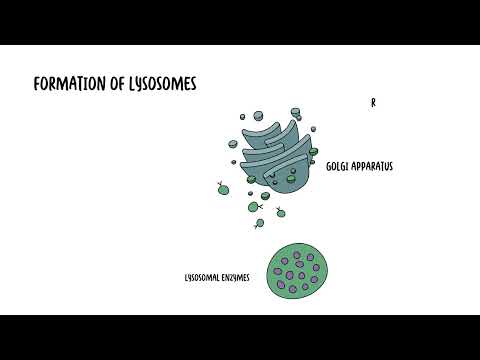
林宜悉 posted on 2026/11/01Ever wondered how your cells stay clean and healthy? This video dives into the fascinating world of lysosomes, explaining how these tiny organelles act as the cell's waste-disposal system and why they are so crucial for recycling nutrients. You will pick up some essential biology vocabulary like autophagy and phagocytosis while learning about the clinical impact of lysosomal storage diseases.
Learn this video on the APP!
The VoiceTube App has more in-depth practice for videos!