
across the board
US
UK
- Phrase
- Broad in scope or content
- Adverb
- Applying to all; comprehensive; universal.
- Involving all sectors, categories, or items.
A1Moreanalogy
US /əˈnælədʒi/
UK /əˈnælədʒi/
- Noun
- Comparison of things based on their similarity
B1Moreat scale
US
UK
- Phrase
- In large quantities; with significant reach or impact.
- Widely; extensively; with broad application.
A1Morebased on
US
UK
- Phrasal Verb
- To use something as the foundation or starting point for something else.
- Preposition
- Using something as the main idea or foundation.
- Relying on something as evidence or justification.
A1Morebasically
US /ˈbesɪkəli,-kli/
UK /ˈbeɪsɪkli/
- Adverb
- Used before you explain something simply, clearly
- In essence; when you consider the most important aspects of something.
A2Morebehind the scenes
US
UK
- Phrase
- Secretly or without being known to the public.
- In a position to influence events without any public knowledge.
A1Moreblueprint
US /ˈbluˌprɪnt/
UK /ˈblu:prɪnt/
- Noun (Countable/Uncountable)
- Plans of how buildings will be built
- Method use to plan or organize something
B2Morebreak it down
US
UK
- Phrasal Verb
- To simplify something complex into smaller, more manageable parts.
- To explain something in a detailed and understandable way.
A2Morecategory
US /ˈkætɪˌɡɔri, -ˌɡori/
UK /ˈkætəgəri/
- Noun
- Groups of things that are similar in some way
B1Morechaotic
US /keɪˈɒtɪk/
UK /keɪ'ɒtɪk/
- Adjective
- Utterly confused
B1Moreconcept
US /ˈkɑnˌsɛpt/
UK /'kɒnsept/
- Noun (Countable/Uncountable)
- Abstract idea of something or how it works
- A plan or intention; a conception.
A2TOEICMorecontext
US /ˈkɑnˌtɛkst/
UK /ˈkɒntekst/
- Noun (Countable/Uncountable)
- Set of facts surrounding a person or event
- The circumstances that form the setting for an event, statement, or idea, and in terms of which it can be fully understood and assessed.
A2Morecritical
US /ˈkrɪtɪkəl/
UK /ˈkrɪtɪkl/
- Adjective
- Making a negative judgment of something
- Being important or serious; vital; dangerous
A2Moredatum
US /ˈdetəm, ˈdætəm, ˈdɑtəm/
UK /ˈdeɪtəm/
- Noun
- Item of factual information
B1Moredisconnect
US /ˌdɪskəˈnɛkt/
UK /ˌdɪskəˈnekt/
- Transitive Verb
- To separate something from something else
- Noun
- State of being separated from something else
B2Moredive
US /daɪv/
UK /daɪv/
- Noun (Countable/Uncountable)
- Restaurant, bar or club with a bad reputation
- Rapid fall through air
- Intransitive Verb
- To swim deep under water with an air supply
- To rapid fall through air
B1Moredrive down
US /draɪv daʊn/
UK /draiv daun/
- Phrasal Verb
- To cause something to decrease or become lower.
- To travel by car to a place that is further south or lower down.
A1Moredumb
US /dʌm/
UK /dʌm/
- Adjective
- Senseless; stupid
B1Moreentire
US /ɛnˈtaɪr/
UK /ɪn'taɪə(r)/
- Adjective
- Complete or full; with no part left out; whole
- Undivided; not shared or distributed.
A2TOEICMoreessentially
US /ɪˈsenʃəli/
UK /ɪˈsenʃəli/
- Adverb
- Basically; (said when stating the basic facts)
- Used to emphasize the basic truth or fact of a situation.
A2Moreexact
US /ɪɡˈzækt/
UK /ɪɡ'zækt/
- Adjective
- Completely correct; accurate; specific
- Transitive Verb
- To get something, sometimes using force
A2TOEICMoreexplicitly
US /ɪk'splɪsɪtlɪ/
UK /ɪk'splɪsɪtlɪ/
- Adverb
- Clearly; specifically
- Directly and unambiguously expressed or stated.
B1Morefascinating
US /ˈfæsəˌnetɪŋ/
UK /ˈfæsɪneɪtɪŋ/
- Transitive Verb
- To attract or interest greatly
- To hold someone captive with a gaze or other means.
- Adjective
- Having your attention fixated as though by a spell
B1Morefigure out
US /ˈfɪɡjɚ aʊt/
UK /ˈfiɡə aut/
- Phrasal Verb
- To understand the behavior of someone
- To think through logically to find a solution
- Verb (Transitive/Intransitive)
- To understand or find an answer to something.
- To find a solution to a problem or understand something.
A1Morefolder
US /ˈfoʊldə(r)/
UK /ˈfəʊldə(r)/
- Countable Noun
- Container that holds documents
B2TOEICMorefor example
US
UK
- Phrase
- As an illustration or instance.
for sure
US /fɔr ʃʊr/
UK /fɔ: ʃuə/
- Adverb
- Definitely; certainly; without a doubt.
- Used to emphasize a statement.
- Interjection
- An expression of strong agreement or affirmation.
A2Morefoundation
US /faʊnˈdeʃən/
UK /faunˈdeiʃən/
- Noun (Countable/Uncountable)
- Base or important starting point
- Underground base on which building is constructed
C1TOEICMoreget into it
US
UK
- Phrasal Verb
- To become interested in something and enjoy it.
- To start a career or profession.
- Intransitive Verb
- To become interested in something.
A1Morego back to
US /ɡo bæk tu/
UK /ɡəu bæk tu:/
- Phrasal Verb
- To return to a starting point
A1Moregrammar
US /ˈɡræmɚ/
UK /ˈgræmə(r)/
- Uncountable Noun
- Book describing the syntactic rules of a language
- Rules explaining how words are used in a language
B1Morehave to
US /hæv tu/
UK /ˈhæv tə/
- Auxiliary Verb
- Must do
A1Morein relation to
US /ɪn rɪˈleʃən tu/
UK /in riˈleiʃən tu:/
- Phrase
- Concerning; with reference to; regarding.
- Compared with.
B1Moreincredibly
US /ɪnˈkrɛdəblɪ/
UK /ɪnˈkredəbli/
- Adverb
- To a great degree; very; amazingly
- Extremely; so much so it is hard to believe
A2Moreinherently
US /ɪn'herəntlɪ/
UK /ɪn'herəntlɪ/
- Adverb
- As an essential part of
B1Moreinstead of
US /ɪnˈstɛd ʌv/
UK /inˈsted ɔv/
- Preposition
- When one thing is replaced by another
- Adverb
- As a substitute or alternative.
A1Moreintelligence
US /ɪnˈtɛlədʒəns/
UK /ɪn'telɪdʒəns/
- Uncountable Noun
- Collection of secret information about something
- Ability to learn things or to consider situations
- Adjective
- Of the spying services; acting in secrecy
A2TOEICMoreinteract
US /ˌɪntɚˈækt/
UK /ˌɪntər'ækt/
- Intransitive Verb
- To talk or do things with each other
A2Moreinteract with
US /ˌɪntɚˈækt wɪð/
UK /ˌɪntərˈækt wið/
- Phrase
- Verb (Transitive/Intransitive)
- To engage in communication or action involving mutual or reciprocal influence.
- To use a computer interface to achieve a specific goal.
A2Morelayer
US /ˈleɚ/
UK /ˈleiə/
- Noun (Countable/Uncountable)
- One of several sheets of a material or object
- A covering of something spread over a surface.
- Transitive Verb
- To put things one on top of another
B1TOEICMorelook at
US /lʊk æt/
UK /luk æt/
- Phrasal Verb
- To use your eyes to focus on something
- To focus your eyes on something carefully
A1Moremassive
US /ˈmæsɪv/
UK /ˈmæsɪv/
- Adjective
- Very big; large; too big
- Large or imposing in scale or scope.
B1Moremess
US /mɛs/
UK /mes/
- Noun (Countable/Uncountable)
- Something that is untidy, dirty or unclean
- A difficult or confused situation.
- Transitive Verb
- To make something untidy or dirty
A2Morenest
US /nɛst/
UK /nest/
- Noun (Countable/Uncountable)
- Home, e.g. of twigs, made by a bird, insect etc.
- Things designed to fit together
- Intransitive Verb
- To create or live in a nest
- To settle comfortably within or against something.
B1Moreover to
US
UK
- Preposition
- Used to hand over to someone else to speak
- The responsibility is now yours
physical
US /ˈfɪzɪkəl/
UK /ˈfɪzɪkl/
- Countable Noun
- Health check at the doctors' or hospital
- Adjective
- Concerning the body of a person
- Concerning things that can be seen or touched
A2Moreproperty
US /ˈprɑpəti/
UK /'prɒpətɪ/
- Noun (Countable/Uncountable)
- Particular quality that someone or something has
- Buildings or piece of land owned by someone
A2TOEICMorepush back
US /pʊʃ bæk/
UK /puʃ bæk/
- Phrasal Verb
- To force someone to withdraw or retreat
- Verb (Transitive/Intransitive)
- To resist or oppose something.
- To move something to a later time or date; to postpone.
A1Moreraw
US /rɔ/
UK /rɔ:/
- Adjective
- Being uncontrolled or strong, as your emotions
- Being inexperienced
B1Morescan
US /skæn/
UK /skæn/
- Transitive Verb
- To look inside of the body with a special machine
- To look at something very quickly for information
- Noun
- A look inside the body with a special machine
B1TOEICMorespecific
US /spɪˈsɪfɪk/
UK /spəˈsɪfɪk/
- Adjective
- Precise; particular; just about that thing
- Concerning one particular thing or kind of thing
A2Morespot on
US
UK
- Adjective
- Exactly right; perfectly accurate.
- Adverb
- Exactly at the expected or scheduled time.
- Perfect; excellent.
B1Morestructure
US /ˈstrʌk.tʃɚ/
UK /ˈstrʌk.tʃə/
- Noun (Countable/Uncountable)
- The way in which the parts of a system or object are arranged or organized, or a system arranged in this way
- A building or other man-made object.
- Transitive Verb
- To plan, organize, or arrange the parts of something
A2TOEICMorethink about
US /θɪŋk əˈbaʊt/
UK /θiŋk əˈbaut/
- Phrasal Verb
- To consider something carefully.
- To remember or call to mind.
A1Moreunderneath the hood
US /ˌʌndɚˈniθ ðə hʊd/
UK /ˌʌndəˈni:θ ðə hʊd/
- other
- Refers to something hidden beneath the visible surface.
B2Moreuniverse
US /ˈjunəˌvɚs/
UK /ˈju:nɪvɜ:s/
- Noun (Countable/Uncountable)
- All of space that contains planets and stars
- Things surrounding a person, affecting their life
B2Morevector
US /ˈvɛktɚ/
UK /'vektə(r)/
- Noun
- Math a quantity that has both size and direction
B2Morewarehouse
US /ˈwerhaʊs/
UK /ˈweəhaʊs/
- Noun (Countable/Uncountable)
- Large building for storing goods, e.g. grain
- Transitive Verb
- To store things in a large building
B2TOEICMorewrap up
US /ræp ʌp/
UK /ræp ʌp/
- Phrasal Verb
- To complete something, such as a film or project
- To finish; bring something to a conclusion
- Transitive Verb
- To enclose (something) in paper or soft material.
B1Morezoom out
US /zum aʊt/
UK /zu:m aut/
- Phrasal Verb
- To decrease the magnification of an image, showing more of the scene.
- To take a broader perspective; to consider the overall context.
Vocabulary
- have to: Must do
- look at: To use your eyes to focus on something
- interact with
- underneath the hood: Refers to something hidden beneath the visible surface.
- based on: To use something as the foundation or starting point for something else.
- in relation to: Concerning; with reference to; regarding.
- instead of: When one thing is replaced by another
- get into it: To become interested in something and enjoy it.
- figure out: To understand the behavior of someone
- for sure: Definitely; certainly; without a doubt.
- across the board: Broad in scope or content
- push back: To force someone to withdraw or retreat
- think about: To consider something carefully.
- for example: As an illustration or instance.
- behind the scenes: Secretly or without being known to the public.
- at scale: In large quantities; with significant reach or impact.
- go back to: To return to a starting point
- spot on: Exactly right; perfectly accurate.
- zoom out: To decrease the magnification of an image, showing more of the scene.
- over to: Used to hand over to someone else to speak
- drive down: To cause something to decrease or become lower.
- break it down: To simplify something complex into smaller, more manageable parts.
- wrap up: To complete something, such as a film or project
- specific: Precise; particular; just about that thing
- entire: Complete or full; with no part left out; whole
- essentially: Basically; (said when stating the basic facts)
- incredibly: To a great degree; very; amazingly
- massive: Very big; large; too big
- context: Set of facts surrounding a person or event
- critical: Making a negative judgment of something
- physical: Health check at the doctors' or hospital
- basically: Used before you explain something simply, clearly
- fascinating: To attract or interest greatly
- concept: Abstract idea of something or how it works
- structure: The way in which the parts of a system or object are arranged or organized, or a system arranged in this way
- intelligence: Collection of secret information about something
- sense: Certain mental feeling or emotion
- exact: Completely correct; accurate; specific
- mess: Something that is untidy, dirty or unclean
- interact: To talk or do things with each other
- describe: To tell the appearance, sound, smell of something
- category: Groups of things that are similar in some way
- dumb: Senseless; stupid
- imagine: To think creatively about; form mental picture of
- chaotic: Utterly confused
- property: Particular quality that someone or something has
- inherently: As an essential part of
- foundation: Base or important starting point
- universe: All of space that contains planets and stars
- address: Exact street location of a place
- grammar: Book describing the syntactic rules of a language
- analogy: Comparison of things based on their similarity
- simply: In an easy or clear manner
- perform: To carry out an action well or successfully
- reason: To think and make conclusions in a logical manner
- dive: Restaurant, bar or club with a bad reputation
- explicitly: Clearly; specifically
- layer: One of several sheets of a material or object
- raw: Being uncontrolled or strong, as your emotions
- text: To send a message by phone or other device
- company: Good feeling from being with someone else
- order: Religious or social group, as of nuns
- system: Set of organized, planned ideas that work together
- simple: Not hard to understand or do; not complex
- build: Your physical shape; physique
- information: Collection of facts and details about something
- piece: A counter in a board game
- warehouse: Large building for storing goods, e.g. grain
- scan: To look inside of the body with a special machine
- folder: Container that holds documents
- datum: Item of factual information
- blueprint: Plans of how buildings will be built
- nest: Home, e.g. of twigs, made by a bird, insect etc.
- disconnect: To separate something from something else
- vector: Math a quantity that has both size and direction
Get the full experience in the app
Learn anywhere with detailed sentence and usage analysis
01:03
She took a brave step forward, leaving behind her comfort zone to chase her dreams.
Vocabulary
- brave
adj. Having courage
- comfort zone
phr. A familiar situation where one feels safe
Explanation
a brave step is a noun phrase, where brave is an adjective modifying the noun step, meaning "a courageous step".
forward is an adverb modifying step, meaning "ahead".
The whole phrase serves as the object, answering the "what" of took (verb) — she took a brave step forward.
Get the full experience in the app
Look up words anytime with pronunciation, part of speech, and usage
brave
US/brev/
UK/breɪv/
adj.Brave
v.t.To bravely face
A2 Elementary
Get the full experience in the app
Practice speaking anytime and get instant pronunciation feedback
Try this speaking exercise.
Try practicing with this sentence.
80
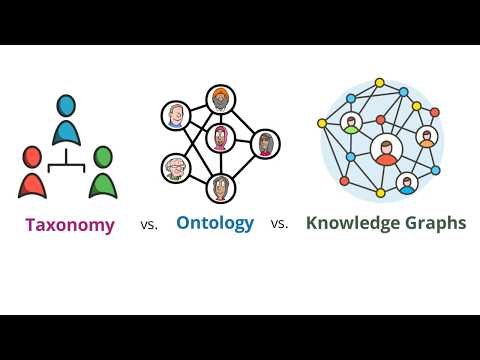
Taxonomy vs Ontology vs Knowledge Graphs | Know the differences!
0
MONT BLANC posted on 2026/10/18Ever wonder how AI turns chaotic data into something useful? This video uses a clever warehouse analogy to explain the differences between taxonomies, ontologies, and knowledge graphs, helping you master the technical vocabulary behind modern AI architecture.
Learn this video on the APP!
The VoiceTube App has more in-depth practice for videos!