
additional
US /ə'dɪʃənl/
UK /əˈdɪʃənl/
- Adjective
- Further or added
- Extra to what already exists
A2TOEICMoreaggregate
US /ˈæɡrɪɡɪt/
UK /'æɡrɪɡət/
- Noun (Countable/Uncountable)
- A sum total amount of something
- A whole formed by combining several separate elements.
- Transitive Verb
- To gather, involve or combine into a single group
B1TOEICMoreambiguity
US /ˌæmbɪˈɡjuɪti/
UK /ˌæmbɪ'ɡju:ətɪ/
- Uncountable Noun
- State of being confusing, uncertain or unclear
B2TOEICMoreanswer to
US
UK
- Phrasal Verb
- To be responsible to someone and have to explain your actions to them.
- To correspond to or match a description or requirement.
A1Morearound the world
US /əˈraʊnd ði wɜrld/
UK /əˈraund ðə wɜː(r)ld/
- Phrase
- In or to many countries.
- In various places throughout the world.
A2Moreautomatically
US /ˌɔtəˈmætɪkl:ɪ/
UK /ˌɔ:tə'mætɪklɪ/
- Adverb
- In a way not requiring control by a person
B1Moreback down
US /bæk daʊn/
UK /bæk daun/
- Phrasal Verb
- To admit you were wrong; stop claiming
A1Morebeing driven by
US
UK
- Participle
- Currently being motivated or controlled by a particular factor or force.
A2Morebounty
US /ˈbaʊnti/
UK /'baʊntɪ/
- Uncountable Noun
- Supply of something good in plentiful amounts
B2Morebreak out
US /brek aʊt/
UK /breik aut/
- Phrasal Verb
- To isolate some information from other data
A1Morebuild out
US /bɪld aʊt/
UK /bild aut/
- Phrasal Verb
- To expand or develop something, such as a business or system.
- To construct or develop infrastructure, often related to technology or networks.
A1Morebuild up
US /bɪld ʌp/
UK /bild ʌp/
- Phrasal Verb
- To increase the amount; collect something
- To develop or increase something in stages
- Verb (Transitive/Intransitive)
- To increase or develop something gradually.
- To praise or encourage someone.
A1Morecome back
US /kʌm bæk/
UK /kʌm bæk/
- Phrasal Verb
- To reply to someone, often forcefully
- To be remembered
A1Morecompetition
US /ˌkɑmpɪˈtɪʃən/
UK /ˌkɒmpəˈtɪʃn/
- Noun (Countable/Uncountable)
- Fighting against others to win something
- A situation in which people or organizations compete with each other for something that not everyone can have.
A2Moreconcern
US /kənˈsɚn/
UK /kənˈsɜ:n/
- Verb (Transitive/Intransitive)
- To be about a particular topic
- To have a direct impact on someone
- Noun (Countable/Uncountable)
- Company, firm or business
- Feeling of worry or anxiety
A2TOEICMorecore
US /kɔr, kor/
UK /kɔ:(r)/
- Transitive Verb
- To take out the central section of a fruit
- Noun (Countable/Uncountable)
- Important central part of something
- The hard central part of certain fruits, containing the seeds.
A2Morecredible
US /ˈkrɛdəbəl/
UK /ˈkredəbl/
- Adjective
- Believable; that can be believed or trusted
B2TOEICMoredatum
US /ˈdetəm, ˈdætəm, ˈdɑtəm/
UK /ˈdeɪtəm/
- Noun
- Item of factual information
B1Moredeal with
US /dil wɪð/
UK /di:l wið/
- Verb (Transitive/Intransitive)
- To buy or sell goods or services.
- Phrasal Verb
- To take action to solve a problem or manage a situation.
- To be about; concern.
A1Moredebt
US /dɛt/
UK /det/
- Noun (Countable/Uncountable)
- Sum of money owed to someone that is not yet paid
- A moral or social obligation.
A2TOEICMoredemand
US /dɪˈmænd/
UK /dɪ'mɑ:nd/
- Noun (Countable/Uncountable)
- Desire customers have to buy product, service
- A strong request for someone to do something
- Transitive Verb
- To strongly request someone to do something
- To need something.
A2TOEICMorediscourage
US /dɪˈskɚrɪdʒ, -ˈskʌr-/
UK /dɪs'kʌrɪdʒ/
- Transitive Verb
- To make a person feel less courageous or hopeful
- To try to prevent something from happening
B1TOEICMoredot
US /dɑt/
UK /dɒt/
- Transitive Verb
- To place small amounts/things in various places
- To mark something by placing a small, round spot
- Noun
- Small round mark
B1TOEICMoreextent
US /ɪkˈstɛnt/
UK /ɪkˈstent/
- Noun (Countable/Uncountable)
- Point, level or limit to which something reaches
- Range or space included in something
A2TOEICMorefeel like
US
UK
- Intransitive Verb
- To have a desire or inclination for something.
- To have a particular quality or sensation; resemble.
A1Morefigure out
US /ˈfɪɡjɚ aʊt/
UK /ˈfiɡə aut/
- Phrasal Verb
- To understand the behavior of someone
- To think through logically to find a solution
- Verb (Transitive/Intransitive)
- To understand or find an answer to something.
- To find a solution to a problem or understand something.
A1Morefor short
US /fɔr ʃɔrt/
UK /fɔ: ʃɔ:t/
- Phrase
- As a shortened form of a name or phrase.
A1Moreget back to
US /ɡɛt bæk tu/
UK /ɡet bæk tu:/
- Phrasal Verb
- To get in contact with someone again
- To return to someone or something; to respond at a later time.
A1Morego away
US /ɡo əˈwe/
UK /ɡəu əˈwei/
- Phrasal Verb
- To go on vacation
- To leave; depart.
A1Moregoing on
US /ˈɡoɪŋ ɑn/
UK /ˈgəʊɪŋ ɔn/
- Phrasal Verb
- To continue doing something
- To happen (usually negative)
A1Moregot to
US /ɡɑt tu/
UK /gɔt tu:/
- Verb (Transitive/Intransitive)
- To arrive at some place
- To have the opportunity or permission to do something
- Phrasal Verb
- To appeal to the emotions of; move
- To finally begin to start something after a delay
A1Morehave on
US /hæv ɑn/
UK /hæv ɔn/
- Phrasal Verb
- To be wearing something.
- To deceive or trick someone, often in a playful way.
A1Morehave to
US /hæv tu/
UK /ˈhæv tə/
- Auxiliary Verb
- Must do
A1Morehype
US /haɪp/
UK /haɪp/
- Uncountable Noun
- Advertising, writing, or talk to spark interest
- Transitive Verb
- To try to create interest or excitement about
B2Moreimpact
US /ˈɪmˌpækt/
UK /'ɪmpækt/
- Noun
- A striking effect or result to hit with force
- Act or force of one thing hitting something else
- Verb (Transitive/Intransitive)
- To hit or strike someone or something with force
- To have a strong effect on someone or something.
A2TOEICMorein a row
US /ɪn e ro/
UK /in ə rəu/
- Phrase
- One after another without a break.
- Arranged in a straight line.
- Idiom
- To have an argument.
A1Morein competition
US /ɪn ˌkɑmpəˈtɪʃən/
UK /in ˌkɒmpəˈtiʃən/
- other
- Taking part in a contest or rivalry.
B1Morein part
US /ɪn pɑrt/
UK /in pɑ:t/
- Adverb
- To some extent; partially.
A1Morein the field
US
UK
- Phrase
- Working or doing research in a real-world environment, not in a classroom or laboratory.
- Located on the playing area of a sports ground.
A1Morein the future
US /ɪn ði ˈfjutʃɚ/
UK /in ðə ˈfju:tʃə/
- Phrase
- At a later time; in times to come.
A1Moreinflation
US /ɪnˈfleʃən/
UK /ɪn'fleɪʃn/
- Noun (Countable/Uncountable)
- Act of filling something with air or gas
- Continual rise in the prices of products
B1TOEICMoreinvestment
US /ɪnˈvɛstmənt/
UK /ɪnˈvestmənt/
- Noun (Countable/Uncountable)
- Something purchased hoping its value will increase
- Something you invest in, such as a company, property, etc.
A2TOEICMorelook at
US /lʊk æt/
UK /luk æt/
- Phrasal Verb
- To use your eyes to focus on something
- To focus your eyes on something carefully
A1Moremandate
US /ˈmænˌdet/
UK /'mændeɪt/
- Transitive Verb
- To order that something is done
- Noun (Countable/Uncountable)
- Official command or order
- The authority to carry out a policy or course of action, regarded as given by the electorate to a candidate or party that has won an election.
B2TOEICMoremidwest
US
UK
- Adjective
- North central region of the United States
B1Moreon the dot
US
UK
- Phrase
- Exactly on time; punctual.
on the ground
US
UK
- Phrase
- Located on the surface of the earth.
- Present and available in a particular place, especially to deal with a situation.
optimistic
US /ˌɑːptɪˈmɪstɪk/
UK /ˌɒptɪˈmɪstɪk/
- Adjective
- Tending to believe the future will be good
- Confident and hopeful about future outcomes.
B2Moreoverheat
US /ˌoʊvərˈhi:t/
UK /ˌəʊvəˈhi:t/
- Verb (Transitive/Intransitive)
- To become too hot
- To become too economically active; grow too fast
C1Morepath
US /pæθ, pɑθ/
UK /pɑ:θ/
- Noun
- Method of living leading to a particular result
- Track made with stones, by walking over the ground
A2TOEICMorepersistent
US /pərˈsɪstənt/
UK /pəˈsɪstənt/
- Adjective
- Continuing to do something despite challenges
- Continuing to exist or occur for a long time.
C1TOEICMorepile on
US
UK
- Verb (Transitive/Intransitive)
- To add a large amount of something.
- To increase or accumulate rapidly.
- Phrasal Verb
- To criticize someone severely, especially when they are already in a difficult situation.
- To add a lot of something, especially food.
A1Morepolicy
US /ˈpɑlɪsi/
UK /'pɒləsɪ/
- Noun
- Document stating terms of an insurance agreement
- Course of action proposed by an organization, etc.
A2TOEICMoreput out
US /pʊt aʊt/
UK /put aut/
- Phrasal Verb
- To publish, e.g. a book
- To cause someone to be troubled or inconvenienced
A1Morerecession
US /rɪˈsɛʃən/
UK /rɪˈseʃn/
- Uncountable Noun
- Act of moving backward gradually
- Decreased business activity, when work is scarce
- Noun
- a period of low economic activity
- period of economic decline
B2TOEICMoreremain
US /rɪˈmen/
UK /rɪˈmeɪn/
- Intransitive Verb
- To be left behind; to continue to exist
- To stay in a place when other people have gone
A2TOEICMorespend
US /spɛnd/
UK /spend/
- Transitive Verb
- To use money to pay for something
- To use time in order to do something
A2TOEICMorespike
US /spaɪk/
UK /spaɪk/
- Noun
- The top point in a graph
- Long, thin metal rod that ends in a point
- Intransitive Verb
- To go up to a point on a graph
B2Moretake on
US /tek ɑn/
UK /teik ɔn/
- Phrasal Verb
- To acquire a new characteristic
- To accept a new responsibility, role
A1Moretarget
US /ˈtɑrɡɪt/
UK /'tɑ:ɡɪt/
- Noun (Countable/Uncountable)
- A goal or amount you are trying to achieve
- Group you are trying to sell to or influence
- Transitive Verb
- To try to influence; direct a message toward
- (Army) to aim an attack at something
A2TOEICMoreunacceptable
US /ˌʌnɪkˈsɛptəbəl, -æk-/
UK /ˌʌnəkˈseptəbl/
- Adjective
- Not being or behaving in the correct or right way
B1Morewealth
US /wɛlθ/
UK /welθ/
- Uncountable Noun
- Amount of money or possessions you own, e.g. large
A2TOEICMorework to do
US
UK
- Phrase
- Tasks or activities that need to be accomplished.
- Obligations or responsibilities that require effort and attention.
A1More
Vocabulary
- have to: Must do
- build out: To expand or develop something, such as a business or system.
- in the future: At a later time; in times to come.
- on the ground: Located on the surface of the earth.
- work to do: Tasks or activities that need to be accomplished.
- back down: To admit you were wrong; stop claiming
- answer to: To be responsible to someone and have to explain your actions to them.
- get back to: To get in contact with someone again
- look at: To use your eyes to focus on something
- got to: To arrive at some place
- take on: To acquire a new characteristic
- pile on: To add a large amount of something.
- break out
- being driven by: Currently being motivated or controlled by a particular factor or force.
- in the field: Working or doing research in a real-world environment, not in a classroom or laboratory.
- in part: To some extent; partially.
- deal with
- build up: To increase the amount; collect something
- put out: To publish, e.g. a book
- on the dot: Exactly on time; punctual.
- go away: To go on vacation
- in a row: One after another without a break.
- feel like: To have a desire or inclination for something.
- for short: As a shortened form of a name or phrase.
- have on: To be wearing something.
- in competition: Taking part in a contest or rivalry.
- come back: To reply to someone, often forcefully
- going on: To continue doing something
- around the world: In or to many countries.
- figure out: To understand the behavior of someone
- sort: To organize things by putting them into groups
- term: Conditions applying to an agreement, contract
- impact: A striking effect or result to hit with force
- sense: Certain mental feeling or emotion
- demand: Desire customers have to buy product, service
- extent: Point, level or limit to which something reaches
- increase: To make or become larger in size or amount
- debt: Sum of money owed to someone that is not yet paid
- spike: The top point in a graph
- recession: Act of moving backward gradually
- automatically: In a way not requiring control by a person
- competition: Fighting against others to win something
- concern: To be about a particular topic
- remain: To be left behind; to continue to exist
- inflation: Act of filling something with air or gas
- path: Method of living leading to a particular result
- persistent: Continuing to do something despite challenges
- core: To take out the central section of a fruit
- optimistic: Tending to believe the future will be good
- nervous: Concerning the system of nerves in the body
- interest: Best or most advantageous thing for someone
- rate: To assess something or consider its qualities
- investment: Something purchased hoping its value will increase
- ground: To break (coffee, etc.) into tiny bits with machine
- economy: Using money, resources in a careful, effective way
- wealth: Amount of money or possessions you own, e.g. large
- mandate: To order that something is done
- hype: Advertising, writing, or talk to spark interest
- target: A goal or amount you are trying to achieve
- ambiguity: State of being confusing, uncertain or unclear
- lot: What happens to a person in life from chance; fate
- additional: Further or added
- century: Period of 100 years
- policy: Document stating terms of an insurance agreement
- sign: Indication that something exists or will happen
- kind: In a caring and helpful manner
- spend: To use money to pay for something
- promise: To say you will certainly do something
- continue: To do something without stopping, or after pausing
- aggregate: A sum total amount of something
- discourage: To make a person feel less courageous or hopeful
- dot: To place small amounts/things in various places
- datum: Item of factual information
- bounty: Supply of something good in plentiful amounts
- credible: Believable; that can be believed or trusted
- unacceptable: Not being or behaving in the correct or right way
- midwest: North central region of the United States
- overheat: To become too hot
Get the full experience in the app
Learn anywhere with detailed sentence and usage analysis
01:03
She took a brave step forward, leaving behind her comfort zone to chase her dreams.
Vocabulary
- brave
adj. Having courage
- comfort zone
phr. A familiar situation where one feels safe
Explanation
a brave step is a noun phrase, where brave is an adjective modifying the noun step, meaning "a courageous step".
forward is an adverb modifying step, meaning "ahead".
The whole phrase serves as the object, answering the "what" of took (verb) — she took a brave step forward.
Get the full experience in the app
Look up words anytime with pronunciation, part of speech, and usage
brave
US/brev/
UK/breɪv/
adj.Brave
v.t.To bravely face
A2 Elementary
Get the full experience in the app
Practice speaking anytime and get instant pronunciation feedback
Try this speaking exercise.
Try practicing with this sentence.
80
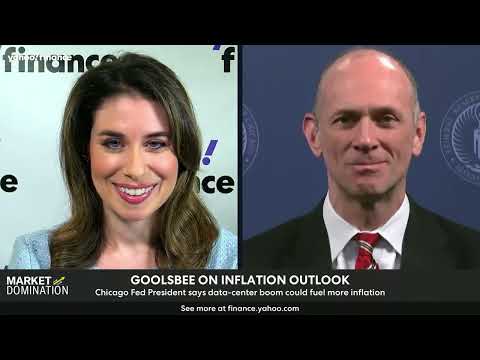
Why bond yields hit quarter-century highs, according to the Fed's Austan Goolsbee
0
林宜悉 posted on 2026/10/15Curious why bond yields are soaring and how the Fed is responding to persistent inflation? This insightful interview with Austan Goolsbee breaks down complex economic signals and introduces key business terms like 'front-loaded' and 'through line' that you can use to discuss finance with confidence.
Learn this video on the APP!
The VoiceTube App has more in-depth practice for videos!