
across time
US
UK
- Phrase
- Throughout the duration of time; spanning different periods.
- In the future; as time passes.
A2Moreadministration
US / ædˌmɪnɪˈstreʃən/
UK /ədˌmɪnɪˈstreɪʃn/
- Uncountable Noun
- Act of giving e.g. medicine to a patient
- The work of running something, e.g. a business
B1TOEICMoreafter all
US /ˈæftɚ ɔl/
UK /ˈɑ:ftə ɔ:l/
- Adverb
- In spite of what was expected; used to introduce a statement that supports a previous statement or explains why it was made
- Considering everything; used to indicate that something is happening or is true despite some difficulty or obstacle
- Phrase
- Despite what was expected or thought; in spite of everything.
- Taking everything into consideration; considering that.
B1Morealong with
US /əˈlɔŋ wɪð/
UK /əˈlɔŋ wið/
- Preposition
- In addition to; together with.
- Adverb
- In company or together with someone or something.
- Including; in addition to.
A2Morearound the world
US /əˈraʊnd ði wɜrld/
UK /əˈraund ðə wɜː(r)ld/
- Phrase
- In or to many countries.
- In various places throughout the world.
A2Moreartificial
US /ˌɑrtəˈfɪʃəl/
UK /ˌɑ:tɪ'fɪʃl/
- Adjective
- Dishonest, to seem fake, not sincere
- (Something) made by people; not created by nature
B1TOEICMoreas a whole
US /æz e hol/
UK /æz ə həul/
- Phrase
- Considering everything together; in general.
- Complete; not divided or incomplete.
- Adjective
- Complete; not divided or fragmented.
A1Moreat heart
US /æt hɑrt/
UK /æt hɑ:t/
- Phrase
- In one's real or essential nature; fundamentally.
A1Moreat least
US /æt list/
UK /æt li:st/
- Adverb
- As a minimum
- Not less than
- Phrase
- No less than; at the minimum
- Used to indicate that something is positive in a bad situation.
C2Moreat the same time
US
UK
- Phrase
- Simultaneously; at the identical moment.
- Nevertheless; however; used to introduce a contrasting or qualifying statement.
A1Moreattempt
US /əˈtɛmpt/
UK /ə'tempt/
- Verb (Transitive/Intransitive)
- To try to do something challenging or difficult
- Noun
- Effort made to try to do or accomplish something
A2TOEICMoreauto
US /ˈɔ:toʊ/
UK /ˈɔ:təʊ/
- Noun
- Car; a road vehicle with four or more wheels
B2Moreautomotive industry
US
UK
- Noun
- The sector of industry involved in the design, development, manufacturing, marketing, and sales of motor vehicles.
B1Morebased on
US
UK
- Phrasal Verb
- To use something as the foundation or starting point for something else.
- Preposition
- Using something as the main idea or foundation.
- Relying on something as evidence or justification.
A1Moreborder
US /ˈbɔrdɚ/
UK /'bɔ:də(r)/
- Verb (Transitive/Intransitive)
- To be right next to another country or state
- To form the edge of something
- Noun
- Outer part or edge of something
- Line separating one country, state from another
A2TOEICMorebuild upon
US
UK
- Phrasal Verb
- To use something as a base for further development.
B1Morecame into force
US
UK
- Intransitive Verb
- To become operative or legally valid.
B1Morecome back
US /kʌm bæk/
UK /kʌm bæk/
- Phrasal Verb
- To reply to someone, often forcefully
- To be remembered
A1Morecome from
US /kʌm frʌm/
UK /kʌm frɔm/
- Phrasal Verb
- To have as your native country or city
A1Morecontend with
US /kənˈtɛnd wɪð/
UK /kənˈtend wið/
- Phrasal Verb
- To struggle or deal with something difficult.
counter
US /ˈkaʊntɚ/
UK /'kaʊntə(r)/
- Transitive Verb
- To say or do something in opposition or resistance
- To try to prevent, as by making a different point
- Prefix
- Being opposite or against something
B1Morecritical
US /ˈkrɪtɪkəl/
UK /ˈkrɪtɪkl/
- Adjective
- Making a negative judgment of something
- Being important or serious; vital; dangerous
A2Morecrude
US /krud/
UK /kru:d/
- Adjective
- Lacking manners or finesse; rude
B1Morecut off
US /kʌt ɔf/
UK /kʌt ɔf/
- Phrasal Verb
- To end a process, e.g. a phone call
- To cut the end of something
- Transitive Verb
- To isolate or prevent access to a place or person.
- To interrupt someone while they are speaking.
A1Moredeal with
US /dil wɪð/
UK /di:l wið/
- Verb (Transitive/Intransitive)
- To buy or sell goods or services.
- Phrasal Verb
- To take action to solve a problem or manage a situation.
- To be about; concern.
A1Moredemand
US /dɪˈmænd/
UK /dɪ'mɑ:nd/
- Noun (Countable/Uncountable)
- Desire customers have to buy product, service
- A strong request for someone to do something
- Transitive Verb
- To strongly request someone to do something
- To need something.
A2TOEICMoredivide
US /dɪˈvaɪd/
UK /dɪ'vaɪd/
- Verb (Transitive/Intransitive)
- To split numbers by another number, e.g. 6 / 2 = 3
- To separate something into equal pieces
- Noun
- A separation or distinction.
A2TOEICMoredown the line
US /daʊn ði laɪn/
UK /daun ðə lain/
- Phrase
- At a later time; in the future.
- Completely; entirely; all the way.
- Adjective
- In agreement or accordance with something.
A1Moreeconomic
US /ˌɛkəˈnɑmɪk, ˌikə-/
UK /ˌi:kəˈnɒmɪk/
- Adjective
- Concerning trade, industry, and money
- Financially worthwhile; profitable.
- Noun
- A system relating to economics
- A factor relating to economics
A2Moreentire
US /ɛnˈtaɪr/
UK /ɪn'taɪə(r)/
- Adjective
- Complete or full; with no part left out; whole
- Undivided; not shared or distributed.
A2TOEICMoreever since
US /ˈɛvɚ sɪns/
UK /ˈevə sins/
- Adverb
- Continuously from a past time until now.
- Conjunction
- From the time that; because.
B2Morefade away
US
UK
- Phrasal Verb
- To disappear slowly
A2Morefalling apart
US
UK
- Phrasal Verb
- To suffer a nervous breakdown
- To break into pieces; stop functioning
A1Morefederal
US /ˈfɛdərəl, ˈfɛdrəl/
UK /'fedərəl/
- Adjective
- Consisting of several united states
- Relating to a system of government in which power is divided between a central authority and constituent political units.
- Proper Noun
- The central banking system of the United States.
B1Morefight back
US /faɪt bæk/
UK /fait bæk/
- Phrasal Verb
- To make your point more strongly against opponent
A1Morefor example
US
UK
- Phrase
- As an illustration or instance.
force in
US /fɔrs ɪn/
UK /fɔ:rs ɪn/
- other
- To enter a place by applying physical force.
B2Morefrom the start
US /frʌm ði stɑrt/
UK /frɔm ðə stɑ:t/
- Phrase
- From the very beginning; from the outset.
A1Morego ahead
US /ɡo əˈhɛd/
UK /ɡəu əˈhed/
- Phrasal Verb
- To start an activity; start doing, working etc.
- To give permission to do something
- Intransitive Verb
- To start or proceed with something
- To proceed despite potential obstacles or doubts.
A1Morego on
US /ɡo ɑn/
UK /ɡəu ɔn/
- Phrasal Verb
- To continue doing something
- To happen (usually negative)
- Interjection
- Used to encourage someone
A1Moregoing on
US /ˈɡoɪŋ ɑn/
UK /ˈgəʊɪŋ ɔn/
- Phrasal Verb
- To continue doing something
- To happen (usually negative)
A1Morehappen by
US /ˈhæpən baɪ/
UK /ˈhæpən baɪ/
- other
- To visit a place casually or unexpectedly.
B2Morehave to
US /hæv tu/
UK /ˈhæv tə/
- Auxiliary Verb
- Must do
A1Morehistorically
US /hɪsˈtɔrɪkl:ɪ/
UK /hɪ'stɒrɪklɪ/
- Adverb
- In history; in the past
B1Morehold on
US /hold ɑn/
UK /həuld ɔn/
- Phrasal Verb
- To wait for someone (e.g. on a phone call)
- To wait for a short time.
A1Morein a flash
US
UK
- Phrase
- Extremely quickly; instantaneously.
- Suddenly and unexpectedly.
A1Morein addition to
US /ɪn əˈdɪʃən tu/
UK /in əˈdiʃən tu:/
- Preposition
- Besides; as well as
- Phrase
- Besides; as well as.
- Furthermore; moreover.
B1Morein attendance
US
UK
- Phrase
- Present at a particular event or meeting.
A1Morein brackets
US /ɪn ˈbrækɪts/
UK /in ˈbrakits/
- other
- Placed within parentheses () in writing.
B1Morein effect
US /ɪn ɪˈfɛkt/
UK /in iˈfekt/
- Phrase
- In reality; in practice; virtually
A1Morein every way
US /ɪn ˈɛvri we/
UK /in ˈevri wei/
- Phrase
- In all manners or respects; completely.
A1Morein force
US /ɪn fɔrs/
UK /in fɔ:s/
- Phrase
- In large numbers or with great strength
B1Morein half
US /ɪn hæf/
UK /in hɑ:f/
- Adverb
- Divided into two equal parts.
- Partially; to some extent.
A1Morein mind
US /ɪn maɪnd/
UK /in maind/
- Phrase
- Being aware of or considering something.
- To remember or consider something.
A2Morein name
US /ɪn neɪm/
UK /ɪn neɪm/
- other
- Used to indicate something exists only in title, not in reality.
C1Morein order to
US /ɪn ˈɔrdɚ tu/
UK /in ˈɔ:də tu:/
- Preposition
- For the purpose of; with the aim of.
- Phrase
- In a specific sequence or arrangement.
- With the aim of; for the purpose of.
C1Morein other words
US
UK
- Phrase
- Stating something in a different way, often to make it clearer or more understandable.
in particular
US /ɪn pɚˈtɪkjəlɚ/
UK /in pəˈtikjulə/
- Phrase
- Specifically; especially.
- Detailed or precise.
A1Morein places
US
UK
- Phrase
- In some locations but not others
A1Morein play
US
UK
- Adjective
- In a state of being actively involved in a game or activity.
- Available or under consideration.
A1Morein return
US /ɪn rɪˈtɚn/
UK /in riˈtə:n/
- Adverb
- As a reciprocal action or gesture; in exchange or repayment.
- Phrase
- As compensation or consideration for something.
- As a reaction or response to something.
A1Morein the end
US /ɪn ði ɛnd/
UK /in ðə end/
- Phrase
- Finally; after a period of time or series of events.
- Ultimately; as the final result or consequence.
A1Morein the extreme
US /ɪn ði ɪkˈstrim/
UK /in ði: ɪkˈstri:m/
- other
- To a very great degree; extremely.
C1Morein the first place
US
UK
- Phrase
- To begin with; as the first point or consideration.
- From the beginning; initially.
A1Morein the future
US /ɪn ði ˈfjutʃɚ/
UK /in ðə ˈfju:tʃə/
- Phrase
- At a later time; in times to come.
A1Morein the long run
US
UK
- Phrase
- Eventually; over a long period of time.
A1Morein the past
US
UK
- Phrase
- During a former period of time; previously.
A1Morein the world
US /ɪn ði wɜrld/
UK /in ðə wɜː(r)ld/
- Phrase
- Used to emphasize a question expressing surprise, confusion, disbelief
- Used to indicate the extent or degree of something, often in a superlative sense
A1Morein truth
US
UK
- Phrase
- In fact; actually; really
A1Morein ways
US
UK
- Phrase
- In a manner or by methods that.
- In certain respects or aspects.
A1Moreindependent
US /ˌɪndɪˈpɛndənt/
UK /ˌɪndɪˈpendənt/
- Adjective
- Making your own decisions; acting by yourself
- Not connected with or influenced by something else.
- Noun
- A person not connected to a political party
- Someone who is independent, especially in politics or business.
A2TOEICMoreinstead of
US /ɪnˈstɛd ʌv/
UK /inˈsted ɔv/
- Preposition
- When one thing is replaced by another
- Adverb
- As a substitute or alternative.
A1Moreinvasion
US /ɪnˈveʒən/
UK /ɪnˈveɪʒn/
- Uncountable Noun
- Entry into a place to cause harm
- An unwelcome intrusion into another's domain.
B1Morejoin in
US /dʒɔɪn ɪn/
UK /dʒɔin in/
- Phrasal Verb
A1Morelead to
US /lid tu/
UK /li:d tu:/
- Phrasal Verb
- To result in some action
- Verb (Transitive/Intransitive)
- To have something as a consequence or result.
A1Morelike mad
US /laɪk mæd/
UK /laɪk mæd/
- other
- With great intensity or energy.
B1Morelook at
US /lʊk æt/
UK /luk æt/
- Phrasal Verb
- To use your eyes to focus on something
- To focus your eyes on something carefully
A1Moremilitary
US /ˈmɪlɪˌtɛri/
UK /'mɪlətrɪ/
- Noun
- Army or armed forces
- Adjective
- Concerning the army or navy
B1Moremovement
US /ˈmuvmənt/
UK /ˈmu:vmənt/
- Noun (Countable/Uncountable)
- Part of a piece of classical music
- Group with a shared interest or goal
A2Moremultiple
US /ˈmʌltəpəl/
UK /ˈmʌltɪpl/
- Adjective
- Having or involving more than one of something
- Having or involving several parts, elements, or members.
- Countable Noun
- Number produced by multiplying a smaller number
- A number of identical circuit elements connected in parallel or series.
B1Morenebula
US /ˈnɛbjələ/
UK /ˈnebjələ/
- Noun (Countable/Uncountable)
- Cloud of dust and gas in outer space
C1Moreof course
US /ʌv kɔː(r)s/
UK /ɔv kɔː(r)s/
- Adverb
- Sure ; Certainly
- Phrase
- For sure; certainly
A2Moreoff of
US /ɔf ʌv/
UK /ɔf ɔv/
- Preposition
- From a position on something; down from.
A1Moreon average
US /ɑn ˈævərɪdʒ/
UK /ɔn ˈævəridʒ/
- Phrase
- Typically; usually; based on an average calculation.
B1Moreon the back foot
US /ɑn ðə bæk fʊt/
UK /ɒn ðə bæk fʊt/
- other
- In a disadvantaged or defensive position.
B2Moreon the ground
US
UK
- Phrase
- Located on the surface of the earth.
- Present and available in a particular place, especially to deal with a situation.
on to
US /ɑn tu/
UK /ɔn tu:/
- Preposition
- Toward something; forward
- Aware of someone's activities.
- Adjective
- Aware of someone's deception or illegal activities.
A1Moreother than
US
UK
- Preposition
- Except for; apart from.
- Conjunction
- Different from.
A1Moreout of the ordinary
US
UK
- Adjective
- Unusual or remarkable; not typical.
- Exceptional; remarkably better than others of its kind.
- Phrase
- Beyond what is usual, common, or expected.
A1Moreover the edge
US
UK
- Phrase
- In a state of emotional or mental breakdown; beyond the limits of what one can handle.
- Beyond the physical boundary or brink of something.
B1Moreover to
US
UK
- Preposition
- Used to hand over to someone else to speak
- The responsibility is now yours
parallel
US /ˈpærəˌlɛl/
UK /'pærəlel/
- Verb (Transitive/Intransitive)
- To be equal to, or like, something else
- To compare
- Noun (Countable/Uncountable)
- A line on a map a set distance from the equator
- A similarity; a comparison.
B1Morepipeline
US /ˈpaɪpˌlaɪn/
UK /ˈpaɪplaɪn/
- Noun
- Line of pipes used for carrying gases or liquids
- Transitive Verb
- To send through a series of pipes
B2Morepolitical
US /pəˈlɪtɪkəl/
UK /pəˈlɪtɪkl/
- Adjective
- Being active or interested in government matters
- Diplomatic
A2Morepotash
US /ˈpɑ:tæʃ/
UK /ˈpɒtæʃ/
- Uncountable Noun
- Potassium compound often used in agriculture
C2Morepotentially
US /pəˈtɛnʃəlɪ/
UK /pə'tenʃəlɪ/
- Adverb
- That could happen or become reality
B1Morepressure
US /ˈprɛʃɚ/
UK /'preʃə(r)/
- Noun (Countable/Uncountable)
- Anxiety caused by difficult problems
- Force, weight when pressing against a thing
- Transitive Verb
- To apply force to something
- To persuade or force someone to do something
A2TOEICMoreprime
US /praɪm/
UK /praɪm/
- Transitive Verb
- To get a person ready for; prepare someone
- To coat with paint to prepare it for the main coat
- Adjective
- Concerning the highest in quality or value
- Concerning the highest level of achievement
A2TOEICMoreprocess
US /ˈprɑsˌɛs, ˈproˌsɛs/
UK /prə'ses/
- Transitive Verb
- To organize and use data in a computer
- To deal with official forms in the way required
- Noun (Countable/Uncountable)
- Dealing with official forms in the way required
- Set of changes that occur slowly and naturally
A2TOEICMoreprovince
US /ˈprɑvɪns/
UK /'prɒvɪns/
- Noun
- Subject that a person has a good knowledge of
- Area a country is divided into outside the capital
B1Morepush back
US /pʊʃ bæk/
UK /puʃ bæk/
- Phrasal Verb
- To force someone to withdraw or retreat
- Verb (Transitive/Intransitive)
- To resist or oppose something.
- To move something to a later time or date; to postpone.
A1Moreput together
US /pʊt təˈɡɛðɚ/
UK /put təˈɡeðə/
- Phrasal Verb
- To build or assemble something small, e.g. a toy
- To organize or arrange something.
A1Morerather than
US
UK
- Adverb
- More exactly; more correctly
- Preferably; instead
- Preposition
- Instead of
A1Morereferendum
US /ˌrɛfəˈrɛndəm/
UK /ˌrefəˈrendəm/
- Noun
- Public vote on an issue
B2Morerelationship
US /rɪˈleʃənˌʃɪp/
UK /rɪˈleɪʃnʃɪp/
- Noun (Countable/Uncountable)
- Connection between two or more people or things
- Way people interact or live with each other
A2TOEICMorerepeatedly
US /rɪ'pi:tɪdlɪ/
UK /rɪ'pi:tɪdlɪ/
- Adverb
- (Said, done) many times; over and over
B2Moreresult in
US /rɪˈzʌlt ɪn/
UK /riˈzʌlt in/
- Phrasal Verb
- To cause or produce as a consequence.
rule in
US
UK
- Phrasal Verb
- To make an official decision in favor of someone in a legal case.
B1Moresame time
US
UK
- Phrase
- Occurring simultaneously or at the same point in time.
- At the identical time as before; recurring at a fixed hour.
- Noun
- An equal duration or period.
A1Moreshut down
US /ʃʌt daʊn/
UK /ʃʌt daun/
- Phrasal Verb
- To close an operating system, e.g. on a computer
- To stop a factory/machine from operating
- Transitive Verb
- To deactivate a nuclear reactor.
- To turn off a computer or other electronic device.
A2Moresovereignty
US /ˈsɑ:vrənti/
UK /ˈsɒvrənti/
- Uncountable Noun
- The power a country has to decide for itself
B2Moresplit the difference
US
UK
- Phrase
- To compromise by meeting in the middle of two different amounts or opinions.
- Idiom
- To find a compromise point that is halfway between two proposed amounts.
B1Morestand up to
US /stænd ʌp tu/
UK /stænd ʌp tu:/
- Phrasal Verb
- To resist or fight someone who is being aggressive
A1Moresuch as
US /sʌtʃ æz/
UK /sʌtʃ æz/
- Preposition
- For example; like
A1Moretalking about
US
UK
- Phrasal Verb
- To discuss a particular topic.
- To be constantly mentioning or bringing up a subject.
A1Moreterritorial
US /ˌtɛrɪˈtɔriəl, -ˈtor-/
UK /ˌterəˈtɔ:riəl/
- Adjective
- Associated with the ownership of an area
- Defensive of a space or area.
B1Moreterritory
US /ˈtɛrɪˌtɔri, -ˌtori/
UK /'terətrɪ/
- Noun (Countable/Uncountable)
- Area of land defended by an animal
- Area of particular knowledge or experience
B1TOEICMoretrade
US /treid/
UK /treɪd/
- Noun (Countable/Uncountable)
- A specific industry, e.g. shoe making
- Action of buying and selling things in business
- Transitive Verb
- To buy, sell and exchange goods in business
- To give something in return for something else
A2TOEICMoreturn out
US /tɚn aʊt/
UK /tə:n aut/
- Phrasal Verb
- To arrive for a public event or entertainment
- To happen to be in the end
A1Moreultimately
US /ˈʌltəmɪtli/
UK /ˈʌltɪmətli/
- Adverb
- Done or considered as the final and most important
- Fundamentally; at the most basic level.
B1TOEICMoreused to
US /juzd tu/
UK /ˈju:st tə/
- Adjective
- Did regularly before, but don't do now
- Auxiliary Verb
- Have done before, but do not do now
A1Morewalk away from
US /wɔk əˈwe frʌm/
UK /wɔ:k əˈwei frɔm/
- Phrasal Verb
- To leave a situation or relationship, especially when it is difficult or unpleasant.
A2Morewant in
US
UK
- Intransitive Verb
- To desire to participate or be included in something.
A1Morework in
US /wɚk ɪn/
UK /wə:k in/
- Phrasal Verb
- To make an opening for something in your schedule
- To fit person/thing into a schedule or sequence
A1Morework out
US /wɚk aʊt/
UK /wə:k aut/
- Phrasal Verb
- To find a way to do something, by thinking
A1More
Vocabulary
- in order to: For the purpose of; with the aim of.
- instead of: When one thing is replaced by another
- have to: Must do
- in the world: Used to emphasize a question expressing surprise, confusion, disbelief
- in the first place: To begin with; as the first point or consideration.
- over to: Used to hand over to someone else to speak
- along with: In addition to; together with.
- talking about: To discuss a particular topic.
- of course: Sure ; Certainly
- look at: To use your eyes to focus on something
- after all: In spite of what was expected; used to introduce a statement that supports a previous statement or explains why it was made
- turn out: To arrive for a public event or entertainment
- for example: As an illustration or instance.
- on to: Toward something; forward
- work out
- force in: To enter a place by applying physical force.
- in particular: Specifically; especially.
- rather than: More exactly; more correctly
- in effect: In reality; in practice; virtually
- shut down: To close an operating system, e.g. on a computer
- such as: For example; like
- fight back: To make your point more strongly against opponent
- in addition to: Besides; as well as
- from the start: From the very beginning; from the outset.
- in the past: During a former period of time; previously.
- cut off: To end a process, e.g. a phone call
- in attendance: Present at a particular event or meeting.
- in every way: In all manners or respects; completely.
- in truth: In fact; actually; really
- join in
- used to: Did regularly before, but don't do now
- falling apart: To suffer a nervous breakdown
- in mind: Being aware of or considering something.
- on the back foot: In a disadvantaged or defensive position.
- split the difference: To compromise by meeting in the middle of two different amounts or opinions.
- other than: Except for; apart from.
- at the same time: Simultaneously; at the identical moment.
- same time: Occurring simultaneously or at the same point in time.
- go on: To continue doing something
- in the extreme: To a very great degree; extremely.
- in half: Divided into two equal parts.
- lead to: To result in some action
- fade away: To disappear slowly
- contend with: To struggle or deal with something difficult.
- based on: To use something as the foundation or starting point for something else.
- across time: Throughout the duration of time; spanning different periods.
- in ways: In a manner or by methods that.
- out of the ordinary : Unusual or remarkable; not typical.
- in other words: Stating something in a different way, often to make it clearer or more understandable.
- in name: Used to indicate something exists only in title, not in reality.
- automotive industry: The sector of industry involved in the design, development, manufacturing, marketing, and sales of motor vehicles.
- in return: As a reciprocal action or gesture; in exchange or repayment.
- come back: To reply to someone, often forcefully
- at heart: In one's real or essential nature; fundamentally.
- on average: Typically; usually; based on an average calculation.
- in the future: At a later time; in times to come.
- want in: To desire to participate or be included in something.
- in brackets: Placed within parentheses () in writing.
- came into force: To become operative or legally valid.
- in force: In large numbers or with great strength
- happen by: To visit a place casually or unexpectedly.
- down the line: At a later time; in the future.
- walk away from: To leave a situation or relationship, especially when it is difficult or unpleasant.
- stand up to: To resist or fight someone who is being aggressive
- push back: To force someone to withdraw or retreat
- hold on: To wait for someone (e.g. on a phone call)
- as a whole: Considering everything together; in general.
- in play: In a state of being actively involved in a game or activity.
- ever since: Continuously from a past time until now.
- in places: In some locations but not others
- work in: To make an opening for something in your schedule
- going on: To continue doing something
- come from: To have as your native country or city
- over the edge: In a state of emotional or mental breakdown; beyond the limits of what one can handle.
- build upon: To use something as a base for further development.
- in a flash: Extremely quickly; instantaneously.
- in the end: Finally; after a period of time or series of events.
- result in: To cause or produce as a consequence.
- in the long run: Eventually; over a long period of time.
- at least: As a minimum
- put together: To build or assemble something small, e.g. a toy
- like mad: With great intensity or energy.
- rule in: To make an official decision in favor of someone in a legal case.
- around the world: In or to many countries.
- on the ground: Located on the surface of the earth.
- off of: From a position on something; down from.
- deal with
- go ahead: To start an activity; start doing, working etc.
- ultimately: Done or considered as the final and most important
- entire: Complete or full; with no part left out; whole
- process: To organize and use data in a computer
- critical: Making a negative judgment of something
- multiple: Having or involving more than one of something
- potentially: That could happen or become reality
- immediately: Without any delay; straight away
- force: Group of persons trained for military action; army
- artificial: Dishonest, to seem fake, not sincere
- attempt: To try to do something challenging or difficult
- demand: Desire customers have to buy product, service
- territory: Area of land defended by an animal
- pressure: Anxiety caused by difficult problems
- relationship: Connection between two or more people or things
- industry: Hard work; being busy working
- divide: To split numbers by another number, e.g. 6 / 2 = 3
- prime: To get a person ready for; prepare someone
- military: Army or armed forces
- political: Being active or interested in government matters
- draw: To attract attention to someone or something
- state: Region within a country, with its own government
- series: Set of stories or articles on a particular subject
- federal: Consisting of several united states
- parallel: To be equal to, or like, something else
- independent: Making your own decisions; acting by yourself
- administration: Act of giving e.g. medicine to a patient
- counter: To say or do something in opposition or resistance
- trade: A specific industry, e.g. shoe making
- economy: Using money, resources in a careful, effective way
- sovereignty: The power a country has to decide for itself
- invasion: Entry into a place to cause harm
- movement: Part of a piece of classical music
- border: To be right next to another country or state
- century: Period of 100 years
- place: To put someone in a particular type of situation
- british: Concerning the culture and people of British
- order: Religious or social group, as of nuns
- control: A device designed to operate a machine
- fully: Completely or entirely
- economic: Concerning trade, industry, and money
- referendum: Public vote on an issue
- support: To give assistance or advice to someone
- government: Group of people and system that rule a nation
- crude: Lacking manners or finesse; rude
- province: Subject that a person has a good knowledge of
- repeatedly: (Said, done) many times; over and over
- territorial: Associated with the ownership of an area
- historically: In history; in the past
- pipeline: Line of pipes used for carrying gases or liquids
- auto: Car; a road vehicle with four or more wheels
- nebula: Cloud of dust and gas in outer space
- potash: Potassium compound often used in agriculture
Get the full experience in the app
Learn anywhere with detailed sentence and usage analysis
01:03
She took a brave step forward, leaving behind her comfort zone to chase her dreams.
Vocabulary
- brave
adj. Having courage
- comfort zone
phr. A familiar situation where one feels safe
Explanation
a brave step is a noun phrase, where brave is an adjective modifying the noun step, meaning "a courageous step".
forward is an adverb modifying step, meaning "ahead".
The whole phrase serves as the object, answering the "what" of took (verb) — she took a brave step forward.
Get the full experience in the app
Look up words anytime with pronunciation, part of speech, and usage
brave
US/brev/
UK/breɪv/
adj.Brave
v.t.To bravely face
A2 Elementary
Get the full experience in the app
Practice speaking anytime and get instant pronunciation feedback
Try this speaking exercise.
Try practicing with this sentence.
80
0
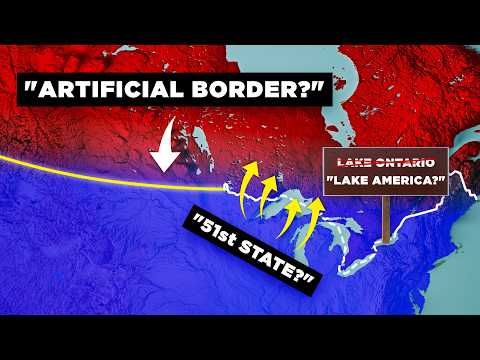
林宜悉 posted on 2026/10/15Ever wondered why the U.S. and Canada remain separate countries despite their long shared history? This video explores the fascinating diplomatic tensions and historical context behind the border, while teaching you nuanced vocabulary like 'sovereignty' and 'annex' that you can use to discuss international relations with confidence.
Learn this video on the APP!
The VoiceTube App has more in-depth practice for videos!