
affect
US /əˈfɛkt/
UK /ə'fekt/
- Transitive Verb
- To cause a change in something else
- To pretend to have or feel (something).
- Noun
- (Psychology) Emotion or feeling.
A2TOEICMorebulletin
US /ˈbʊlɪtn, -tɪn/
UK /'bʊlətɪn/
- Noun (Countable/Uncountable)
- (Sudden or urgent) news piece
- Printed material to give information
B2Morecancel
US /ˈkænsəl/
UK /'kænsl/
- Transitive Verb
- To end a legal, business, or other agreement
- To stop a planned event from happening
A2Morecancer
US /ˈkænsɚ/
UK /'kænsə(r)/
- Noun
- Any growth caused by abnormal cell division
B1Moreconfirm
US /kənˈfɜ:rm/
UK /kənˈfɜ:m/
- Transitive Verb
- To formally approve or check something
- To provide evidence to establish the truth of
A2Morediagnosis
US /ˌdaɪəgˈnoʊsɪs/
UK /ˌdaɪəgˈnəʊsɪs/
- Noun (plural)
- Judgments by a doctor about a person's illness
- Noun
- The identification of a disease or condition.
B1Morein fact
US /ɪn fækt/
UK /in fækt/
- Adverb
- Used to emphasize the truth of a statement, especially one that contrasts with or contradicts something else.
- Used to introduce a more detailed or surprising piece of information.
- Phrase
- Used to emphasize the truth of a statement, especially one that is surprising or contrary to what might be expected.
C1Moreinvasive
US /ɪnˈvesɪv/
UK /ɪnˈveɪsɪv/
- Adjective
- Entering the body, etc. in a destructive way
- Tending to spread aggressively; intrusive.
C1Morelobe
US /loʊb/
UK /ləʊb/
- Noun (Countable/Uncountable)
- Round part in body, e.g. some parts of brain
- part of an organ(e.g. the brain, lungs, or liver) that seems to be separate in some way from the rest
B2Morelung
US /lʌŋ/
UK /lʌŋ/
- Noun
- One of the two organs we use to breathe
B1Morepope
US /pop/
UK /pu:p/
- Proper Noun
- Bishop of Rome and the head of the Catholic Church
B2Moreschedule
US /ˈskedʒu:l/
UK /ˈʃedju:l/
- Noun (Countable/Uncountable)
- A list of events and their times
- A plan to do something at a certain time
- Transitive Verb
- To plan to do something at a certain time
A2TOEICMorestatement
US / ˈstetmənt/
UK /ˈsteɪtmənt/
- Noun (Countable/Uncountable)
- Record of activity in a bank account over time
- Act or process of saying something formally
A2TOEICMoresurgery
US /ˈsɚdʒəri/
UK /'sɜ:dʒərɪ/
- Noun (Countable/Uncountable)
- Medical operation involving cutting into body
- A doctor's office; health clinic
B1Moretranquil
US /ˈtræŋkwəl/
UK /ˈtræŋkwɪl/
- Adjective
- Calm; peaceful
B2Moretreatment
US /ˈtritmənt/
UK /ˈtri:tmənt/
- Noun (Countable/Uncountable)
- Medicine or method to make someone healthier
- Way someone acts toward another
A2TOEICMoretrip
US /trɪp/
UK /trɪp/
- Verb (Transitive/Intransitive)
- To release an electrical switch
- To fall by catching your foot on something
- Noun
- Act of falling down; falling over an obstacle
- Journey or visit to a place
A2More
Vocabulary
- in fact: Used to emphasize the truth of a statement, especially one that contrasts with or contradicts something else.
- statement: Record of activity in a bank account over time
- affect: To cause a change in something else
- rest: Time when one relaxes, sleeps, or is inactive
- surgery: Medical operation involving cutting into body
- treatment: Medicine or method to make someone healthier
- tranquil: Calm; peaceful
- moment: Very short or brief period of time
- invasive: Entering the body, etc. in a destructive way
- trip: To release an electrical switch
- diagnosis: Judgments by a doctor about a person's illness
- fact: Something that is known or proved to be true
- operate: To control or handle something, such as a machine
- continue: To do something without stopping, or after pausing
- schedule: A list of events and their times
- confirm: To formally approve or check something
- active: Moving around a lot or doing many things
- include: To make someone, something part of a group
- future: Time that is to come after the present
- lung: One of the two organs we use to breathe
- remove: To get rid of something completely
- cancer: Any growth caused by abnormal cell division
- lobe: Round part in body, e.g. some parts of brain
- begin: To do the first part of an action; to start
- keep: Large, strong tower in the middle of a castle
- tell: To (strongly) advise a person to do something
- bulletin: (Sudden or urgent) news piece
- pope: Bishop of Rome and the head of the Catholic Church
- plan: Drawing of how something should be done or made
- cancel: To end a legal, business, or other agreement
- room: All of the people inside a particular room
- year: Unit of time equal to 12 months or 365 or 366 days
Get the full experience in the app
Learn anywhere with detailed sentence and usage analysis
01:03
She took a brave step forward, leaving behind her comfort zone to chase her dreams.
Vocabulary
- brave
adj. Having courage
- comfort zone
phr. A familiar situation where one feels safe
Explanation
a brave step is a noun phrase, where brave is an adjective modifying the noun step, meaning "a courageous step".
forward is an adverb modifying step, meaning "ahead".
The whole phrase serves as the object, answering the "what" of took (verb) — she took a brave step forward.
Get the full experience in the app
Look up words anytime with pronunciation, part of speech, and usage
brave
US/brev/
UK/breɪv/
adj.Brave
v.t.To bravely face
A2 Elementary
Get the full experience in the app
Practice speaking anytime and get instant pronunciation feedback
Try this speaking exercise.
Try practicing with this sentence.
80
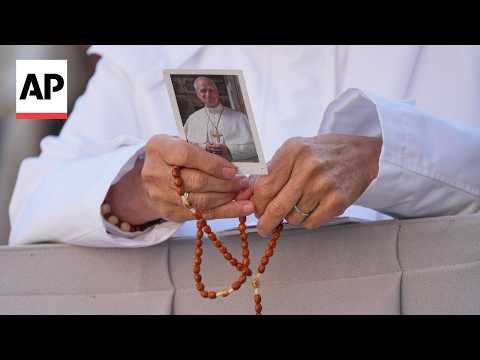
Pope Leo XIV is resting after cancer surgery, the Vatican says
0
林宜悉 posted on 2026/10/14Stay up to date with the latest news regarding Pope Leo XIV's recent medical recovery and how his busy schedule might change. You will pick up useful vocabulary related to medical updates and formal announcements while practicing your listening comprehension with this important report.
Learn this video on the APP!
The VoiceTube App has more in-depth practice for videos!