
arrive at
US /əˈraɪv æt/
UK /əˈraiv æt/
- Phrasal Verb
- To reach a place, especially at the end of a journey.
- To reach a conclusion or decision after thinking about something.
A2Moreat home
US /æt hom/
UK /æt həum/
- Phrase
- In one's own residence or country.
- Adjective
- Feeling comfortable and relaxed.
at night
US /æt naɪt/
UK /æt nait/
- Phrase
- During the night; in the nighttime.
A1Moreat the bank
US /æt ðə bæŋk/
UK /æt ðə bæŋk/
- other
- Located at or near a financial institution.
- Situated beside the edge of a river or stream.
A1Moreat work
US /æt wɚk/
UK /æt wə:k/
- Phrase
- Located at one's place of employment
A1Morebaby
US /ˈbeɪbi/
UK /ˈbeɪbi/
- Countable Noun
- A very young child, who cannot yet speak
- Transitive Verb
- To treat someone as if they were newly born
A2Moreback up
US /bæk ʌp/
UK /bæk ʌp/
- Phrasal Verb
- To save a copy of your computer data
- To confirm the truth of what someone says
A1Morebunch
US /bʌntʃ/
UK /bʌntʃ/
- Noun (Countable/Uncountable)
- A group of things of the same kind
- A group of people.
- Transitive Verb
- To group people or things closely together
B1Moreclothe
US /kloʊð/
UK /kləʊð/
- Transitive Verb
- To put a certain type of clothing on someone; dress
B1Morecome back
US /kʌm bæk/
UK /kʌm bæk/
- Phrasal Verb
- To reply to someone, often forcefully
- To be remembered
A1Morecome up
US /kʌm ʌp/
UK /kʌm ʌp/
- Phrasal Verb
- To come closer to someone; approach
- (Of sun) to rise into the sky in the morning
A1Moreconnect
US /kəˈnɛkt/
UK /kə'nekt/
- Transitive Verb
- To associate a thing with something else
- To join or attach things together
A2Moredo in
US
UK
- Phrasal Verb
- To make completely tired out and exhausted
- To destroy or cause damage to someone
A1Morefigure out
US /ˈfɪɡjɚ aʊt/
UK /ˈfiɡə aut/
- Phrasal Verb
- To understand the behavior of someone
- To think through logically to find a solution
- Verb (Transitive/Intransitive)
- To understand or find an answer to something.
- To find a solution to a problem or understand something.
A1Morefluency
US /ˈfluːənsi/
UK /ˈflu:ənsi/
- Uncountable Noun
- Ability to do something well and with ease
- Ability to speak or write a language easily
B1TOEICMoreget back at
US /ɡɛt bæk æt/
UK /ɡet bæk æt/
- Phrasal Verb
- To take revenge on someone
A1Moreget back to
US /ɡɛt bæk tu/
UK /ɡet bæk tu:/
- Phrasal Verb
- To get in contact with someone again
- To return to someone or something; to respond at a later time.
A1Moreget up in
US /ɡɛt ʌp ɪn/
UK /ɡet ʌp ɪn/
- other
- To wake and leave bed at a particular time.
B2Morego shopping
US /ɡo ˈʃɑpɪŋ/
UK /ɡəu ˈʃɔpɪŋ/
- Intransitive Verb
- To go to stores to buy things
A1Moregot to
US /ɡɑt tu/
UK /gɔt tu:/
- Verb (Transitive/Intransitive)
- To arrive at some place
- To have the opportunity or permission to do something
- Phrasal Verb
- To appeal to the emotions of; move
- To finally begin to start something after a delay
A1Moregym
US /dʒɪm/
UK /dʒɪm/
- Noun (Countable/Uncountable)
- Physical education taught as a class in school
- Building used for physical activities or sports
C2Morehang out
US /hæŋ aʊt/
UK /hæŋ aut/
- Phrasal Verb
- To spend time with your friends
- To spend times with friends or relax doing nothing
A2Morehave to
US /hæv tu/
UK /ˈhæv tə/
- Auxiliary Verb
- Must do
A1Morehead out
US /hɛd aʊt/
UK /hed aut/
- Phrasal Verb
- To leave a place; depart
A1Morein fact
US /ɪn fækt/
UK /in fækt/
- Adverb
- Used to emphasize the truth of a statement, especially one that contrasts with or contradicts something else.
- Used to introduce a more detailed or surprising piece of information.
- Phrase
- Used to emphasize the truth of a statement, especially one that is surprising or contrary to what might be expected.
C1Morein school
US /ɪn skul/
UK /ɪn sku:l/
- other
- Attending an educational institution.
A1Morekitchen
US /ˈkɪtʃən/
UK /ˈkɪtʃɪn/
- Noun
- Place where food is cooked
A2Morelook at
US /lʊk æt/
UK /luk æt/
- Phrasal Verb
- To use your eyes to focus on something
- To focus your eyes on something carefully
A1Morelook for
US /lʊk fɔr/
UK /luk fɔ:/
- Phrasal Verb
- To try to find a thing or person that is lost
- To expect or anticipate something.
A1Moreof a sudden
US
UK
- Phrase
- Quickly and unexpectedly; suddenly.
B2Moreof course
US /ʌv kɔː(r)s/
UK /ɔv kɔː(r)s/
- Adverb
- Sure ; Certainly
- Phrase
- For sure; certainly
A2Moreon the couch
US /ɑn ðə kaʊtʃ/
UK /ɒn ðə kaʊtʃ/
- other
- Receiving psychotherapy or psychological treatment.
B1Moreon time
US /ɑn taɪm/
UK /ɔn taim/
- Phrase
- Adjective
- Arriving at or done by the required time
- Meeting a deadline; punctual in fulfilling obligations.
A1Moreout of time
US /aʊt ʌv taɪm/
UK /aut ɔv taim/
- Adjective
- Having no more time available to do something.
A1Morephone
US /foʊn/
UK /fəʊn/
- Verb (Transitive/Intransitive)
- To talk to someone using a telephone
- Noun
- Machine used to talk to someone who is far away
A2TOEICMorephrasal
US
UK
- Adjective
- Concerning or consisting of a phrase
B1Morepick it up
US
UK
- Phrasal Verb
- To lift something from a surface.
- To collect something or someone.
A2Morepick me up
US
UK
- Phrasal Verb
- To collect someone or something from a place.
- To improve someone's mood or energy.
A2Morepractice
US /ˈpræktɪs/
UK /'præktɪs/
- Noun
- The office and place for legal or medical work
- Doing something many times to become better at it
- Verb (Transitive/Intransitive)
- To work as a doctor or lawyer
- To live according to the teachings of a religion
A2TOEICMoreprinciple
US /ˈprɪnsəpəl/
UK /ˈprɪnsəpl/
- Noun (Countable/Uncountable)
- Moral rule or belief governing a person's behavior
- Natural law that explains how things work
A2TOEICMorerid
US /rɪd/
UK /rɪd/
- Transitive Verb
- To cause to no longer have (pest, problem)
- Adjective
- Freed or delivered from something.
A2Moreschedule
US /ˈskedʒu:l/
UK /ˈʃedju:l/
- Noun (Countable/Uncountable)
- A list of events and their times
- A plan to do something at a certain time
- Transitive Verb
- To plan to do something at a certain time
A2TOEICMoreshow up
US /ʃo ʌp/
UK /ʃəu ʌp/
- Phrasal Verb
- To arrive or be seen at a place, e.g. a party
- To be noticeably better than (someone else)
A1Morestuff
US /stʌf/
UK /stʌf/
- Uncountable Noun
- Generic description for things, materials, objects
- Transitive Verb
- To push material inside something, with force
B1Moresugar
US /ˈʃʊɡɚ/
UK /ˈʃʊgə(r)/
- Uncountable Noun
- Substance which the body stores or uses for energy
- White sweet substance used to make foods sweeter
- Countable Noun
- Amount of sugar contained in a small spoon
A2Moretake off
US /tek ɔf/
UK /teik ɔf/
- Phrasal Verb
- To remove, e.g. your clothes
- To make arrangements to be absent from work
- Verb (Transitive/Intransitive)
- To remove (an item of clothing).
- To depart; to leave.
A1Moretalking about
US
UK
- Phrasal Verb
- To discuss a particular topic.
- To be constantly mentioning or bringing up a subject.
A1Morethink about
US /θɪŋk əˈbaʊt/
UK /θiŋk əˈbaut/
- Phrasal Verb
- To consider something carefully.
- To remember or call to mind.
A1Morethink of
US /θɪŋk ʌv/
UK /θiŋk ɔv/
- Phrasal Verb
- To look on as (being something specific); consider
- To consider or remember something.
- Verb (Transitive/Intransitive)
- To imagine or call something to mind
A1Moretired
US /ˈtaɪərd/
UK /ˈtaɪəd/
- Adjective
- Without energy so you want to rest or fall asleep
- Transitive Verb
- To lose, cause to lose energy so you want to rest
B1Moreto do with
US
UK
- Phrasal Verb
- To be about something; concern
A1Moretraffic
US /ˈtræfɪk/
UK /'træfɪk/
- Noun (Countable/Uncountable)
- The cars or vehicles on the road
- Amount of activity over a communication system
- Verb (Transitive/Intransitive)
- Deal or trade in something illegal.
- To direct and control traffic.
A2TOEICMoreunexpected
US /ˌʌnɪkˈspektɪd/
UK /ˌʌnɪkˈspektɪd/
- Adjective
- Surprising because it was not expected
- Noun
- An event or occurrence that was not anticipated.
B2Moreused to
US /juzd tu/
UK /ˈju:st tə/
- Adjective
- Did regularly before, but don't do now
- Auxiliary Verb
- Have done before, but do not do now
A1Morevocabulary
US /voˈkæbjəˌlɛri/
UK /və'kæbjələrɪ/
- Uncountable Noun
- Words that have to do with a particular subject
- The words that a person knows
B1TOEICMorewalk away with
US /ˈwɔk əˈweɪ wɪð/
UK /ˈwɔ:k əˈweɪ wɪð/
- other
- To win or obtain something easily or without much effort.
B2Morewith it
US /wɪð ɪt/
UK /wið it/
- Adjective
- Intelligent, alert, and up-to-date.
- Understanding and knowledgeable about current trends or information.
A1Morework at
US /wɚk æt/
UK /wə:k æt/
- Phrasal Verb
- To have a job at a particular place or organization.
- To make an effort to improve something.
A1Morework in
US /wɚk ɪn/
UK /wə:k in/
- Phrasal Verb
- To make an opening for something in your schedule
- To fit person/thing into a schedule or sequence
A1More
Vocabulary
- head out: To leave a place; depart
- got to: To arrive at some place
- look for: To try to find a thing or person that is lost
- show up: To arrive or be seen at a place, e.g. a party
- have to: Must do
- at work: Located at one's place of employment
- come back: To reply to someone, often forcefully
- out of time: Having no more time available to do something.
- arrive at: To reach a place, especially at the end of a journey.
- pick it up: To lift something from a surface.
- at night: During the night; in the nighttime.
- on time
- work at: To have a job at a particular place or organization.
- talking about: To discuss a particular topic.
- used to: Did regularly before, but don't do now
- pick me up: To collect someone or something from a place.
- work in: To make an opening for something in your schedule
- think of: To look on as (being something specific); consider
- in school: Attending an educational institution.
- get back to: To get in contact with someone again
- walk away with: To win or obtain something easily or without much effort.
- take off: To remove, e.g. your clothes
- look at: To use your eyes to focus on something
- in fact: Used to emphasize the truth of a statement, especially one that contrasts with or contradicts something else.
- figure out: To understand the behavior of someone
- on the couch: Receiving psychotherapy or psychological treatment.
- back up: To save a copy of your computer data
- come up: To come closer to someone; approach
- get up in: To wake and leave bed at a particular time.
- of a sudden: Quickly and unexpectedly; suddenly.
- at the bank: Located at or near a financial institution.
- hang out: To spend time with your friends
- get back at: To take revenge on someone
- think about: To consider something carefully.
- do in: To make completely tired out and exhausted
- at home: In one's own residence or country.
- with it: Intelligent, alert, and up-to-date.
- to do with: To be about something; concern
- go shopping: To go to stores to buy things
- of course: Sure ; Certainly
- stuff: Generic description for things, materials, objects
- bunch: A group of things of the same kind
- situation: Place, position or area that something is in
- practice: The office and place for legal or medical work
- vocabulary: Words that have to do with a particular subject
- rid: To cause to no longer have (pest, problem)
- fluency: Ability to do something well and with ease
- principle: Moral rule or belief governing a person's behavior
- pretty: Being attractive to the eye in a simple way
- unexpected: Surprising because it was not expected
- leave: To go away from; depart
- notice: To become aware by sight, touch, or hearing
- place: To put someone in a particular type of situation
- phrasal: Concerning or consisting of a phrase
- learn: To get knowledge or skills by study or experience
- build: Your physical shape; physique
- catch: Amount of something that has been caught
- connect: To associate a thing with something else
- schedule: A list of events and their times
- natural: Being as one would expect; being usual or normal
- head: To hit a ball with your head in a game
- great: Very good; better than before
- pick: Sharp tool used for breaking the ground
- verb: Word that expresses an action or state
- turn: To become (a particular age)
- change: To exchange one set of clothes for another
- traffic: The cars or vehicles on the road
- gym: Physical education taught as a class in school
- tired: Without energy so you want to rest or fall asleep
- sugar: Substance which the body stores or uses for energy
- clothe: To put a certain type of clothing on someone; dress
- baby: A very young child, who cannot yet speak
- phone: To talk to someone using a telephone
- kitchen: Place where food is cooked
Get the full experience in the app
Learn anywhere with detailed sentence and usage analysis
01:03
She took a brave step forward, leaving behind her comfort zone to chase her dreams.
Vocabulary
- brave
adj. Having courage
- comfort zone
phr. A familiar situation where one feels safe
Explanation
a brave step is a noun phrase, where brave is an adjective modifying the noun step, meaning "a courageous step".
forward is an adverb modifying step, meaning "ahead".
The whole phrase serves as the object, answering the "what" of took (verb) — she took a brave step forward.
Get the full experience in the app
Look up words anytime with pronunciation, part of speech, and usage
brave
US/brev/
UK/breɪv/
adj.Brave
v.t.To bravely face
A2 Elementary
Get the full experience in the app
Practice speaking anytime and get instant pronunciation feedback
Try this speaking exercise.
Try practicing with this sentence.
80
0
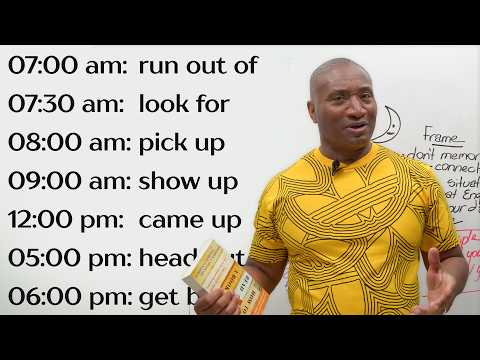
林宜悉 posted on 2026/10/14Stop memorizing long lists of words and start using English naturally! This video shows you how to use common phrasal verbs like 'run out of' and 'show up' in the context of a busy daily routine so you can speak with confidence today.
Learn this video on the APP!
The VoiceTube App has more in-depth practice for videos!