
access
US /ˈæksɛs/
UK /'ækses/
- Noun (Countable/Uncountable)
- Way to enter a place, e.g. a station or stadium
- The opportunity or right to use something or to see someone.
- Transitive Verb
- To be able to use or have permission to use
A2TOEICMoreadapt
US /əˈdæpt/
UK /ə'dæpt/
- Transitive Verb
- To change something for a different function
- To change something to fit or suit a new purpose
- Intransitive Verb
- To change your behaviour so that it is easier to live in a new place or situation
B1TOEICMoreadaptation
US /ˌædæpˈteʃən/
UK /ˌædæpˈteɪʃn/
- Noun (Countable/Uncountable)
- Music, movie or play, changed to a new form
- Changing to a new form; thing that is changed
B1Morearound the world
US /əˈraʊnd ði wɜrld/
UK /əˈraund ðə wɜː(r)ld/
- Phrase
- In or to many countries.
- In various places throughout the world.
A2Moreartificial
US /ˌɑrtəˈfɪʃəl/
UK /ˌɑ:tɪ'fɪʃl/
- Adjective
- Dishonest, to seem fake, not sincere
- (Something) made by people; not created by nature
B1TOEICMoreautomation
US /ˌɔtəˈmeʃən/
UK /ˌɔ:təˈmeɪʃn/
- Uncountable Noun
- Use of machines to do tasks once done by people
B2Morebreaks down
US
UK
- Phrasal Verb
- To forcibly break, destroy or make collapse
- (Machine) to stop working or become weaker
A1Morebuffer
US /ˈbʌfɚ/
UK /ˈbʌfə(r)/
- Noun (Countable/Uncountable)
- Data in computer memory allowing fast access
- Protection to prevent things mixing
- Transitive Verb
- To store data in special memory for fast access
- To protect a thing by separating it from
B2Morebundle
US /ˈbʌndl/
UK /ˈbʌndl/
- Countable Noun
- A group of things that are tied/fastened together
- A set of products sold together cheaply
- Transitive Verb
- To fasten, tie or wrap several things together
- To sell a set of products at a lower price
B1Morecapacity
US /kəˈpæsɪti/
UK /kə'pæsətɪ/
- Noun (Countable/Uncountable)
- Ability to hold, involve or contain (e.g. liquids)
- Largest amount of something that can be produced
B1Morecatastrophic
US /ˌkætəˈstrɑfɪk/
UK /ˌkætə'strɒfɪk/
- Adjective
- Causing a lot of damage or suffering
B2Morecompetent
US /ˈkɑmpɪtənt/
UK /ˈkɒmpɪtənt/
- Adjective
- Fully qualified or capable of doing
- Of an acceptable quality, though not outstanding.
B2Morecompetition
US /ˌkɑmpɪˈtɪʃən/
UK /ˌkɒmpəˈtɪʃn/
- Noun (Countable/Uncountable)
- Fighting against others to win something
- A situation in which people or organizations compete with each other for something that not everyone can have.
A2Morecompromise
US /ˈkɑmprəˌmaɪz/
UK /'kɒmprəmaɪz/
- Verb (Transitive/Intransitive)
- To weaken your position or views
- To lessen your demands so as to reach agreement
- Noun (Countable/Uncountable)
- When you lessen your demands to get agreement
B1Moreconcern
US /kənˈsɚn/
UK /kənˈsɜ:n/
- Verb (Transitive/Intransitive)
- To be about a particular topic
- To have a direct impact on someone
- Noun (Countable/Uncountable)
- Company, firm or business
- Feeling of worry or anxiety
A2TOEICMoredatum
US /ˈdetəm, ˈdætəm, ˈdɑtəm/
UK /ˈdeɪtəm/
- Noun
- Item of factual information
B1Moredebate
US / dɪˈbet/
UK /dɪ'beɪt/
- Noun (Countable/Uncountable)
- General public discussion of a topic
- A formal event where two sides discuss a topic
- Verb (Transitive/Intransitive)
- To consider options before making a decision
- To take part in a formal discussion
A2TOEICMoredecline
US /dɪˈklaɪn/
UK /dɪ'klaɪn/
- Intransitive Verb
- To bend towards the ground
- To slope downward.
- Verb (Transitive/Intransitive)
- To lessen in quality or value
A2TOEICMoredepend
US /dɪˈpend/
UK /dɪˈpend/
- Verb (Transitive/Intransitive)
- Be controlled or determined by (someone/something)
- To rely on someone or something for support, help, or existence.
B1TOEICMoredisplacement
US /dɪsˈplesmənt/
UK /dɪsˈpleɪsmənt/
- Uncountable Noun
- Number of liters a petrol engine has
- Act of replacing someone or something
B1Moreemerge
US /ɪˈmɚdʒ/
UK /ɪ'mɜ:dʒ/
- Intransitive Verb
- To rise or appear out of some background
- To become known or apparent.
A2TOEICMoreerode
US /ɪˈrod/
UK /ɪ'rəʊd/
- Verb (Transitive/Intransitive)
- To destroy something gradually; be destroyed thus
- To wear away gradually by water, ice or wind
B1TOEICMoreextent
US /ɪkˈstɛnt/
UK /ɪkˈstent/
- Noun (Countable/Uncountable)
- Point, level or limit to which something reaches
- Range or space included in something
A2TOEICMorefigure out
US /ˈfɪɡjɚ aʊt/
UK /ˈfiɡə aut/
- Phrasal Verb
- To understand the behavior of someone
- To think through logically to find a solution
- Verb (Transitive/Intransitive)
- To understand or find an answer to something.
- To find a solution to a problem or understand something.
A1Moreforget about
US /fɚˈɡɛt əˈbaʊt/
UK /fəˈɡet əˈbaut/
- Phrasal Verb
- To stop thinking about something; to ignore something.
A1Morehamper
US /ˈhæmpɚ/
UK /ˈhæmpə(r)/
- Noun (Countable/Uncountable)
- to prevent somebody from easily doing or achieving something
B2Morehave to
US /hæv tu/
UK /ˈhæv tə/
- Auxiliary Verb
- Must do
A1Morein the way
US /ɪn ði we/
UK /in ðə wei/
- Phrase
- Obstructing someone or something; hindering progress.
- Stored or placed so as to be available or ready when needed.
A1Morein the world
US /ɪn ði wɜrld/
UK /in ðə wɜː(r)ld/
- Phrase
- Used to emphasize a question expressing surprise, confusion, disbelief
- Used to indicate the extent or degree of something, often in a superlative sense
A1Morein time
US /ɪn taɪm/
UK /in taim/
- Adverb
- Eventually; after a period of time.
- Not late; with enough time to spare.
- Phrase
- Eventually; before it is too late.
- According to the scheduled time; punctual.
A1Moreinfluence
US / ˈɪnfluəns/
UK /'ɪnflʊəns/
- Verb (Transitive/Intransitive)
- To affect or change something indirectly
- To persuade someone to do something.
- Noun (Countable/Uncountable)
- The power to affect what happens, to persuade etc.
- A person or thing that affects someone or something in an important way.
A2TOEICMoreinstead of
US /ɪnˈstɛd ʌv/
UK /inˈsted ɔv/
- Preposition
- When one thing is replaced by another
- Adverb
- As a substitute or alternative.
A1Moreintelligence
US /ɪnˈtɛlədʒəns/
UK /ɪn'telɪdʒəns/
- Uncountable Noun
- Collection of secret information about something
- Ability to learn things or to consider situations
- Adjective
- Of the spying services; acting in secrecy
A2TOEICMoreinteract with
US /ˌɪntɚˈækt wɪð/
UK /ˌɪntərˈækt wið/
- Phrase
- Verb (Transitive/Intransitive)
- To engage in communication or action involving mutual or reciprocal influence.
- To use a computer interface to achieve a specific goal.
A2Morelook at
US /lʊk æt/
UK /luk æt/
- Phrasal Verb
- To use your eyes to focus on something
- To focus your eyes on something carefully
A1Moremonopoly
US /məˈnɑpəli/
UK /mə'nɒpəlɪ/
- Noun (Countable/Uncountable)
- Complete market control for a service or product
- A board game in which players try to gain monopolies on properties as their opponents are forced to pay them rent.
C2Moreof course
US /ʌv kɔː(r)s/
UK /ɔv kɔː(r)s/
- Adverb
- Sure ; Certainly
- Phrase
- For sure; certainly
A2Moreoptimism
US /ˈɑptəˌmɪzəm/
UK /ˈɒptɪmɪzəm/
- Uncountable Noun
- Condition of having a positive outlook or belief
B2Moreoptimistic
US /ˌɑːptɪˈmɪstɪk/
UK /ˌɒptɪˈmɪstɪk/
- Adjective
- Tending to believe the future will be good
- Confident and hopeful about future outcomes.
B2Moreout of the box
US /aʊt əv ðə bɑks/
UK /aut əv ðə bɒks/
- other
- Thinking in an original or creative way.
- Ready to use immediately without special preparation.
B2Moreover time
US /ˈovɚ taɪm/
UK /ˈəuvə taim/
- Phrase
- Gradually; as time passes.
- During a long period.
- Adverb
- Gradually; as time passes.
B1Moreparagraph
US /ˈpærəgræf/
UK /ˈpærəgrɑ:f/
- Noun (Countable/Uncountable)
- Section of writing dealing with one point
- A section or clause in a legal document.
- Transitive Verb
- To organize a written work into paragraphs
B1TOEICMorepolicymaker
US /'pɒləsɪˌmeɪkə/
UK /'pɒləsɪmeɪkə(r)/
- Noun
- Someone who makes and decides (government) plans
C2Moreprocess
US /ˈprɑsˌɛs, ˈproˌsɛs/
UK /prə'ses/
- Transitive Verb
- To organize and use data in a computer
- To deal with official forms in the way required
- Noun (Countable/Uncountable)
- Dealing with official forms in the way required
- Set of changes that occur slowly and naturally
A2TOEICMoreprocurement
US /prəˈkjʊrmənt/
UK /prəˈkjʊəmənt/
- Uncountable Noun
- Act of getting possession of something
C2TOEICMoreproductivity
US /ˌprɑ:dʌkˈtɪvəti/
UK /ˌprɒdʌkˈtɪvəti/
- Uncountable Noun
- Rate at which people or machines produce
- A measure of the efficiency of a person, machine, factory, system, etc., in converting inputs into useful output.
B1TOEICMorerather than
US
UK
- Adverb
- More exactly; more correctly
- Preferably; instead
- Preposition
- Instead of
A1Morerequire
US /rɪˈkwaɪr/
UK /rɪ'kwaɪə(r)/
- Transitive Verb
- To demand that someone does something
- To need to do something, to make it necessary
A2TOEICMoreresearch
US /rɪˈsɚtʃ, ˈriˌsɚtʃ/
UK /rɪ'sɜ:tʃ/
- Verb (Transitive/Intransitive)
- To study in order to discover new ideas and facts
- To study the market relating to marketing products and services.
- Noun (Countable/Uncountable)
- Study done to discover new ideas and facts
- A particular area or topic of study.
A2TOEICMorescale
US /skel/
UK /skeɪl/
- Noun (Countable/Uncountable)
- Size, level, or amount when compared
- Small hard plates that cover the body of fish
- Verb (Transitive/Intransitive)
- To change the size of but keep the proportions
- To climb something large (e.g. a mountain)
A2TOEICMoresee in
US /si ɪn/
UK /si: in/
- Phrasal Verb
- To accompany someone to the entrance of a building or room.
A1Morespecific
US /spɪˈsɪfɪk/
UK /spəˈsɪfɪk/
- Adjective
- Precise; particular; just about that thing
- Concerning one particular thing or kind of thing
A2Morestress
US / strɛs/
UK /stres/
- Transitive Verb
- To emphasize one or more parts of a word, sentence
- To put pressure on something or someone
- Noun (Countable/Uncountable)
- Emphasis on part of a word or sentence
- Pressure on something or someone
A2TOEICMoresuch as
US /sʌtʃ æz/
UK /sʌtʃ æz/
- Preposition
- For example; like
A1Moretake on
US /tek ɑn/
UK /teik ɔn/
- Phrasal Verb
- To acquire a new characteristic
- To accept a new responsibility, role
A1Morethink about
US /θɪŋk əˈbaʊt/
UK /θiŋk əˈbaut/
- Phrasal Verb
- To consider something carefully.
- To remember or call to mind.
A1Moreused to
US /juzd tu/
UK /ˈju:st tə/
- Adjective
- Did regularly before, but don't do now
- Auxiliary Verb
- Have done before, but do not do now
A1More
Vocabulary
- think about: To consider something carefully.
- in the world: Used to emphasize a question expressing surprise, confusion, disbelief
- look at: To use your eyes to focus on something
- over time: Gradually; as time passes.
- used to: Did regularly before, but don't do now
- interact with
- instead of: When one thing is replaced by another
- such as: For example; like
- breaks down: To forcibly break, destroy or make collapse
- around the world: In or to many countries.
- have to: Must do
- of course: Sure ; Certainly
- figure out: To understand the behavior of someone
- in the way: Obstructing someone or something; hindering progress.
- see in: To accompany someone to the entrance of a building or room.
- in time: Eventually; after a period of time.
- rather than: More exactly; more correctly
- forget about: To stop thinking about something; to ignore something.
- take on: To acquire a new characteristic
- out of the box: Thinking in an original or creative way.
- specific: Precise; particular; just about that thing
- sort: To organize things by putting them into groups
- process: To organize and use data in a computer
- access: Way to enter a place, e.g. a station or stadium
- compromise: To weaken your position or views
- debate: General public discussion of a topic
- improve: To make, or become, something better
- scale: Size, level, or amount when compared
- artificial: Dishonest, to seem fake, not sincere
- capacity: Ability to hold, involve or contain (e.g. liquids)
- intelligence: Collection of secret information about something
- catastrophic: Causing a lot of damage or suffering
- decline: To bend towards the ground
- stress: To emphasize one or more parts of a word, sentence
- extent: Point, level or limit to which something reaches
- research: To study in order to discover new ideas and facts
- influence: To affect or change something indirectly
- industry: Hard work; being busy working
- exist: To be present, alive or real
- competition: Fighting against others to win something
- concern: To be about a particular topic
- similar: Nearly the same; alike
- adapt: To change something for a different function
- emerge: To rise or appear out of some background
- require: To demand that someone does something
- complete: To finish or reach the end of doing something
- optimistic: Tending to believe the future will be good
- productivity: Rate at which people or machines produce
- labor: To struggle to do something because it's difficult
- optimism: Condition of having a positive outlook or belief
- competent: Fully qualified or capable of doing
- monopoly: Complete market control for a service or product
- adaptation: Music, movie or play, changed to a new form
- digital: Using electronic signals or computers
- erode: To destroy something gradually; be destroyed thus
- lot: What happens to a person in life from chance; fate
- depend: Be controlled or determined by (someone/something)
- century: Period of 100 years
- kind: In a caring and helpful manner
- system: Set of organized, planned ideas that work together
- paragraph: Section of writing dealing with one point
- government: Group of people and system that rule a nation
- find: To become aware of something that is happening
- hamper: to prevent somebody from easily doing or achieving something
- bundle: A group of things that are tied/fastened together
- make: To arrange or prepare something e.g. dinner
- datum: Item of factual information
- buffer: Data in computer memory allowing fast access
- automation: Use of machines to do tasks once done by people
- procurement: Act of getting possession of something
- displacement: Number of liters a petrol engine has
- policymaker: Someone who makes and decides (government) plans
Get the full experience in the app
Learn anywhere with detailed sentence and usage analysis
01:03
She took a brave step forward, leaving behind her comfort zone to chase her dreams.
Vocabulary
- brave
adj. Having courage
- comfort zone
phr. A familiar situation where one feels safe
Explanation
a brave step is a noun phrase, where brave is an adjective modifying the noun step, meaning "a courageous step".
forward is an adverb modifying step, meaning "ahead".
The whole phrase serves as the object, answering the "what" of took (verb) — she took a brave step forward.
Get the full experience in the app
Look up words anytime with pronunciation, part of speech, and usage
brave
US/brev/
UK/breɪv/
adj.Brave
v.t.To bravely face
A2 Elementary
Get the full experience in the app
Practice speaking anytime and get instant pronunciation feedback
Try this speaking exercise.
Try practicing with this sentence.
80
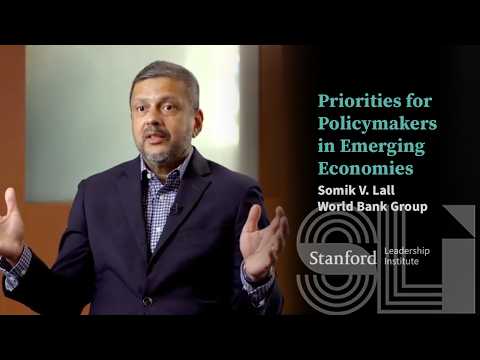
Priorities for Policymakers in Emerging Economies: Somik V. Lall, World Bank Group
0
林宜悉 posted on 2026/10/12Ever wonder how artificial intelligence actually impacts developing nations beyond the hype? This insightful talk breaks down why 'analog complements' like education and infrastructure are the real keys to success, offering you a great chance to pick up professional vocabulary related to economic development and policy strategy.
Learn this video on the APP!
The VoiceTube App has more in-depth practice for videos!