
action
US /ˈækʃən/
UK /'ækʃn/
- Noun (Countable/Uncountable)
- Something that a person or thing does
- A lawsuit.
- Intransitive Verb
- To act to do something
A2Moreaffection
US /əˈfɛkʃən/
UK /əˈfekʃn/
- Noun (Countable/Uncountable)
- Feeling of liking someone or something
- A gentle feeling of fondness or liking.
B1Morebloody
US /ˈblʌdi/
UK /'blʌdɪ/
- Adjective
- Covered or spotted with blood on the surface
- A word used when swearing or cursing
C2Moreclingy
US /'klɪŋɪ/
UK /'klɪŋɪ/
- Adjective
- Sticking or holding onto something, someone
B1Morecontext
US /ˈkɑnˌtɛkst/
UK /ˈkɒntekst/
- Noun (Countable/Uncountable)
- Set of facts surrounding a person or event
- The circumstances that form the setting for an event, statement, or idea, and in terms of which it can be fully understood and assessed.
A2Moredescription
US /dɪˈskrɪpʃən/
UK /dɪˈskrɪpʃn/
- Noun
- Explanation of what something is like, looks like
- The type or nature of someone or something.
A2TOEICMoreextra
US /'ekstrə/
UK /'ekstrə/
- Adjective
- More than necessary; additional
- Of especially good quality or grade.
- Noun (Countable/Uncountable)
- Items more than you need; additional items
- Person who has a small part in a movie
A2Morefamiliar
US /fəˈmɪljɚ/
UK /fəˈmɪliə(r)/
- Adjective
- Well-known or easily recognized
- Having a good knowledge of something.
- Noun
- A close friend or associate.
- (In folklore) a spirit, often in animal form, believed to attend and serve a witch.
A2TOEICMoreget lost
US /ɡɛt lɔst/
UK /ɡet lɔ:st/
- Intransitive Verb
- An impolite way of telling someone to go away.
- To become unable to find your way; to lose your sense of direction.
- Interjection
- An impolite way of telling someone to go away.
A1Moregrammar
US /ˈɡræmɚ/
UK /ˈgræmə(r)/
- Uncountable Noun
- Book describing the syntactic rules of a language
- Rules explaining how words are used in a language
B1Moregrammatically
US /ɡrə'mætɪklɪ/
UK /ɡrə'mætɪklɪ/
- Adverb
- Correctly; as expected in correct grammar
B2Morehamster
US /ˈhæmstɚ/
UK /ˈhæmstə(r)/
- Countable Noun
- Small animal with small tail, and large cheeks
B2Morehave to
US /hæv tu/
UK /ˈhæv tə/
- Auxiliary Verb
- Must do
A1Morein general
US /ɪn ˈdʒɛnərəl/
UK /in ˈdʒenərəl/
- Phrase
- Typically; usually; on the whole.
- Not specific or detailed; broadly.
- Adjective
- Not detailed or specific; overall.
C2Morein the past
US
UK
- Phrase
- During a former period of time; previously.
A1Moreinterview
US /ˈɪntɚˌvju/
UK /'ɪntəvju:/
- Transitive Verb
- To formally ask questions about a given topic
- Noun
- Meeting to ask questions to get information
A2TOEICMorejoin up
US
UK
- Phrasal Verb
- To enlist in the armed forces.
- To become a member of an organization or group.
A1Morelink
US /lɪŋk/
UK /lɪŋk/
- Noun (Countable/Uncountable)
- Any one of the rings that are part of a chain
- Connection between two or more things or people
- Transitive Verb
- To join or connect together
- To associate or connect in one's mind.
A2TOEICMoreloud
US /laʊd/
UK /laʊd/
- Adjective
- Being very bright with colors, clothes etc.
- Making a lot of noise
A2Moremagician
US /məˈdʒɪʃən/
UK /məˈdʒɪʃn/
- Noun (Countable/Uncountable)
- Someone who performs magic tricks
- Man in old tales who casts spells or does tricks
B1Morepast time
US
UK
- Noun
- An activity done regularly for enjoyment; a hobby.
- A point in time that is later than when something should have happened.
phrasal
US
UK
- Adjective
- Concerning or consisting of a phrase
B1Morepractice
US /ˈpræktɪs/
UK /'præktɪs/
- Noun
- The office and place for legal or medical work
- Doing something many times to become better at it
- Verb (Transitive/Intransitive)
- To work as a doctor or lawyer
- To live according to the teachings of a religion
A2TOEICMorepronunciation
US /prəˌnʌnsiˈeʃən/
UK /prəˌnʌnsiˈeɪʃn/
- Noun (Countable/Uncountable)
- How a word is said; how a word sounds
- The manner in which someone utters a word.
B1Moreshorten
US /ˈʃɔrtn/
UK /'ʃɔ:tn/
- Transitive Verb
- To make something, e.g. a skirt, shorter
C1Moreskinny
US /ˈskɪni/
UK /'skɪnɪ/
- Adjective
- Too thin; very lean
B2Morespecific
US /spɪˈsɪfɪk/
UK /spəˈsɪfɪk/
- Adjective
- Precise; particular; just about that thing
- Concerning one particular thing or kind of thing
A2Morestress
US / strɛs/
UK /stres/
- Transitive Verb
- To emphasize one or more parts of a word, sentence
- To put pressure on something or someone
- Noun (Countable/Uncountable)
- Emphasis on part of a word or sentence
- Pressure on something or someone
A2TOEICMorestructure
US /ˈstrʌk.tʃɚ/
UK /ˈstrʌk.tʃə/
- Noun (Countable/Uncountable)
- The way in which the parts of a system or object are arranged or organized, or a system arranged in this way
- A building or other man-made object.
- Transitive Verb
- To plan, organize, or arrange the parts of something
A2TOEICMoretalking about
US
UK
- Phrasal Verb
- To discuss a particular topic.
- To be constantly mentioning or bringing up a subject.
A1Moretrip
US /trɪp/
UK /trɪp/
- Verb (Transitive/Intransitive)
- To release an electrical switch
- To fall by catching your foot on something
- Noun
- Act of falling down; falling over an obstacle
- Journey or visit to a place
A2Moreultimate
US /ˈʌltəmɪt/
UK /ˈʌltɪmət/
- Adjective
- Basic; original; most significant
- Being the greatest example of something
- Noun
- A non-contact team sport played with a flying disc.
- The best achievable or imaginable of its kind.
A2Moreweight
US /wet/
UK /weɪt/
- Uncountable Noun
- How heavy something is
- Metal object to measure how heavy something is
A2TOEICMorewrite in
US
UK
- Phrasal Verb
- To add text to a document or form.
- To vote for a candidate whose name is not printed on the ballot by writing it in.
A1Moreyell
US /jɛl/
UK /jel/
- Noun
- A sudden loud cry or shout
- Intransitive Verb
- To shout loudly at someone in pain or excitement
B1More
Vocabulary
- talking about: To discuss a particular topic.
- have to: Must do
- past time: An activity done regularly for enjoyment; a hobby.
- in general: Typically; usually; on the whole.
- in the past: During a former period of time; previously.
- get lost: An impolite way of telling someone to go away.
- write in: To add text to a document or form.
- join up: To enlist in the armed forces.
- specific: Precise; particular; just about that thing
- pronunciation: How a word is said; how a word sounds
- ultimate: Basic; original; most significant
- context: Set of facts surrounding a person or event
- situation: Place, position or area that something is in
- practice: The office and place for legal or medical work
- description: Explanation of what something is like, looks like
- experience: Thing a person has done or that happened to them
- structure: The way in which the parts of a system or object are arranged or organized, or a system arranged in this way
- familiar: Well-known or easily recognized
- stress: To emphasize one or more parts of a word, sentence
- sentence: (Of a judge) to decide the punishment of
- imagine: To think creatively about; form mental picture of
- increase: To make or become larger in size or amount
- affection: Feeling of liking someone or something
- grammar: Book describing the syntactic rules of a language
- extra: More than necessary; additional
- clingy: Sticking or holding onto something, someone
- reason: To think and make conclusions in a logical manner
- place: To put someone in a particular type of situation
- phrasal: Concerning or consisting of a phrase
- trip: To release an electrical switch
- continue: To do something without stopping, or after pausing
- simple: Not hard to understand or do; not complex
- interview: To formally ask questions about a given topic
- steal: A bargain; something bought very cheaply
- natural: Being as one would expect; being usual or normal
- great: Very good; better than before
- verb: Word that expresses an action or state
- perfect: So good it cannot be improved
- question: To ask for or try to get information
- loud: Being very bright with colors, clothes etc.
- skinny: Too thin; very lean
- hamster: Small animal with small tail, and large cheeks
- link: Any one of the rings that are part of a chain
- weight: How heavy something is
- yell: A sudden loud cry or shout
- action: Something that a person or thing does
- bloody: Covered or spotted with blood on the surface
- grammatically: Correctly; as expected in correct grammar
- magician: Someone who performs magic tricks
- shorten: To make something, e.g. a skirt, shorter
Get the full experience in the app
Learn anywhere with detailed sentence and usage analysis
01:03
She took a brave step forward, leaving behind her comfort zone to chase her dreams.
Vocabulary
- brave
adj. Having courage
- comfort zone
phr. A familiar situation where one feels safe
Explanation
a brave step is a noun phrase, where brave is an adjective modifying the noun step, meaning "a courageous step".
forward is an adverb modifying step, meaning "ahead".
The whole phrase serves as the object, answering the "what" of took (verb) — she took a brave step forward.
Get the full experience in the app
Look up words anytime with pronunciation, part of speech, and usage
brave
US/brev/
UK/breɪv/
adj.Brave
v.t.To bravely face
A2 Elementary
Get the full experience in the app
Practice speaking anytime and get instant pronunciation feedback
Try this speaking exercise.
Try practicing with this sentence.
80
0
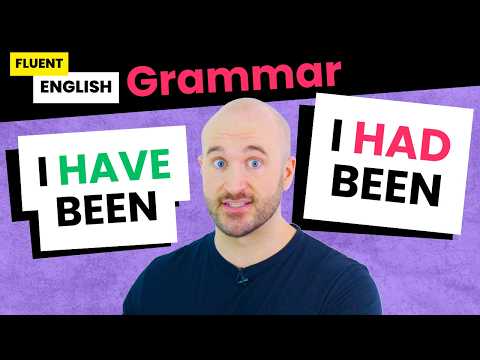
Susan posted on 2026/10/12Ever get confused about when to use 'have been' versus 'had been'? This lesson clears up the mystery with fun, relatable examples and even introduces you to the word 'clingy' to describe someone who just won't leave you alone. You'll walk away feeling much more confident about using the past perfect tense in your own daily conversations.
Learn this video on the APP!
The VoiceTube App has more in-depth practice for videos!