
abide by
US /əˈbaɪd baɪ/
UK /əˈbaid bai/
- Phrasal Verb
- To follow a rule; adhere to
B2Morealmost all of
US
UK
- Determiner
- Nearly the entire quantity or number of something.
- Pronoun
- Nearly every person in a group.
A1Moreapart from
US /əˈpɑrt frʌm/
UK /əˈpɑ:t frɔm/
- Preposition
- Except for; not considering
- In addition to; as well as
as a result of
US
UK
- Phrase
- Because of something; owing to.
A1Moreas long as
US /æz lɔŋ æz/
UK /æz lɔŋ æz/
- Conjunction
- For the period that; provided that.
- For the length of time that
- Preposition
- On the condition that; providing that.
- Having the same length as.
A1Moreas well as
US /æz wɛl æz/
UK /æz wel æz/
- Adverb
- Also; in addition to
- Preposition
- In addition to; and also.
A1Moreat least
US /æt list/
UK /æt li:st/
- Adverb
- As a minimum
- Not less than
- Phrase
- No less than; at the minimum
- Used to indicate that something is positive in a bad situation.
C2Moreat that time
US /æt ðæt taɪm/
UK /æt ðæt taim/
- Phrase
- During a specific point in the past.
A1Moreat the moment
US
UK
- Adverb
- At this time; now
A1Moreauthority
US /əˈθɔrɪti, əˈθɑr-, ɔˈθɔr-, ɔˈθɑr-/
UK /ɔ:ˈθɒrəti/
- Noun (Countable/Uncountable)
- The power to give orders to people
- Person who is an expert on a particular topic
A2TOEICMoreback then
US
UK
- Phrase
- At that time in the past.
A1Morebuy back
US /ˈbaɪ ˈbæk/
UK /ˈbaɪ ˈbæk/
- other
- To purchase something again after selling it.
B2Moreby god
US
UK
- Interjection
- An expression of surprise, shock, or emphasis.
- An expression of strong promise or determination.
B2Morecalculus
US /ˈkælkjələs/
UK /ˈkælkjələs/
- Uncountable Noun
- Branch of math dealing with rates of change, etc.
C1Morecall attention to
US
UK
- Phrasal Verb
- To make someone notice something.
A2Morecare of
US /kɛr ʌv/
UK /kɛə ɔv/
- Preposition
- Used in an address to indicate the person who will receive the mail for someone else.
A2Morecatch up
US /kætʃ ʌp/
UK /kætʃ ʌp/
- Phrasal Verb
- To become equal with another person
- To inform others of the latest news
- Verb (Transitive/Intransitive)
- To do something that you have not been able to do recently.
- To meet someone you know in order to talk to them and find out what they have been doing.
A1Morecheck out
US /tʃɛk aʊt/
UK /tʃek aut/
- Phrase
- Phrasal Verb
- To find out information about something
- To take books out of a library
A1Morecollegiate
US /kə'liːdʒiət/
UK /kəˈli:dʒiət/
- Adjective
- Concerning or of college students
C1Morecolony
US /ˈkɑləni/
UK /'kɒlənɪ/
- Noun (Countable/Uncountable)
- Group (bees, etc.) that live in the same place
- Country/settlement controlled by another country
B2Morecome back
US /kʌm bæk/
UK /kʌm bæk/
- Phrasal Verb
- To reply to someone, often forcefully
- To be remembered
A1Morecome by
US /kʌm baɪ/
UK /kʌm bai/
- Phrasal Verb
- To become the owner of something, e.g. by accident
- To visit someone
A1Morecome from
US /kʌm frʌm/
UK /kʌm frɔm/
- Phrasal Verb
- To have as your native country or city
A1Moreconnect
US /kəˈnɛkt/
UK /kə'nekt/
- Transitive Verb
- To associate a thing with something else
- To join or attach things together
A2Moredegree
US /dɪˈɡri/
UK /dɪˈgri:/
- Noun (Countable/Uncountable)
- Amount or extent of something
- Unit for measuring temperature or angles
A2TOEICMoredepending on
US
UK
- Phrasal Verb
- To rely on for support (financial or emotional)
- Influenced or determined by.
- Preposition
- Subject to; contingent on
- Relying on someone or something for support or assistance.
A2Moredo in
US
UK
- Phrasal Verb
- To make completely tired out and exhausted
- To destroy or cause damage to someone
A1Moreeat in
US /it ɪn/
UK /i:t ɪn/
- other
- To have a meal at home instead of going out.
A2Moreeducation
US /ˌɛdʒəˈkeʃən/
UK /ˌedʒuˈkeɪʃn/
- Uncountable Noun
- Academic field studying the practice of teaching
- Process of giving or receiving teaching
A2TOEICMoreelect
US /ɪˈlɛkt/
UK /ɪ'lekt/
- Transitive Verb
- To select someone for a position by voting
B1TOEICMoreessentially
US /ɪˈsenʃəli/
UK /ɪˈsenʃəli/
- Adverb
- Basically; (said when stating the basic facts)
- Used to emphasize the basic truth or fact of a situation.
A2Morefor example
US
UK
- Phrase
- As an illustration or instance.
for that matter
US /fɔr ðæt ˈmætɚ/
UK /fɔ: ðæt ˈmætə/
- Phrase
- Used to emphasize that something is true or likely to happen, or to introduce a related point.
- Used to introduce a statement that supports or strengthens a previous statement.
A2Morefrom the first
US /frəm ðə ˈfɝst/
UK /frəm ðə ˈfɜ:st/
- other
- From the very beginning.
B2Moreget a sense
US
UK
- Verb (Transitive/Intransitive)
- To understand or perceive something intuitively.
A1Moreget back to
US /ɡɛt bæk tu/
UK /ɡet bæk tu:/
- Phrasal Verb
- To get in contact with someone again
- To return to someone or something; to respond at a later time.
A1Morego away
US /ɡo əˈwe/
UK /ɡəu əˈwei/
- Phrasal Verb
- To go on vacation
- To leave; depart.
A1Morego back to
US /ɡo bæk tu/
UK /ɡəu bæk tu:/
- Phrasal Verb
- To return to a starting point
A1Morego on
US /ɡo ɑn/
UK /ɡəu ɔn/
- Phrasal Verb
- To continue doing something
- To happen (usually negative)
- Interjection
- Used to encourage someone
A1Morego out
US /ɡo aʊt/
UK /ɡəu aut/
- Phrase
- To leave a building (e.g. a house)
- Phrasal Verb
- (Of a fire) to burn out; be extinguished
- Go out of fashion to stop being fashionable
A1Moregot to
US /ɡɑt tu/
UK /gɔt tu:/
- Verb (Transitive/Intransitive)
- To arrive at some place
- To have the opportunity or permission to do something
- Phrasal Verb
- To appeal to the emotions of; move
- To finally begin to start something after a delay
A1Morehave at
US
UK
- Phrasal Verb
- To attack someone or something.
- To begin doing something with enthusiasm.
A1Morehave to
US /hæv tu/
UK /ˈhæv tə/
- Auxiliary Verb
- Must do
A1Morein a sense
US /ɪn e sɛns/
UK /in ə sens/
- Phrase
- In one way of thinking; to some extent; in some ways.
B1Morein advance
US /ɪn ædˈvæns/
UK /in ədˈvɑ:ns/
- Phrase
- Ahead of time; before something happens
- Noun
- A payment made before it is due, especially for work to be done
A2Morein charge
US /ɪn tʃɑrdʒ/
UK /in tʃɑ:dʒ/
- Adverb
- To be responsible for
A1Morein fact
US /ɪn fækt/
UK /in fækt/
- Adverb
- Used to emphasize the truth of a statement, especially one that contrasts with or contradicts something else.
- Used to introduce a more detailed or surprising piece of information.
- Phrase
- Used to emphasize the truth of a statement, especially one that is surprising or contrary to what might be expected.
C1Morein order to
US /ɪn ˈɔrdɚ tu/
UK /in ˈɔ:də tu:/
- Preposition
- For the purpose of; with the aim of.
- Phrase
- In a specific sequence or arrangement.
- With the aim of; for the purpose of.
C1Morein part
US /ɪn pɑrt/
UK /in pɑ:t/
- Adverb
- To some extent; partially.
A1Morein particular
US /ɪn pɚˈtɪkjəlɚ/
UK /in pəˈtikjulə/
- Phrase
- Specifically; especially.
- Detailed or precise.
A1Morein places
US
UK
- Phrase
- In some locations but not others
A1Morein the act
US /ɪn ði ækt/
UK /in ðə ækt/
- Phrase
- While performing an action, especially something wrong or illegal.
A1Morein the end
US /ɪn ði ɛnd/
UK /in ðə end/
- Phrase
- Finally; after a period of time or series of events.
- Ultimately; as the final result or consequence.
A1Morein the world
US /ɪn ði wɜrld/
UK /in ðə wɜː(r)ld/
- Phrase
- Used to emphasize a question expressing surprise, confusion, disbelief
- Used to indicate the extent or degree of something, often in a superlative sense
A1Moreindependent
US /ˌɪndɪˈpɛndənt/
UK /ˌɪndɪˈpendənt/
- Adjective
- Making your own decisions; acting by yourself
- Not connected with or influenced by something else.
- Noun
- A person not connected to a political party
- Someone who is independent, especially in politics or business.
A2TOEICMoreinstead of
US /ɪnˈstɛd ʌv/
UK /inˈsted ɔv/
- Preposition
- When one thing is replaced by another
- Adverb
- As a substitute or alternative.
A1Morejust kind of
US
UK
- Phrase
- Used to express a feeling or state in a vague or hesitant way.
- Used to indicate something is approximately or generally similar to something else.
A2Morekeep out of
US
UK
- Phrasal Verb
- To avoid entering a place; to stay away from a place.
- To avoid becoming involved in something; to stay uninvolved.
A1Morelatin
US /ˈlætn/
UK /ˈlætɪn/
- Uncountable Noun
- Ancient Roman language affecting many languages
- Adjective
- Of or typical of a Spanish-speaking culture
C2Morelegislature
US /ˈlɛdʒɪˌsletʃɚ/
UK /ˈledʒɪsleɪtʃə(r)/
- Noun
- Official group with the authority to make laws
B2Morelook at
US /lʊk æt/
UK /luk æt/
- Phrasal Verb
- To use your eyes to focus on something
- To focus your eyes on something carefully
A1Moremention
US /ˈmɛnʃən/
UK /'menʃn/
- Transitive Verb
- To refer to or talk or write about something
- Uncountable Noun
- Act of referring to or talking about something
- A formal acknowledgement of something
A2TOEICMoreminister
US /ˈmɪnɪstɚ/
UK /'mɪnɪstə(r)/
- Noun
- An official who heads a government department
- Person who performs Christian services
A2Moremove to
US /muv tu/
UK /mu:v tu:/
- Phrasal Verb
- To change the place where you live or work.
- Verb (Transitive/Intransitive)
- To proceed to the next stage or action.
A2Moremovement
US /ˈmuvmənt/
UK /ˈmu:vmənt/
- Noun (Countable/Uncountable)
- Part of a piece of classical music
- Group with a shared interest or goal
A2Morenext to
US /nɛkst tu/
UK /nekst tu:/
- Preposition
- Being located along side another
- In comparison with
- Adverb
- Almost; nearly
A1Moreno matter
US
UK
- Conjunction
- Regardless of; it does not matter.
- Adverb
- Regardless of; it is not important
A1Morenumber of people
US /ˈnʌmbɚ ʌv ˈpipəl/
UK /ˈnʌmbə ɔv ˈpi:pl/
- Phrase
- The total count of individuals within a group or gathering.
- A statistical figure representing the population size or a subset thereof.
A1Moreof course
US /ʌv kɔː(r)s/
UK /ɔv kɔː(r)s/
- Adverb
- Sure ; Certainly
- Phrase
- For sure; certainly
A2Moreon a day-to-day basis
US /ɑn ə ˈdeɪ tə ˈdeɪ ˈbeɪsɪs/
UK /ɒn ə ˈdei tə ˈdei ˈbeisis/
- other
- Happening regularly every day as a routine.
B1Moreon display
US /ɑn dɪˈsple/
UK /ɔn disˈplei/
- Adjective
- In a place where something can be seen by the public.
- Adverb
- Available for viewing.
A1Moreon my birthday
US
UK
- Phrase
- Referring to the day of one's birth, often used in the context of celebrations or events.
- Used to express wishes, hopes, or plans related to one's birthday.
A1Moreon the other hand
US
UK
- Phrase
- Considering a different aspect of the matter; alternatively.
A1Moreon the way
US /ɑn ði we/
UK /ɔn ðə wei/
- Phrase
- During the journey to a particular place.
A1Moreon to
US /ɑn tu/
UK /ɔn tu:/
- Preposition
- Toward something; forward
- Aware of someone's activities.
- Adjective
- Aware of someone's deception or illegal activities.
A1Moreout of the way
US /aʊt ʌv ði we/
UK /aut ɔv ðə wei/
- Adjective
- Remote; isolated.
- No longer obstructing or hindering.
- Phrase
- Not obstructing or impeding progress; in a position where one does not cause an obstruction.
- Completed; finished; no longer needing attention.
B1Morepersonal
US /ˈpɚsənəl/
UK /ˈpɜ:sənl/
- Adjective
- Done by or to a particular person; individual
- Concerning a person's private life or feelings
A2Morepitch in
US /pɪtʃ ɪn/
UK /pitʃ in/
- Phrasal Verb
- To help or join together to accomplish something
- To contribute something, often money.
B1Morepresident
US /ˈprɛzɪdənt,-ˌdɛnt/
UK /ˈprezɪdənt/
- Noun
- Person in charge of a country, or organization
- The highest-ranking executive in a corporation or organization.
A2TOEICMoreprotestant
US /'prɑ:tɪstənt/
UK /'prɒtɪstənt/
- Countable Noun
- Person believing in Protestantism
- Adjective
- Of branch of Christianity that is not Catholicism
C2Morerather than
US
UK
- Adverb
- More exactly; more correctly
- Preferably; instead
- Preposition
- Instead of
A1Moreread out
US /rid aʊt/
UK /ri:d aut/
- Phrasal Verb
- To read something aloud so that other people can hear it.
- Verb (Transitive/Intransitive)
- To display a particular value or measurement.
- To retrieve and display data from a storage device.
A1Morerelationship
US /rɪˈleʃənˌʃɪp/
UK /rɪˈleɪʃnʃɪp/
- Noun (Countable/Uncountable)
- Connection between two or more people or things
- Way people interact or live with each other
A2TOEICMorereligion
US /rɪˈlɪdʒən/
UK /rɪˈlɪdʒən/
- Countable Noun
- Organized set of beliefs about a god or gods
- Noun (Countable/Uncountable)
- Belief in God or gods that governs people's lives
- A person's particular system of beliefs and worship.
A2Morereligious
US /rɪˈlɪdʒəs/
UK /rɪˈlɪdʒəs/
- Adjective
- Following the rules and beliefs of a faith
- Relating to or manifesting faithful devotion to an acknowledged ultimate reality or deity.
B1Morerevolution
US /ˌrɛvəˈluʃən/
UK /ˌrevə'lu:ʃn/
- Noun
- When a group overthrows an existing government
- Sudden or significant change in something
B1Morerun by
US
UK
- Phrasal Verb
- To be managed or controlled by someone or a group.
- To show or tell something to someone briefly to get their opinion or approval.
A1Morerun in
US /rʌn ɪn/
UK /rʌn in/
- Phrasal Verb
- To arrest person and take them to police station
- To drive engine slowly until ready for normal use
A1Morescience
US /ˈsaɪəns/
UK /'saɪəns/
- Uncountable Noun
- Study of the physical world, based on facts
A2TOEICMoresee in
US /si ɪn/
UK /si: in/
- Phrasal Verb
- To accompany someone to the entrance of a building or room.
A1Moreset up
US /sɛt ʌp/
UK /set ʌp/
- Phrasal Verb
- To make arrangements for something; establish
- Verb (Transitive/Intransitive)
- To arrange or prepare something for use.
- To start a business, organization, etc.
A1Moresociety
US /səˈsaɪɪti/
UK /sə'saɪətɪ/
- Noun (Countable/Uncountable)
- A group who meet to share values or interests
- Group of people living together
A2TOEICMoresuch as
US /sʌtʃ æz/
UK /sʌtʃ æz/
- Preposition
- For example; like
A1Moretalking about
US
UK
- Phrasal Verb
- To discuss a particular topic.
- To be constantly mentioning or bringing up a subject.
A1Moreto date
US /tu det/
UK /tu: deit/
- Phrase
- Up to the present time; until now.
- Verb (Transitive/Intransitive)
- To go out on romantic dates with someone.
C2Moreto do with
US
UK
- Phrasal Verb
- To be about something; concern
A1Moreto God
US /tə ɡɑd/
UK /tə ɡɒd/
- other
- Used to emphasize truth or sincerity.
A2Moreto some extent
US /tu sʌm ɪkˈstɛnt/
UK /tu: sʌm iksˈtent/
- Phrase
- Partially; not completely.
A1Moreturned out
US
UK
- Phrasal Verb
- To arrive for a public event or entertainment
- To happen to be in the end
- Transitive Verb
- To extinguish or switch off lights.
A1Moreunder construction
US /ˈʌndɚ kənˈstrʌkʃən/
UK /ˈʌndə kənˈstrʌkʃən/
- Phrase
A2Moreused to
US /juzd tu/
UK /ˈju:st tə/
- Adjective
- Did regularly before, but don't do now
- Auxiliary Verb
- Have done before, but do not do now
A1Morewind up
US //ˈwaɪndˌʌp//
UK //ˈwaɪndˌʌp//
- Phrasal Verb
- To be brought to a state of great tension
- To close or finalize something
- Verb (Transitive/Intransitive)
- To arrive or end up in a particular state, situation, or place, especially unintentionally.
- To bring something to an end; to conclude or finish something.
A1Morewith God
US /wɪθ gɑd/
UK /wɪθ gɒd/
- other
- Being in the presence or care of God, often after death.
B1Morewithout knowing
US
UK
- Phrase
- Unaware; without being conscious of something.
- Unintentionally; without meaning to do something.
work on
US /wɚk ɑn/
UK /wə:k ɔn/
- Phrasal Verb
- To devote effort to improve or develop something
- To try to persuade or influence someone.
A1More
Vocabulary
- of course: Sure ; Certainly
- rather than: More exactly; more correctly
- in fact: Used to emphasize the truth of a statement, especially one that contrasts with or contradicts something else.
- at least: As a minimum
- in order to: For the purpose of; with the aim of.
- have to: Must do
- on to: Toward something; forward
- in charge: To be responsible for
- run by: To be managed or controlled by someone or a group.
- used to: Did regularly before, but don't do now
- got to: To arrive at some place
- by god: An expression of surprise, shock, or emphasis.
- with God: Being in the presence or care of God, often after death.
- depending on: To rely on for support (financial or emotional)
- come back: To reply to someone, often forcefully
- as well as: Also; in addition to
- to date: Up to the present time; until now.
- set up
- move to: To change the place where you live or work.
- to some extent: Partially; not completely.
- no matter: Regardless of; it does not matter.
- at that time: During a specific point in the past.
- buy back: To purchase something again after selling it.
- turned out: To arrive for a public event or entertainment
- call attention to: To make someone notice something.
- wind up: To be brought to a state of great tension
- back then: At that time in the past.
- such as: For example; like
- care of: Used in an address to indicate the person who will receive the mail for someone else.
- almost all of: Nearly the entire quantity or number of something.
- in part: To some extent; partially.
- go away: To go on vacation
- catch up: To become equal with another person
- in the act: While performing an action, especially something wrong or illegal.
- abide by: To follow a rule; adhere to
- come from: To have as your native country or city
- out of the way: Remote; isolated.
- keep out of: To avoid entering a place; to stay away from a place.
- as long as: For the period that; provided that.
- do in: To make completely tired out and exhausted
- just kind of: Used to express a feeling or state in a vague or hesitant way.
- number of people: The total count of individuals within a group or gathering.
- go on: To continue doing something
- on the other hand : Considering a different aspect of the matter; alternatively.
- in the world: Used to emphasize a question expressing surprise, confusion, disbelief
- for example: As an illustration or instance.
- see in: To accompany someone to the entrance of a building or room.
- have at: To attack someone or something.
- on a day-to-day basis: Happening regularly every day as a routine.
- go out: To leave a building (e.g. a house)
- on my birthday: Referring to the day of one's birth, often used in the context of celebrations or events.
- in the end: Finally; after a period of time or series of events.
- to do with: To be about something; concern
- on display: In a place where something can be seen by the public.
- at the moment: At this time; now
- look at: To use your eyes to focus on something
- without knowing: Unaware; without being conscious of something.
- under construction
- get a sense: To understand or perceive something intuitively.
- check out
- in places: In some locations but not others
- apart from: Except for; not considering
- talking about: To discuss a particular topic.
- read out: To read something aloud so that other people can hear it.
- from the first: From the very beginning.
- eat in: To have a meal at home instead of going out.
- pitch in: To help or join together to accomplish something
- next to: Being located along side another
- for that matter: Used to emphasize that something is true or likely to happen, or to introduce a related point.
- on the way: During the journey to a particular place.
- work on: To devote effort to improve or develop something
- in advance: Ahead of time; before something happens
- run in: To arrest person and take them to police station
- in particular: Specifically; especially.
- go back to: To return to a starting point
- instead of: When one thing is replaced by another
- to God: Used to emphasize truth or sincerity.
- in a sense: In one way of thinking; to some extent; in some ways.
- as a result of: Because of something; owing to.
- come by: To become the owner of something, e.g. by accident
- get back to: To get in contact with someone again
- sort: To organize things by putting them into groups
- essentially: Basically; (said when stating the basic facts)
- matter: To be of great importance; to count
- sense: Certain mental feeling or emotion
- relationship: Connection between two or more people or things
- bit: Device put in a horse's mouth to control it
- authority: The power to give orders to people
- mention: To refer to or talk or write about something
- society: A group who meet to share values or interests
- religion: Organized set of beliefs about a god or gods
- private: Being away from others and quiet
- independent: Making your own decisions; acting by yourself
- religious: Following the rules and beliefs of a faith
- degree: Amount or extent of something
- revolution: When a group overthrows an existing government
- movement: Part of a piece of classical music
- haven: Place where people can feel safe and happy
- lot: What happens to a person in life from chance; fate
- colony: Group (bees, etc.) that live in the same place
- century: Period of 100 years
- important: Having power or authority
- science: Study of the physical world, based on facts
- kind: In a caring and helpful manner
- personal: Done by or to a particular person; individual
- order: Religious or social group, as of nuns
- president: Person in charge of a country, or organization
- fact: Something that is known or proved to be true
- build: Your physical shape; physique
- education: Academic field studying the practice of teaching
- minister: An official who heads a government department
- public: Owned by the government
- connect: To associate a thing with something else
- government: Group of people and system that rule a nation
- legislature: Official group with the authority to make laws
- elect: To select someone for a position by voting
- calculus: Branch of math dealing with rates of change, etc.
- latin: Ancient Roman language affecting many languages
- protestant: Person believing in Protestantism
- collegiate: Concerning or of college students
Get the full experience in the app
Learn anywhere with detailed sentence and usage analysis
01:03
She took a brave step forward, leaving behind her comfort zone to chase her dreams.
Vocabulary
- brave
adj. Having courage
- comfort zone
phr. A familiar situation where one feels safe
Explanation
a brave step is a noun phrase, where brave is an adjective modifying the noun step, meaning "a courageous step".
forward is an adverb modifying step, meaning "ahead".
The whole phrase serves as the object, answering the "what" of took (verb) — she took a brave step forward.
Get the full experience in the app
Look up words anytime with pronunciation, part of speech, and usage
brave
US/brev/
UK/breɪv/
adj.Brave
v.t.To bravely face
A2 Elementary
Get the full experience in the app
Practice speaking anytime and get instant pronunciation feedback
Try this speaking exercise.
Try practicing with this sentence.
80
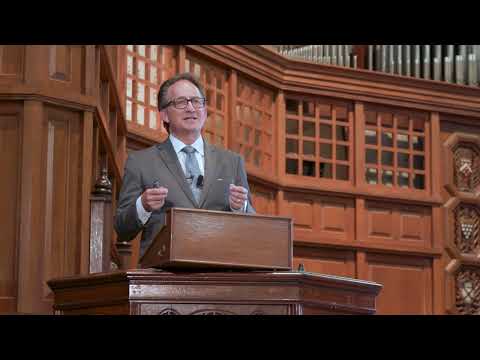
The Founding of Yale College - Purposes of College Education, Lecture 5
0
林宜悉 posted on 2026/10/06Ever wonder how a small group of ministers turned a humble collegiate school into the prestigious Yale University? This lecture dives into the fascinating history of 18th-century Connecticut, offering you a great chance to pick up academic vocabulary related to institutional history and the evolution of the liberal arts.
Learn this video on the APP!
The VoiceTube App has more in-depth practice for videos!