
absolutely
US /ˈæbsəˌlutli, ˌæbsəˈlutli/
UK /ˈæbsəlu:tli/
- Adverb
- Completely; totally; very
- Considered independently and without relation to other things; viewed abstractly; as, quantity absolutely considered.
A2Moreaccurate
US /ˈækjərɪt/
UK /ˈækjərət/
- Adjective
- With no mistake or error; Correct
A2Moreall the things
US
UK
- Pronoun
- Everything; all items or aspects
- Determiner
- Every item or object being considered or discussed.
A1Moreanswer to
US
UK
- Phrasal Verb
- To be responsible to someone and have to explain your actions to them.
- To correspond to or match a description or requirement.
A1Morearc
US /ɑrk/
UK /ɑ:k/
- Noun
- Smoothly curving line or movement
- Intransitive Verb
- To bend in a smooth curve
B2Moreat a time
US /æt e taɪm/
UK /æt ə taim/
- Phrase
- Separately; one by one
- Simultaneously; together
A1Moreat heart
US /æt hɑrt/
UK /æt hɑ:t/
- Phrase
- In one's real or essential nature; fundamentally.
A1Moreat least
US /æt list/
UK /æt li:st/
- Adverb
- As a minimum
- Not less than
- Phrase
- No less than; at the minimum
- Used to indicate that something is positive in a bad situation.
C2Moreaudacious
US /ɔˈdeʃəs/
UK /ɔ:ˈdeɪʃəs/
- Adjective
- Fearless, brave and daring
C1TOEICMoreback out
US /bæk aʊt/
UK /bæk aut/
- Phrasal Verb
- To say you will now not do something you promised
A1Morebad idea
US
UK
- Phrase
- An unwise or imprudent course of action.
A2Morebased on
US
UK
- Phrasal Verb
- To use something as the foundation or starting point for something else.
- Preposition
- Using something as the main idea or foundation.
- Relying on something as evidence or justification.
A1Morebasically
US /ˈbesɪkəli,-kli/
UK /ˈbeɪsɪkli/
- Adverb
- Used before you explain something simply, clearly
- In essence; when you consider the most important aspects of something.
A2Morebehind the scenes
US
UK
- Phrase
- Secretly or without being known to the public.
- In a position to influence events without any public knowledge.
A1Morebiological
US /ˌbaɪəˈlɑdʒɪkəl/
UK /ˌbaɪəˈlɒdʒɪkl/
- Adjective
- Being related to life and living things
- A substance, such as a detergent, that contains enzymes.
B1Morecombination
US /ˌkɑmbəˈneʃən/
UK /ˌkɒmbɪ'neɪʃn/
- Noun
- Series of letters or numbers needed to open a lock
- Act or result of mixing things together
B1Morecome along
US /kʌm əˈlɔŋ/
UK /kʌm əˈlɔŋ/
- Phrasal Verb
- To go with someone who takes the lead
- To make progress toward a goal
A1Morecome together
US /kʌm təˈɡɛðɚ/
UK /kʌm təˈɡeðə/
- Phrasal Verb
- To assemble or unite; to start working together.
- To form a close relationship or bond.
A1Morecommunity
US /kəˈmjunɪti/
UK /kə'mju:nətɪ/
- Noun (Countable/Uncountable)
- Group of people who share a common idea or area
- A feeling of fellowship with others, as a result of sharing common attitudes, interests, and goals.
- Adjective
- Relating to or shared by the people in a particular area.
- Shared or participated in by all members of a group
A2Morecompetition
US /ˌkɑmpɪˈtɪʃən/
UK /ˌkɒmpəˈtɪʃn/
- Noun (Countable/Uncountable)
- Fighting against others to win something
- A situation in which people or organizations compete with each other for something that not everyone can have.
A2Morecomplex
US /kəmˈplɛks, ˈkɑmˌplɛks/
UK /'kɒmpleks/
- Countable Noun
- Group of buildings all used for the same purpose
- Adjective
- Not being simple; having many parts or aspects
A2Moredatum
US /ˈdetəm, ˈdætəm, ˈdɑtəm/
UK /ˈdeɪtəm/
- Noun
- Item of factual information
B1Moredisease
US /dɪˈziz/
UK /dɪˈzi:z/
- Noun (Countable/Uncountable)
- Illness that affects a person, animal, or plant
- A disorder of structure or function in a plant, especially one caused by a pathogen.
- Transitive Verb
- To affect with disease; to corrupt or sicken.
A2TOEICMoredynamic
US /daiˈnæmik/
UK /daɪˈnæmɪk/
- Adjective
- Always active or energetic; getting things done
B1TOEICMoreessentially
US /ɪˈsenʃəli/
UK /ɪˈsenʃəli/
- Adverb
- Basically; (said when stating the basic facts)
- Used to emphasize the basic truth or fact of a situation.
A2Morefollow along
US /ˈfɑlo əˈlɔŋ/
UK /ˈfɔləu əˈlɔŋ/
- Phrasal Verb
- To agree to do or act the same as others
A1Morefor example
US
UK
- Phrase
- As an illustration or instance.
gene
US /dʒin/
UK /dʒi:n/
- Noun
- Part of cell controlling development of a thing
B1Moreget behind
US /ɡɛt bɪˈhaɪnd/
UK /ɡet biˈhaind/
- Phrasal Verb
- To support or encourage.
- To fail to make enough progress or to do something by a particular time.
going on
US /ˈɡoɪŋ ɑn/
UK /ˈgəʊɪŋ ɔn/
- Phrasal Verb
- To continue doing something
- To happen (usually negative)
A1Morehard to say
US
UK
- Phrase
- Difficult to know or predict; uncertain.
A1Morehave to
US /hæv tu/
UK /ˈhæv tə/
- Auxiliary Verb
- Must do
A1Morehungry
US /ˈhʌŋɡri/
UK /ˈhʌŋgri/
- Adjective
- Feeling a need or want to eat food
- Feeling a need or want to eat food
B2Morehypothesis
US /haɪˈpɑθɪsɪs/
UK /haɪˈpɒθəsɪs/
- Noun
- A theory trying to explain something
- A supposition or proposed explanation made on the basis of limited evidence as a starting point for further investigation.
B1Morein mind
US /ɪn maɪnd/
UK /in maind/
- Phrase
- Being aware of or considering something.
- To remember or consider something.
A2Morein principle
US /ɪn ˈprɪnsəpəl/
UK /in ˈprinsəpl/
- Phrase
- In theory; as a general idea, though not yet in practice or detail.
C1Morein theory
US /ɪn ˈθiəri/
UK /in ˈθiəri/
- Adverb
- According to the stated ideas or principles
- Phrase
- According to the theoretical possibilities rather than actual practice.
B2Moreinteract with
US /ˌɪntɚˈækt wɪð/
UK /ˌɪntərˈækt wið/
- Phrase
- Verb (Transitive/Intransitive)
- To engage in communication or action involving mutual or reciprocal influence.
- To use a computer interface to achieve a specific goal.
A2Morelab
US /læb/
UK /læb/
- Noun (Countable/Uncountable)
- Short for 'laboratory'
B1Morelook at
US /lʊk æt/
UK /luk æt/
- Phrasal Verb
- To use your eyes to focus on something
- To focus your eyes on something carefully
A1Moreof course
US /ʌv kɔː(r)s/
UK /ɔv kɔː(r)s/
- Adverb
- Sure ; Certainly
- Phrase
- For sure; certainly
A2Moreof late
US
UK
- Phrase
- Recently; lately.
A1Moreon to
US /ɑn tu/
UK /ɔn tu:/
- Preposition
- Toward something; forward
- Aware of someone's activities.
- Adjective
- Aware of someone's deception or illegal activities.
A1Moreout there
US /aʊt ðɛr/
UK /aut ðɛə/
- Adverb
- In or to a place that is far away
- Existing in the universe
- Adjective
- Unconventional; strange; avant-garde
- Existing or available.
A1Moreprecise
US /prɪˈsaɪs/
UK /prɪ'saɪs/
- Adjective
- (Of language details etc.) Very accurate and exact
- (Of a time, place, quality) exact
A2TOEICMorepredict
US /prɪˈdɪkt/
UK /prɪ'dɪkt/
- Transitive Verb
- To guess or estimate what will or might happen
A2TOEICMoreprinciple
US /ˈprɪnsəpəl/
UK /ˈprɪnsəpl/
- Noun (Countable/Uncountable)
- Moral rule or belief governing a person's behavior
- Natural law that explains how things work
A2TOEICMoreprocess
US /ˈprɑsˌɛs, ˈproˌsɛs/
UK /prə'ses/
- Transitive Verb
- To organize and use data in a computer
- To deal with official forms in the way required
- Noun (Countable/Uncountable)
- Dealing with official forms in the way required
- Set of changes that occur slowly and naturally
A2TOEICMorereflect
US /rɪˈflɛkt/
UK /rɪ'flekt/
- Verb (Transitive/Intransitive)
- To indicate or be a sign of something
- To bounce back light, heat, sound from a surface
A2TOEICMoresavannah
US /sə'vænə/
UK /sə'vænə/
- Noun (Countable/Uncountable)
- Flat grassland of tropical or subtropical regions
- A city in Georgia, USA, known for its history and architecture.
C1Moreshift
US /ʃɪft/
UK /ʃɪft/
- Verb (Transitive/Intransitive)
- To change in position or direction
- To move something from one place to another
- Noun (Countable/Uncountable)
- A change in a persons plans, opinions or beliefs
- Period of work starting at a certain time
A2Moretackle
US /ˈtækəl/
UK /'tækl/
- Transitive Verb
- To start working on a difficult problem
- To grab and throw a person to the ground
- Noun (Countable/Uncountable)
- Equipment used in fishing
- Arrangement of ropes and wheels used for lifting
B1TOEICMoretalking about
US
UK
- Phrasal Verb
- To discuss a particular topic.
- To be constantly mentioning or bringing up a subject.
A1Moreto do with
US
UK
- Phrasal Verb
- To be about something; concern
A1Moreto let
US /tu lɛt/
UK /tu let/
- Preposition
- Indicates that a property is available for rent.
A2Moreultimately
US /ˈʌltəmɪtli/
UK /ˈʌltɪmətli/
- Adverb
- Done or considered as the final and most important
- Fundamentally; at the most basic level.
B1TOEICMoreunique
US /juˈnik/
UK /jʊ'ni:k/
- Adjective
- Unlike other things; being the only one like it
- Remarkably special or unusual.
A2TOEICMoreup and running
US /ʌp ənd ˈrʌnɪŋ/
UK /ʌp ænd ˈrʌnɪŋ/
- Adjective
- Fully operational; functioning correctly.
- Active and operating successfully.
A1Moreused to
US /juzd tu/
UK /ˈju:st tə/
- Adjective
- Did regularly before, but don't do now
- Auxiliary Verb
- Have done before, but do not do now
A1Morevirtual
US /ˈvɚtʃuəl/
UK /ˈvɜ:tʃuəl/
- Adjective
- Existing only on the internet or on a computer
- Existing only in a digital world
B1TOEICMorevirus
US /ˈvaɪrəs/
UK /'vaɪrəs/
- Noun
- File secretly put on computers to cause harm
- Living organism that causes disease or sickness
B1Moreway to go
US /we tu ɡo/
UK /wei tu: ɡəu/
- Interjection
- An expression of encouragement or approval.
- An expression of sarcasm after someone has made a mistake.
A1Morewhole point
US
UK
- Phrase
- The main purpose or most important aspect of something.
- The primary reason or objective.
A2Morewith it
US /wɪð ɪt/
UK /wið it/
- Adjective
- Intelligent, alert, and up-to-date.
- Understanding and knowledgeable about current trends or information.
A1Morework in
US /wɚk ɪn/
UK /wə:k in/
- Phrasal Verb
- To make an opening for something in your schedule
- To fit person/thing into a schedule or sequence
A1Morework on
US /wɚk ɑn/
UK /wə:k ɔn/
- Phrasal Verb
- To devote effort to improve or develop something
- To try to persuade or influence someone.
A1Morework out
US /wɚk aʊt/
UK /wə:k aut/
- Phrasal Verb
- To find a way to do something, by thinking
A1More
Vocabulary
- at a time: Separately; one by one
- have to: Must do
- with it: Intelligent, alert, and up-to-date.
- talking about: To discuss a particular topic.
- for example: As an illustration or instance.
- at least: As a minimum
- whole point: The main purpose or most important aspect of something.
- to do with: To be about something; concern
- to let: Indicates that a property is available for rent.
- on to: Toward something; forward
- work on: To devote effort to improve or develop something
- behind the scenes: Secretly or without being known to the public.
- of late: Recently; lately.
- come together: To assemble or unite; to start working together.
- look at: To use your eyes to focus on something
- going on: To continue doing something
- of course: Sure ; Certainly
- used to: Did regularly before, but don't do now
- based on: To use something as the foundation or starting point for something else.
- hard to say: Difficult to know or predict; uncertain.
- back out: To say you will now not do something you promised
- work out
- out there: In or to a place that is far away
- answer to: To be responsible to someone and have to explain your actions to them.
- way to go: An expression of encouragement or approval.
- follow along: To agree to do or act the same as others
- interact with
- work in: To make an opening for something in your schedule
- at heart: In one's real or essential nature; fundamentally.
- in mind: Being aware of or considering something.
- in theory: According to the stated ideas or principles
- bad idea: An unwise or imprudent course of action.
- come along: To go with someone who takes the lead
- in principle: In theory; as a general idea, though not yet in practice or detail.
- up and running: Fully operational; functioning correctly.
- get behind: To support or encourage.
- all the things: Everything; all items or aspects
- ultimately: Done or considered as the final and most important
- essentially: Basically; (said when stating the basic facts)
- absolutely: Completely; totally; very
- process: To organize and use data in a computer
- basically: Used before you explain something simply, clearly
- tackle: To start working on a difficult problem
- accurate: With no mistake or error; Correct
- sense: Certain mental feeling or emotion
- community: Group of people who share a common idea or area
- combination: Series of letters or numbers needed to open a lock
- dynamic: Always active or energetic; getting things done
- disease: Illness that affects a person, animal, or plant
- complex: Group of buildings all used for the same purpose
- unique: Unlike other things; being the only one like it
- measure: Plan to achieve a desired result
- precise: (Of language details etc.) Very accurate and exact
- reflect: To indicate or be a sign of something
- shift: To change in position or direction
- field: Area of study, such as physics or biology
- brain: To strike someone forcefully on the head
- predict: To guess or estimate what will or might happen
- hypothesis: A theory trying to explain something
- competition: Fighting against others to win something
- state: Region within a country, with its own government
- virtual: Existing only on the internet or on a computer
- principle: Moral rule or belief governing a person's behavior
- pretty: Being attractive to the eye in a simple way
- guess: To give an answer without knowing if it is correct
- risk: To do something potentially dangerous or foolish
- totally: In a complete way; completely; absolutely
- lot: What happens to a person in life from chance; fate
- biological: Being related to life and living things
- single: One run in cricket or a hit baseball
- kind: In a caring and helpful manner
- learn: To get knowledge or skills by study or experience
- build: Your physical shape; physique
- language: Words or signs used to communicate messages
- virus: File secretly put on computers to cause harm
- audacious: Fearless, brave and daring
- gene: Part of cell controlling development of a thing
- datum: Item of factual information
- lab: Short for 'laboratory'
- arc: Smoothly curving line or movement
- hungry: Feeling a need or want to eat food
- savannah: Flat grassland of tropical or subtropical regions
Get the full experience in the app
Learn anywhere with detailed sentence and usage analysis
01:03
She took a brave step forward, leaving behind her comfort zone to chase her dreams.
Vocabulary
- brave
adj. Having courage
- comfort zone
phr. A familiar situation where one feels safe
Explanation
a brave step is a noun phrase, where brave is an adjective modifying the noun step, meaning "a courageous step".
forward is an adverb modifying step, meaning "ahead".
The whole phrase serves as the object, answering the "what" of took (verb) — she took a brave step forward.
Get the full experience in the app
Look up words anytime with pronunciation, part of speech, and usage
brave
US/brev/
UK/breɪv/
adj.Brave
v.t.To bravely face
A2 Elementary
Get the full experience in the app
Practice speaking anytime and get instant pronunciation feedback
Try this speaking exercise.
Try practicing with this sentence.
80
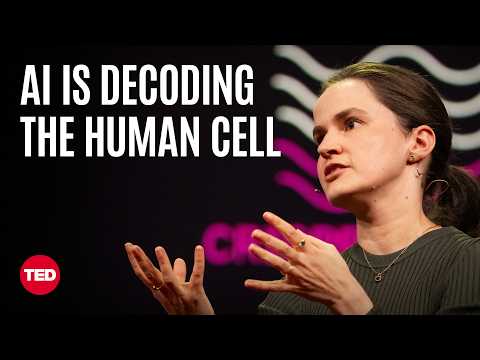
The Human Cell Is Wildly Complex. Can AI Decode It? | Silvana Konermann | TED
0
Ting posted on 2026/09/24Ever wonder how AI could help us understand complex diseases like Alzheimer's? This fascinating TED talk explores how cutting-edge tech like single-cell sequencing and CRISPR, combined with AI, is revolutionizing our approach to biology. You'll discover how scientists are learning to 'read' the language of our cells to tackle some of medicine's biggest challenges!
Learn this video on the APP!
The VoiceTube App has more in-depth practice for videos!