
account for
US /əˈkaʊnt fɔr/
UK /əˈkaunt fɔ:/
- Phrasal Verb
- To explain the cause or reason for something
- To form a particular amount or part of something.
- Verb (Transitive/Intransitive)
- To supply a reason or explanation for something.
- To form a particular amount or proportion of something.
A1Moreagainst you
US
UK
- Preposition
- In opposition to you.
- Expressing disagreement or disapproval of you.
A2Morealmost all of
US
UK
- Determiner
- Nearly the entire quantity or number of something.
- Pronoun
- Nearly every person in a group.
A1Morearound the corner
US /əˈraʊnd ði ˈkɔrnɚ/
UK /əˈraund ðə ˈkɔ:nə/
- Phrase
- Very near; close by.
- About to happen; approaching soon.
A1Moreasset
US /ˈæsˌɛt/
UK /'æset/
- Noun (Countable/Uncountable)
- Thing that has value to you
A2TOEICMoreat a time
US /æt e taɪm/
UK /æt ə taim/
- Phrase
- Separately; one by one
- Simultaneously; together
A1Moreat last
US /æt læst/
UK /æt lɑ:st/
- Adverb
- Finally; after a long delay.
B1Moreat least
US /æt list/
UK /æt li:st/
- Adverb
- As a minimum
- Not less than
- Phrase
- No less than; at the minimum
- Used to indicate that something is positive in a bad situation.
C2Moreat length
US /æt lɛŋkθ/
UK /æt leŋθ/
- Adverb
- In detail; fully
- Phrase
- After a long time; eventually
A1Moreat once
US /æt wʌns/
UK /æt wʌns/
- Adverb
- Immediately; without delay
- At the same time; simultaneously
A2Moreat the same time
US
UK
- Phrase
- Simultaneously; at the identical moment.
- Nevertheless; however; used to introduce a contrasting or qualifying statement.
A1Moreback into
US /bæk ˈɪntu/
UK /bæk ˈɪntuː/
- Phrasal Verb
- To drive a vehicle backwards into a space or area.
- To accidentally collide with something while moving backwards.
A1Moreback out
US /bæk aʊt/
UK /bæk aut/
- Phrasal Verb
- To say you will now not do something you promised
A1Moreblock
US /blɑk/
UK /blɒk/
- Noun (Countable/Uncountable)
- Solid piece of material used for building
- A piece of wood, chocolate etc.
- Transitive Verb
- To stop from going forward or making progress
- To obstruct or prevent the movement or passage of.
A2Morebook on
US
UK
- Noun
- A book about a particular subject.
- Verb (Transitive/Intransitive)
- To place a bet on something.
A1Morebuy time
US /ˈbaɪ taɪm/
UK /ˈbaɪ taɪm/
- other
- To delay an action to allow more time for preparation.
B2Moreby day
US /baɪ de/
UK /bai dei/
- Phrase
- During the daytime; not at night.
A2Moreby hand
US /baɪ hænd/
UK /bai hænd/
- Phrase
- Done manually; not by machine.
- Delivered personally; not by mail or electronically.
A1Moreby itself
US /baɪ ɪtˈsɛlf/
UK /bai itˈself/
- Adverb
- Alone; without help or assistance.
- Without any external influence or aid.
A2Morecalendar
US /ˈkæləndɚ/
UK /ˈkælɪndə(r)/
- Noun (Countable/Uncountable)
- A table showing the days, months and years
- A system for organizing days, weeks, months, and years.
B1Morecash flow
US
UK
- Phrase
A2Morecatch up
US /kætʃ ʌp/
UK /kætʃ ʌp/
- Phrasal Verb
- To become equal with another person
- To inform others of the latest news
- Verb (Transitive/Intransitive)
- To do something that you have not been able to do recently.
- To meet someone you know in order to talk to them and find out what they have been doing.
A1Morechip
US /tʃɪp/
UK /tʃɪp/
- Transitive Verb
- To break a small piece off something such as a cup
- To break into small pieces, often with a tool
- Noun (Countable/Uncountable)
- Small piece that has broken off (e.g. from cup)
- Piece of computer hardware that does calculations
B1Morechip away
US /tʃɪp əˈwe/
UK /tʃip əˈwei/
- Phrasal Verb
- To gradually make something weaker or smaller.
- To remove small pieces of something by hitting it with a tool.
A2Moreclient
US /ˈklaɪənt/
UK /'klaɪənt/
- Countable Noun
- Person paying for professional services
A2Morecome back
US /kʌm bæk/
UK /kʌm bæk/
- Phrasal Verb
- To reply to someone, often forcefully
- To be remembered
A1Morecount
US /kaʊnt/
UK /kaʊnt/
- Verb (Transitive/Intransitive)
- To add things together to find the total number
- To matter or be important
- Countable Noun
- Number of things added together, e.g. votes
- With the number of crimes, knockouts, as stated
A2Moredeal with
US /dil wɪð/
UK /di:l wið/
- Verb (Transitive/Intransitive)
- To buy or sell goods or services.
- Phrasal Verb
- To take action to solve a problem or manage a situation.
- To be about; concern.
A1Moredecide
US /dɪˈsaɪd/
UK /dɪ'saɪd/
- Verb (Transitive/Intransitive)
- To make a choice or choose after thinking about it
- To make a legal judgment in court
A2TOEICMoredo your best
US
UK
- Verb (Transitive/Intransitive)
- To try as hard as you can; put in maximum effort.
A1Moredown the road
US
UK
- Phrase
- At a future time; in the future.
- Along the street; a short distance away.
A1Moreentire
US /ɛnˈtaɪr/
UK /ɪn'taɪə(r)/
- Adjective
- Complete or full; with no part left out; whole
- Undivided; not shared or distributed.
A2TOEICMoreextra
US /'ekstrə/
UK /'ekstrə/
- Adjective
- More than necessary; additional
- Of especially good quality or grade.
- Noun (Countable/Uncountable)
- Items more than you need; additional items
- Person who has a small part in a movie
A2Morefit into
US /fɪt ˈɪntu/
UK /fit ˈɪntuː/
- Phrasal Verb
- To be small enough to go inside something.
- To feel like you belong to a group.
A2Moreflip through
US /flɪp θru/
UK /flip θru:/
- Verb (Transitive/Intransitive)
- To look quickly through a book or magazine.
- Phrasal Verb
- To look quickly through a book, magazine, etc., without reading everything.
A2Morefocus
US /ˈfokəs/
UK /'fəʊkəs/
- Verb (Transitive/Intransitive)
- To see clearly by adjusting your eyes or a camera
- To keep your attention, concentration on one thing
- Noun (Countable/Uncountable)
- Main purpose or center of interest or activity
- The clarity of an image produced by a lens.
A2TOEICMorefor the rest
US /fɔr ði rɛst/
UK /fɔ: ðə rest/
- Phrase
- Concerning the remaining people or things.
- During the remaining part of a period of time.
A1Morefriends of friends
US
UK
- Phrase
- People who are known by one's friends but not directly by oneself; acquaintances.
- Individuals connected through a network of mutual friendships.
A1Moreget at
US /ɡɛt æt/
UK /ɡet æt/
- Phrasal Verb
- To criticize someone, often personally
- To imply something; hint at
A1Moreget back to
US /ɡɛt bæk tu/
UK /ɡet bæk tu:/
- Phrasal Verb
- To get in contact with someone again
- To return to someone or something; to respond at a later time.
A1Moreget out of
US /ɡɛt aʊt ʌv/
UK /ɡet aut ɔv/
- Phrasal Verb
- To leave or escape responsibilities, troubles
- To leave a small, enclosed vehicle
A1Moreget through
US /ɡɛt θru/
UK /ɡet θru:/
- Phrasal Verb
- To arrive at the end of or finish something
- To succeed in contacting someone by phone
A1Morego around
US /ɡo əˈraʊnd/
UK /ɡəu əˈraund/
- Phrasal Verb
- (Of news, gossip) to be known; circulate
- To go here and there, from place to place; wander
A1Morego back to
US /ɡo bæk tu/
UK /ɡəu bæk tu:/
- Phrasal Verb
- To return to a starting point
A1Moregot to
US /ɡɑt tu/
UK /gɔt tu:/
- Verb (Transitive/Intransitive)
- To arrive at some place
- To have the opportunity or permission to do something
- Phrasal Verb
- To appeal to the emotions of; move
- To finally begin to start something after a delay
A1Morehave to
US /hæv tu/
UK /ˈhæv tə/
- Auxiliary Verb
- Must do
A1Morehell yeah
US
UK
- Interjection
- An enthusiastic expression of agreement or approval.
- Phrase
- Used to strongly affirm a statement.
hide behind
US /haɪd bɪˈhaɪnd/
UK /haɪd bɪˈhaɪnd/
- other
- To avoid responsibility or truth by using something as an excuse.
- To put oneself out of sight by staying at the back of something.
B1Morehold onto
US /hold ˈɑnˌtu/
UK /həuld ˈɔntu/
- Phrasal Verb
- To grasp or grip something tightly.
- To keep or retain possession of something.
A1Morein a row
US /ɪn e ro/
UK /in ə rəu/
- Phrase
- One after another without a break.
- Arranged in a straight line.
- Idiom
- To have an argument.
A1Morein half
US /ɪn hæf/
UK /in hɑ:f/
- Adverb
- Divided into two equal parts.
- Partially; to some extent.
A1Morein on
US
UK
- Phrase
- To be involved in a secret or plan.
- To be aware of something that is secret or not generally known.
A1Morein public
US /ɪn ˈpʌblɪk/
UK /in ˈpʌblik/
- Phrase
- In a place where anyone can see or hear you.
- Adjective
- Relating to the government or the people as a whole.
B1Morein step
US
UK
- Phrase
- Moving or progressing at the same rate or in harmony.
- With each foot movement synchronized.
- Adjective
- In agreement or conformity with current trends or ideas.
A1Morein terms of
US
UK
- Phrase
- With regard to; concerning a particular aspect.
A1Morein the first place
US
UK
- Phrase
- To begin with; as the first point or consideration.
- From the beginning; initially.
A1Morein the middle of
US
UK
- Phrase
- In the central part or point of something.
- Engaged or occupied with something.
A2Morein time
US /ɪn taɪm/
UK /in taim/
- Adverb
- Eventually; after a period of time.
- Not late; with enough time to spare.
- Phrase
- Eventually; before it is too late.
- According to the scheduled time; punctual.
A1Morein with
US /ɪn wɪð/
UK /in wið/
- Phrase
- Fashionable or popular at the moment.
- Having influence or favor with someone.
- Phrasal Verb
- To introduce or bring something new into a system or organization.
A1Morein writing
US
UK
- Phrase
- Expressed or presented in written form, rather than spoken.
- Officially recorded in a written document, especially for legal purposes.
A1Moreinstead of
US /ɪnˈstɛd ʌv/
UK /inˈsted ɔv/
- Preposition
- When one thing is replaced by another
- Adverb
- As a substitute or alternative.
A1Morelead to
US /lid tu/
UK /li:d tu:/
- Phrasal Verb
- To result in some action
- Verb (Transitive/Intransitive)
- To have something as a consequence or result.
A1Morelike a man
US /laɪk ə mæn/
UK /laɪk ə mæn/
- other
- To act bravely or responsibly.
A2Morelive off
US /liv ɔf/
UK /liv ɔf/
- Phrasal Verb
- To receive money from someone on which to live
- To eat only a particular type of food
A2Morelock in
US
UK
- Phrasal Verb
- To secure something, such as a price or deal, for a specific period.
- To confine someone or something in a place by locking the door.
A1Morelook at
US /lʊk æt/
UK /luk æt/
- Phrasal Verb
- To use your eyes to focus on something
- To focus your eyes on something carefully
A1Moremodel
US /ˈmɑ:dl/
UK /ˈmɒdl/
- Adjective
- Being an excellent example of
- Countable Noun
- Person who wears fashion to show it to the public
- A small scale copy of a full original
A2Moremove on
US /muv ɑn/
UK /mu:v ɔn/
- Phrasal Verb
- To decide to change or go to a different place
- To start talking about something different.
A1Morenext to
US /nɛkst tu/
UK /nekst tu:/
- Preposition
- Being located along side another
- In comparison with
- Adverb
- Almost; nearly
A1Moreof a kind
US /ʌv e kaɪnd/
UK /ɔv ə kaind/
- Adjective
- Unique; not like anything else
- Phrase
- Sharing similar characteristics or qualities; alike
A1Moreon call
US
UK
- Adjective
- Available to be summoned for duty, especially in emergencies.
- Adverb
- In a state of readiness to respond to calls for service or assistance.
A2Moreon camera
US /ɑn ˈkæmərə/
UK /ɔn ˈkæmərə/
- Adverb
- While being filmed or recorded.
- Adjective
- Having qualities that make one appear good or effective when filmed.
A1Moreon earth
US /ɑn ɚθ/
UK /ɔn ə:θ/
- Phrase
- Used to emphasize a question expressing surprise or anger.
- Used to emphasize that something is not possible or will not happen.
A1Moreon paper
US /ɑn ˈpeɪpər/
UK /ɔn ˈpeipə/
- Phrase
- In theory or as a plan, but not necessarily in reality.
- Recorded in writing; documented.
A1Moreon purpose
US /ɑn ˈpɚpəs/
UK /ɔn ˈpə:pəs/
- Idiom
- Intentionally; deliberately.
- Phrase
- Intentionally; deliberately.
A1Moreon task
US
UK
- Adjective
- Focused and engaged in the activity or assignment at hand.
- Phrase
- Continuing to focus on the current task or objective.
- Attentive and dedicated to completing the current task.
A1Moreon the internet
US
UK
- Phrase
- Located or available on the internet.
- Using the internet as a medium or platform.
A1Moreon the spot
US /ɑn ði spɑt/
UK /ɔn ðə spɔt/
- Phrase
- Immediately; at that location.
- Present and ready for action or responsibility.
A1Moreon the table
US /ɑn ði ˈtebəl/
UK /ɔn ðə ˈteibl/
- Phrase
- Located on the surface of a table.
- Available for consideration or discussion.
A1Moreon time
US /ɑn taɪm/
UK /ɔn taim/
- Phrase
- Adjective
- Arriving at or done by the required time
- Meeting a deadline; punctual in fulfilling obligations.
A1Moreon to
US /ɑn tu/
UK /ɔn tu:/
- Preposition
- Toward something; forward
- Aware of someone's activities.
- Adjective
- Aware of someone's deception or illegal activities.
A1Moreout of control
US /aʊt ʌv kənˈtrol/
UK /aut ɔv kənˈtrəul/
- Adjective
- Impossible to manage or control.
- Not able to be directed or steered.
A1Moreout of time
US /aʊt ʌv taɪm/
UK /aut ɔv taim/
- Adjective
- Having no more time available to do something.
A1Moreoutside of
US /aʊtˈsaɪd ʌv/
UK /ˌautˈsaid ɔv/
- Preposition
- Located or situated beyond the boundaries or confines of something.
- Beyond the scope, range, or limits of something.
A1Moreover your head
US
UK
- Adjective
- Too difficult to understand.
- Adverb
- Without consulting or informing someone who should have been involved.
A1Morepolicy
US /ˈpɑlɪsi/
UK /'pɒləsɪ/
- Noun
- Document stating terms of an insurance agreement
- Course of action proposed by an organization, etc.
A2TOEICMorepop up
US /pɑp ʌp/
UK /pɔp ʌp/
- Intransitive Verb
- To appear suddenly.
- Phrasal Verb
- To appear suddenly and unexpectedly.
- To appear on a computer screen.
A1Moreput out
US /pʊt aʊt/
UK /put aut/
- Phrasal Verb
- To publish, e.g. a book
- To cause someone to be troubled or inconvenienced
A1Morerather than
US
UK
- Adverb
- More exactly; more correctly
- Preferably; instead
- Preposition
- Instead of
A1Morerent out
US /rɛnt aʊt/
UK /rent aut/
- Phrasal Verb
- To allow someone to use something that you own in return for money.
A2Moreroof over
US
UK
- Noun
- A place to live; shelter or housing.
- Transitive Verb
- To provide with housing or shelter.
A2Morerule
US /ruːl/
UK /ruːl/
- Noun (Countable/Uncountable)
- Something that is normal and usually happens
- Governmental control or power over a region
- Verb (Transitive/Intransitive)
- To decide legally, especially in court
- To have control or influence
A2TOEICMorerun on
US /rʌn ɑn/
UK /rʌn ɔn/
- Phrasal Verb
- To continue longer than expected, e.g. a meeting
- To talk without stopping, often on the same topic
- Intransitive Verb
- To continue without a break or clear separation, especially in writing.
A1Moresame time
US
UK
- Phrase
- Occurring simultaneously or at the same point in time.
- At the identical time as before; recurring at a fixed hour.
- Noun
- An equal duration or period.
A1Moresave for
US
UK
- Phrasal Verb
- To keep money so that you can buy something with it in the future.
A2Moresee in
US /si ɪn/
UK /si: in/
- Phrasal Verb
- To accompany someone to the entrance of a building or room.
A1Moreset up
US /sɛt ʌp/
UK /set ʌp/
- Phrasal Verb
- To make arrangements for something; establish
- Verb (Transitive/Intransitive)
- To arrange or prepare something for use.
- To start a business, organization, etc.
A1Moreshow up
US /ʃo ʌp/
UK /ʃəu ʌp/
- Phrasal Verb
- To arrive or be seen at a place, e.g. a party
- To be noticeably better than (someone else)
A1Moresit down
US /sit daʊn/
UK /sit daun/
- Phrasal Verb
- To take a seat
A1Morespeed up
US /spid ʌp/
UK /spi:d ʌp/
- Phrasal Verb
- To move more quickly
A2Morespend
US /spɛnd/
UK /spend/
- Transitive Verb
- To use money to pay for something
- To use time in order to do something
A2TOEICMorespend money
US /spɛnd ˈmʌni/
UK /spend ˈmʌni/
- Phrase
- To use money to buy or pay for something.
A1Morestick with
US /stɪk wɪð/
UK /stik wið/
- Phrasal Verb
- To continue to support or stay loyal to someone or something.
- To continue doing or using something; to persevere.
A1Moretake off
US /tek ɔf/
UK /teik ɔf/
- Phrasal Verb
- To remove, e.g. your clothes
- To make arrangements to be absent from work
- Verb (Transitive/Intransitive)
- To remove (an item of clothing).
- To depart; to leave.
A1Moretake out
US /tek aʊt/
UK /teik aut/
- Phrasal Verb
- To apply for and get a license
- To take someone on a date
- Uncountable Noun
- Food purchased at a restaurant to eat elsewhere.
A1Moretake with
US
UK
- Phrasal Verb
- To bring something or someone along when you go somewhere.
- Verb (Transitive/Intransitive)
- To accept or endure something, especially something unpleasant, as a necessary part of an experience.
A1Moretask
US /tæsk/
UK /tɑ:sk/
- Noun (Countable/Uncountable)
- Big or small piece of work someone has to do
- Transitive Verb
- To be given something to do, e.g. wash dishes
A2TOEICMoretell apart
US /tɛl əˈpɑrt/
UK /tel əˈpɑ:t/
- Phrasal Verb
- To be able to see the difference between two things or people that are very similar.
B1Morethink about
US /θɪŋk əˈbaʊt/
UK /θiŋk əˈbaut/
- Phrasal Verb
- To consider something carefully.
- To remember or call to mind.
A1Morethird one
US
UK
- Pronoun
- The item that is in the third position in a sequence.
- Noun
- The third option or choice from a set of possibilities.
A1Moreto do with
US
UK
- Phrasal Verb
- To be about something; concern
A1Moreto hand
US
UK
- Transitive Verb
- To give or pass something to someone using your hand.
- To offer assistance or help.
A1Moreturn down
US /tɚn daʊn/
UK /tə:n daun/
- Phrasal Verb
- To fold something, e.g. a shirt collar
- To refuse something someone offers you
A1Moreup against
US /ʌp əˈɡenst/
UK /ʌp əˈɡenst/
- Phrase
- Facing or contending with something difficult or challenging.
- In close proximity or contact with something.
used to
US /juzd tu/
UK /ˈju:st tə/
- Adjective
- Did regularly before, but don't do now
- Auxiliary Verb
- Have done before, but do not do now
A1Morevideo
US /ˈvɪdiˌo/
UK /'vɪdɪəʊ/
- Noun (Countable/Uncountable)
- Recording capturing action with sound
- A recording of moving visual images made digitally or on videotape.
- Transitive Verb
- To make a moving film of, with sound
- To make a video call.
A2Morewake up
US /wek ʌp/
UK /weik ʌp/
- Phrasal Verb
- To stop sleeping
- To become fully aware and alert to a situation.
A1Morewhole point
US
UK
- Phrase
- The main purpose or most important aspect of something.
- The primary reason or objective.
A2Morewith it
US /wɪð ɪt/
UK /wið it/
- Adjective
- Intelligent, alert, and up-to-date.
- Understanding and knowledgeable about current trends or information.
A1Morework in
US /wɚk ɪn/
UK /wə:k in/
- Phrasal Verb
- To make an opening for something in your schedule
- To fit person/thing into a schedule or sequence
A1Morework out
US /wɚk aʊt/
UK /wə:k aut/
- Phrasal Verb
- To find a way to do something, by thinking
A1Moreworth
US /wɚθ/
UK /wɜ:θ/
- Noun (Countable/Uncountable)
- the financial, practical or moral value of somebody/something
- having a particular value, especially in money
- Adjective
- Having a specified value.
A2Morewrite down
US /raɪt daʊn/
UK /rait daun/
- Phrasal Verb
- To record in writing
A1More
Vocabulary
- have to: Must do
- instead of: When one thing is replaced by another
- look at: To use your eyes to focus on something
- with it: Intelligent, alert, and up-to-date.
- hell yeah: An enthusiastic expression of agreement or approval.
- used to: Did regularly before, but don't do now
- next to: Being located along side another
- get at: To criticize someone, often personally
- show up: To arrive or be seen at a place, e.g. a party
- on purpose: Intentionally; deliberately.
- back into: To drive a vehicle backwards into a space or area.
- think about: To consider something carefully.
- back out: To say you will now not do something you promised
- in time: Eventually; after a period of time.
- at once: Immediately; without delay
- by day: During the daytime; not at night.
- cash flow
- write down: To record in writing
- of a kind: Unique; not like anything else
- in the first place: To begin with; as the first point or consideration.
- on paper: In theory or as a plan, but not necessarily in reality.
- to hand: To give or pass something to someone using your hand.
- wake up: To stop sleeping
- in the middle of: In the central part or point of something.
- get through: To arrive at the end of or finish something
- catch up: To become equal with another person
- flip through: To look quickly through a book or magazine.
- got to: To arrive at some place
- buy time: To delay an action to allow more time for preparation.
- get back to: To get in contact with someone again
- tell apart: To be able to see the difference between two things or people that are very similar.
- fit into: To be small enough to go inside something.
- at a time: Separately; one by one
- out of control: Impossible to manage or control.
- against you: In opposition to you.
- hold onto: To grasp or grip something tightly.
- put out: To publish, e.g. a book
- in public: In a place where anyone can see or hear you.
- deal with
- get out of: To leave or escape responsibilities, troubles
- work out
- in writing: Expressed or presented in written form, rather than spoken.
- on the table: Located on the surface of a table.
- stick with: To continue to support or stay loyal to someone or something.
- around the corner: Very near; close by.
- down the road: At a future time; in the future.
- go around: (Of news, gossip) to be known; circulate
- account for: To explain the cause or reason for something
- on the spot: Immediately; at that location.
- at length: In detail; fully
- third one: The item that is in the third position in a sequence.
- on to: Toward something; forward
- do your best: To try as hard as you can; put in maximum effort.
- whole point: The main purpose or most important aspect of something.
- hide behind: To avoid responsibility or truth by using something as an excuse.
- spend money: To use money to buy or pay for something.
- move on: To decide to change or go to a different place
- take off: To remove, e.g. your clothes
- lead to: To result in some action
- live off: To receive money from someone on which to live
- on the internet: Located or available on the internet.
- turn down: To fold something, e.g. a shirt collar
- in terms of
- go back to: To return to a starting point
- for the rest: Concerning the remaining people or things.
- by itself: Alone; without help or assistance.
- rent out: To allow someone to use something that you own in return for money.
- roof over: A place to live; shelter or housing.
- over your head: Too difficult to understand.
- almost all of: Nearly the entire quantity or number of something.
- by hand: Done manually; not by machine.
- on camera: While being filmed or recorded.
- take with: To bring something or someone along when you go somewhere.
- lock in: To secure something, such as a price or deal, for a specific period.
- to do with: To be about something; concern
- work in: To make an opening for something in your schedule
- take out: To apply for and get a license
- on call: Available to be summoned for duty, especially in emergencies.
- outside of: Located or situated beyond the boundaries or confines of something.
- on task: Focused and engaged in the activity or assignment at hand.
- chip away: To gradually make something weaker or smaller.
- up against: Facing or contending with something difficult or challenging.
- out of time: Having no more time available to do something.
- come back: To reply to someone, often forcefully
- on earth: Used to emphasize a question expressing surprise or anger.
- run on: To continue longer than expected, e.g. a meeting
- rather than: More exactly; more correctly
- like a man: To act bravely or responsibly.
- set up
- in a row: One after another without a break.
- friends of friends: People who are known by one's friends but not directly by oneself; acquaintances.
- save for: To keep money so that you can buy something with it in the future.
- in on: To be involved in a secret or plan.
- at least: As a minimum
- at last: Finally; after a long delay.
- book on: A book about a particular subject.
- pop up: To appear suddenly.
- in half: Divided into two equal parts.
- speed up: To move more quickly
- in with: Fashionable or popular at the moment.
- see in: To accompany someone to the entrance of a building or room.
- in step: Moving or progressing at the same rate or in harmony.
- sit down: To take a seat
- on time
- at the same time: Simultaneously; at the identical moment.
- same time: Occurring simultaneously or at the same point in time.
- entire: Complete or full; with no part left out; whole
- worth: the financial, practical or moral value of somebody/something
- task: Big or small piece of work someone has to do
- extra: More than necessary; additional
- asset: Thing that has value to you
- reason: To think and make conclusions in a logical manner
- project: To predict what will happen in the future
- leave: To go away from; depart
- calendar: A table showing the days, months and years
- company: Good feeling from being with someone else
- lot: What happens to a person in life from chance; fate
- count: To add things together to find the total number
- place: To put someone in a particular type of situation
- single: One run in cricket or a hit baseball
- policy: Document stating terms of an insurance agreement
- client: Person paying for professional services
- spend: To use money to pay for something
- control: A device designed to operate a machine
- block: Solid piece of material used for building
- build: Your physical shape; physique
- decide: To make a choice or choose after thinking about it
- piece: A counter in a board game
- wrong: Action that is harmful, unjust or illegal
- chip: To break a small piece off something such as a cup
- head: To hit a ball with your head in a game
- great: Very good; better than before
- pick: Sharp tool used for breaking the ground
- change: To exchange one set of clothes for another
- rule: Something that is normal and usually happens
- focus: To see clearly by adjusting your eyes or a camera
- video: Recording capturing action with sound
- model: Being an excellent example of
Get the full experience in the app
Learn anywhere with detailed sentence and usage analysis
01:03
She took a brave step forward, leaving behind her comfort zone to chase her dreams.
Vocabulary
- brave
adj. Having courage
- comfort zone
phr. A familiar situation where one feels safe
Explanation
a brave step is a noun phrase, where brave is an adjective modifying the noun step, meaning "a courageous step".
forward is an adverb modifying step, meaning "ahead".
The whole phrase serves as the object, answering the "what" of took (verb) — she took a brave step forward.
Get the full experience in the app
Look up words anytime with pronunciation, part of speech, and usage
brave
US/brev/
UK/breɪv/
adj.Brave
v.t.To bravely face
A2 Elementary
Get the full experience in the app
Practice speaking anytime and get instant pronunciation feedback
Try this speaking exercise.
Try practicing with this sentence.
80
0
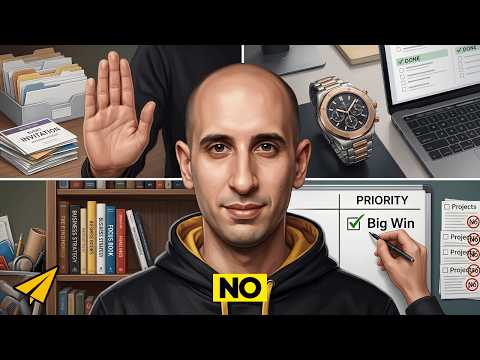
林宜悉 posted on 2026/09/21Ever wonder why some of the most successful people seem to have endless time? This video reveals the powerful habit of saying 'no' that the wealthy use to protect their most valuable asset: time! You'll learn practical strategies and phrases to help you prioritize what truly matters and avoid getting bogged down by distractions.
Learn this video on the APP!
The VoiceTube App has more in-depth practice for videos!