
announce
US /əˈnaʊns/
UK /əˈnaʊns/
- Transitive Verb
- To make a public statement about a plan, decision
A2Moreassessment
US /əˈsɛsmənt/
UK /əˈsesmənt/
- Noun
- Conclusion, opinion formed after due consideration
B1TOEICMorecontroversial
US /ˌkɑntrəˈvɚʃəl, -siəl/
UK /ˌkɔntrəˈvə:ʃəl/
- Adjective
- Causing a great deal of argument, or conflict
B1Morecorrespondent
US /ˌkɔrɪˈspɑndənt, ˌkɑr-/
UK /ˌkɒrəˈspɒndənt/
- Countable Noun
- Journalist, as one reporting from other countries
B1Morecrisis
US /ˈkraɪsɪs/
UK /'kraɪsɪs/
- Noun (Countable/Uncountable)
- Unstable situation of extreme danger or difficulty
- A turning point in a disease.
B1Moredatum
US /ˈdetəm, ˈdætəm, ˈdɑtəm/
UK /ˈdeɪtəm/
- Noun
- Item of factual information
B1Moredemocratic
US /ˌdɛməˈkrætɪk/
UK /ˌdeməˈkrætɪk/
- Adjective
- (Of government) giving the people power, a vote
- Based on the principle that all members have equal rights.
B2Moredirector
US /dɪˈrɛktɚ, daɪ-/
UK /də'rektə(r)/
- Noun
- Senior person who manages part of an organization
- Person who controls the acting in a movie or play
A2TOEICMoredisagree
US /ˌdɪsəˈɡri/
UK /ˌdɪsə'ɡri:/
- Intransitive Verb
- To have a different opinion; to fail to agree
B2TOEICMoredisagree with
US /ˌdɪsəˈɡri wɪð/
UK /ˌdisəˈɡri: wið/
- Phrasal Verb
- To have a different opinion from someone else.
- Intransitive Verb
- To cause someone to feel ill or uncomfortable.
A1Moredisease
US /dɪˈziz/
UK /dɪˈzi:z/
- Noun (Countable/Uncountable)
- Illness that affects a person, animal, or plant
- A disorder of structure or function in a plant, especially one caused by a pathogen.
- Transitive Verb
- To affect with disease; to corrupt or sicken.
A2TOEICMoreemerge
US /ɪˈmɚdʒ/
UK /ɪ'mɜ:dʒ/
- Intransitive Verb
- To rise or appear out of some background
- To become known or apparent.
A2TOEICMoreepidemic
US /ˌɛpɪˈdɛmɪk/
UK /ˌepɪ'demɪk/
- Adjective
- Disease that spreads quickly affecting many
- Noun (Countable/Uncountable)
- Something that spreads suddenly and widely
B2Morefalse
US /fɔ:ls/
UK /fɔ:ls/
- Adjective
- Not real or genuine
- Not true or correct; containing incorrect information.
- Adverb
- In an untrue or inaccurate way.
A2TOEICMorein some places
US
UK
- Phrase
- In certain locations or areas, but not all.
A1Moreinfect
US /ɪnˈfɛkt/
UK /ɪn'fekt/
- Transitive Verb
- To introduce a computer virus to
- To give a disease, bacteria or virus to
B1Moreinterpretation
US /ɪnˌtɜː(r)prɪˈteɪʃ(ə)n/
UK
- Noun (Countable/Uncountable)
- Explanation of the meaning of something
- Act of translating between languages
A2Moreinvolve
US /ɪnˈvɑlv/
UK /ɪn'vɒlv/
- Transitive Verb
- To have or be included as a part of something
- To cause (a person or group) to take part in an event or activity.
A2TOEICMoreoptimistic
US /ˌɑːptɪˈmɪstɪk/
UK /ˌɒptɪˈmɪstɪk/
- Adjective
- Tending to believe the future will be good
- Confident and hopeful about future outcomes.
B2Moreoutbreak
US /ˈaʊtˌbrek/
UK /ˈaʊtbreɪk/
- Noun (Countable/Uncountable)
- Sudden occurrence of illness, discontent etc.
- A sudden occurrence of something unwelcome, such as war or disease.
B2Morepeak
US /pik/
UK /pi:k/
- Noun
- Part of a cap that sticks out over your eyes
- The very top of a mountain
- Intransitive Verb
- To reach the highest or best point
B1Moreplateau
US /plæˈto/
UK /'plætəʊ/
- Noun
- Flat land that is higher than the land around it
- Intransitive Verb
- To not increase or decrease; stay stable or stuck
B2Moreprove
US /pruv/
UK /pru:v/
- Transitive Verb
- To demonstrate truth by providing evidence
- To test the quality or worth of something.
- Intransitive Verb
- To turn out to be; be found to be.
A2TOEICMoreprovince
US /ˈprɑvɪns/
UK /'prɒvɪns/
- Noun
- Subject that a person has a good knowledge of
- Area a country is divided into outside the capital
B1Morerace
US /res/
UK /reɪs/
- Noun (Countable/Uncountable)
- Speed contest between people, animals or vehicles
- People who share physical features or culture
- Intransitive Verb
- To take part in a running or swimming competition
- To move or go at a very fast pace
A2Moreremain
US /rɪˈmen/
UK /rɪˈmeɪn/
- Intransitive Verb
- To be left behind; to continue to exist
- To stay in a place when other people have gone
A2TOEICMoreresponse
US /rɪˈspɑns/
UK /riˈspɔns/
- Noun
- Something said/written as an answer to something
- Reaction to something that has occurred
A2TOEICMorespread
US /sprɛd/
UK /spred/
- Noun (Countable/Uncountable)
- A big meal, often laid out as a buffet
- The distance between two things
- Verb (Transitive/Intransitive)
- To place over a large area; to cover a large area
- (Of ideas, gossip) to pass to and affect others
A2TOEICMorestrike
US /straɪk/
UK /straɪk/
- Transitive Verb
- To hit something
- To remove or erase.
- Noun (Countable/Uncountable)
- A punch or hit
- Fact of not hitting the ball when playing baseball
A2TOEICMoresurge
US /sɜ:rdʒ/
UK /sɜ:dʒ/
- Noun (Countable/Uncountable)
- Sudden movement in one direction by many
- Sudden or unexpected increase in amount
- Intransitive Verb
- To move unexpectedly and quickly in one direction
- To rise to an unexpected height
B2Moretone
US /toʊn/
UK /təʊn/
- Noun (Countable/Uncountable)
- Atmosphere or feeling in a message
- Firmness and strength of the body's muscles
- Transitive Verb
- To increase the quality of muscles by exercise
A2Moretrend
US /trɛnd/
UK /trend/
- Noun (Countable/Uncountable)
- Current style or fashion
- General direction that is taken
- Intransitive Verb
- To be current and popular
- To move up or down
A2Moreunder control
US /ˈʌndɚ kənˈtrol/
UK /ˈʌndə kənˈtrəul/
- Adjective
- Being managed or restrained; not out of hand.
- Having one's emotions or impulses restrained.
- Phrase
- A situation that is being managed effectively.
C1Moreunusually
US /ʌnˈjuʒʊəlɪ/
UK /ʌnˈju:ʒuəli/
- Adverb
- To an uncommon degree or extent
B1More
Vocabulary
- under control: Being managed or restrained; not out of hand.
- disagree with: To have a different opinion from someone else.
- in some places: In certain locations or areas, but not all.
- controversial: Causing a great deal of argument, or conflict
- crisis: Unstable situation of extreme danger or difficulty
- epidemic: Disease that spreads quickly affecting many
- surge: Sudden movement in one direction by many
- strike: To hit something
- disease: Illness that affects a person, animal, or plant
- spread: A big meal, often laid out as a buffet
- state: Region within a country, with its own government
- similar: Nearly the same; alike
- remain: To be left behind; to continue to exist
- plateau: Flat land that is higher than the land around it
- response: Something said/written as an answer to something
- explain: To make clear or easy to understand by describing
- emerge: To rise or appear out of some background
- interpretation: Explanation of the meaning of something
- involve: To have or be included as a part of something
- optimistic: Tending to believe the future will be good
- democratic: (Of government) giving the people power, a vote
- outbreak: Sudden occurrence of illness, discontent etc.
- prove: To demonstrate truth by providing evidence
- correspondent: Journalist, as one reporting from other countries
- race: Speed contest between people, animals or vehicles
- trend: Current style or fashion
- peak: Part of a cap that sticks out over your eyes
- assessment: Conclusion, opinion formed after due consideration
- tone: Atmosphere or feeling in a message
- control: A device designed to operate a machine
- director: Senior person who manages part of an organization
- support: To give assistance or advice to someone
- government: Group of people and system that rule a nation
- point: An item to be discussed
- false: Not real or genuine
- change: To exchange one set of clothes for another
- epicenter: Point directly above the focus of an earthquake
- province: Subject that a person has a good knowledge of
- announce: To make a public statement about a plan, decision
- widely: To a large degree; over a large range
- disagree: To have a different opinion; to fail to agree
- fight: To argue or quarrel with someone about something
- country: An area of land that is controlled by a government
- meet: To provide something that is necessary
- datum: Item of factual information
- people: Persons sharing culture, country, background, etc.
- infect: To introduce a computer virus to
- health: (Person, company) being in a good condition; well
- unusually: To an uncommon degree or extent
Get the full experience in the app
Learn anywhere with detailed sentence and usage analysis
01:03
She took a brave step forward, leaving behind her comfort zone to chase her dreams.
Vocabulary
- brave
adj. Having courage
- comfort zone
phr. A familiar situation where one feels safe
Explanation
a brave step is a noun phrase, where brave is an adjective modifying the noun step, meaning "a courageous step".
forward is an adverb modifying step, meaning "ahead".
The whole phrase serves as the object, answering the "what" of took (verb) — she took a brave step forward.
Get the full experience in the app
Look up words anytime with pronunciation, part of speech, and usage
brave
US/brev/
UK/breɪv/
adj.Brave
v.t.To bravely face
A2 Elementary
Get the full experience in the app
Practice speaking anytime and get instant pronunciation feedback
Try this speaking exercise.
Try practicing with this sentence.
80
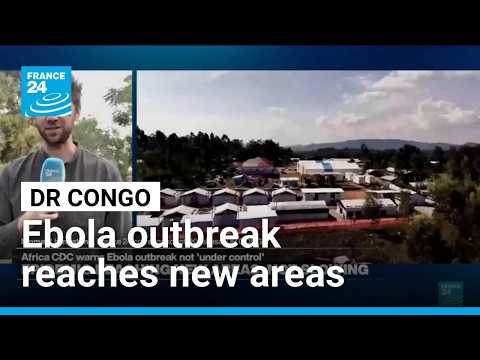
Ebola outbreak reaches new areas in Democratic Republic of Congo • FRANCE 24 English
0
zdzeng2000 posted on 2026/09/21The Ebola outbreak in the Democratic Republic of Congo is a complex situation, and this report dives into the conflicting claims about its status. You'll hear expert opinions and learn key phrases for discussing public health crises, like 'trending downwards' and 'pushback from experts'.
Learn this video on the APP!
The VoiceTube App has more in-depth practice for videos!