
abdomen
US /ˈæbdəmən/
UK /ˈæbdəmən/
- Noun
- The part of the body where the stomach is
C1Moreabdominal
US /æbˈdɑ:mɪnl/
UK /æbˈdɒmɪnl/
- Adjective
- Concerned with the stomach area of a body
- Countable Noun
- An abdominal muscle.
C1Moreabnormal
US /æbˈnɔ:rml/
UK /æbˈnɔ:ml/
- Adjective
- Not normal, not typical, not usual, not regular
- Relating to behavior that deviates from the norm.
B1Moreassessment
US /əˈsɛsmənt/
UK /əˈsesmənt/
- Noun
- Conclusion, opinion formed after due consideration
B1TOEICMoreback up
US /bæk ʌp/
UK /bæk ʌp/
- Phrasal Verb
- To save a copy of your computer data
- To confirm the truth of what someone says
A1Moreby hand
US /baɪ hænd/
UK /bai hænd/
- Phrase
- Done manually; not by machine.
- Delivered personally; not by mail or electronically.
A1Morecheck out
US /tʃɛk aʊt/
UK /tʃek aut/
- Phrase
- Phrasal Verb
- To find out information about something
- To take books out of a library
A1Morechildbirth
US /ˈtʃaɪldˌbəθ/
UK /ˈtʃaɪldbɜ:θ/
- Noun
- Process of giving birth to a child
C1Morecord
US /kɔrd/
UK /kɔ:d/
- Noun (Countable/Uncountable)
- A long strong material, thicker than string
- Electrical wire, covered in rubber or plastic
B1Moredamage
US /ˈdæmɪdʒ/
UK /ˈdæmɪdʒ/
- Noun (Countable/Uncountable)
- Physical harm that is done to something
- Transitive Verb
- To harm physically; to hurt or break something
- To harm the reputation of someone.
A2TOEICMoredeliver
US /dɪˈlɪvɚ/
UK /dɪ'lɪvə(r)/
- Transitive Verb
- To give birth to a child; help a woman give birth
- To save someone from a problem or crisis
A2TOEICMoredelivery
US /dɪˈlɪvəri, -ˈlɪvri/
UK /dɪˈlɪvəri/
- Noun
- Way someone acts when speaking publicly
- Act of taking something to a person or place
A2TOEICMoredistress
US /dɪˈstrɛs/
UK /dɪ'stres/
- Uncountable Noun
- State of great sadness, anxiety or pain
- Condition of danger or emergency
- Transitive Verb
- To cause someone anxiety or sadness
- To be in financial trouble
B1Moredue to
US /du tu/
UK /dju: tu:/
- Preposition
- Because of; owing to
- Adjective
- Attributable to; caused by.
A1Morefetal
US /ˈfitl:/
UK /'fi:tl/
- Adjective
- Of a fetus or unborn baby
B2Morefluid
US /ˈfluɪd/
UK /'flu:ɪd/
- Noun (Countable/Uncountable)
- A material that can easily flow, e.g. water
- Liquid that flows smoothly, such as water
- Adjective
- Able to move smoothly or gracefully
- Liable to change; unstable.
B2Moregenerally
US /ˈdʒɛnərəli/
UK /ˈdʒenrəli/
- Adverb
- Usually; as a rule; by, to or for most people
A2Morehairline
US /ˈherlaɪn/
UK /ˈheəlaɪn/
- Countable Noun
- A very thin line or crack
C2Moreheal
US /hi:l/
UK /hi:l/
- Verb (Transitive/Intransitive)
- To recover from or forget a bad experience
- To make or become healthy or well again
B1Morehorizontal
US /ˌhɔ:rəˈzɑ:ntl/
UK /ˌhɒrɪˈzɒntl/
- Adjective
- Concerning the horizon
- A level and flat position
- Adverb
- In a horizontal position or direction.
B1Morein future
US /ɪn ˈfjutʃɚ/
UK /ɪn ˈfju:tʃə/
- Preposition
- At a time yet to come; from now onwards.
A2Moreincision
US /ɪnˈsɪʒən/
UK /ɪnˈsɪʒn/
- Noun
- Cut, as that done by a surgeon in an operation
C2Moreinside of
US /ɪnˈsaɪd ʌv/
UK /inˈsaid ɔv/
- Preposition
- Within; in the inner part of.
- Within a certain period of time.
A1Moreinternal
US /ɪnˈtɚnəl/
UK /inˈtə:nəl/
- Adjective
- Being or happening in the body
- Being, happening in a country, state, organization
B1TOEICMorelayer
US /ˈleɚ/
UK /ˈleiə/
- Noun (Countable/Uncountable)
- One of several sheets of a material or object
- A covering of something spread over a surface.
- Transitive Verb
- To put things one on top of another
B1TOEICMorelift
US /lɪft/
UK /lɪft/
- Noun
- Picking someone up in a car and taking to a place
- Machine carrying people up or down to other floors
- Transitive Verb
- To stop or cancel something, such as a rule
- To move something to higher position
A2Morelower half
US
UK
- Noun
- The bottom part of something, especially when divided horizontally.
- The part of the body below the waist.
B2Moremembrane
US /ˈmɛmˌbren/
UK /'membreɪn/
- Noun (Countable/Uncountable)
- Outside covering of a cell
- A thin covering of tissue or of a cell
B2Morenumb
US /nʌm/
UK /nʌm/
- Adjective
- Unable to feel a body part due to cold or illness
- Transitive Verb
- To make a part of body unable to feel (pain, etc.)
B2Moreplacenta
US /pləˈsɛntə/
UK /pləˈsentə/
- Noun
- Organ that supplies nutrients to fetus in the womb
C1Morepregnancy
US /ˈprɛɡnənsi/
UK /ˈpregnənsi/
- Uncountable Noun
- When a woman carries her unborn baby inside her
- A specific instance or period of being pregnant.
B1Moreproceed
US /proʊˈsi:d/
UK /prəˈsi:d/
- Verb (Transitive/Intransitive)
- To continue to do something; carry on
- To go forward in a certain direction
A2TOEICMoreprogress
US /ˈprɑɡˌrɛs, -rəs, ˈproˌɡrɛs/
UK /'prəʊɡres/
- Verb (Transitive/Intransitive)
- To move forward or toward a place or goal
- To make progress; develop or improve.
- Uncountable Noun
- Act of moving forward
- The process of improving or developing something over a period of time.
A2TOEICMorereach
US /ritʃ/
UK /ri:tʃ/
- Verb (Transitive/Intransitive)
- To come to or arrive at a goal or destination
- To be long enough to get to a certain place
- Uncountable Noun
- Power or control someone has over something
A2TOEICMorereduce
US /rɪˈdus, -ˈdjus/
UK /rɪ'dju:s/
- Verb (Transitive/Intransitive)
- To try to decrease, e.g. your weight if overweight
- To boil a liquid until it has decreased in amount
A2TOEICMoreregional
US /ˈridʒənəl/
UK /ˈri:dʒənl/
- Adjective
- Of a particular area, not the whole of a country
- Characteristic of a particular region.
B1Morerelease
US /rɪ'li:s/
UK /rɪ'li:s/
- Transitive Verb
- To free someone from a responsibility or burden
- To allow a film, music etc. to be sold/distributed
- Noun
- Act of freeing someone from a duty or burden
- Introduction of a new product, film, book, etc.
A2TOEICMoreremain
US /rɪˈmen/
UK /rɪˈmeɪn/
- Intransitive Verb
- To be left behind; to continue to exist
- To stay in a place when other people have gone
A2TOEICMoresac
US /sæk/
UK /sæk/
- Noun
- Bag-like part of an animal or plant
B2Moresection
US / ˈsɛkʃən/
UK /'sekʃn/
- Noun (Countable/Uncountable)
- A part of a whole
- Specific group of people from a larger group
- Transitive Verb
- To divide something into smaller parts
B1TOEICMoreseparate
US /'sepəreɪt/
UK /'sepəreɪt/
- Adjective
- Being different from or unrelated to another
- Not connected; different.
- Transitive Verb
- To divide two things by being in between them
- To move things away from each other
A2TOEICMorestitch
US /stɪtʃ/
UK /stɪtʃ/
- Noun
- Pain in your side after running or exercising
- Result of sewing thread going in and out of cloth
- Transitive Verb
- To sew cloth or material together
B1Morestress
US / strɛs/
UK /stres/
- Transitive Verb
- To emphasize one or more parts of a word, sentence
- To put pressure on something or someone
- Noun (Countable/Uncountable)
- Emphasis on part of a word or sentence
- Pressure on something or someone
A2TOEICMoresuch as
US /sʌtʃ æz/
UK /sʌtʃ æz/
- Preposition
- For example; like
A1Moresurgeon
US /ˈsɜrdʒən/
UK /'sɜ:dʒən/
- Countable Noun
- A doctor who performs surgery
B2Moresurgery
US /ˈsɚdʒəri/
UK /'sɜ:dʒərɪ/
- Noun (Countable/Uncountable)
- Medical operation involving cutting into body
- A doctor's office; health clinic
B1Moretissue
US /ˈtɪʃu/
UK /ˈtɪʃu:/
- Noun (Countable/Uncountable)
- Substance formed by cells of living thing; flesh
- Kind of thin, light paper used to pack objects
A2Moretraction
US /ˈtrækʃən/
UK /ˈtrækʃn/
- Uncountable Noun
- Force causing moving thing to stick, e.g. on roads
C1Moretransverse
US /ˈtrænzvɜ:rs/
UK /ˈtrænzvɜ:s/
- Adjective
- Laying or made across something
C1Moretypical
US /ˈtɪpɪkəl/
UK /ˈtɪpɪkl/
- Adjective
- Normal; usual; expected
- Serving as a representative example of a particular type.
A2Moretypically
US /ˈtɪpɪklɪ/
UK /ˈtɪpɪkli/
- Adverb
- In a normal or usual way
B1Moreunderlie
US /ˌʌndərˈlaɪ/
UK /ˌʌndəˈlaɪ/
- Verb (Transitive/Intransitive)
- To be the basis, foundation or cause of something
- To lie or exist beneath
B1Moreused to
US /juzd tu/
UK /ˈju:st tə/
- Adjective
- Did regularly before, but don't do now
- Auxiliary Verb
- Have done before, but do not do now
A1Moreuterus
US /ˈjutərəs/
UK /ˈju:tərəs/
- Noun
- Inside part of female animals where young develop
C1More
Vocabulary
- lower half: The bottom part of something, especially when divided horizontally.
- such as: For example; like
- used to: Did regularly before, but don't do now
- back up: To save a copy of your computer data
- by hand: Done manually; not by machine.
- in future: At a time yet to come; from now onwards.
- due to: Because of; owing to
- inside of: Within; in the inner part of.
- check out
- progress: To move forward or toward a place or goal
- experience: Thing a person has done or that happened to them
- typically: In a normal or usual way
- common: Area in a city or town that is open to everyone
- position: Person's opinion or attitude about something
- stress: To emphasize one or more parts of a word, sentence
- separate: Being different from or unrelated to another
- fluid: A material that can easily flow, e.g. water
- distress: State of great sadness, anxiety or pain
- numb: Unable to feel a body part due to cold or illness
- reach: To come to or arrive at a goal or destination
- remain: To be left behind; to continue to exist
- generally: Usually; as a rule; by, to or for most people
- perform: To carry out an action well or successfully
- section: A part of a whole
- typical: Normal; usual; expected
- release: To free someone from a responsibility or burden
- apply: To spread a substance or liquid over a surface
- labor: To struggle to do something because it's difficult
- deliver: To give birth to a child; help a woman give birth
- lift: Picking someone up in a car and taking to a place
- due: When something is required or expected
- surgery: Medical operation involving cutting into body
- risk: To do something potentially dangerous or foolish
- tissue: Substance formed by cells of living thing; flesh
- reduce: To try to decrease, e.g. your weight if overweight
- internal: Being or happening in the body
- layer: One of several sheets of a material or object
- heal: To recover from or forget a bad experience
- pregnancy: When a woman carries her unborn baby inside her
- proceed: To continue to do something; carry on
- receive: To get something someone has given or sent to you
- assessment: Conclusion, opinion formed after due consideration
- sign: Indication that something exists or will happen
- learn: To get knowledge or skills by study or experience
- delivery: Way someone acts when speaking publicly
- membrane: Outside covering of a cell
- fetal: Of a fetus or unborn baby
- damage: Physical harm that is done to something
- point: An item to be discussed
- abdomen: The part of the body where the stomach is
- surgeon: A doctor who performs surgery
- stitch: Pain in your side after running or exercising
- uterus: Inside part of female animals where young develop
- abdominal: Concerned with the stomach area of a body
- include: To make someone, something part of a group
- traction: Force causing moving thing to stick, e.g. on roads
- future: Time that is to come after the present
- cord: A long strong material, thicker than string
- horizontal: Concerning the horizon
- part: Division of a book
- abnormal: Not normal, not typical, not usual, not regular
- regional: Of a particular area, not the whole of a country
- underlie: To be the basis, foundation or cause of something
- placenta: Organ that supplies nutrients to fetus in the womb
- incision: Cut, as that done by a surgeon in an operation
- childbirth: Process of giving birth to a child
- sac: Bag-like part of an animal or plant
- transverse: Laying or made across something
- hairline: A very thin line or crack
Get the full experience in the app
Learn anywhere with detailed sentence and usage analysis
01:03
She took a brave step forward, leaving behind her comfort zone to chase her dreams.
Vocabulary
- brave
adj. Having courage
- comfort zone
phr. A familiar situation where one feels safe
Explanation
a brave step is a noun phrase, where brave is an adjective modifying the noun step, meaning "a courageous step".
forward is an adverb modifying step, meaning "ahead".
The whole phrase serves as the object, answering the "what" of took (verb) — she took a brave step forward.
Get the full experience in the app
Look up words anytime with pronunciation, part of speech, and usage
brave
US/brev/
UK/breɪv/
adj.Brave
v.t.To bravely face
A2 Elementary
Get the full experience in the app
Practice speaking anytime and get instant pronunciation feedback
Try this speaking exercise.
Try practicing with this sentence.
80
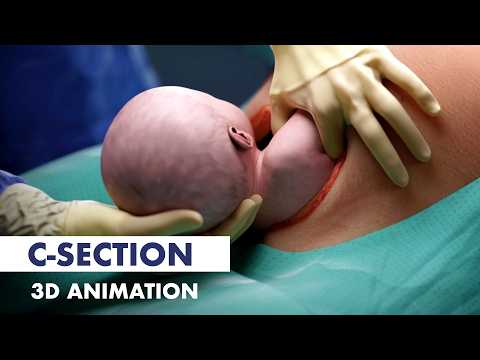
What to expect during a C-section | 3D Animation
0
C.H. Chung posted on 2026/09/20Ever wondered what actually happens during a C-section? This 3D animation breaks down the entire procedure, from the initial incision to the baby's delivery, explaining key steps and medical terms along the way. You'll gain a clear understanding of this common surgery and pick up useful vocabulary related to childbirth and anatomy.
Learn this video on the APP!
The VoiceTube App has more in-depth practice for videos!