
absolutely
US /ˈæbsəˌlutli, ˌæbsəˈlutli/
UK /ˈæbsəlu:tli/
- Adverb
- Completely; totally; very
- Considered independently and without relation to other things; viewed abstractly; as, quantity absolutely considered.
A2Moreaccess
US /ˈæksɛs/
UK /'ækses/
- Noun (Countable/Uncountable)
- Way to enter a place, e.g. a station or stadium
- The opportunity or right to use something or to see someone.
- Transitive Verb
- To be able to use or have permission to use
A2TOEICMoreadvice
US /əd'vaɪs/
UK /ədˈvaɪs/
- Uncountable Noun
- Suggestion about what would help someone
- Professional guidance from a lawyer or legal expert.
A2TOEICMoreairport
US /ˈerpɔ:rt/
UK /ˈeəpɔ:t/
- Noun
- A place where passenger planes land and take off
B1TOEICMorearound town
US
UK
- Phrase
- In the local area or vicinity.
- In various places throughout the town.
- Adjective
- Socially active and well-known in the town.
A1Moreaside from
US /əˈsaɪd frʌm/
UK /əˈsaid frɔm/
- Phrase
A1Moreat the same time
US
UK
- Phrase
- Simultaneously; at the identical moment.
- Nevertheless; however; used to introduce a contrasting or qualifying statement.
A1Morebasically
US /ˈbesɪkəli,-kli/
UK /ˈbeɪsɪkli/
- Adverb
- Used before you explain something simply, clearly
- In essence; when you consider the most important aspects of something.
A2Morebucket
US /ˈbʌkɪt/
UK /'bʌkɪt/
- Countable Noun
- Open container with a handle used to carry liquids
- A scoop-like container attached to machinery, used for digging or lifting materials.
- Uncountable Noun
- The amount held by a bucket.
B1Morebudget
US /ˈbʌdʒɪt/
UK /'bʌdʒɪt/
- Noun (Countable/Uncountable)
- Amount of money planned to be spent
- Verb (Transitive/Intransitive)
- To make a plan for how to spend your money
A2TOEICMorebuild in
US
UK
- Phrasal Verb
- To include something as part of a plan, system, or design.
- To create something as a permanent or inherent feature.
A1Morebunch
US /bʌntʃ/
UK /bʌntʃ/
- Noun (Countable/Uncountable)
- A group of things of the same kind
- A group of people.
- Transitive Verb
- To group people or things closely together
B1Morecome from
US /kʌm frʌm/
UK /kʌm frɔm/
- Phrasal Verb
- To have as your native country or city
A1Morecrowd
US /kraʊd/
UK /kraʊd/
- Verb (Transitive/Intransitive)
- To force too many things, people into
- (Lots of people) to meet together in one place
- Noun (Countable/Uncountable)
- Large group of people together in one place
A2Moredepending on
US
UK
- Phrasal Verb
- To rely on for support (financial or emotional)
- Influenced or determined by.
- Preposition
- Subject to; contingent on
- Relying on someone or something for support or assistance.
A2Moredrive back
US /draɪv bæk/
UK /draɪv bæk/
- other
- To force someone or something to retreat or move backward.
B2Moreeat up
US /it ʌp/
UK /i:t ʌp/
- Phrasal Verb
- To eat all of something
- To use a large amount of something, especially money or time.
A1Moreepic
US /ˈɛpɪk/
UK /'epɪk/
- Adjective
- Going on for a long time; awe-inspiring
- Noun
- A long story, often about many people and events
B2Moreescape
US /ɪˈskep/
UK /ɪ'skeɪp/
- Noun (Countable/Uncountable)
- Act to briefly ignoring boring or bad things
- The 'esc key' on a keyboard
- Verb (Transitive/Intransitive)
- To avoid something undesirable, dangerous or bad
- To get away from a place where you are being kept
A2Moreexplore
US /ɪkˈsplɔr/
UK /ɪk'splɔ:(r)/
- Transitive Verb
- To examine something in detail to learn about it
- To travel to a place to discover more about it
A2TOEICMoreextra
US /'ekstrə/
UK /'ekstrə/
- Adjective
- More than necessary; additional
- Of especially good quality or grade.
- Noun (Countable/Uncountable)
- Items more than you need; additional items
- Person who has a small part in a movie
A2Morefeel like
US
UK
- Intransitive Verb
- To have a desire or inclination for something.
- To have a particular quality or sensation; resemble.
A1Morefor instance
US /fɔr ˈɪnstəns/
UK /fɔ: ˈinstəns/
- Adverb
- As an example.
- Phrase
- As an example.
- As an illustration or case in point
B1Moreforget about
US /fɚˈɡɛt əˈbaʊt/
UK /fəˈɡet əˈbaut/
- Phrasal Verb
- To stop thinking about something; to ignore something.
A1Moregeneration
US /ˌdʒɛnəˈreʃən/
UK /ˌdʒenəˈreɪʃn/
- Noun (Countable/Uncountable)
- Act or process of producing or causing something
- People born and living at about the same time
A2TOEICMoreget back to
US /ɡɛt bæk tu/
UK /ɡet bæk tu:/
- Phrasal Verb
- To get in contact with someone again
- To return to someone or something; to respond at a later time.
A1Moreget lost
US /ɡɛt lɔst/
UK /ɡet lɔ:st/
- Intransitive Verb
- An impolite way of telling someone to go away.
- To become unable to find your way; to lose your sense of direction.
- Interjection
- An impolite way of telling someone to go away.
A1Morego after
US /ɡo ˈæftɚ/
UK /ɡəu ˈɑ:ftə/
- Phrasal Verb
- To chase or pursue something
A1Morego ahead
US /ɡo əˈhɛd/
UK /ɡəu əˈhed/
- Phrasal Verb
- To start an activity; start doing, working etc.
- To give permission to do something
- Intransitive Verb
- To start or proceed with something
- To proceed despite potential obstacles or doubts.
A1Morego out
US /ɡo aʊt/
UK /ɡəu aut/
- Phrase
- To leave a building (e.g. a house)
- Phrasal Verb
- (Of a fire) to burn out; be extinguished
- Go out of fashion to stop being fashionable
A1Moregoing on
US /ˈɡoɪŋ ɑn/
UK /ˈgəʊɪŋ ɔn/
- Phrasal Verb
- To continue doing something
- To happen (usually negative)
A1Morehave to
US /hæv tu/
UK /ˈhæv tə/
- Auxiliary Verb
- Must do
A1Morehike
US /haɪk/
UK /haɪk/
- Noun
- Large and unexpected increase in price, level etc.
- A long walk in mountains, etc. for exercise
- Intransitive Verb
- To make a large and unexpected increase in a price
- To take a long walk in mountains etc. for exercise
B1Morein advance
US /ɪn ædˈvæns/
UK /in ədˈvɑ:ns/
- Phrase
- Ahead of time; before something happens
- Noun
- A payment made before it is due, especially for work to be done
A2Morein fact
US /ɪn fækt/
UK /in fækt/
- Adverb
- Used to emphasize the truth of a statement, especially one that contrasts with or contradicts something else.
- Used to introduce a more detailed or surprising piece of information.
- Phrase
- Used to emphasize the truth of a statement, especially one that is surprising or contrary to what might be expected.
C1Morein mind
US /ɪn maɪnd/
UK /in maind/
- Phrase
- Being aware of or considering something.
- To remember or consider something.
A2Morein real life
US /ɪn ˈriəl laɪf/
UK /in riəl laif/
- Phrase
- In the physical world; not online or in a fictional setting.
- Actually; genuinely; not made up or fictional.
A2Morein terms of
US
UK
- Phrase
- With regard to; concerning a particular aspect.
A1Morein theory
US /ɪn ˈθiəri/
UK /in ˈθiəri/
- Adverb
- According to the stated ideas or principles
- Phrase
- According to the theoretical possibilities rather than actual practice.
B2Morein time
US /ɪn taɪm/
UK /in taim/
- Adverb
- Eventually; after a period of time.
- Not late; with enough time to spare.
- Phrase
- Eventually; before it is too late.
- According to the scheduled time; punctual.
A1Moreinside of
US /ɪnˈsaɪd ʌv/
UK /inˈsaid ɔv/
- Preposition
- Within; in the inner part of.
- Within a certain period of time.
A1Moreitinerary
US /aɪˈtɪnəˌrɛri, ɪˈtɪn-/
UK /aɪ'tɪnərərɪ/
- Noun (Countable/Uncountable)
- A route, e.g. with times you will be somewhere
- A detailed plan for a journey, listing places to visit and things to do.
B2TOEICMoreknow about
US /noʊ əˈbaʊt/
UK /nəʊ əˈbaut/
- Phrasal Verb
- To have information or understanding of a subject or situation.
literally
US /ˈlɪtərəli/
UK
- Adverb
- In a literal manner or sense; exactly as stated.
- Used for emphasis to describe something that is actually true, often to highlight surprise or intensity.
B1Morelook at
US /lʊk æt/
UK /luk æt/
- Phrasal Verb
- To use your eyes to focus on something
- To focus your eyes on something carefully
A1Moremake time for
US
UK
- Verb (Transitive/Intransitive)
- To schedule time for a specific activity or person.
A1Moremention
US /ˈmɛnʃən/
UK /'menʃn/
- Transitive Verb
- To refer to or talk or write about something
- Uncountable Noun
- Act of referring to or talking about something
- A formal acknowledgement of something
A2TOEICMoremiss out
US /mɪs aʊt/
UK /mis aut/
- Phrasal Verb
- To exclude; not include in something
- To fail to take advantage of something; to lose an opportunity.
A1Moremulti
US
UK
- Prefix
- A prefix meaning 'many' or 'more than one'
B1Moreof a sudden
US
UK
- Phrase
- Quickly and unexpectedly; suddenly.
B2Moreof course
US /ʌv kɔː(r)s/
UK /ɔv kɔː(r)s/
- Adverb
- Sure ; Certainly
- Phrase
- For sure; certainly
A2Moreoff of
US /ɔf ʌv/
UK /ɔf ɔv/
- Preposition
- From a position on something; down from.
A1Moreon a shoestring
US /ɑn ə ˈʃustrɪŋ/
UK /ɒn ə ˈʃu:striŋ/
- other
- Doing something with very little money.
B2Moreon foot
US /ɑn fʊt/
UK /ɔn fut/
- Phrase
A1Moreon to
US /ɑn tu/
UK /ɔn tu:/
- Preposition
- Toward something; forward
- Aware of someone's activities.
- Adjective
- Aware of someone's deception or illegal activities.
A1Moreoption
US /ˈɑpʃən/
UK /'ɒpʃn/
- Noun (Countable/Uncountable)
- A choice
- A right to buy or sell something at a particular price within a particular period.
A2TOEICMoreoutside of
US /aʊtˈsaɪd ʌv/
UK /ˌautˈsaid ɔv/
- Preposition
- Located or situated beyond the boundaries or confines of something.
- Beyond the scope, range, or limits of something.
A1Morepark in
US /ˈpɑrk ɪn/
UK /ˈpɑ:k ɪn/
- other
- To drive a vehicle into a parking spot or area.
A2Morepass along
US /pæs əˈlɔŋ/
UK /pɑ:s əˈlɔŋ/
- Phrasal Verb
- To give something to someone.
peak
US /pik/
UK /pi:k/
- Noun
- Part of a cap that sticks out over your eyes
- The very top of a mountain
- Intransitive Verb
- To reach the highest or best point
B1Morephenomenal
US /fɪˈnɑmənəl/
UK /fəˈnɒmɪnl/
- Adjective
- Amazing; remarkable
- Relating to or consisting of phenomena.
B2Moreplay on
US
UK
- Phrasal Verb
- To exploit or take advantage of something, such as someone's emotions or weaknesses.
A1Morerecommend
US /ˌrɛkəˈmɛnd/
UK /ˌrekə'mend/
- Transitive Verb
- To advise or suggest that someone do something
- To endorse or support something publicly.
A2TOEICMorerespect
US /rɪˈspɛkt/
UK /rɪ'spekt/
- Transitive Verb
- To follow the established rules
- To think very highly of another person
- Noun
- Behavior that follows the established rules
- Regard or admiration for someone or something
A2TOEICMoresame time
US
UK
- Phrase
- Occurring simultaneously or at the same point in time.
- At the identical time as before; recurring at a fixed hour.
- Noun
- An equal duration or period.
A1Moresee out
US /si aʊt/
UK /si: aut/
- Phrasal Verb
- To continue doing something until it ends, especially something difficult or unpleasant.
- To accompany someone to the door when they are leaving a place.
A1Moreshuttle
US /ˈʃʌtl/
UK /ˈʃʌtl/
- Noun (Countable/Uncountable)
- Vehicle carrying passengers between two places
- Device used when weaving cloth
- Verb (Transitive/Intransitive)
- To move passengers between two nearby places
B1Moresightseeing
US /ˈsaɪtˌsiɪŋ/
UK /ˈsaɪtsi:ɪŋ/
- Uncountable Noun
- Going to look at places of interest somewhere
- Adjective
- Relating to the activity of visiting interesting places.
C2Moreslightly
US /ˈslaɪtli/
UK /ˈslaɪtli/
- Adverb
- Only a little
B1Morespot
US /spɑt/
UK /spɒt/
- Noun
- A certain place or area
- A difficult time; awkward situation
- Transitive Verb
- To see someone or something by chance
A2TOEICMoresqueeze into
US
UK
- Phrasal Verb
- To manage to get into a small or crowded space.
B2Morestay in
US /ste ɪn/
UK /stei in/
- Phrasal Verb
- To remain inside one's home.
- Intransitive Verb
- To remain as an inpatient in a hospital.
talking about
US
UK
- Phrasal Verb
- To discuss a particular topic.
- To be constantly mentioning or bringing up a subject.
A1Morethings change
US
UK
- Phrase
- Circumstances or situations do not remain constant; they evolve or transform over time.
- An acknowledgement of the need to adapt to new realities or developments.
A1Morethink about
US /θɪŋk əˈbaʊt/
UK /θiŋk əˈbaut/
- Phrasal Verb
- To consider something carefully.
- To remember or call to mind.
A1Moretrail
US /trel/
UK /treɪl/
- Noun (Countable/Uncountable)
- Series of marks or signs left by something moving
- Rough path, as through a forest or field
- Verb (Transitive/Intransitive)
- To follow behind someone
- To be losing to a competitor
B1TOEICMoretransportation
US /ˌtrænspɔ:rˈteɪʃn/
UK /ˌtrænspɔ:ˈteɪʃn/
- Noun (Countable/Uncountable)
- Act of moving people or goods between places
- A system or means of transport, especially public transport.
B1Moreused to
US /juzd tu/
UK /ˈju:st tə/
- Adjective
- Did regularly before, but don't do now
- Auxiliary Verb
- Have done before, but do not do now
A1Morewildlife
US /ˈwaɪldˌlaɪf/
UK /ˈwaɪldlaɪf/
- Uncountable Noun
- All wild animals
B1More
Vocabulary
- have to: Must do
- in terms of
- feel like: To have a desire or inclination for something.
- outside of: Located or situated beyond the boundaries or confines of something.
- go out: To leave a building (e.g. a house)
- going on: To continue doing something
- know about: To have information or understanding of a subject or situation.
- get lost: An impolite way of telling someone to go away.
- think about: To consider something carefully.
- of course: Sure ; Certainly
- stay in: To remain inside one's home.
- used to: Did regularly before, but don't do now
- build in: To include something as part of a plan, system, or design.
- on foot
- inside of: Within; in the inner part of.
- at the same time: Simultaneously; at the identical moment.
- same time: Occurring simultaneously or at the same point in time.
- off of: From a position on something; down from.
- drive back: To force someone or something to retreat or move backward.
- in theory: According to the stated ideas or principles
- for instance: As an example.
- talking about: To discuss a particular topic.
- forget about: To stop thinking about something; to ignore something.
- in mind: Being aware of or considering something.
- miss out: To exclude; not include in something
- in advance: Ahead of time; before something happens
- on a shoestring: Doing something with very little money.
- in fact: Used to emphasize the truth of a statement, especially one that contrasts with or contradicts something else.
- look at: To use your eyes to focus on something
- eat up: To eat all of something
- squeeze into: To manage to get into a small or crowded space.
- on to: Toward something; forward
- things change: Circumstances or situations do not remain constant; they evolve or transform over time.
- of a sudden: Quickly and unexpectedly; suddenly.
- depending on: To rely on for support (financial or emotional)
- make time for: To schedule time for a specific activity or person.
- in time: Eventually; after a period of time.
- go ahead: To start an activity; start doing, working etc.
- see out: To continue doing something until it ends, especially something difficult or unpleasant.
- in real life: In the physical world; not online or in a fictional setting.
- park in: To drive a vehicle into a parking spot or area.
- around town: In the local area or vicinity.
- aside from
- pass along: To give something to someone.
- go after: To chase or pursue something
- play on: To exploit or take advantage of something, such as someone's emotions or weaknesses.
- come from: To have as your native country or city
- get back to: To get in contact with someone again
- literally: In a literal manner or sense; exactly as stated.
- absolutely: Completely; totally; very
- bunch: A group of things of the same kind
- access: Way to enter a place, e.g. a station or stadium
- slightly: Only a little
- recommend: To advise or suggest that someone do something
- basically: Used before you explain something simply, clearly
- experience: Thing a person has done or that happened to them
- spot: A certain place or area
- epic: Going on for a long time; awe-inspiring
- explore: To examine something in detail to learn about it
- bit: Device put in a horse's mouth to control it
- escape: Act to briefly ignoring boring or bad things
- advice: Suggestion about what would help someone
- mention: To refer to or talk or write about something
- crowd: To force too many things, people into
- phenomenal: Amazing; remarkable
- private: Being away from others and quiet
- extra: More than necessary; additional
- itinerary: A route, e.g. with times you will be somewhere
- budget: Amount of money planned to be spent
- trail: Series of marks or signs left by something moving
- generation: Act or process of producing or causing something
- option: A choice
- respect: To follow the established rules
- organize: To arrange and plan things, e.g. a party
- peak: Part of a cap that sticks out over your eyes
- favorite: A thing that someone likes best or enjoys most
- lot: What happens to a person in life from chance; fate
- place: To put someone in a particular type of situation
- single: One run in cricket or a hit baseball
- kind: In a caring and helpful manner
- offer: Price you say you are willing to pay for something
- piece: A counter in a board game
- transportation: Act of moving people or goods between places
- bucket: Open container with a handle used to carry liquids
- point: An item to be discussed
- drive: A person's ambition and motivation to do something
- great: Very good; better than before
- find: To become aware of something that is happening
- sightseeing: Going to look at places of interest somewhere
- shuttle: Vehicle carrying passengers between two places
- hike: Large and unexpected increase in price, level etc.
- wildlife: All wild animals
- multi: A prefix meaning 'many' or 'more than one'
- airport: A place where passenger planes land and take off
Get the full experience in the app
Learn anywhere with detailed sentence and usage analysis
01:03
She took a brave step forward, leaving behind her comfort zone to chase her dreams.
Vocabulary
- brave
adj. Having courage
- comfort zone
phr. A familiar situation where one feels safe
Explanation
a brave step is a noun phrase, where brave is an adjective modifying the noun step, meaning "a courageous step".
forward is an adverb modifying step, meaning "ahead".
The whole phrase serves as the object, answering the "what" of took (verb) — she took a brave step forward.
Get the full experience in the app
Look up words anytime with pronunciation, part of speech, and usage
brave
US/brev/
UK/breɪv/
adj.Brave
v.t.To bravely face
A2 Elementary
Get the full experience in the app
Practice speaking anytime and get instant pronunciation feedback
Try this speaking exercise.
Try practicing with this sentence.
80
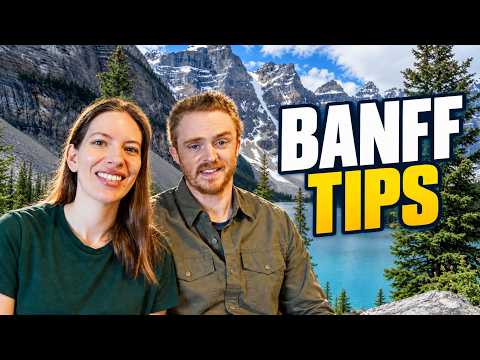
Banff Tips for First-Time Visitors: Everything You Need To Know Before You Go!
0
林宜悉 posted on 2026/09/14Planning a trip to Banff National Park? This video is packed with essential tips for first-time visitors, covering everything from navigating Banff Town versus the National Park to smart accommodation choices outside the main tourist hubs. You'll also learn crucial advice on visiting popular spots like Lake Louise and Moraine Lake, including how to handle parking and shuttle systems to make the most of your adventure!
Learn this video on the APP!
The VoiceTube App has more in-depth practice for videos!