
a couple hundred
US
UK
- Determiner
- Approximately two hundred.
- Phrase
- A small number of hundreds; more than one hundred but not many.
A2Moreaddition
US /əˈdɪʃən/
UK /əˈdɪʃn/
- Noun (Countable/Uncountable)
- Act of adding something; thing that is added
- The process of calculating the total of two or more numbers or amounts
A2TOEICMoreape
US /ep/
UK /eɪp/
- Countable Noun
- Animal related to monkeys and humans
- Transitive Verb
- To copy someone's actions
B1Moreat least
US /æt list/
UK /æt li:st/
- Adverb
- As a minimum
- Not less than
- Phrase
- No less than; at the minimum
- Used to indicate that something is positive in a bad situation.
C2Moreat the same time
US
UK
- Phrase
- Simultaneously; at the identical moment.
- Nevertheless; however; used to introduce a contrasting or qualifying statement.
A1Morebasically
US /ˈbesɪkəli,-kli/
UK /ˈbeɪsɪkli/
- Adverb
- Used before you explain something simply, clearly
- In essence; when you consider the most important aspects of something.
A2Morebeat up
US /bit ʌp/
UK /bi:t ʌp/
- Phrasal Verb
- To hurt someone badly by hitting and punching
- Transitive Verb
- To assault or physically harm someone.
A2Morebranch
US /bræntʃ/
UK /brɑ:ntʃ/
- Noun
- Part of a family related to the same members
- Part of organization with a specific function
- Verb (Transitive/Intransitive)
- To separate away from the main part
- To extend in a new direction; diverge.
A2TOEICMorecapable
US /ˈkepəbəl/
UK /'keɪpəbl/
- Adjective
- Being able to do something very well; proficient
- Having the ability, fitness, or quality necessary to do or achieve a specified thing.
A2Morecave in
US /kev ɪn/
UK /keiv in/
- Intransitive Verb
- To give in to pressure
- To collapse inwards.
- Phrasal Verb
- To collapse or fall inward.
- To yield or give way under pressure.
B1Morecheck out
US /tʃɛk aʊt/
UK /tʃek aut/
- Phrase
- Phrasal Verb
- To find out information about something
- To take books out of a library
A1Morechimp
US /tʃɪmp/
UK /tʃɪmp/
- Countable Noun
- Shortened form of 'chimpanzee'
B2Morecome down to
US /kʌm daʊn tu/
UK /kʌm daun tu:/
- Phrasal Verb
- To become in the end a matter of
- To be passed on to someone as an inheritance.
A1Morecomplex
US /kəmˈplɛks, ˈkɑmˌplɛks/
UK /'kɒmpleks/
- Countable Noun
- Group of buildings all used for the same purpose
- Adjective
- Not being simple; having many parts or aspects
A2Morecouple
US /ˈkʌpəl/
UK /'kʌpl/
- Transitive Verb
- To join something to something else
- (Two animals) to engage in sexual relations
- Noun (Countable/Uncountable)
- Two people in a romantic relationship
- Two of something; two people; a pair
A2Moredominant
US /ˈdɑmənənt/
UK /ˈdɒmɪnənt/
- Adjective
- The strongest; most powerful
- Being the most common, significant or important
- Noun
- (Music) The fifth note of a scale.
B1Moredominant male
US
UK
- Noun
- The alpha male in a social hierarchy, typically in animal groups.
- A male who asserts control and influence in social situations.
due to
US /du tu/
UK /dju: tu:/
- Preposition
- Because of; owing to
- Adjective
- Attributable to; caused by.
A1Moreevolve
US /ɪˈvɑlv/
UK /ɪ'vɒlv/
- Verb (Transitive/Intransitive)
- To develop certain features
- To develop or change slowly over time
B1Moreextinct
US /ɪkˈstɪŋkt/
UK /ɪkˈstɪŋkt/
- Adjective
- (Of animal, etc.) having died out; with none left
- (E.g. of volcano) not active
B1TOEICMorefacial
US /ˈfeʃəl/
UK /'feɪʃl/
- Noun (Countable/Uncountable)
- Treatment to improve condition of the skin of face
- Adjective
- Concerning or on the face
B2Morefamiliar
US /fəˈmɪljɚ/
UK /fəˈmɪliə(r)/
- Adjective
- Well-known or easily recognized
- Having a good knowledge of something.
- Noun
- A close friend or associate.
- (In folklore) a spirit, often in animal form, believed to attend and serve a witch.
A2TOEICMorefirst off
US /fɚst ɔf/
UK /fə:st ɔf/
- Phrase
- To begin with; firstly.
- Most importantly; above all else.
A1Morego out
US /ɡo aʊt/
UK /ɡəu aut/
- Phrase
- To leave a building (e.g. a house)
- Phrasal Verb
- (Of a fire) to burn out; be extinguished
- Go out of fashion to stop being fashionable
A1Morehack
US /hæk/
UK /hæk/
- Transitive Verb
- To illegally access someone else's computer
- To cut away plants and branches to make a path
- Noun (Countable/Uncountable)
- Dry cough
- Horse for hire to work or pull a vehicle for a fee
B1TOEICMorehack off
US /hæk ɔf/
UK /hæk ɒf/
- other
- To cut something roughly or violently.
B2Morehave to
US /hæv tu/
UK /ˈhæv tə/
- Auxiliary Verb
- Must do
A1Morehunt down
US /hʌnt daʊn/
UK /hʌnt daun/
- Phrasal Verb
- To search for someone or something until you find them, often after a long time or over a large area.
- To pursue someone or something relentlessly until caught or found.
B1Morein fact
US /ɪn fækt/
UK /in fækt/
- Adverb
- Used to emphasize the truth of a statement, especially one that contrasts with or contradicts something else.
- Used to introduce a more detailed or surprising piece of information.
- Phrase
- Used to emphasize the truth of a statement, especially one that is surprising or contrary to what might be expected.
C1Morein order to
US /ɪn ˈɔrdɚ tu/
UK /in ˈɔ:də tu:/
- Preposition
- For the purpose of; with the aim of.
- Phrase
- In a specific sequence or arrangement.
- With the aim of; for the purpose of.
C1Morein other words
US
UK
- Phrase
- Stating something in a different way, often to make it clearer or more understandable.
in pairs
US
UK
- Phrase
- Divided into or working as two people together.
A1Morein the open
US /ɪn ði ˈopən/
UK /in ðə ˈəupən/
- Phrase
- Publicly; not secret.
- Outdoors; not inside a building or covered space.
A1Morein the world
US /ɪn ði wɜrld/
UK /in ðə wɜː(r)ld/
- Phrase
- Used to emphasize a question expressing surprise, confusion, disbelief
- Used to indicate the extent or degree of something, often in a superlative sense
A1Morein time
US /ɪn taɪm/
UK /in taim/
- Adverb
- Eventually; after a period of time.
- Not late; with enough time to spare.
- Phrase
- Eventually; before it is too late.
- According to the scheduled time; punctual.
A1Moreisolate
US /ˈaɪsəˌlet/
UK /ˈaɪsəleɪt/
- Transitive Verb
- To identify, consider, or deal with separately
- To keep in a place or situation apart from others
B1Morekeep away from
US /kip əˈwe frʌm/
UK /ki:p əˈwei frɔm/
- Phrasal Verb
- To avoid someone or something; to maintain a distance.
A2Morelink
US /lɪŋk/
UK /lɪŋk/
- Noun (Countable/Uncountable)
- Any one of the rings that are part of a chain
- Connection between two or more things or people
- Transitive Verb
- To join or connect together
- To associate or connect in one's mind.
A2TOEICMorelive on
US /lɪv ɒn/
UK /lɪv ɒn/
- Phrasal Verb
- To continue to exist or be remembered.
- To eat a particular type of food as the main thing.
B2Moremagnify
US /ˈmæɡnəˌfaɪ/
UK /'mæɡnɪfaɪ/
- Transitive Verb
- To increase the importance or seriousness of
- To make something larger, louder, or greater
B2Moreneanderthal
US
UK
- Noun
- An early form of humans long since extinct
- An extinct species of human that lived in Europe and Asia during the Ice Age.
- Adjective
- Relating to or resembling Neanderthals; uncivilized, unintelligent, or boorish.
- Relating to the DNA or genetic makeup of Neanderthals.
C1Morenorthern
US
UK
- Adjective
- In or toward the north
- Coming from the north.
- Noun
- A person who comes from the north.
- The Aurora Borealis.
B1Moreover to
US
UK
- Preposition
- Used to hand over to someone else to speak
- The responsibility is now yours
pass down
US
UK
- Phrasal Verb
- To give something to someone younger than you in your family, often after you die.
- To teach or give something to people who will live after you.
A2Morepatrol
US /pəˈtrol/
UK /pə'trəʊl/
- Noun (Countable/Uncountable)
- Person or group who checks an area is safe
- Verb (Transitive/Intransitive)
- To survey an area to maintain safety and order
B1Morepeaceful
US /ˈpisfəl/
UK /ˈpi:sfl/
- Adjective
- In a calm and quiet state
- Being unlikely or unwilling to act violently
B1Moreposter
US /ˈpostɚ/
UK /'pəʊstə(r)/
- Noun (Countable/Uncountable)
- A large, printed notice or picture
- Someone who writes and shares messages on online
B1Moreprimate
US /ˈpraɪmɪt, -ˌmet/
UK /'praɪmeɪt/
- Countable Noun
- One of species containing humans and monkeys
- A chief bishop or archbishop.
B2Morereach
US /ritʃ/
UK /ri:tʃ/
- Verb (Transitive/Intransitive)
- To come to or arrive at a goal or destination
- To be long enough to get to a certain place
- Uncountable Noun
- Power or control someone has over something
A2TOEICMoreregularly
US /ˈregjələrli/
UK /ˈregjələli/
- Adverb
- At the usual time each day, week, or month
- In a normal or customary way.
B1TOEICMorering around
US /rɪŋ əˈraʊnd/
UK /rɪŋ əˈraund/
- other
- To call several places or people to get information.
B2Moreroot
US /rut, rʊt/
UK /ru:t/
- Noun (Countable/Uncountable)
- Emotional connection with a place, history etc.
- The origin or starting place of something
- Transitive Verb
- To cause a plant to develop or grow roots
- (Animals) to search for e.g. food in earth
A2Moresame time
US
UK
- Phrase
- Occurring simultaneously or at the same point in time.
- At the identical time as before; recurring at a fixed hour.
- Noun
- An equal duration or period.
A1Morescare off
US /skɛr ɔf/
UK /skeə ɔf/
- Phrasal Verb
- To deter or discourage someone from doing something by frightening them.
show off
US /ʃo ɔf/
UK /ʃəu ɔf/
- Phrasal Verb
- To show your ability/possessions to try to impress
A1Moresouthern
US /ˈsʌðərn/
UK /ˈsʌðən/
- Adjective
- Concerning a region in the south
A2Morespend
US /spɛnd/
UK /spend/
- Transitive Verb
- To use money to pay for something
- To use time in order to do something
A2TOEICMoresplit
US /splɪt/
UK /splɪt/
- Adjective
- No longer married or in a relationship
- (Injured) by cutting it open, as in someone's lip
- Verb (Transitive/Intransitive)
- To become divided or broken along a straight line
- To cause a cut in (lip, etc.)
A2Moresplit off
US /splɪt ɔf/
UK /split ɔf/
- Phrasal Verb
- To become separated or detached from something.
- To form a separate, independent organization from a larger one.
B1Morespread all over
US /sprɛd ɔl ˈovɚ/
UK /spred ɔ:l ˈəuvə/
- Phrasal Verb
- To become known or distributed widely throughout an area or group of people.
- To apply something thinly and evenly across a surface.
B2Morestart off
US /stɑrt ɔf/
UK /stɑ:t ɔf/
- Phrasal Verb
- To begin or commence something.
- To begin a journey.
B2Moreswing through
US /swɪŋ θru/
UK /swɪŋ θru:/
- other
- To progress or pass through something smoothly or successfully.
B2Moretake down
US /tek daʊn/
UK /teik daun/
- Phrasal Verb
- To capture physically
- To break something into pieces, e.g. a radio
A1Morethanks to
US /θæŋks tu/
UK /θæŋks tu:/
- Preposition
- Because of; as a result of.
A1Moretime out
US /taɪm aʊt/
UK /taim aut/
- Noun
- A brief suspension of activity; a pause.
- A period of isolation as a form of discipline.
- Verb (Transitive/Intransitive)
- To call a temporary suspension of play in a game.
A1Moretiny
US /ˈtaɪni/
UK /'taɪnɪ/
- Adjective
- Very, very small
A2Moretrailer
US /ˈtrelɚ/
UK /'treɪlə(r)/
- Noun (Countable/Uncountable)
- Advertisement of short scenes from a movie
- Vehicle pulled by a truck/car to transport things
C2Moreused to
US /juzd tu/
UK /ˈju:st tə/
- Adjective
- Did regularly before, but don't do now
- Auxiliary Verb
- Have done before, but do not do now
A1Moreviolence
US /ˈvaɪələns/
UK /ˈvaɪələns/
- Uncountable Noun
- Strong physical force of nature
- Use of physical force to harm someone
B1Moreweigh
US /weɪ/
UK /weɪ/
- Verb (Transitive/Intransitive)
- To balance things against each other
- To consider something carefully to form an opinion
A2TOEICMoreweigh up
US
UK
- Phrasal Verb
- To assess in order to make a decision about it
A2More
Vocabulary
- same time: Occurring simultaneously or at the same point in time.
- split off: To become separated or detached from something.
- in fact: Used to emphasize the truth of a statement, especially one that contrasts with or contradicts something else.
- live on: To continue to exist or be remembered.
- thanks to: Because of; as a result of.
- show off: To show your ability/possessions to try to impress
- start off: To begin or commence something.
- first off: To begin with; firstly.
- in the open: Publicly; not secret.
- time out: A brief suspension of activity; a pause.
- in time: Eventually; after a period of time.
- in other words: Stating something in a different way, often to make it clearer or more understandable.
- swing through: To progress or pass through something smoothly or successfully.
- ring around: To call several places or people to get information.
- check out
- in pairs: Divided into or working as two people together.
- in the world: Used to emphasize a question expressing surprise, confusion, disbelief
- keep away from: To avoid someone or something; to maintain a distance.
- over to: Used to hand over to someone else to speak
- come down to: To become in the end a matter of
- at least: As a minimum
- dominant male: The alpha male in a social hierarchy, typically in animal groups.
- weigh up: To assess in order to make a decision about it
- have to: Must do
- used to: Did regularly before, but don't do now
- beat up: To hurt someone badly by hitting and punching
- go out: To leave a building (e.g. a house)
- pass down: To give something to someone younger than you in your family, often after you die.
- scare off: To deter or discourage someone from doing something by frightening them.
- hack off: To cut something roughly or violently.
- take down: To capture physically
- a couple hundred: Approximately two hundred.
- in order to: For the purpose of; with the aim of.
- hunt down: To search for someone or something until you find them, often after a long time or over a large area.
- at the same time: Simultaneously; at the identical moment.
- cave in: To give in to pressure
- due to: Because of; owing to
- spread all over: To become known or distributed widely throughout an area or group of people.
- evidence: Factual proof that helps to establish the truth
- basically: Used before you explain something simply, clearly
- evolve: To develop certain features
- familiar: Well-known or easily recognized
- split: No longer married or in a relationship
- complex: Group of buildings all used for the same purpose
- capable: Being able to do something very well; proficient
- bit: Device put in a horse's mouth to control it
- exist: To be present, alive or real
- draw: To attract attention to someone or something
- reach: To come to or arrive at a goal or destination
- tiny: Very, very small
- dominant: The strongest; most powerful
- pretty: Being attractive to the eye in a simple way
- couple: To join something to something else
- click: To work well with someone or something
- ground: To break (coffee, etc.) into tiny bits with machine
- extinct: (Of animal, etc.) having died out; with none left
- regularly: At the usual time each day, week, or month
- violence: Strong physical force of nature
- favorite: A thing that someone likes best or enjoys most
- root: Emotional connection with a place, history etc.
- hack: To illegally access someone else's computer
- lot: What happens to a person in life from chance; fate
- trailer: Advertisement of short scenes from a movie
- spend: To use money to pay for something
- fact: Something that is known or proved to be true
- language: Words or signs used to communicate messages
- modern: Of the present time; up to date; contemporary
- facial: Treatment to improve condition of the skin of face
- branch: Part of a family related to the same members
- great: Very good; better than before
- addition: Act of adding something; thing that is added
- primate: One of species containing humans and monkeys
- make: To arrange or prepare something e.g. dinner
- isolate: To identify, consider, or deal with separately
- patrol: Person or group who checks an area is safe
- start: First time or place that a thing exists; beginning
- weigh: To balance things against each other
- link: Any one of the rings that are part of a chain
- magnify: To increase the importance or seriousness of
- southern: Concerning a region in the south
- northern: In or toward the north
- poster: A large, printed notice or picture
- peaceful: In a calm and quiet state
- ape: Animal related to monkeys and humans
- chimp: Shortened form of 'chimpanzee'
- neanderthal: An early form of humans long since extinct
Get the full experience in the app
Learn anywhere with detailed sentence and usage analysis
01:03
She took a brave step forward, leaving behind her comfort zone to chase her dreams.
Vocabulary
- brave
adj. Having courage
- comfort zone
phr. A familiar situation where one feels safe
Explanation
a brave step is a noun phrase, where brave is an adjective modifying the noun step, meaning "a courageous step".
forward is an adverb modifying step, meaning "ahead".
The whole phrase serves as the object, answering the "what" of took (verb) — she took a brave step forward.
Get the full experience in the app
Look up words anytime with pronunciation, part of speech, and usage
brave
US/brev/
UK/breɪv/
adj.Brave
v.t.To bravely face
A2 Elementary
Get the full experience in the app
Practice speaking anytime and get instant pronunciation feedback
Try this speaking exercise.
Try practicing with this sentence.
80
0
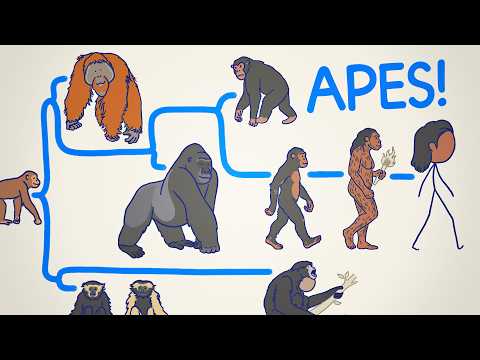
林宜悉 posted on 2026/09/13Ever wondered about the difference between apes and monkeys? This fascinating video dives deep into the ape family tree, from extinct giants like Gigantopithecus to our closest relatives, bonobos and chimpanzees! You'll learn key vocabulary like "pithecus" and discover amazing facts about lesser and great apes, making it a fun and educational watch.
Learn this video on the APP!
The VoiceTube App has more in-depth practice for videos!