
ability
US /əˈbɪlɪti/
UK /ə'bɪlətɪ/
- Noun (Countable/Uncountable)
- The power, resources or skill to do something
- A particular skill or talent.
A2TOEICMoreaccredit
US
UK
- Transitive Verb
- To state that meets certain standards
C1TOEICMoreacute
US /əˈkjut/
UK /əˈkju:t/
- Adjective
- (Of an angle in math) of less than 90 degrees
- Strong; very serious or severe
B1Moreadvantage
US /ædˈvæntɪdʒ/
UK /əd'vɑ:ntɪdʒ/
- Noun (Countable/Uncountable)
- Thing making the chance of success higher
- A positive point about something
- Transitive Verb
- To make use of something, especially to further one's own position; exploit.
A2TOEICMoreapproximately
US /əˈprɑksəmɪtlɪ/
UK /əˈprɒksɪmətli/
- Adverb
- Around; nearly; almost; about (a number)
A2TOEICMorearound the clock
US /əˈraʊnd ði klɑk/
UK /əˈraund ðə klɔk/
- Phrase
- All day and all night; continuously.
A1Moreas long as
US /æz lɔŋ æz/
UK /æz lɔŋ æz/
- Conjunction
- For the period that; provided that.
- For the length of time that
- Preposition
- On the condition that; providing that.
- Having the same length as.
A1Morebased on
US
UK
- Phrasal Verb
- To use something as the foundation or starting point for something else.
- Preposition
- Using something as the main idea or foundation.
- Relying on something as evidence or justification.
A1Morecareer
US /kəˈrɪr/
UK /kə'rɪə(r)/
- Noun (Countable/Uncountable)
- Particular occupation in professional life
- The course of a person's life, especially in a particular pursuit or profession.
- Verb (Transitive/Intransitive)
- To move forward very fast and without control
- To advance or make progress rapidly
A2Morecheck out
US /tʃɛk aʊt/
UK /tʃek aut/
- Phrase
- Phrasal Verb
- To find out information about something
- To take books out of a library
A1Moreclinical
US /ˈklɪnɪkəl/
UK /ˈklɪnɪkl/
- Adjective
- Concerning the treatment or observing patients
- Using scientific techniques and precision
B1Morecommunity
US /kəˈmjunɪti/
UK /kə'mju:nətɪ/
- Noun (Countable/Uncountable)
- Group of people who share a common idea or area
- A feeling of fellowship with others, as a result of sharing common attitudes, interests, and goals.
- Adjective
- Relating to or shared by the people in a particular area.
- Shared or participated in by all members of a group
A2Morededicated
US /ˈdɛdɪˌketɪd/
UK /'dedɪkeɪtɪd/
- Transitive Verb
- To state a person's name in book, song, in respect
- To give your energy, time, etc. completely
- Adjective
- Devoted to a task or purpose; having single-minded loyalty or integrity.
- Designed for or devoted to a specific purpose or task.
B1Moredemand
US /dɪˈmænd/
UK /dɪ'mɑ:nd/
- Noun (Countable/Uncountable)
- Desire customers have to buy product, service
- A strong request for someone to do something
- Transitive Verb
- To strongly request someone to do something
- To need something.
A2TOEICMoredepend
US /dɪˈpend/
UK /dɪˈpend/
- Verb (Transitive/Intransitive)
- Be controlled or determined by (someone/something)
- To rely on someone or something for support, help, or existence.
B1TOEICMoredescription
US /dɪˈskrɪpʃən/
UK /dɪˈskrɪpʃn/
- Noun
- Explanation of what something is like, looks like
- The type or nature of someone or something.
A2TOEICMoredialysis
US
UK
- Noun
- (Medical) taking waste from blood if kidneys are damaged
C1Moredirect
US /dɪˈrɛkt, daɪ-/
UK /də'rekt/
- Transitive Verb
- To tell someone in a very clear way to do something
- To show the way by conducting or leading
- Adverb
- Coming straight from something
A2TOEICMoredisease
US /dɪˈziz/
UK /dɪˈzi:z/
- Noun (Countable/Uncountable)
- Illness that affects a person, animal, or plant
- A disorder of structure or function in a plant, especially one caused by a pathogen.
- Transitive Verb
- To affect with disease; to corrupt or sicken.
A2TOEICMoredisorder
US /dɪsˈɔrdɚ/
UK /dɪs'ɔ:də(r)/
- Uncountable Noun
- State of confusion or a lack of organization
- Illness when the body is not functioning well
- Transitive Verb
- To disrupt the order or arrangement of something.
B2Moredisrupt
US /dɪsˈrʌpt/
UK /dɪsˈrʌpt/
- Transitive Verb
- To cause a disturbance in an activity in progress
B2TOEICMoredive
US /daɪv/
UK /daɪv/
- Noun (Countable/Uncountable)
- Restaurant, bar or club with a bad reputation
- Rapid fall through air
- Intransitive Verb
- To swim deep under water with an air supply
- To rapid fall through air
B1Moreepilepsy
US /'epɪlepsɪ/
UK /'epɪlepsɪ/
- Noun
- Medical condition involving fits or seizures
C1Morefellowship
US /ˈfeloʊʃɪp/
UK /ˈfeləʊʃɪp/
- Uncountable Noun
- Friendly feeling or relationship
- Countable Noun
- Group sharing similar religious beliefs or hopes
- A financial grant of money given to a student
B1Moreheadache
US /ˈhed.eɪk/
UK /ˈhed.eɪk/
- Noun (Countable/Uncountable)
- Pain in the head
- Something that causes worry or annoyance.
B2Morein the world
US /ɪn ði wɜrld/
UK /in ðə wɜː(r)ld/
- Phrase
- Used to emphasize a question expressing surprise, confusion, disbelief
- Used to indicate the extent or degree of something, often in a superlative sense
A1Morein ways
US
UK
- Phrase
- In a manner or by methods that.
- In certain respects or aspects.
A1Moreinterpret
US /ɪnˈtɚprɪt/
UK /ɪn'tɜ:prɪt/
- Verb (Transitive/Intransitive)
- To express so that others understand it
- To translate what is said into another language
A2TOEICMoreintersection
US /ˌɪntɚˈsɛkʃən/
UK /ˌɪntə'sekʃn/
- Noun (Countable/Uncountable)
- Place where two things cross
- A point or line common to two or more lines or surfaces that cross or meet.
B2Morelethal
US /ˈliθəl/
UK /'li:θl/
- Adjective
- Causing or able to cause death
B2Moremassive
US /ˈmæsɪv/
UK /ˈmæsɪv/
- Adjective
- Very big; large; too big
- Large or imposing in scale or scope.
B1Moremedication
US /ˌmɛdɪˈkeʃən/
UK /ˌmedɪˈkeɪʃn/
- Noun (Countable/Uncountable)
- Substance to relieve pain or cure sickness
B2Moremuscular
US /ˈmʌskjəlɚ/
UK /ˈmʌskjələ(r)/
- Adjective
- Having strong or developed muscles
B1Moreneurological
US /ˌnjʊrəˈlɑdʒɪkəl/
UK /ˌnjʊərəˈlɒdʒɪkl/
- Adjective
- Concerning, used in or practicing neurology
B2Moreneurologist
US /nʊˈrɑ:lədʒɪst/
UK /njʊəˈrɒlədʒɪst/
- Noun
- Doctor specializing in the nervous system
B2Moreno matter
US
UK
- Conjunction
- Regardless of; it does not matter.
- Adverb
- Regardless of; it is not important
A1Moreon the table
US /ɑn ði ˈtebəl/
UK /ɔn ðə ˈteibl/
- Phrase
- Located on the surface of a table.
- Available for consideration or discussion.
A1Morepattern
US /ˈpætən/
UK /'pætn/
- Noun (Countable/Uncountable)
- Model to follow in making or doing something
- Colors or shapes which are repeated on objects
- Transitive Verb
- To copy the way something else is made
- To decorate with a pattern.
A2TOEICMorepediatric
US /ˌpi:dɪ'ætrɪk/
UK /ˌpi:dɪ'ætrɪk/
- Adjective
- Concerning the medical care of children
C2Moreperipheral
US /pəˈrɪfərəl/
UK /pəˈrɪfərəl/
- Noun
- Computer devices attached to the computer
- Adjective
- Not connected to the main or important part of
B2Morepersonality
US /ˌpɚsəˈnælɪti/
UK /ˌpɜ:səˈnæləti/
- Noun (Countable/Uncountable)
- Way someone is or reacts to life or other people
- Person who is famous; celebrity
A2Morepressure
US /ˈprɛʃɚ/
UK /'preʃə(r)/
- Noun (Countable/Uncountable)
- Anxiety caused by difficult problems
- Force, weight when pressing against a thing
- Transitive Verb
- To apply force to something
- To persuade or force someone to do something
A2TOEICMoreprimary
US /ˈpraɪˌmɛri, -məri/
UK /'praɪmərɪ/
- Adjective
- Most important, most basic or essential
- Happening first; earliest
B2Moreprocedural
US /prəˈsidʒərəl/
UK /prə'si:dʒərəl/
- Adjective
- Concerning the normal steps taken to do something
B1TOEICMorerather than
US
UK
- Adverb
- More exactly; more correctly
- Preferably; instead
- Preposition
- Instead of
A1Moreresearch
US /rɪˈsɚtʃ, ˈriˌsɚtʃ/
UK /rɪ'sɜ:tʃ/
- Verb (Transitive/Intransitive)
- To study in order to discover new ideas and facts
- To study the market relating to marketing products and services.
- Noun (Countable/Uncountable)
- Study done to discover new ideas and facts
- A particular area or topic of study.
A2TOEICMoreresidency
US /ˈrɛzɪdənsi, -ˌdɛn-/
UK /ˈrezɪdənsi/
- Uncountable Noun
- Training for a junior doctor in hospital
- A period of time when an artist, writer, or musician lives and works in a particular place.
C2Moreroughly
US /ˈrʌflɪ/
UK /ˈrʌfli/
- Adverb
- Approximately; (of numbers) about; around
- In a manner that is violent or not careful
B1Moreseizure
US /ˈsiʒɚ/
UK /'si:ʒə(r)/
- Noun (Countable/Uncountable)
- Act of taking control of something by force
- (Medical) sudden attack of illness, e.g. epileptic fit
B2Moreshift
US /ʃɪft/
UK /ʃɪft/
- Verb (Transitive/Intransitive)
- To change in position or direction
- To move something from one place to another
- Noun (Countable/Uncountable)
- A change in a persons plans, opinions or beliefs
- Period of work starting at a certain time
A2Morespecialty
US /ˈspɛʃəlti/
UK /ˈspeʃəlti/
- Noun
- Skill or a dish that a person, business is good at
- The specific area of your field
- Adjective
- Having a particular role or function
B1TOEICMorespectrum
US /ˈspɛktrəm/
UK /'spektrəm/
- Noun
- The wavelengths of colors from red to violet
- a range of different positions, opinions, etc. between two extreme points
B1Morestroke
US /strok/
UK /strəʊk/
- Noun (Countable/Uncountable)
- When blood cannot get to brain, causing damage
- Mark made by a pen, pencil or brush
- Transitive Verb
- To rub your hand in a caring way on something
B1Moresurgery
US /ˈsɚdʒəri/
UK /'sɜ:dʒərɪ/
- Noun (Countable/Uncountable)
- Medical operation involving cutting into body
- A doctor's office; health clinic
B1Moresurgical
US /ˈsɜ:rdʒɪkl/
UK /ˈsɜ:dʒɪkl/
- Adjective
- Of or relating to surgery or operations
B2Moretraumatic
US /traʊˈmætɪk/
UK /trɔ:ˈmætɪk/
- Adjective
- Causing upsetting emotional effects over time
- Causing an injury
B2Morevascular
US /ˈvæskjəlɚ/
UK /ˈvæskjələ(r)/
- Adjective
- Of tubes through which fluids flow in body/plant
C1More
Vocabulary
- in ways: In a manner or by methods that.
- on the table: Located on the surface of a table.
- around the clock: All day and all night; continuously.
- check out
- rather than: More exactly; more correctly
- as long as: For the period that; provided that.
- based on: To use something as the foundation or starting point for something else.
- no matter: Regardless of; it does not matter.
- in the world: Used to emphasize a question expressing surprise, confusion, disbelief
- massive: Very big; large; too big
- dedicated: To state a person's name in book, song, in respect
- pattern: Model to follow in making or doing something
- description: Explanation of what something is like, looks like
- term: Conditions applying to an agreement, contract
- disorder: State of confusion or a lack of organization
- common: Area in a city or town that is open to everyone
- advantage: Thing making the chance of success higher
- spectrum: The wavelengths of colors from red to violet
- treat: To pay for the food or enjoyment of someone else
- community: Group of people who share a common idea or area
- traumatic: Causing upsetting emotional effects over time
- approximately: Around; nearly; almost; about (a number)
- career: Particular occupation in professional life
- interpret: To express so that others understand it
- disease: Illness that affects a person, animal, or plant
- demand: Desire customers have to buy product, service
- lethal: Causing or able to cause death
- roughly: Approximately; (of numbers) about; around
- research: To study in order to discover new ideas and facts
- pressure: Anxiety caused by difficult problems
- ability: The power, resources or skill to do something
- shift: To change in position or direction
- stroke: When blood cannot get to brain, causing damage
- field: Area of study, such as physics or biology
- disrupt: To cause a disturbance in an activity in progress
- brain: To strike someone forcefully on the head
- personality: Way someone is or reacts to life or other people
- direct: To tell someone in a very clear way to do something
- primary: Most important, most basic or essential
- apply: To spread a substance or liquid over a surface
- surgery: Medical operation involving cutting into body
- neurological: Concerning, used in or practicing neurology
- dive: Restaurant, bar or club with a bad reputation
- clinical: Concerning the treatment or observing patients
- acute: (Of an angle in math) of less than 90 degrees
- intersection: Place where two things cross
- depend: Be controlled or determined by (someone/something)
- manage: To survive hardships and difficulties; to cope
- event: Any social gathering; occasion; planned activity
- specialty: Skill or a dish that a person, business is good at
- program: To make someone act or think in a certain way
- seizure: Act of taking control of something by force
- peripheral: Computer devices attached to the computer
- medication: Substance to relieve pain or cure sickness
- make: To arrange or prepare something e.g. dinner
- deep: Complex and important
- include: To make someone, something part of a group
- part: Division of a book
- epilepsy: Medical condition involving fits or seizures
- train: Line of people, animals moving the same direction
- life: All the living things e.g. animals, plants, humans
- surgical: Of or relating to surgery or operations
- muscular: Having strong or developed muscles
- headache: Pain in the head
- fellowship: Friendly feeling or relationship
- procedural: Concerning the normal steps taken to do something
- pediatric: Concerning the medical care of children
- residency: Training for a junior doctor in hospital
- neurologist: Doctor specializing in the nervous system
- vascular: Of tubes through which fluids flow in body/plant
- dialysis: (Medical) taking waste from blood if kidneys are damaged
- accredit: To state that meets certain standards
Get the full experience in the app
Learn anywhere with detailed sentence and usage analysis
01:03
She took a brave step forward, leaving behind her comfort zone to chase her dreams.
Vocabulary
- brave
adj. Having courage
- comfort zone
phr. A familiar situation where one feels safe
Explanation
a brave step is a noun phrase, where brave is an adjective modifying the noun step, meaning "a courageous step".
forward is an adverb modifying step, meaning "ahead".
The whole phrase serves as the object, answering the "what" of took (verb) — she took a brave step forward.
Get the full experience in the app
Look up words anytime with pronunciation, part of speech, and usage
brave
US/brev/
UK/breɪv/
adj.Brave
v.t.To bravely face
A2 Elementary
Get the full experience in the app
Practice speaking anytime and get instant pronunciation feedback
Try this speaking exercise.
Try practicing with this sentence.
80
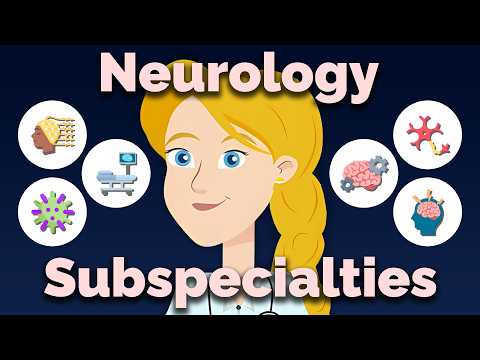
10 Neurology Subspecialties Explained
0
林宜悉 posted on 2026/09/12Ever wondered about the different paths a neurologist can take? This video breaks down 10 fascinating neurology subspecialties, from vascular neurology and stroke medicine to epilepsy and movement disorders. You'll get a clear picture of what each field involves and the unique skills you'll develop, making it a must-watch for anyone curious about the brain!
Learn this video on the APP!
The VoiceTube App has more in-depth practice for videos!