
argument
US /ˈɑrɡjəmənt/
UK /ˈɑ:gjumənt/
- Noun (Countable/Uncountable)
- Discussion in which you disagree with someone
- A presentation of reasons for or against an idea
A2TOEICMoreask in
US /æsk ɪn/
UK /ɑ:sk ɪn/
- other
- To invite someone to enter one's home or place.
B1Moreat least
US /æt list/
UK /æt li:st/
- Adverb
- As a minimum
- Not less than
- Phrase
- No less than; at the minimum
- Used to indicate that something is positive in a bad situation.
C2Morebasically
US /ˈbesɪkəli,-kli/
UK /ˈbeɪsɪkli/
- Adverb
- Used before you explain something simply, clearly
- In essence; when you consider the most important aspects of something.
A2Morecasual
US /ˈkæʒuəl/
UK /ˈkæʒuəl/
- Adjective
- Being careless or having little thought or effort
- (Of clothes, etc.) not formal; easy to wear
- Countable Noun
- A worker employed on a temporary or irregular basis.
- A job as a musician that is not regular or permanent.
A2Morecome back
US /kʌm bæk/
UK /kʌm bæk/
- Phrasal Verb
- To reply to someone, often forcefully
- To be remembered
A1Moreconcede
US /kənˈsid/
UK /kən'si:d/
- Verb (Transitive/Intransitive)
- To admit that something is true
B2Moreconcession
US /kənˈsɛʃən/
UK /kən'seʃn/
- Noun
- Special right granted, as by someone in authority
- Giving something up to reach an agreement
- Adjective
- A discount (e.g. for a bus) for being young, old
B1Morecontext
US /ˈkɑnˌtɛkst/
UK /ˈkɒntekst/
- Noun (Countable/Uncountable)
- Set of facts surrounding a person or event
- The circumstances that form the setting for an event, statement, or idea, and in terms of which it can be fully understood and assessed.
A2Morecontribute
US /kənˈtrɪbjut/
UK /kən'trɪbju:t/
- Verb (Transitive/Intransitive)
- To be a factor in causing something to happen
- To donate, give (money) or help to something
A2Moreconversation
US /ˌkɑnvɚˈseʃən/
UK /ˌkɒnvəˈseɪʃn/
- Uncountable Noun
- Talking with other people; discussion or chat
- General communication or interaction.
A2Morecurse
US /kɚs/
UK /kɜ:s/
- Verb (Transitive/Intransitive)
- To use offensive language when angry; swear
- Noun
- Act to cause trouble to others
- A word or phrase used to express anger or annoyance.
B1Moredamn
US /dæm/
UK /dæm/
- Transitive Verb
- To cause the downfall or failure of; criticize
- To threaten with everlasting punishment
- Interjection
- A mild swear word used to express annoyance
B2Moredeal with
US /dil wɪð/
UK /di:l wið/
- Verb (Transitive/Intransitive)
- To buy or sell goods or services.
- Phrasal Verb
- To take action to solve a problem or manage a situation.
- To be about; concern.
A1Moredisagree
US /ˌdɪsəˈɡri/
UK /ˌdɪsə'ɡri:/
- Intransitive Verb
- To have a different opinion; to fail to agree
B2TOEICMoredowntown
US /ˈdaʊnˌtaʊn/
UK /ˌdaʊnˈtaʊn/
- Adjective
- Located in the business part of a town
- (informal) Fashionable, trendy, or cool.
- Noun
- The main business or commercial area of a city.
B2TOEICMoreelection
US /ɪˈlɛkʃən/
UK /ɪ'lekʃn/
- Noun
- Process of choosing someone by voting
B1TOEICMoreexpression
US /ɪkˈsprɛʃən/
UK /ɪk'spreʃn/
- Noun (Countable/Uncountable)
- Act of making your thoughts and feelings known
- Group of words that have a specific meaning
A2TOEICMorefor example
US
UK
- Phrase
- As an illustration or instance.
for myself
US /fɚ maɪˈsɛlf/
UK /fə maɪˈself/
- other
- Done for one's own benefit or use.
A1Morefor now
US /fɔr naʊ/
UK /fɔ: nau/
- Phrase
- Temporarily; for the present time.
- In the short term; for the immediate future.
A1Moregrammar
US /ˈɡræmɚ/
UK /ˈgræmə(r)/
- Uncountable Noun
- Book describing the syntactic rules of a language
- Rules explaining how words are used in a language
B1Morehave to
US /hæv tu/
UK /ˈhæv tə/
- Auxiliary Verb
- Must do
A1Morehomelessness
US /'hoʊmləsnəs/
UK /'həʊmləsnəs/
- Uncountable Noun
- Having no home; living on the streets
B1Morehomework
US /ˈhomˌwɚk/
UK /ˈhəumwə:k/
- Noun
- Work that a student is given to do at home
B2Morein writing
US
UK
- Phrase
- Expressed or presented in written form, rather than spoken.
- Officially recorded in a written document, especially for legal purposes.
A1Moreinformal
US /ɪnˈfɔrməl/
UK /inˈfɔ:məl/
- Adjective
- Casual; relaxed
- Not official; not done by the rules
B1TOEICMoreinstead of
US /ɪnˈstɛd ʌv/
UK /inˈsted ɔv/
- Preposition
- When one thing is replaced by another
- Adverb
- As a substitute or alternative.
A1Morelogical
US /ˈlɑdʒɪkəl/
UK /ˈlɒdʒɪkl/
- Adjective
- Sensible; reasonable
A2Morelook at
US /lʊk æt/
UK /luk æt/
- Phrasal Verb
- To use your eyes to focus on something
- To focus your eyes on something carefully
A1Moremaverick
US /ˈmævərɪk, ˈmævrɪk/
UK /'mævərɪk/
- Countable Noun
- Person who does not like to follow the rules
C1TOEICMoremayor
US /ˈmeɪər/
UK /meə(r)/
- Noun
- Head of a town or city government
B1TOEICMoremeet up
US /mit ʌp/
UK /mi:t ʌp/
- Phrasal Verb
- To arrange to meet someone.
A1Moremove on
US /muv ɑn/
UK /mu:v ɔn/
- Phrasal Verb
- To decide to change or go to a different place
- To start talking about something different.
A1Morenegative
US /ˈnɛɡətɪv/
UK /'neɡətɪv/
- Noun
- The opposite to a positive electrical charge
- In grammar, containing words such as 'no' or 'not'
- Adjective
- Being harmful, unwanted or unhelpful
- In mathematics, being less than zero
A2Morenews article
US
UK
- Noun (Countable/Uncountable)
- A written report in a newspaper or magazine, or on a website, presenting news or information.
- A piece of writing that reports on a recent event or situation, often including analysis or commentary.
B1Moreof course
US /ʌv kɔː(r)s/
UK /ɔv kɔː(r)s/
- Adverb
- Sure ; Certainly
- Phrase
- For sure; certainly
A2Moreof means
US /ʌv minz/
UK /əv mi:nz/
- other
- Having resources or wealth available for use.
B2Moreon the other hand
US
UK
- Phrase
- Considering a different aspect of the matter; alternatively.
A1Moreon to
US /ɑn tu/
UK /ɔn tu:/
- Preposition
- Toward something; forward
- Aware of someone's activities.
- Adjective
- Aware of someone's deception or illegal activities.
A1Morepolitic
US /ˈpɑlɪtɪk/
UK /ˈpɒlətɪk/
- Adjective
- Careful what you say; diplomatic
B2Morepositive
US /ˈpɑzɪtɪv/
UK /ˈpɒzətɪv/
- Adjective
- Showing agreement or support for something
- Being sure about something; knowing the truth
- Noun
- A photograph in which light areas are light and dark areas are dark
A2Morepositively
US /ˈpɑ:zətɪvli/
UK /ˈpɒzətɪvli/
- Adverb
- In a manner showing agreement or support for
- Definitely or certainly
B1Morequiz
US /kwɪz/
UK /kwɪz/
- Noun (Countable/Uncountable)
- A game in which players answer questions on topics
- Brief spoken or written test, given to students
- Transitive Verb
- To ask a person many questions about something
B1Moreresponse
US /rɪˈspɑns/
UK /riˈspɔns/
- Noun
- Something said/written as an answer to something
- Reaction to something that has occurred
A2TOEICMorestance
US /stæns/
UK /stæns/
- Noun
- A position or opinion stated in public
- Position or way of standing
B1TOEICMorestatement
US / ˈstetmənt/
UK /ˈsteɪtmənt/
- Noun (Countable/Uncountable)
- Record of activity in a bank account over time
- Act or process of saying something formally
A2TOEICMorestraight
US /stret/
UK /streɪt/
- Adjective
- Not having curves, bends, or angles
- Not gay; heterosexual
- Adverb
- in a line; immediately; honestly and directly
- In a straight line; directly.
A2TOEICMorestranger
US /ˈstrendʒɚ/
UK /'streɪndʒə(r)/
- Noun
- Someone you do not know
A2Moresupportive
US /səˈpɔ:rtɪv/
UK /səˈpɔ:tɪv/
- Adjective
- Providing help and support to someone or something
B1TOEICMoresuppose
US /səˈpoʊz/
UK /sə'pəʊz/
- Verb (Transitive/Intransitive)
- To imagine or guess what might happen
- Conjunction
- What if
A2TOEICMoreswift
US /swɪft/
UK /swɪft/
- Adjective
- Quick
B1TOEICMorethink of
US /θɪŋk ʌv/
UK /θiŋk ɔv/
- Phrasal Verb
- To look on as (being something specific); consider
- To consider or remember something.
- Verb (Transitive/Intransitive)
- To imagine or call something to mind
A1Moreto the point
US /tu ði pɔɪnt/
UK /tu: ðə pɔint/
- Adjective
- Expressing something directly and without unnecessary detail.
- Phrase
- Relevant and pertinent to the matter at hand.
A2Morevocabulary
US /voˈkæbjəˌlɛri/
UK /və'kæbjələrɪ/
- Uncountable Noun
- Words that have to do with a particular subject
- The words that a person knows
B1TOEICMorewith it
US /wɪð ɪt/
UK /wið it/
- Adjective
- Intelligent, alert, and up-to-date.
- Understanding and knowledgeable about current trends or information.
A1More
Vocabulary
- of course: Sure ; Certainly
- have to: Must do
- for example: As an illustration or instance.
- at least: As a minimum
- to the point: Expressing something directly and without unnecessary detail.
- look at: To use your eyes to focus on something
- meet up: To arrange to meet someone.
- on the other hand : Considering a different aspect of the matter; alternatively.
- of means: Having resources or wealth available for use.
- in writing: Expressed or presented in written form, rather than spoken.
- news article: A written report in a newspaper or magazine, or on a website, presenting news or information.
- on to: Toward something; forward
- move on: To decide to change or go to a different place
- for now: Temporarily; for the present time.
- think of: To look on as (being something specific); consider
- for myself: Done for one's own benefit or use.
- with it: Intelligent, alert, and up-to-date.
- deal with
- instead of: When one thing is replaced by another
- ask in: To invite someone to enter one's home or place.
- come back: To reply to someone, often forcefully
- sort: To organize things by putting them into groups
- context: Set of facts surrounding a person or event
- expression: Act of making your thoughts and feelings known
- evidence: Factual proof that helps to establish the truth
- basically: Used before you explain something simply, clearly
- straight: Not having curves, bends, or angles
- vocabulary: Words that have to do with a particular subject
- positive: Showing agreement or support for something
- negative: The opposite to a positive electrical charge
- sense: Certain mental feeling or emotion
- doubt: Not being sure of something; lack of certainty
- conversation: Talking with other people; discussion or chat
- contribute: To be a factor in causing something to happen
- suppose: To imagine or guess what might happen
- bit: Device put in a horse's mouth to control it
- casual: Being careless or having little thought or effort
- statement: Record of activity in a bank account over time
- mean: Average of a set of numbers
- similar: Nearly the same; alike
- response: Something said/written as an answer to something
- grammar: Book describing the syntactic rules of a language
- curse: To use offensive language when angry; swear
- guess: To give an answer without knowing if it is correct
- fair: Neither very good nor very bad; average
- accept: To agree to receive or take something offered
- argument: Discussion in which you disagree with someone
- quiz: A game in which players answer questions on topics
- mind: To be bothered or upset by something
- stance: A position or opinion stated in public
- damn: To cause the downfall or failure of; criticize
- informal: Casual; relaxed
- lot: What happens to a person in life from chance; fate
- kind: In a caring and helpful manner
- logical: Sensible; reasonable
- concession: Special right granted, as by someone in authority
- simple: Not hard to understand or do; not complex
- election: Process of choosing someone by voting
- point: An item to be discussed
- stranger: Someone you do not know
- disagree: To have a different opinion; to fail to agree
- mayor: Head of a town or city government
- swift: Quick
- supportive: Providing help and support to someone or something
- downtown: Located in the business part of a town
- concede: To admit that something is true
- politic: Careful what you say; diplomatic
- positively: In a manner showing agreement or support for
- maverick: Person who does not like to follow the rules
- homework: Work that a student is given to do at home
- homelessness: Having no home; living on the streets
Get the full experience in the app
Learn anywhere with detailed sentence and usage analysis
01:03
She took a brave step forward, leaving behind her comfort zone to chase her dreams.
Vocabulary
- brave
adj. Having courage
- comfort zone
phr. A familiar situation where one feels safe
Explanation
a brave step is a noun phrase, where brave is an adjective modifying the noun step, meaning "a courageous step".
forward is an adverb modifying step, meaning "ahead".
The whole phrase serves as the object, answering the "what" of took (verb) — she took a brave step forward.
Get the full experience in the app
Look up words anytime with pronunciation, part of speech, and usage
brave
US/brev/
UK/breɪv/
adj.Brave
v.t.To bravely face
A2 Elementary
Get the full experience in the app
Practice speaking anytime and get instant pronunciation feedback
Try this speaking exercise.
Try practicing with this sentence.
80
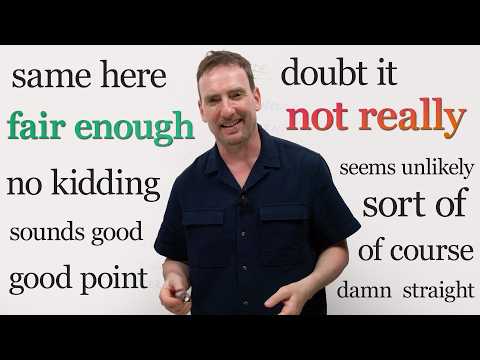
20 Two-Word Expressions to Agree & Disagree in English
0
林宜悉 posted on 2026/09/11Ever wanted to sound more natural when agreeing or disagreeing in English? This video breaks down 20 essential two-word phrases that native speakers use all the time to show support, concede a point, or express a different opinion. You'll pick up super useful expressions like "Sounds good," "Fair enough," and "Doubt it" to make your conversations flow smoothly!
Learn this video on the APP!
The VoiceTube App has more in-depth practice for videos!