
abandon
US /əˈbændən/
UK /ə'bændən/
- Transitive Verb
- To discard or intentionally get rid of an item
- To withdraw your support, or leave someone
- Uncountable Noun
- Wild, carefree behavior
B1Moreability
US /əˈbɪlɪti/
UK /ə'bɪlətɪ/
- Noun (Countable/Uncountable)
- The power, resources or skill to do something
- A particular skill or talent.
A2TOEICMoreacross the board
US
UK
- Phrase
- Broad in scope or content
- Adverb
- Applying to all; comprehensive; universal.
- Involving all sectors, categories, or items.
A1Moreadapt
US /əˈdæpt/
UK /ə'dæpt/
- Transitive Verb
- To change something for a different function
- To change something to fit or suit a new purpose
- Intransitive Verb
- To change your behaviour so that it is easier to live in a new place or situation
B1TOEICMoreadministration
US / ædˌmɪnɪˈstreʃən/
UK /ədˌmɪnɪˈstreɪʃn/
- Uncountable Noun
- Act of giving e.g. medicine to a patient
- The work of running something, e.g. a business
B1TOEICMoreaircraft
US /ˈɛrˌkræft/
UK /ˈɛəkrɑ:ft/
- Countable Noun
- Vehicle that can fly
C2TOEICMorearmor
US /ˈɑrmɚ/
UK /'ɑ:mə/
- Noun
- Defensive (e.g. metal) covering for bodies, things
- Transitive Verb
- To cover something in metal to protect it
C1Moreas long as
US /æz lɔŋ æz/
UK /æz lɔŋ æz/
- Conjunction
- For the period that; provided that.
- For the length of time that
- Preposition
- On the condition that; providing that.
- Having the same length as.
A1Moreat least
US /æt list/
UK /æt li:st/
- Adverb
- As a minimum
- Not less than
- Phrase
- No less than; at the minimum
- Used to indicate that something is positive in a bad situation.
C2Moreat risk
US
UK
- Phrase
- In danger; likely to be harmed
at the same time
US
UK
- Phrase
- Simultaneously; at the identical moment.
- Nevertheless; however; used to introduce a contrasting or qualifying statement.
A1Moreattempt
US /əˈtɛmpt/
UK /ə'tempt/
- Verb (Transitive/Intransitive)
- To try to do something challenging or difficult
- Noun
- Effort made to try to do or accomplish something
A2TOEICMoreblow
US /blo/
UK /bləʊ/
- Verb (Transitive/Intransitive)
- To move something using air
- To make air come quickly out of your mouth
- Noun
- Something that causes you difficulty or sadness
- Act of making air come out of your mouth
A2Moreblow up
US /blo ʌp/
UK /bləu ʌp/
- Phrasal Verb
- To suddenly become angry
- To put air in something, e.g. a tire or balloon
- Verb (Transitive/Intransitive)
- To explode; to be destroyed by an explosion.
A2Moreblunt
US /blʌnt/
UK /blʌnt/
- Adjective
- Without a sharp edge or point
- Speaking directly; without trying to be polite or kind
- Transitive Verb
- To make dull or lessen the sharpness of something
B1Morecome up with
US /kʌm ʌp wɪð/
UK /kʌm ʌp wið/
- Phrasal Verb
- To think of an idea or solution; produce
A1Morecontrast
US /ˈkɑ:ntræst/
UK /'kɒntrɑ:st/
- Verb (Transitive/Intransitive)
- To compare; to show clear, obvious differences
- Noun (Countable/Uncountable)
- Comparison that shows obvious differences
- Difference in light and dark in photos, etc.
A2Moredamage
US /ˈdæmɪdʒ/
UK /ˈdæmɪdʒ/
- Noun (Countable/Uncountable)
- Physical harm that is done to something
- Transitive Verb
- To harm physically; to hurt or break something
- To harm the reputation of someone.
A2TOEICMoreenemy
US /ˈɛnəmi/
UK /ˈenəmi/
- Noun
- Something that stops you doing what you want
- Group, or people, you are opposed to
A2Morefigure out
US /ˈfɪɡjɚ aʊt/
UK /ˈfiɡə aut/
- Phrasal Verb
- To understand the behavior of someone
- To think through logically to find a solution
- Verb (Transitive/Intransitive)
- To understand or find an answer to something.
- To find a solution to a problem or understand something.
A1Morefor example
US
UK
- Phrase
- As an illustration or instance.
get out of
US /ɡɛt aʊt ʌv/
UK /ɡet aut ɔv/
- Phrasal Verb
- To leave or escape responsibilities, troubles
- To leave a small, enclosed vehicle
A1Morego on
US /ɡo ɑn/
UK /ɡəu ɔn/
- Phrasal Verb
- To continue doing something
- To happen (usually negative)
- Interjection
- Used to encourage someone
A1Moregot to
US /ɡɑt tu/
UK /gɔt tu:/
- Verb (Transitive/Intransitive)
- To arrive at some place
- To have the opportunity or permission to do something
- Phrasal Verb
- To appeal to the emotions of; move
- To finally begin to start something after a delay
A1Moregulf
US /ɡʌlf/
UK /gʌlf/
- Noun (Countable/Uncountable)
- Part of a sea partially surrounded by land
- Wide separation or difference between two groups
B1Morehave to
US /hæv tu/
UK /ˈhæv tə/
- Auxiliary Verb
- Must do
A1Morein fact
US /ɪn fækt/
UK /in fækt/
- Adverb
- Used to emphasize the truth of a statement, especially one that contrasts with or contradicts something else.
- Used to introduce a more detailed or surprising piece of information.
- Phrase
- Used to emphasize the truth of a statement, especially one that is surprising or contrary to what might be expected.
C1Morein part
US /ɪn pɑrt/
UK /in pɑ:t/
- Adverb
- To some extent; partially.
A1Moreincredibly
US /ɪnˈkrɛdəblɪ/
UK /ɪnˈkredəbli/
- Adverb
- To a great degree; very; amazingly
- Extremely; so much so it is hard to believe
A2Moreincredibly important
US
UK
- Adjective
- Extremely significant or crucial.
A1Morelook at
US /lʊk æt/
UK /luk æt/
- Phrasal Verb
- To use your eyes to focus on something
- To focus your eyes on something carefully
A1Morelucrative
US /ˈlukrətɪv/
UK /ˈlu:krətɪv/
- Adjective
- Producing a lot of money
B1TOEICMoremajor
US /ˈmedʒɚ/
UK /'meɪdʒə(r)/
- Countable Noun
- High-ranking officer in the army
- Main subject you study at university
- Adjective
- Main league; esp. referring to American baseball
- Important, serious, or large in scope, size
A2TOEICMoremajor general
US
UK
- Noun
- A high-ranking officer in the army, above a brigadier general and below a lieutenant general.
B1Moremassive
US /ˈmæsɪv/
UK /ˈmæsɪv/
- Adjective
- Very big; large; too big
- Large or imposing in scale or scope.
B1Moremilitary
US /ˈmɪlɪˌtɛri/
UK /'mɪlətrɪ/
- Noun
- Army or armed forces
- Adjective
- Concerning the army or navy
B1Moremissile
US /ˈmɪsəl/
UK /ˈmisail/
- Noun
- A weapon that is thrown, shot or launched
- A self-propelled guided weapon.
- Adjective
- Relating to or used in missiles.
B1Moremodify
US /ˈmɑ:dɪfaɪ/
UK /ˈmɒdɪfaɪ/
- Transitive Verb
- To make minor change to something
B1Moremultiple
US /ˈmʌltəpəl/
UK /ˈmʌltɪpl/
- Adjective
- Having or involving more than one of something
- Having or involving several parts, elements, or members.
- Countable Noun
- Number produced by multiplying a smaller number
- A number of identical circuit elements connected in parallel or series.
B1Morenegotiate
US /nɪˈgoʊʃieɪt/
UK /nɪˈgəʊʃieɪt/
- Verb (Transitive/Intransitive)
- To have a formal discussion to reach an agreement
- To manage a difficult task or path successfully
B1TOEICMoreof course
US /ʌv kɔː(r)s/
UK /ɔv kɔː(r)s/
- Adverb
- Sure ; Certainly
- Phrase
- For sure; certainly
A2Moreon the ground
US
UK
- Phrase
- Located on the surface of the earth.
- Present and available in a particular place, especially to deal with a situation.
on top of that
US
UK
- Phrase
- In addition to something already mentioned; furthermore.
A1Moreother places
US
UK
- Phrase
- Different locations or areas
presence
US /ˈprɛzəns/
UK /ˈprezns/
- Noun
- The same place or area that a person is
- Ability to reach a market, group of people etc.
A2Morepresident
US /ˈprɛzɪdənt,-ˌdɛnt/
UK /ˈprezɪdənt/
- Noun
- Person in charge of a country, or organization
- The highest-ranking executive in a corporation or organization.
A2TOEICMorerandy
US /ˈrændi/
UK /'rændɪ/
- Adjective
- Wanting to have sex (often)
B2Morereduction
US /rɪˈdʌkʃən/
UK /rɪ'dʌkʃn/
- Noun
- Act of making something smaller
B1Moreresponse
US /rɪˈspɑns/
UK /riˈspɔns/
- Noun
- Something said/written as an answer to something
- Reaction to something that has occurred
A2TOEICMoreretaliation
US / rɪˌtælɪˈeʃən/
UK /rɪˌtælɪˈeɪʃn/
- Uncountable Noun
- Revenge for something harmful or wrong
B2Moresame time
US
UK
- Phrase
- Occurring simultaneously or at the same point in time.
- At the identical time as before; recurring at a fixed hour.
- Noun
- An equal duration or period.
A1Moreseize
US /siz/
UK /si:z/
- Transitive Verb
- To take a place with force, as by military action
- To arrest or catch someone
B1Morespecifically
US /spəˈsɪfɪkli/
UK /spəˈsɪfɪkli/
- Adverb
- As regards a particular thing; closely related to
- In a definite and clear manner.
A2Morestrait
US /stret/
UK /streɪt/
- Noun
- Channel joining large bodies of water
C2Morestrategy
US /ˈstrætədʒi/
UK /'strætədʒɪ/
- Noun (Countable/Uncountable)
- Careful plan or method for achieving a goal
- Branch of military dealing with command
A2TOEICMorestrike
US /straɪk/
UK /straɪk/
- Transitive Verb
- To hit something
- To remove or erase.
- Noun (Countable/Uncountable)
- A punch or hit
- Fact of not hitting the ball when playing baseball
A2TOEICMoresuch as
US /sʌtʃ æz/
UK /sʌtʃ æz/
- Preposition
- For example; like
A1Moretalking about
US
UK
- Phrasal Verb
- To discuss a particular topic.
- To be constantly mentioning or bringing up a subject.
A1Moretarget
US /ˈtɑrɡɪt/
UK /'tɑ:ɡɪt/
- Noun (Countable/Uncountable)
- A goal or amount you are trying to achieve
- Group you are trying to sell to or influence
- Transitive Verb
- To try to influence; direct a message toward
- (Army) to aim an attack at something
A2TOEICMoreunder control
US /ˈʌndɚ kənˈtrol/
UK /ˈʌndə kənˈtrəul/
- Adjective
- Being managed or restrained; not out of hand.
- Having one's emotions or impulses restrained.
- Phrase
- A situation that is being managed effectively.
C1Moreused to
US /juzd tu/
UK /ˈju:st tə/
- Adjective
- Did regularly before, but don't do now
- Auxiliary Verb
- Have done before, but do not do now
A1Moreviable
US /ˈvaɪəbəl/
UK /ˈvaɪəbl/
- Adjective
- Being capable of living, growing, and developing
B1TOEICMorewarfare
US /ˈwɔrˌfɛr/
UK /ˈwɔ:fɛə/
- Uncountable Noun
- Methods used by those fighting in a war
- Engagement in or the activities involved in war or conflict.
B2Morewith it
US /wɪð ɪt/
UK /wið it/
- Adjective
- Intelligent, alert, and up-to-date.
- Understanding and knowledgeable about current trends or information.
A1More
Vocabulary
- at risk: In danger; likely to be harmed
- on the ground: Located on the surface of the earth.
- have to: Must do
- at least: As a minimum
- in fact: Used to emphasize the truth of a statement, especially one that contrasts with or contradicts something else.
- in part: To some extent; partially.
- major general: A high-ranking officer in the army, above a brigadier general and below a lieutenant general.
- used to: Did regularly before, but don't do now
- talking about: To discuss a particular topic.
- for example: As an illustration or instance.
- figure out: To understand the behavior of someone
- got to: To arrive at some place
- such as: For example; like
- with it: Intelligent, alert, and up-to-date.
- incredibly important: Extremely significant or crucial.
- look at: To use your eyes to focus on something
- blow up: To suddenly become angry
- other places: Different locations or areas
- under control: Being managed or restrained; not out of hand.
- come up with: To think of an idea or solution; produce
- of course: Sure ; Certainly
- get out of: To leave or escape responsibilities, troubles
- on top of that: In addition to something already mentioned; furthermore.
- go on: To continue doing something
- across the board: Broad in scope or content
- at the same time: Simultaneously; at the identical moment.
- same time: Occurring simultaneously or at the same point in time.
- as long as: For the period that; provided that.
- incredibly: To a great degree; very; amazingly
- massive: Very big; large; too big
- strategy: Careful plan or method for achieving a goal
- multiple: Having or involving more than one of something
- presence: The same place or area that a person is
- attempt: To try to do something challenging or difficult
- specifically: As regards a particular thing; closely related to
- general: Widespread, normal or usual
- strike: To hit something
- ability: The power, resources or skill to do something
- military: Army or armed forces
- contrast: To compare; to show clear, obvious differences
- adapt: To change something for a different function
- response: Something said/written as an answer to something
- lucrative: Producing a lot of money
- administration: Act of giving e.g. medicine to a patient
- blow: To move something using air
- risk: To do something potentially dangerous or foolish
- ground: To break (coffee, etc.) into tiny bits with machine
- abandon: To discard or intentionally get rid of an item
- major: High-ranking officer in the army
- blunt: Without a sharp edge or point
- viable: Being capable of living, growing, and developing
- discuss: To talk about seriously or in great detail
- target: A goal or amount you are trying to achieve
- enemy: Something that stops you doing what you want
- lot: What happens to a person in life from chance; fate
- reduction: Act of making something smaller
- kind: In a caring and helpful manner
- hit: To have a negative impact on a person/place/thing
- seize: To take a place with force, as by military action
- president: Person in charge of a country, or organization
- continue: To do something without stopping, or after pausing
- retaliation: Revenge for something harmful or wrong
- aircraft: Vehicle that can fly
- modify: To make minor change to something
- damage: Physical harm that is done to something
- middle: Place that is halfway between two things
- armor: Defensive (e.g. metal) covering for bodies, things
- protect: To defend someone or something from harm or danger
- negotiate: To have a formal discussion to reach an agreement
- remember: To give someone a gift, e.g. birthday, wedding
- strait: Channel joining large bodies of water
- missile: A weapon that is thrown, shot or launched
- clear: Empty; without anything in it or on it
- time: Speed at which music is played; tempo
- happen: To take place or occur
- hear: To be aware of sound; to perceive with the ear
- gulf: Part of a sea partially surrounded by land
- warfare: Methods used by those fighting in a war
- randy: Wanting to have sex (often)
Get the full experience in the app
Learn anywhere with detailed sentence and usage analysis
01:03
She took a brave step forward, leaving behind her comfort zone to chase her dreams.
Vocabulary
- brave
adj. Having courage
- comfort zone
phr. A familiar situation where one feels safe
Explanation
a brave step is a noun phrase, where brave is an adjective modifying the noun step, meaning "a courageous step".
forward is an adverb modifying step, meaning "ahead".
The whole phrase serves as the object, answering the "what" of took (verb) — she took a brave step forward.
Get the full experience in the app
Look up words anytime with pronunciation, part of speech, and usage
brave
US/brev/
UK/breɪv/
adj.Brave
v.t.To bravely face
A2 Elementary
Get the full experience in the app
Practice speaking anytime and get instant pronunciation feedback
Try this speaking exercise.
Try practicing with this sentence.
80
0
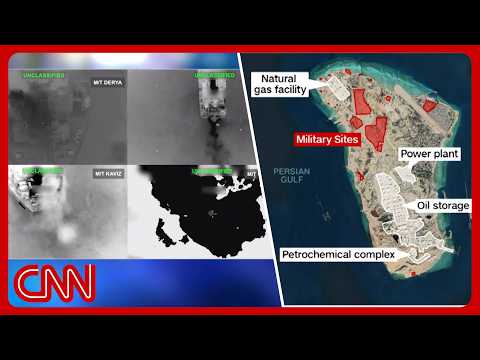
林宜悉 posted on 2026/09/09Get the latest on the tense situation in the Middle East as US forces strike Iranian oil tankers near Kharg Island. You'll hear expert analysis on the escalating conflict, potential retaliation, and the strategic importance of key locations like Kharg Island. This is a fantastic chance to pick up vocabulary related to international conflict and military strategy!
Learn this video on the APP!
The VoiceTube App has more in-depth practice for videos!