
accountable
US /əˈkaʊntəbəl/
UK /əˈkaʊntəbl/
- Adjective
- Be responsible to someone or for some activity
B1Moreaction
US /ˈækʃən/
UK /'ækʃn/
- Noun (Countable/Uncountable)
- Something that a person or thing does
- A lawsuit.
- Intransitive Verb
- To act to do something
A2Moreanimus
US /ˈænəməs/
UK /ˈænɪməs/
- Uncountable Noun
- Hostile feeling toward someone
C1TOEICMorearound the world
US /əˈraʊnd ði wɜrld/
UK /əˈraund ðə wɜː(r)ld/
- Phrase
- In or to many countries.
- In various places throughout the world.
A2Moreass
US /æs/
UK /æs/
- Noun
- (Impolite) part of the human body that you sit on
C2Morebased on
US
UK
- Phrasal Verb
- To use something as the foundation or starting point for something else.
- Preposition
- Using something as the main idea or foundation.
- Relying on something as evidence or justification.
A1Morebasically
US /ˈbesɪkəli,-kli/
UK /ˈbeɪsɪkli/
- Adverb
- Used before you explain something simply, clearly
- In essence; when you consider the most important aspects of something.
A2Moreblow up
US /blo ʌp/
UK /bləu ʌp/
- Phrasal Verb
- To suddenly become angry
- To put air in something, e.g. a tire or balloon
- Verb (Transitive/Intransitive)
- To explode; to be destroyed by an explosion.
A2Morebuild up
US /bɪld ʌp/
UK /bild ʌp/
- Phrasal Verb
- To increase the amount; collect something
- To develop or increase something in stages
- Verb (Transitive/Intransitive)
- To increase or develop something gradually.
- To praise or encourage someone.
A1Morebunch
US /bʌntʃ/
UK /bʌntʃ/
- Noun (Countable/Uncountable)
- A group of things of the same kind
- A group of people.
- Transitive Verb
- To group people or things closely together
B1Moreby nature
US /baɪ ˈnetʃɚ/
UK /bai ˈneitʃə/
- Adverb
- Inherently; by one's character or disposition.
- Phrase
- Inherently; by one's natural disposition or character.
- According to its essential characteristics; intrinsically.
A2Morecharge
US /tʃɑrdʒ/
UK /tʃɑ:dʒ/
- Verb (Transitive/Intransitive)
- To run quickly toward someone to attack them
- To ask for money as a price for a service or goods
- Noun (Countable/Uncountable)
- An attack by running quickly toward someone
- A price for a service or goods
A2Morecolonial
US /kəˈloʊniəl/
UK /kəˈləʊniəl/
- Adjective
- Of a system where one country controls another
B2Morecommunist
US /ˈkɑmjənɪst/
UK /ˈkɒmjənɪst/
- Adjective
- Believer in communism
- Noun
- A person who supports or believes in communism.
B1Moreconservative
US /kənˈsɚvətɪv/
UK /kənˈsɜ:vətɪv/
- Adjective
- (Of an estimate, price) set fairly low
- Resistant to change
- Noun
- Person with traditional ideas; doesn't like change
B1Moredefense
US /dɪˈfɛns/
UK /dɪ'fens/
- Noun (Countable/Uncountable)
- Argument in support of something
- The process of protecting something from attack
B1TOEICMoredestruction
US /dɪˈstrʌkʃən/
UK /dɪ'strʌkʃn/
- Noun
- Act of destroying; damaging beyond repair
- The state of being destroyed or ruined.
B1TOEICMoredirect
US /dɪˈrɛkt, daɪ-/
UK /də'rekt/
- Transitive Verb
- To tell someone in a very clear way to do something
- To show the way by conducting or leading
- Adverb
- Coming straight from something
A2TOEICMoredistract
US /dɪˈstrækt/
UK /dɪ'strækt/
- Transitive Verb
- To draw someone's attention away from something
B1TOEICMoredude
US /dud, djud/
UK /du:d/
- Noun
- Form of address for a man
- (informal) A man; a fellow.
- Interjection
- (informal) Used as a term of address, often between men.
B2Moreenable
US /ɛˈnebəl/
UK /ɪˈneɪbl/
- Transitive Verb
- To make it possible to do something
A2Moreengage
US /ɪn'gedʒ/
UK /ɪn'ɡeɪdʒ/
- Transitive Verb
- To start to fight with an enemy
- To hire someone for a task or job
A2TOEICMoreengage in
US /ɪn'gedʒ ɪn/
UK /ɪnˈɡeɪdʒ in/
- Phrasal Verb
- To participate or become involved in something.
B1Morefederal
US /ˈfɛdərəl, ˈfɛdrəl/
UK /'fedərəl/
- Adjective
- Consisting of several united states
- Relating to a system of government in which power is divided between a central authority and constituent political units.
- Proper Noun
- The central banking system of the United States.
B1Morefor certain
US /fɔr ˈsɚtn/
UK /fɔ: ˈsə:tn/
- Idiom
- Definitely; without a doubt.
- Phrase
- Without any doubt; definitely.
for life
US /fɔr laɪf/
UK /fɔ: laif/
- Phrase
- For the duration of one's life; permanently.
- To support someone for the duration of their life.
- Adjective
- Being a member for the entirety of one's life.
A1Moreforget about
US /fɚˈɡɛt əˈbaʊt/
UK /fəˈɡet əˈbaut/
- Phrasal Verb
- To stop thinking about something; to ignore something.
A1Morefound out
US
UK
- Phrasal Verb
- To learn or discover something, often after some effort.
- To become known; be revealed.
B2Morego out
US /ɡo aʊt/
UK /ɡəu aut/
- Phrase
- To leave a building (e.g. a house)
- Phrasal Verb
- (Of a fire) to burn out; be extinguished
- Go out of fashion to stop being fashionable
A1Moregoal
US /ɡol/
UK /ɡəʊl/
- Noun (Countable/Uncountable)
- Something you try to do or achieve; an aim
- (Sports) net into which you put a ball to score
A2TOEICMoregot to
US /ɡɑt tu/
UK /gɔt tu:/
- Verb (Transitive/Intransitive)
- To arrive at some place
- To have the opportunity or permission to do something
- Phrasal Verb
- To appeal to the emotions of; move
- To finally begin to start something after a delay
A1Moreillegal
US /ɪˈliɡəl/
UK /ɪ'li:ɡl/
- Adjective
- Not allowed by the laws or rules
- Prohibited by law; illicit.
A2Morein jail
US /ɪn dʒel/
UK /in dʒeil/
- Phrase
- Imprisoned; confined in a jail or prison.
B1Morein mind
US /ɪn maɪnd/
UK /in maind/
- Phrase
- Being aware of or considering something.
- To remember or consider something.
A2Morein order to
US /ɪn ˈɔrdɚ tu/
UK /in ˈɔ:də tu:/
- Preposition
- For the purpose of; with the aim of.
- Phrase
- In a specific sequence or arrangement.
- With the aim of; for the purpose of.
C1Morein solidarity
US
UK
- Phrase
- With unity or agreement of feeling or action, especially among individuals with a common interest; showing support or sympathy.
C1Morein the world
US /ɪn ði wɜrld/
UK /in ðə wɜː(r)ld/
- Phrase
- Used to emphasize a question expressing surprise, confusion, disbelief
- Used to indicate the extent or degree of something, often in a superlative sense
A1Morelet it happen
US
UK
- Verb (Transitive/Intransitive)
- To allow something to occur without interference or resistance.
A2Moreliterally
US /ˈlɪtərəli/
UK
- Adverb
- In a literal manner or sense; exactly as stated.
- Used for emphasis to describe something that is actually true, often to highlight surprise or intensity.
B1Morelook at
US /lʊk æt/
UK /luk æt/
- Phrasal Verb
- To use your eyes to focus on something
- To focus your eyes on something carefully
A1Moremad
US /mæd/
UK /mæd/
- Adjective
- Very angry
- Enthusiastic about something
A2Moreminority
US /məˈnɔrɪti, -ˈnɑr-, maɪ-/
UK /maɪ'nɒrətɪ/
- Noun (Countable/Uncountable)
- Group that is smaller and different from the rest
- Part that is less than half the whole; small part
- Adjective
- Being part of a smaller group within a larger one.
B1TOEICMoreoccupy
US /ˈɑkjəˌpaɪ/
UK /'ɒkjʊpaɪ/
- Transitive Verb
- To enter and take control of land/property
- To fill a time, a space, or an area
A2Moreof course
US /ʌv kɔː(r)s/
UK /ɔv kɔː(r)s/
- Adverb
- Sure ; Certainly
- Phrase
- For sure; certainly
A2Moreof the like
US /ʌv ðə laɪk/
UK /əv ðə laɪk/
- other
- And similar kinds or types; alike in category.
B2Moreoff of
US /ɔf ʌv/
UK /ɔf ɔv/
- Preposition
- From a position on something; down from.
A1Moreoop
US
UK
- Interjection
- Sound people make when they make a mistake
C2Moreout there
US /aʊt ðɛr/
UK /aut ðɛə/
- Adverb
- In or to a place that is far away
- Existing in the universe
- Adjective
- Unconventional; strange; avant-garde
- Existing or available.
A1Moreoutside of
US /aʊtˈsaɪd ʌv/
UK /ˌautˈsaid ɔv/
- Preposition
- Located or situated beyond the boundaries or confines of something.
- Beyond the scope, range, or limits of something.
A1Morepolitical
US /pəˈlɪtɪkəl/
UK /pəˈlɪtɪkl/
- Adjective
- Being active or interested in government matters
- Diplomatic
A2Moreracial
US /ˈreʃəl/
UK /ˈreɪʃl/
- Adjective
- Of or relating to race
B2Moreresentment
US /rɪˈzɛntmənt/
UK /rɪˈzentmənt/
- Uncountable Noun
- Feeling of anger because of unfair treatment
B1Moreruin
US /ˈruɪn/
UK /'ru:ɪn/
- Transitive Verb
- To damage or completely destroy something
- To cause someone to lose their money or status
- Noun (Countable/Uncountable)
- Remains of a building that has been destroyed
- The state of being destroyed or severely damaged.
B1Moresee in
US /si ɪn/
UK /si: in/
- Phrasal Verb
- To accompany someone to the entrance of a building or room.
A1Moreshoot
US /ʃut/
UK /ʃu:t/
- Verb (Transitive/Intransitive)
- To kick or throw a ball at a goal
- To fire a gun; injure or kill someone with a gun
- Countable Noun
- Emerging new part of a plant
A2Moreslap
US /slæp/
UK /slæp/
- Transitive Verb
- To hit with the open hand or with a flat object
B1Moreslap on the wrist
US /slæp ɑn ðə rɪst/
UK /slæp ɒn ðə rɪst/
- other
- A mild or lenient punishment or warning.
B2Morestuff
US /stʌf/
UK /stʌf/
- Uncountable Noun
- Generic description for things, materials, objects
- Transitive Verb
- To push material inside something, with force
B1Morestupid
US /ˈstu:pɪd/
UK /ˈstju:pɪd/
- Adjective
- Not intelligent; lacking ability to learn easily
- Noun
- A stupid person.
A2Moresupremacist
US
UK
- Noun
- Person believing their race is the best
C2Moretalking about
US
UK
- Phrasal Verb
- To discuss a particular topic.
- To be constantly mentioning or bringing up a subject.
A1Moreterrorist
US /ˈtɛrərɪst/
UK /ˈterərɪst/
- Noun (Countable/Uncountable)
- Radical who employs terror as a political weapon
- Adjective
- Relating to or characteristic of terrorism or terrorists.
A2Moretheory
US /ˈθiəri, ˈθɪri/
UK /ˈθiəri/
- Noun (Countable/Uncountable)
- Ideas or principles that explain facts or events
- An idea or belief about something
A2TOEICMoreviolence
US /ˈvaɪələns/
UK /ˈvaɪələns/
- Uncountable Noun
- Strong physical force of nature
- Use of physical force to harm someone
B1Morewestern countries
US
UK
- Noun (plural)
- Countries generally located in Europe and North America, characterized by democratic governments and capitalist economies.
- Nations that share similar cultural values, including individualism, secularism, and a focus on human rights.
B1More
Vocabulary
- look at: To use your eyes to focus on something
- in jail: Imprisoned; confined in a jail or prison.
- out there: In or to a place that is far away
- let it happen: To allow something to occur without interference or resistance.
- in the world: Used to emphasize a question expressing surprise, confusion, disbelief
- found out: To learn or discover something, often after some effort.
- build up: To increase the amount; collect something
- outside of: Located or situated beyond the boundaries or confines of something.
- engage in: To participate or become involved in something.
- of course: Sure ; Certainly
- go out: To leave a building (e.g. a house)
- for life: For the duration of one's life; permanently.
- talking about: To discuss a particular topic.
- slap on the wrist: A mild or lenient punishment or warning.
- in solidarity: With unity or agreement of feeling or action, especially among individuals with a common interest; showing support or sympathy.
- around the world: In or to many countries.
- see in: To accompany someone to the entrance of a building or room.
- for certain: Definitely; without a doubt.
- forget about: To stop thinking about something; to ignore something.
- western countries: Countries generally located in Europe and North America, characterized by democratic governments and capitalist economies.
- off of: From a position on something; down from.
- in mind: Being aware of or considering something.
- blow up: To suddenly become angry
- in order to: For the purpose of; with the aim of.
- based on: To use something as the foundation or starting point for something else.
- of the like: And similar kinds or types; alike in category.
- got to: To arrive at some place
- by nature: Inherently; by one's character or disposition.
- literally: In a literal manner or sense; exactly as stated.
- stuff: Generic description for things, materials, objects
- bunch: A group of things of the same kind
- engage: To start to fight with an enemy
- basically: Used before you explain something simply, clearly
- matter: To be of great importance; to count
- ruin: To damage or completely destroy something
- distract: To draw someone's attention away from something
- dude: Form of address for a man
- resentment: Feeling of anger because of unfair treatment
- bit: Device put in a horse's mouth to control it
- theory: Ideas or principles that explain facts or events
- political: Being active or interested in government matters
- conservative: (Of an estimate, price) set fairly low
- accountable: Be responsible to someone or for some activity
- state: Region within a country, with its own government
- direct: To tell someone in a very clear way to do something
- federal: Consisting of several united states
- behavior: The way a person or thing acts; manner
- charge: To run quickly toward someone to attack them
- reason: To think and make conclusions in a logical manner
- minority: Group that is smaller and different from the rest
- communist: Believer in communism
- leave: To go away from; depart
- violence: Strong physical force of nature
- totally: In a complete way; completely; absolutely
- goal: Something you try to do or achieve; an aim
- defense: Argument in support of something
- lot: What happens to a person in life from chance; fate
- destruction: Act of destroying; damaging beyond repair
- illegal: Not allowed by the laws or rules
- order: Religious or social group, as of nuns
- learn: To get knowledge or skills by study or experience
- fact: Something that is known or proved to be true
- continue: To do something without stopping, or after pausing
- mad: Very angry
- support: To give assistance or advice to someone
- slap: To hit with the open hand or with a flat object
- government: Group of people and system that rule a nation
- bring: To take or go with someone to a place
- colonial: Of a system where one country controls another
- terrorist: Radical who employs terror as a political weapon
- shoot: To kick or throw a ball at a goal
- ass: (Impolite) part of the human body that you sit on
- occupy: To enter and take control of land/property
- enable: To make it possible to do something
- racial: Of or relating to race
- action: Something that a person or thing does
- stupid: Not intelligent; lacking ability to learn easily
- supremacist: Person believing their race is the best
- animus: Hostile feeling toward someone
- oop: Sound people make when they make a mistake
Get the full experience in the app
Learn anywhere with detailed sentence and usage analysis
01:03
She took a brave step forward, leaving behind her comfort zone to chase her dreams.
Vocabulary
- brave
adj. Having courage
- comfort zone
phr. A familiar situation where one feels safe
Explanation
a brave step is a noun phrase, where brave is an adjective modifying the noun step, meaning "a courageous step".
forward is an adverb modifying step, meaning "ahead".
The whole phrase serves as the object, answering the "what" of took (verb) — she took a brave step forward.
Get the full experience in the app
Look up words anytime with pronunciation, part of speech, and usage
brave
US/brev/
UK/breɪv/
adj.Brave
v.t.To bravely face
A2 Elementary
Get the full experience in the app
Practice speaking anytime and get instant pronunciation feedback
Try this speaking exercise.
Try practicing with this sentence.
80
0
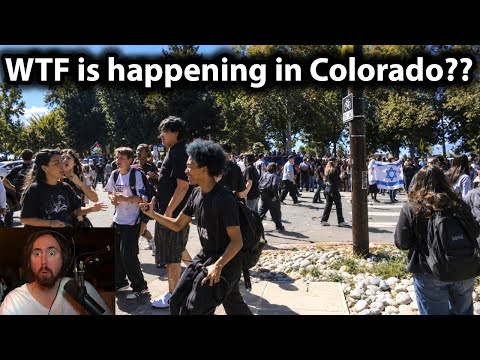
蘇英蔓 posted on 2026/09/08Ever wonder why some teachers seem to let students run wild? This video dives into a controversial situation where high schoolers were allegedly allowed to participate in protests, with the speaker suggesting teachers used them as 'human shields' for political gain. You'll hear strong opinions and pick up some intense vocabulary like 'weaponize children' and 'terrorist protocol' to describe the situation.
Learn this video on the APP!
The VoiceTube App has more in-depth practice for videos!