
analogy
US /əˈnælədʒi/
UK /əˈnælədʒi/
- Noun
- Comparison of things based on their similarity
B1Moreat a time
US /æt e taɪm/
UK /æt ə taim/
- Phrase
- Separately; one by one
- Simultaneously; together
A1Moreattend to
US /əˈtɛnd tu/
UK /əˈtend tu:/
- Phrasal Verb
- To deal with; take care of; pay attention to.
- Verb (Transitive/Intransitive)
- Deal with
A1Moreattention
US /əˈtɛnʃən/
UK /əˈtenʃn/
- Noun (Countable/Uncountable)
- Taking notice of someone or something
- Noun
- (Soldiers) Standing with straight backs
A2TOEICMorebottleneck
US /ˈbɑ:tlnek/
UK /ˈbɒtlnek/
- Noun
- Become narrow, like a bottleneck
C2Morecabinet
US /ˈkæbənɪt/
UK /ˈkæbɪnət/
- Noun (Countable/Uncountable)
- Piece of furniture resembling a cupboard
- Group of advisors to a leader of a government
- Adjective
- Relating to the group of senior government ministers.
B1Morecache
US /kæʃ/
UK /kæʃ/
- Noun (Countable/Uncountable)
- (Weapons etc.) which are hidden away illegally
- Memory where webpages are kept until needed
- Transitive Verb
- To hide something, e.g. weapons or drugs
B2Morecapture
US /ˈkæptʃɚ/
UK /'kæptʃə(r)/
- Transitive Verb
- To attract and hold e.g. interest, attention
- To record, tape, or film something
- Noun
- The act of seizing or taking control of something.
B1Morecatastrophically
US
UK
- Adverb
- With terrible or unfortunate consequences
B2Morediversity
US /dɪˈvə:sɪti, daɪ-/
UK /daɪ'vɜ:sətɪ/
- Noun (Countable/Uncountable)
- Having a range of different races, ideas etc.
- A range of different things.
B1TOEICMoredivide
US /dɪˈvaɪd/
UK /dɪ'vaɪd/
- Verb (Transitive/Intransitive)
- To split numbers by another number, e.g. 6 / 2 = 3
- To separate something into equal pieces
- Noun
- A separation or distinction.
A2TOEICMoredominant
US /ˈdɑmənənt/
UK /ˈdɒmɪnənt/
- Adjective
- The strongest; most powerful
- Being the most common, significant or important
- Noun
- (Music) The fifth note of a scale.
B1Moreexpert
US /ˈɛkˌspɚt/
UK /'ekspɜ:t/
- Countable Noun
- Skillful person with special knowledge
- Adjective
- Having special knowledge or skill
A2TOEICMoreextract
US /ɪkˈstrækt/
UK /'ekstrækt/
- Noun (Countable/Uncountable)
- Essential ingredient of a natural thing
- Part taken from a longer written work
- Transitive Verb
- To get a substance out of a plant, etc.
- To get a person to share secret information
B1TOEICMorefor long
US
UK
- Phrase
- For a considerable period of time.
- For a significant duration in the future.
A1Morefrom memory
US /frəm ˈmɛməri/
UK /frəm ˈmeməri/
- other
- Using only your memory without any help or notes.
B2Morefrom scratch
US /frʌm skrætʃ/
UK /frɔm skrætʃ/
- Phrase
- From the very beginning; from nothing.
- From the very beginning; using new materials rather than something that already exists.
A1Moregenerate
US /ˈdʒɛnəˌret/
UK /ˈdʒenəreɪt/
- Transitive Verb
- To create or be produced or bring into existence
- To create electricity, heat, energy and power
A2TOEICMoregeneration
US /ˌdʒɛnəˈreʃən/
UK /ˌdʒenəˈreɪʃn/
- Noun (Countable/Uncountable)
- Act or process of producing or causing something
- People born and living at about the same time
A2TOEICMoregenuinely
US /ˈdʒɛnjʊɪnlɪ/
UK /'dʒenjʊɪnlɪ/
- Adverb
- In a real, actual, not false or artificial way
- In a sincere and honest way.
A2Moregrain
US /ɡren/
UK /greɪn/
- Noun (Countable/Uncountable)
- Seeds of plants used for food
- Natural pattern in something, e.g. wood
B1TOEICMorein parallel
US /ɪn ˈpærəˌlɛl/
UK /in ˈpærəlel/
- Adverb
- Done at the same time; simultaneously.
- Adjective
- Relating to a system where multiple operations are carried out simultaneously, especially in computing.
C2Moreindependent
US /ˌɪndɪˈpɛndənt/
UK /ˌɪndɪˈpendənt/
- Adjective
- Making your own decisions; acting by yourself
- Not connected with or influenced by something else.
- Noun
- A person not connected to a political party
- Someone who is independent, especially in politics or business.
A2TOEICMoreinstead of
US /ɪnˈstɛd ʌv/
UK /inˈsted ɔv/
- Preposition
- When one thing is replaced by another
- Adverb
- As a substitute or alternative.
A1Moreintuition
US /ˌɪntuˈɪʃən, -tju-/
UK /ˌɪntjuˈɪʃn/
- Noun (Countable/Uncountable)
- Natural ability to guess or feel things
B2Morelatency
US /ˈletn:si/
UK /'leɪtənsɪ/
- Uncountable Noun
- State of being not yet evident or active
B2Morelayer
US /ˈleɚ/
UK /ˈleiə/
- Noun (Countable/Uncountable)
- One of several sheets of a material or object
- A covering of something spread over a surface.
- Transitive Verb
- To put things one on top of another
B1TOEICMorelead to
US /lid tu/
UK /li:d tu:/
- Phrasal Verb
- To result in some action
- Verb (Transitive/Intransitive)
- To have something as a consequence or result.
A1Morelook back
US /lʊk bæk/
UK /luk bæk/
- Phrasal Verb
- To think about past events
A1Moremetaphor
US /ˈmɛtəˌfɔr, -fɚ/
UK /ˈmetəfə(r)/
- Noun
- Imaginative use of words to reveal a similarity
B1Moreno matter
US
UK
- Conjunction
- Regardless of; it does not matter.
- Adverb
- Regardless of; it is not important
A1Moreparallel
US /ˈpærəˌlɛl/
UK /'pærəlel/
- Verb (Transitive/Intransitive)
- To be equal to, or like, something else
- To compare
- Noun (Countable/Uncountable)
- A line on a map a set distance from the equator
- A similarity; a comparison.
B1Morepile
US /paɪl/
UK /paɪl/
- Noun (Countable/Uncountable)
- Large amount of something
- Group of things one on top of another
- Verb (Transitive/Intransitive)
- (E.g. of problems) to increase; get more or worse
- To place things on top of each other; to heap up.
B1TOEICMorepile up
US /paɪl ʌp/
UK /pail ʌp/
- Phrasal Verb
- To put things on top of each other to form a pile
- To increase in quantity or amount.
- Verb (Transitive/Intransitive)
- To accumulate or increase in quantity.
B1Morepresentation
US /ˌprɛzənˈteʃən, ˌprizən-/
UK /ˌpreznˈteɪʃn/
- Noun (Countable/Uncountable)
- Act of giving a formal talk about something
- Way in which something is displayed or shown
A2Moreprevent
US /prɪˈvɛnt/
UK /prɪ'vent/
- Transitive Verb
- To stop something from happening or existing
A2TOEICMoreprocess
US /ˈprɑsˌɛs, ˈproˌsɛs/
UK /prə'ses/
- Transitive Verb
- To organize and use data in a computer
- To deal with official forms in the way required
- Noun (Countable/Uncountable)
- Dealing with official forms in the way required
- Set of changes that occur slowly and naturally
A2TOEICMoreradical
US /ˈrædɪkəl,'rædɪkḷ/
UK /ˈrædɪkl/
- Noun (Countable/Uncountable)
- Person who believes in extreme political change
- A group of atoms behaving as a unit in a chemical compound.
- Adjective
- Very new and different from what is traditional
- Concerning something's most basic part or form
B1Morereduction
US /rɪˈdʌkʃən/
UK /rɪ'dʌkʃn/
- Noun
- Act of making something smaller
B1Moreroughly
US /ˈrʌflɪ/
UK /ˈrʌfli/
- Adverb
- Approximately; (of numbers) about; around
- In a manner that is violent or not careful
B1Moreseparate
US /'sepəreɪt/
UK /'sepəreɪt/
- Adjective
- Being different from or unrelated to another
- Not connected; different.
- Transitive Verb
- To divide two things by being in between them
- To move things away from each other
A2TOEICMoresequence
US /ˈsikwəns, -ˌkwɛns/
UK /'si:kwəns/
- Noun
- Part of a movie showing one part of the story
- A particular order in which related events, movements, or things follow each other.
- Transitive Verb
- To arrange things in an order they should happen
A2TOEICMoresequential
US /sɪˈkwɛnʃəl/
UK /sɪˈkwenʃl/
- Adjective
- Arranged or occurring in a certain order or series
B2Moreshrink
US /ʃrɪŋk/
UK /ʃrɪŋk/
- Intransitive Verb
- To become smaller
- Noun
- A rude name for a psychiatrist
B1Moresimultaneously
US /saɪməlˈtenɪəslɪ/
UK /ˌsɪməl'teɪnɪəslɪ/
- Adverb
- At the same time; all together
B2Moresingle step
US /ˈsɪŋɡəl stɛp/
UK /ˈsiŋɡl step/
- Noun
- A solitary action or measure.
- A basic movement in dancing.
B1Morethink of
US /θɪŋk ʌv/
UK /θiŋk ɔv/
- Phrasal Verb
- To look on as (being something specific); consider
- To consider or remember something.
- Verb (Transitive/Intransitive)
- To imagine or call something to mind
A1Morethroughput
US /ˈθruˌpʊt/
UK /ˈθru:pʊt/
- Uncountable Noun
- Amount of data passing through a system
C2Moretoken
US /ˈtokən/
UK /'təʊkən/
- Noun (plural)
- Flat, round piece of material used e.g. as coins
- Noun
- Representative of a feeling
- Something representing a feeling, e.g. Gratitude
B2TOEICMoretrack
US /træk/
UK /træk/
- Transitive Verb
- To use marks to follow a wild animal
- To move a certain way/follow a particular course
- Noun
- A circular course for running
- Course or way someone takes, e.g. in education
A2TOEICMoretransform
US /trænsˈfɔrm/
UK /træns'fɔ:m/
- Transitive Verb
- To change the shape completely in a good way
- To convert from one form or substance into another.
C2Moretrick
US /trɪk/
UK /trɪk/
- Transitive Verb
- To fool someone in order to obtain a result
- To playfully tease or fool to make someone laugh
- Noun (Countable/Uncountable)
- Act of trying to fool someone
- Quick or skillful way of doing something
A2Moreunique
US /juˈnik/
UK /jʊ'ni:k/
- Adjective
- Unlike other things; being the only one like it
- Remarkably special or unusual.
A2TOEICMore
Vocabulary
- from memory: Using only your memory without any help or notes.
- at a time: Separately; one by one
- think of: To look on as (being something specific); consider
- instead of: When one thing is replaced by another
- look back: To think about past events
- attend to: To deal with; take care of; pay attention to.
- single step: A solitary action or measure.
- from scratch: From the very beginning; from nothing.
- pile up: To put things on top of each other to form a pile
- for long: For a considerable period of time.
- in parallel: Done at the same time; simultaneously.
- no matter: Regardless of; it does not matter.
- lead to: To result in some action
- process: To organize and use data in a computer
- genuinely: In a real, actual, not false or artificial way
- simultaneously: At the same time; all together
- trick: To fool someone in order to obtain a result
- intuition: Natural ability to guess or feel things
- unique: Unlike other things; being the only one like it
- track: To use marks to follow a wild animal
- roughly: Approximately; (of numbers) about; around
- metaphor: Imaginative use of words to reveal a similarity
- separate: Being different from or unrelated to another
- prevent: To stop something from happening or existing
- presentation: Act of giving a formal talk about something
- divide: To split numbers by another number, e.g. 6 / 2 = 3
- expert: Skillful person with special knowledge
- shrink: To become smaller
- clever: Funny in a way that shows intelligence
- pile: Large amount of something
- diversity: Having a range of different races, ideas etc.
- dominant: The strongest; most powerful
- analogy: Comparison of things based on their similarity
- attention: Taking notice of someone or something
- radical: Person who believes in extreme political change
- sequence: Part of a movie showing one part of the story
- cabinet: Piece of furniture resembling a cupboard
- parallel: To be equal to, or like, something else
- grain: Seeds of plants used for food
- extract: Essential ingredient of a natural thing
- generate: To create or be produced or bring into existence
- independent: Making your own decisions; acting by yourself
- capture: To attract and hold e.g. interest, attention
- reason: To think and make conclusions in a logical manner
- generation: Act or process of producing or causing something
- produce: Fresh foods such as fruits and vegetables
- layer: One of several sheets of a material or object
- text: To send a message by phone or other device
- notice: To become aware by sight, touch, or hearing
- reduction: Act of making something smaller
- transform: To change the shape completely in a good way
- single: One run in cricket or a hit baseball
- language: Words or signs used to communicate messages
- head: To hit a ball with your head in a game
- step: Movement done as part of a particular dance
- question: To ask for or try to get information
- grow: To get bigger and more mature; make plants do this
- group: Two or more musicians who play music together
- problem: Something difficult to deal with or causes trouble
- work: The product of some artistic or literary endeavor
- token: Flat, round piece of material used e.g. as coins
- time: Speed at which music is played; tempo
- latency: State of being not yet evident or active
- bottleneck: Become narrow, like a bottleneck
- catastrophically: With terrible or unfortunate consequences
- sequential: Arranged or occurring in a certain order or series
- cache: (Weapons etc.) which are hidden away illegally
- throughput: Amount of data passing through a system
Get the full experience in the app
Learn anywhere with detailed sentence and usage analysis
01:03
She took a brave step forward, leaving behind her comfort zone to chase her dreams.
Vocabulary
- brave
adj. Having courage
- comfort zone
phr. A familiar situation where one feels safe
Explanation
a brave step is a noun phrase, where brave is an adjective modifying the noun step, meaning "a courageous step".
forward is an adverb modifying step, meaning "ahead".
The whole phrase serves as the object, answering the "what" of took (verb) — she took a brave step forward.
Get the full experience in the app
Look up words anytime with pronunciation, part of speech, and usage
brave
US/brev/
UK/breɪv/
adj.Brave
v.t.To bravely face
A2 Elementary
Get the full experience in the app
Practice speaking anytime and get instant pronunciation feedback
Try this speaking exercise.
Try practicing with this sentence.
80
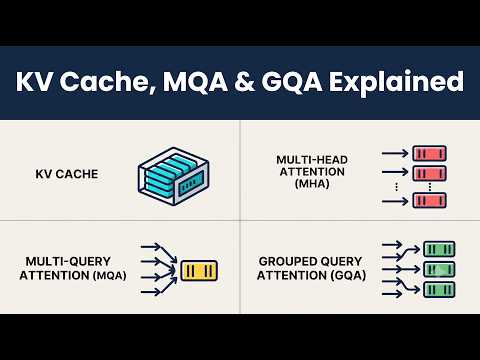
KV Cache, MQA & GQA Explained (How LLMs Save Memory)
0
佛斯特 posted on 2026/09/05Ever wondered how Large Language Models generate text so quickly without using tons of memory? This video dives into the clever 'KV Cache' trick that makes LLMs efficient, explaining how techniques like MQA and GQA further optimize memory usage. You'll get a clear understanding of these concepts and pick up some key vocabulary like 'quadratic growth' and 'inference throughput' along the way!
Learn this video on the APP!
The VoiceTube App has more in-depth practice for videos!