
attention
US /əˈtɛnʃən/
UK /əˈtenʃn/
- Noun (Countable/Uncountable)
- Taking notice of someone or something
- Noun
- (Soldiers) Standing with straight backs
A2TOEICMorebaron
US /ˈbærən/
UK /'bærən/
- Noun (Countable/Uncountable)
- Very influential, powerful person in a business
- Person of rank in British and European nobility
B2Morebitch
US /bɪtʃ/
UK /bɪtʃ/
- Intransitive Verb
- To aggressively complain about something
- Countable Noun
- Female dog
- Offensive term for a female
B2Morebloody
US /ˈblʌdi/
UK /'blʌdɪ/
- Adjective
- Covered or spotted with blood on the surface
- A word used when swearing or cursing
C2Moredamn
US /dæm/
UK /dæm/
- Transitive Verb
- To cause the downfall or failure of; criticize
- To threaten with everlasting punishment
- Interjection
- A mild swear word used to express annoyance
B2Moredeny
US /dɪˈnaɪ/
UK /dɪ'naɪ/
- Transitive Verb
- To refuse to allow or accept something
A2TOEICMoredirect
US /dɪˈrɛkt, daɪ-/
UK /də'rekt/
- Transitive Verb
- To tell someone in a very clear way to do something
- To show the way by conducting or leading
- Adverb
- Coming straight from something
A2TOEICMoredismal
US /ˈdɪzməl/
UK /ˈdɪzməl/
- Adjective
- Bad in a sad and depressing way
B2TOEICMorefeast
US /fist/
UK /fi:st/
- Noun
- Religious celebration
- Special meal with large amounts of food and drink
- Intransitive Verb
- To eat a large special meal often in celebration
B1Morefound out
US
UK
- Phrasal Verb
- To learn or discover something, often after some effort.
- To become known; be revealed.
B2Moregather
US /ˈɡæðɚ/
UK /ˈgæðə(r)/
- Transitive Verb
- To bring objects together into one place
- To collect foods such as wild berries or crops
- Noun
- Fold in cloth, as in a full skirt
A2TOEICMoreheadless
US /ˈhɛdlɪs/
UK /ˈhedləs/
- Adjective
- Not having a head
B2Morehunt
US /hʌnt/
UK /hʌnt/
- Transitive Verb
- To search for wild animals to kill (for food)
- To look for very carefully; search for
- Noun
- A search for animals to kill for food
A2Morelook at
US /lʊk æt/
UK /luk æt/
- Phrasal Verb
- To use your eyes to focus on something
- To focus your eyes on something carefully
A1Moremogul
US /ˈmoɡəl/
UK /'məʊɡl/
- Countable Noun
- Powerful, important person
C2Morenasty
US /ˈnæsti/
UK /'nɑ:stɪ/
- Adjective
- Very bad, unpleasant, or offensive
- Unkind; unpleasant.
A2Morenick
US /nɪk/
UK /nɪk/
- Noun
- Person's name
- Scratches caused by accidentally knocking
- Transitive Verb
- To make a scratch in
- To steal
B2Morepath
US /pæθ, pɑθ/
UK /pɑ:θ/
- Noun
- Method of living leading to a particular result
- Track made with stones, by walking over the ground
A2TOEICMoreprofessor
US /prəˈfɛsɚ/
UK /prəˈfesə(r)/
- Noun (Countable/Uncountable)
- Teacher who teaches at a college or university
- A title given to a teacher of the highest academic rank in a college or university.
A2Morerequest
US /rɪˈkwɛst/
UK /rɪ'kwest/
- Transitive Verb
- To ask for, usually politely and formally
- Noun
- Thing that has been asked for
- A signal to a computer system or program to perform a task.
A2TOEICMoreshock
US /ʃɑ:k/
UK /ʃɒk/
- Noun
- The passage of an electricity through the body
- Sudden bad feeling caused by something unexpected
- Transitive Verb
- To affect someone with an electrical current
- To cause great surprise, horror, or anger
A2Moresnake
US /snek/
UK /sneɪk/
- Noun
- An animal with a long body, no arms or legs
- Intransitive Verb
- To move like a snake
- To wind in a long path like the shape of a snake
B1Moreupstairs
US /ˌʌpˈsterz/
UK /ˌʌpˈsteəz/
- Adverb
- On a floor above
- Noun
- The floor above you in a building
C1Moreweird
US /wɪrd/
UK /wɪəd/
- Adjective
- Odd or unusual; surprising; strange
- Eerily strange or disturbing.
B1Morewitch
US /wɪtʃ/
UK /wɪtʃ/
- Countable Noun
- Woman believed to have magical powers
- Mean and ugly old woman
B2More
Vocabulary
- found out: To learn or discover something, often after some effort.
- look at: To use your eyes to focus on something
- weird: Odd or unusual; surprising; strange
- nasty: Very bad, unpleasant, or offensive
- common: Area in a city or town that is open to everyone
- bit: Device put in a horse's mouth to control it
- direct: To tell someone in a very clear way to do something
- path: Method of living leading to a particular result
- attention: Taking notice of someone or something
- deny: To refuse to allow or accept something
- mind: To be bothered or upset by something
- leave: To go away from; depart
- request: To ask for, usually politely and formally
- feast: Religious celebration
- damn: To cause the downfall or failure of; criticize
- gather: To bring objects together into one place
- prefer: To like something better than something else
- bring: To take or go with someone to a place
- head: To hit a ball with your head in a game
- change: To exchange one set of clothes for another
- find: To become aware of something that is happening
- professor: Teacher who teaches at a college or university
- dismal: Bad in a sad and depressing way
- quickly: Without taking a lot of time; fast
- dark: Of a color that is not light
- bloody: Covered or spotted with blood on the surface
- upstairs: On a floor above
- follow: To come after someone; be guided by someone
- move: To cause someone to have certain emotions
- witch: Woman believed to have magical powers
- shock: The passage of an electricity through the body
- hunt: To search for wild animals to kill (for food)
- talk: Style of speaking
- bitch: To aggressively complain about something
- nick: Person's name
- mum: Mother
- snake: An animal with a long body, no arms or legs
- baron: Very influential, powerful person in a business
- mogul: Powerful, important person
- headless: Not having a head
Get the full experience in the app
Learn anywhere with detailed sentence and usage analysis
01:03
She took a brave step forward, leaving behind her comfort zone to chase her dreams.
Vocabulary
- brave
adj. Having courage
- comfort zone
phr. A familiar situation where one feels safe
Explanation
a brave step is a noun phrase, where brave is an adjective modifying the noun step, meaning "a courageous step".
forward is an adverb modifying step, meaning "ahead".
The whole phrase serves as the object, answering the "what" of took (verb) — she took a brave step forward.
Get the full experience in the app
Look up words anytime with pronunciation, part of speech, and usage
brave
US/brev/
UK/breɪv/
adj.Brave
v.t.To bravely face
A2 Elementary
Get the full experience in the app
Practice speaking anytime and get instant pronunciation feedback
Try this speaking exercise.
Try practicing with this sentence.
80
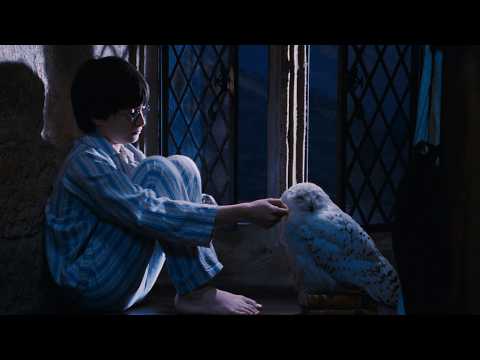
Harry's First Night at Hogwarts | Full Scene | Harry Potter and the Philosopher's Stone
0
神谷菜々子 posted on 2026/09/04Ever wondered what it's like to arrive at Hogwarts for the very first time? This scene from Harry Potter and the Philosopher's Stone brings the magic to life as Harry meets his new housemates and navigates the moving staircases! You'll pick up some fun vocabulary related to school life and ghostly encounters along the way.
Learn this video on the APP!
The VoiceTube App has more in-depth practice for videos!