
agricultural
US /ˌæɡrɪ'kʌltʃərəl/
UK /ˌæɡrɪ'kʌltʃərəl/
- Adjective
- Concerning farming, or the land
B1Moreattempt
US /əˈtɛmpt/
UK /ə'tempt/
- Verb (Transitive/Intransitive)
- To try to do something challenging or difficult
- Noun
- Effort made to try to do or accomplish something
A2TOEICMorebiological
US /ˌbaɪəˈlɑdʒɪkəl/
UK /ˌbaɪəˈlɒdʒɪkl/
- Adjective
- Being related to life and living things
- A substance, such as a detergent, that contains enzymes.
B1Morebreed
US /brid/
UK /bri:d/
- Noun
- Kind of / sort of
- Particular kind of animal, e.g. a Labrador dog
- Verb (Transitive/Intransitive)
- To create situations for a (bad) thing to happen
- To produce baby animals of specific kinds
A2Morecause
US /kɔz/
UK /kɔ:z/
- Noun
- Belief, goal or organization that people support
- Reason for
- Transitive Verb
- To make something happen; create effect or result
A2Morecollapse
US /kəˈlæps/
UK /kə'læps/
- Verb (Transitive/Intransitive)
- To fold (e.g. a stroller) down to make it smaller
- To suddenly fall down or break apart into pieces
- Noun
- The sudden failure of a structure or system.
- The sudden failure of a bodily organ or function.
B1Morecolonization
US /ˌkɑlənɪˈzeʃən/
UK /ˌkɒlənaɪ'zeɪʃn/
- Uncountable Noun
- Act of taking control over a place
- The establishment of a population of organisms in a new area.
B2Moredeliberately
US /dɪˈlɪbərɪtlɪ/
UK /dɪˈlɪbərətli/
- Adverb
- In a careful, considered manner; on purpose
- Purposely; on purpose
B2TOEICMoredesperate
US /ˈdɛspərɪt/
UK /ˈdespərət/
- Adjective
- Being beyond hope; prepared to do anything
- State of urgently wanting to go to the toilet
A2Moredevastate
US /ˈdɛvəˌstet/
UK /'devəsteɪt/
- Transitive Verb
- To cause extensive destruction or ruin utterly
- To cause (someone) to feel extreme emotional pain.
B1Moredevastating
US
UK
- Transitive Verb
- To cause extensive destruction or ruin utterly
- Adjective
- Destroying everything; very shocking
- Causing great emotional pain or shock.
B1Moredisease
US /dɪˈziz/
UK /dɪˈzi:z/
- Noun (Countable/Uncountable)
- Illness that affects a person, animal, or plant
- A disorder of structure or function in a plant, especially one caused by a pathogen.
- Transitive Verb
- To affect with disease; to corrupt or sicken.
A2TOEICMoreencourage
US /ɛnˈkɚrɪdʒ, -ˈkʌr-/
UK /ɪn'kʌrɪdʒ/
- Transitive Verb
- To increase the chance of something happening
- To make someone more determined or confident
A2TOEICMoreescape
US /ɪˈskep/
UK /ɪ'skeɪp/
- Noun (Countable/Uncountable)
- Act to briefly ignoring boring or bad things
- The 'esc key' on a keyboard
- Verb (Transitive/Intransitive)
- To avoid something undesirable, dangerous or bad
- To get away from a place where you are being kept
A2Moreestimate
US /ˈɛstəˌmet/
UK /'estɪmət/
- Noun (Countable/Uncountable)
- Guess or calculation of cost, size or value
- A judgment or opinion.
- Transitive Verb
- To guess or calculate the cost, size or value of
- To form an approximate idea or judgment of.
A2TOEICMoreevolutionary
US /ˌiːvəˈluːʃəneri/
UK /ˌi:vəˈlu:ʃənri/
- Adjective
- Concerning gradual change over time
B2Moreexpose
US /ɪkˈspoʊz/
UK /ɪk'spəʊz/
- Transitive Verb
- To make visible, without covering or protection
- To allow light through a cameras lens onto film
A2TOEICMorefarmland
US /ˈfɑrmˌlænd,-lənd/
UK /ˈfɑ:mlænd/
- Uncountable Noun
- Rural area where farming is practiced
B2Morefascinating
US /ˈfæsəˌnetɪŋ/
UK /ˈfæsɪneɪtɪŋ/
- Transitive Verb
- To attract or interest greatly
- To hold someone captive with a gaze or other means.
- Adjective
- Having your attention fixated as though by a spell
B1Morefence
US /fɛns/
UK /fens/
- Countable Noun
- Wood, metal structure enclosing an area, land
- The sport of fighting with swords, especially foils, épées, or sabres.
- Transitive Verb
- To enclose an area (with a wall or boundary)
B1TOEICMoregenetic
US /dʒəˈnɛtɪk/
UK /dʒəˈnetɪk/
- Adjective
- Of, relating to, or controlled by genes
- Relating to genes or heredity.
B1Morego back to
US /ɡo bæk tu/
UK /ɡəu bæk tu:/
- Phrasal Verb
- To return to a starting point
A1Morehome in
US /ˈhoʊm ɪn/
UK /ˈhəum ɪn/
- other
- Move or direct toward a specific target or goal.
B2Moreimpact
US /ˈɪmˌpækt/
UK /'ɪmpækt/
- Noun
- A striking effect or result to hit with force
- Act or force of one thing hitting something else
- Verb (Transitive/Intransitive)
- To hit or strike someone or something with force
- To have a strong effect on someone or something.
A2TOEICMoreimperial
US /ɪmˈpɪriəl/
UK /ɪmˈpɪəriəl/
- Adjective
- Of an empire or an emperor
- Of superior or unusual size or excellence.
- Noun
- A size of printing paper; a strong pointed beard.
B1Morein addition to
US /ɪn əˈdɪʃən tu/
UK /in əˈdiʃən tu:/
- Preposition
- Besides; as well as
- Phrase
- Besides; as well as.
- Furthermore; moreover.
B1Morein fact
US /ɪn fækt/
UK /in fækt/
- Adverb
- Used to emphasize the truth of a statement, especially one that contrasts with or contradicts something else.
- Used to introduce a more detailed or surprising piece of information.
- Phrase
- Used to emphasize the truth of a statement, especially one that is surprising or contrary to what might be expected.
C1Morein isolation
US
UK
- Phrase
- Separately from other people or things; alone.
- Considered separately and without reference to other related things.
C1Morein theory
US /ɪn ˈθiəri/
UK /in ˈθiəri/
- Adverb
- According to the stated ideas or principles
- Phrase
- According to the theoretical possibilities rather than actual practice.
B2Moreinvade
US /ɪnˈved/
UK /ɪnˈveɪd/
- Transitive Verb
- To enter something causing a harmful result
- To enter (a country or region) so as to subjugate or occupy it.
B1Moreinvestigate
US /ɪnˈvɛstɪˌɡet/
UK /ɪn'vestɪɡeɪt/
- Verb (Transitive/Intransitive)
- To try to find out facts; to carry out research
A2Morelizard
US /ˈlɪzərd/
UK /ˈlɪzəd/
- Noun
- Reptile with scales and a long body and tail
B2Moremammal
US /ˈmæməl/
UK /'mæml/
- Noun
- Animal which drinks milk from its mother
B1Moremutant
US /ˈmjutn:t/
UK /ˈmju:tənt/
- Noun (Countable/Uncountable)
- Organism derived from a change in genes
- A fictional being with altered or enhanced abilities due to mutation.
- Adjective
- Resulting from or showing the effect of mutation.
- Differing in some respect from the normal or typical form.
B2Morenative
US /ˈnetɪv/
UK /ˈneɪtɪv/
- Noun (Countable/Uncountable)
- Someone from or born in a specific country
- Original inhabitant, e.g. before others
- Adjective
- Caused by natural ability; innate
A2Moreon earth
US /ɑn ɚθ/
UK /ɔn ə:θ/
- Phrase
- Used to emphasize a question expressing surprise or anger.
- Used to emphasize that something is not possible or will not happen.
A1Morerecorded history
US
UK
- Uncountable Noun
- The period of time for which written records exist.
A2Morerelease
US /rɪ'li:s/
UK /rɪ'li:s/
- Transitive Verb
- To free someone from a responsibility or burden
- To allow a film, music etc. to be sold/distributed
- Noun
- Act of freeing someone from a duty or burden
- Introduction of a new product, film, book, etc.
A2TOEICMorerole
US /rol/
UK /rəʊl/
- Noun
- Character played by an actor
- Part you play in an activity; job; responsibility
A2Moresoil
US /sɔɪl/
UK /sɔɪl/
- Uncountable Noun
- Conditions in which something develops
- Mix of natural material in which plants grow
- Transitive Verb
- To get or become dirty
B1Moresolution
US /səˈluʃən/
UK /səˈlu:ʃn/
- Noun (Countable/Uncountable)
- Mix of a liquid and a solid or a gas
- Way to solve or deal with a problem
A2Morestarve
US /stɑ:rv/
UK /stɑ:v/
- Verb (Transitive/Intransitive)
- To (cause to) be hungry or go without food
- To need or desire very strongly
B1Moresuch as
US /sʌtʃ æz/
UK /sʌtʃ æz/
- Preposition
- For example; like
A1Morethink of
US /θɪŋk ʌv/
UK /θiŋk ɔv/
- Phrasal Verb
- To look on as (being something specific); consider
- To consider or remember something.
- Verb (Transitive/Intransitive)
- To imagine or call something to mind
A1Morethrive
US /θraɪv/
UK /θraɪv/
- Intransitive Verb
- To be or become healthy or successful
- To grow or develop well; to flourish.
B2TOEICMoretrace
US /tres/
UK /treɪs/
- Transitive Verb
- To make an outline to determine a shape
- To find someone or something that has disappeared
- Uncountable Noun
- Very small quantity of something
- A mark or other sign of the former presence or passage of something.
B1Morevirus
US /ˈvaɪrəs/
UK /'vaɪrəs/
- Noun
- File secretly put on computers to cause harm
- Living organism that causes disease or sickness
B1Morewith just
US
UK
- Phrase
- Using only; with no more than.
- Barely; by a narrow margin.
A2More
Vocabulary
- recorded history: The period of time for which written records exist.
- go back to: To return to a starting point
- such as: For example; like
- in addition to: Besides; as well as
- home in: Move or direct toward a specific target or goal.
- in theory: According to the stated ideas or principles
- in isolation: Separately from other people or things; alone.
- on earth: Used to emphasize a question expressing surprise or anger.
- in fact: Used to emphasize the truth of a statement, especially one that contrasts with or contradicts something else.
- with just: Using only; with no more than.
- think of: To look on as (being something specific); consider
- desperate: Being beyond hope; prepared to do anything
- thrive: To be or become healthy or successful
- fascinating: To attract or interest greatly
- devastating: To cause extensive destruction or ruin utterly
- native: Someone from or born in a specific country
- deliberately: In a careful, considered manner; on purpose
- impact: A striking effect or result to hit with force
- attempt: To try to do something challenging or difficult
- consider: To think carefully about something
- disease: Illness that affects a person, animal, or plant
- evolutionary: Concerning gradual change over time
- encourage: To increase the chance of something happening
- estimate: Guess or calculation of cost, size or value
- collapse: To fold (e.g. a stroller) down to make it smaller
- escape: Act to briefly ignoring boring or bad things
- genetic: Of, relating to, or controlled by genes
- cause: Belief, goal or organization that people support
- release: To free someone from a responsibility or burden
- introduce: To open an essay to set the scene
- breed: Kind of / sort of
- record: Highest or most extreme level achieved
- role: Character played by an actor
- fall: Season after summer and before winter; Autumn
- soil: Conditions in which something develops
- solution: Mix of a liquid and a solid or a gas
- expose: To make visible, without covering or protection
- investigate: To try to find out facts; to carry out research
- mammal: Animal which drinks milk from its mother
- organize: To arrange and plan things, e.g. a party
- trace: To make an outline to determine a shape
- devastate: To cause extensive destruction or ruin utterly
- biological: Being related to life and living things
- century: Period of 100 years
- single: One run in cricket or a hit baseball
- imperial: Of an empire or an emperor
- starve: To (cause to) be hungry or go without food
- invade: To enter something causing a harmful result
- public: Owned by the government
- government: Group of people and system that rule a nation
- bring: To take or go with someone to a place
- virus: File secretly put on computers to cause harm
- great: Very good; better than before
- agricultural: Concerning farming, or the land
- difference: A thing or issue that people do not agree about
- fence: Wood, metal structure enclosing an area, land
- fast: In a way that is difficult to move or change
- wind: A current of air moving approximately horizontally, especially one strong enough to be felt
- return: To hit something back to the other player or team
- lizard: Reptile with scales and a long body and tail
- mutant: Organism derived from a change in genes
- colonization: Act of taking control over a place
- farmland: Rural area where farming is practiced
Get the full experience in the app
Learn anywhere with detailed sentence and usage analysis
01:03
She took a brave step forward, leaving behind her comfort zone to chase her dreams.
Vocabulary
- brave
adj. Having courage
- comfort zone
phr. A familiar situation where one feels safe
Explanation
a brave step is a noun phrase, where brave is an adjective modifying the noun step, meaning "a courageous step".
forward is an adverb modifying step, meaning "ahead".
The whole phrase serves as the object, answering the "what" of took (verb) — she took a brave step forward.
Get the full experience in the app
Look up words anytime with pronunciation, part of speech, and usage
brave
US/brev/
UK/breɪv/
adj.Brave
v.t.To bravely face
A2 Elementary
Get the full experience in the app
Practice speaking anytime and get instant pronunciation feedback
Try this speaking exercise.
Try practicing with this sentence.
80
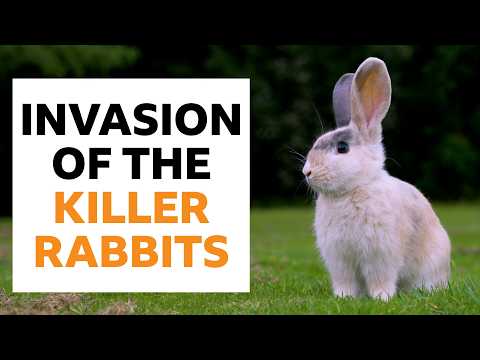
The rabbits that (nearly) destroyed a continent
0
林宜悉 posted on 2026/09/02Did you know that just 24 rabbits nearly destroyed an entire continent? This fascinating video dives into the true story of how one man's desire for a 'touch of home' led to an ecological disaster in Australia, and you'll pick up some great vocabulary for discussing environmental issues and historical events.
Learn this video on the APP!
The VoiceTube App has more in-depth practice for videos!