
administration
US / ædˌmɪnɪˈstreʃən/
UK /ədˌmɪnɪˈstreɪʃn/
- Uncountable Noun
- Act of giving e.g. medicine to a patient
- The work of running something, e.g. a business
B1TOEICMorearound the world
US /əˈraʊnd ði wɜrld/
UK /əˈraund ðə wɜː(r)ld/
- Phrase
- In or to many countries.
- In various places throughout the world.
A2Moreaside from
US /əˈsaɪd frʌm/
UK /əˈsaid frɔm/
- Phrase
A1Moreat least
US /æt list/
UK /æt li:st/
- Adverb
- As a minimum
- Not less than
- Phrase
- No less than; at the minimum
- Used to indicate that something is positive in a bad situation.
C2Morebad idea
US
UK
- Phrase
- An unwise or imprudent course of action.
A2Morebeg the question
US
UK
- Phrase
- To assume the conclusion in one's argument; to use a premise that is the same as the conclusion you are trying to prove.
A1Moreblockade
US /blɑ:ˈkeɪd/
UK /blɒˈkeɪd/
- Transitive Verb
- To block or impede the movement of people, objects
- Noun
- Arrangement that blocks or impedes movement
B2Moreblunt
US /blʌnt/
UK /blʌnt/
- Adjective
- Without a sharp edge or point
- Speaking directly; without trying to be polite or kind
- Transitive Verb
- To make dull or lessen the sharpness of something
B1Morebreaks down
US
UK
- Phrasal Verb
- To forcibly break, destroy or make collapse
- (Machine) to stop working or become weaker
A1Morebury
US /ˈbɛri/
UK /'berɪ/
- Transitive Verb
- To put something into the ground and cover it
B1Morecampaign
US /kæmˈpen/
UK /kæm'peɪn/
- Intransitive Verb
- To work in an organized, active way towards a goal
- Noun (Countable/Uncountable)
- Series of actions meant to achieve a goal
- A planned set of military activities intended to achieve a particular objective.
A2TOEICMoredeal with
US /dil wɪð/
UK /di:l wið/
- Verb (Transitive/Intransitive)
- To buy or sell goods or services.
- Phrasal Verb
- To take action to solve a problem or manage a situation.
- To be about; concern.
A1Moredecimate
US /ˈdɛsəˌmet/
UK /'desɪmeɪt/
- Transitive Verb
- to kill a large number of something, or to reduce something severely
C1Moredemonstrate
US /ˈdɛmənˌstret/
UK /'demənstreɪt/
- Verb (Transitive/Intransitive)
- To display a feeling or ability openly
- To protest about something often as a group
A2TOEICMoredeputy
US /ˈdɛpjəti/
UK /ˈdepjuti/
- Noun
- Assistant to a leader who acts on his, her behalf
B1Moredevastating
US
UK
- Transitive Verb
- To cause extensive destruction or ruin utterly
- Adjective
- Destroying everything; very shocking
- Causing great emotional pain or shock.
B1Moredismantle
US /dɪsˈmæntl/
UK /dɪs'mæntl/
- Transitive Verb
- To take something apart in an organized way
- To gradually cause something to come to an end or fail.
B2Moreenergy sources
US
UK
- Noun (plural)
- Materials or processes that can produce energy.
essentially
US /ɪˈsenʃəli/
UK /ɪˈsenʃəli/
- Adverb
- Basically; (said when stating the basic facts)
- Used to emphasize the basic truth or fact of a situation.
A2Morefor instance
US /fɔr ˈɪnstəns/
UK /fɔ: ˈinstəns/
- Adverb
- As an example.
- Phrase
- As an example.
- As an illustration or case in point
B1Morefrankly
US /ˈfræŋkli/
UK /ˈfræŋkli/
- Adverb
- Speaking honestly and directly
- Used to express disagreement or mild disapproval.
B2Moreget through
US /ɡɛt θru/
UK /ɡet θru:/
- Phrasal Verb
- To arrive at the end of or finish something
- To succeed in contacting someone by phone
A1Morego ahead
US /ɡo əˈhɛd/
UK /ɡəu əˈhed/
- Phrasal Verb
- To start an activity; start doing, working etc.
- To give permission to do something
- Intransitive Verb
- To start or proceed with something
- To proceed despite potential obstacles or doubts.
A1Moregoing on
US /ˈɡoɪŋ ɑn/
UK /ˈgəʊɪŋ ɔn/
- Phrasal Verb
- To continue doing something
- To happen (usually negative)
A1Moregulf
US /ɡʌlf/
UK /gʌlf/
- Noun (Countable/Uncountable)
- Part of a sea partially surrounded by land
- Wide separation or difference between two groups
B1Morehard to say
US
UK
- Phrase
- Difficult to know or predict; uncertain.
A1Morehave to
US /hæv tu/
UK /ˈhæv tə/
- Auxiliary Verb
- Must do
A1Moreimperative
US /ɪmˈpɛrətɪv/
UK /ɪm'perətɪv/
- Noun
- The state of demanding notice or attention
- Adjective
- Absolutely necessary; that must be done
B2TOEICMoreimplement
US /ˈɪmpləmənt/
UK /ˈɪmplɪment/
- Transitive Verb
- To start to do something you plan to do
- Noun (Countable/Uncountable)
- A tool
B1TOEICMorein particular
US /ɪn pɚˈtɪkjəlɚ/
UK /in pəˈtikjulə/
- Phrase
- Specifically; especially.
- Detailed or precise.
A1Morein the future
US /ɪn ði ˈfjutʃɚ/
UK /in ðə ˈfju:tʃə/
- Phrase
- At a later time; in times to come.
A1Morein the past
US
UK
- Phrase
- During a former period of time; previously.
A1Moreincredible
US /ɪnˈkrɛdəbəl/
UK /ɪnˈkredəbl/
- Adjective
- Very good; amazing
- Really good; amazing; great
A2TOEICMoreincredibly
US /ɪnˈkrɛdəblɪ/
UK /ɪnˈkredəbli/
- Adverb
- To a great degree; very; amazingly
- Extremely; so much so it is hard to believe
A2Moreinflation
US /ɪnˈfleʃən/
UK /ɪn'fleɪʃn/
- Noun (Countable/Uncountable)
- Act of filling something with air or gas
- Continual rise in the prices of products
B1TOEICMoreinstance
US /ˈɪnstəns/
UK /'ɪnstəns/
- Noun (Countable/Uncountable)
- An example of something; case
- An occurrence of something.
- Transitive Verb
- To give as an example of something else
A2TOEICMoreinstrument
US /ˈɪnstrəmənt/
UK /'ɪnstrəmənt/
- Noun (Countable/Uncountable)
- Gauge for measuring something, e.g. temperature
- Legal document
A2TOEICMoreleverage
US /ˈlɛvərɪdʒ, ˈlivə-/
UK /'li:vərɪdʒ/
- Noun (Countable/Uncountable)
- An advantage which gives you influence or power
- An advantage gained through the use of resources or a strategic position
- Transitive Verb
- To use an advantage which gives you influence
B2TOEICMorelook at
US /lʊk æt/
UK /luk æt/
- Phrasal Verb
- To use your eyes to focus on something
- To focus your eyes on something carefully
A1Moremaritime
US /ˈmærɪˌtaɪm/
UK /ˈmærɪtaɪm/
- Adjective
- Concerning sailing, ships
- Being next to or near the sea
- Noun
- The branch of law concerning ships and shipping.
B2Moremention
US /ˈmɛnʃən/
UK /'menʃn/
- Transitive Verb
- To refer to or talk or write about something
- Uncountable Noun
- Act of referring to or talking about something
- A formal acknowledgement of something
A2TOEICMoremilitary
US /ˈmɪlɪˌtɛri/
UK /'mɪlətrɪ/
- Noun
- Army or armed forces
- Adjective
- Concerning the army or navy
B1Moremock
US /mɑk/
UK /mɒk/
- Transitive Verb
- To laugh at someone or something in an unkind way
- Adjective
- Not genuine or real, but attempting to appear so
B1Moreof course
US /ʌv kɔː(r)s/
UK /ɔv kɔː(r)s/
- Adverb
- Sure ; Certainly
- Phrase
- For sure; certainly
A2Moreon the other hand
US
UK
- Phrase
- Considering a different aspect of the matter; alternatively.
A1Moreother than
US
UK
- Preposition
- Except for; apart from.
- Conjunction
- Different from.
A1Moreoverride
US /ˌovɚˈraɪd/
UK /ˌəʊvə'raɪd/
- Transitive Verb
- To make (rule or law) not be valid anymore
- To be considered more important than
B2Morepoint out
US /pɔɪnt aʊt/
UK /pɔint aut/
- Phrasal Verb
- To make others aware of an idea
- To draw attention to something or someone
A1Morepressure
US /ˈprɛʃɚ/
UK /'preʃə(r)/
- Noun (Countable/Uncountable)
- Anxiety caused by difficult problems
- Force, weight when pressing against a thing
- Transitive Verb
- To apply force to something
- To persuade or force someone to do something
A2TOEICMoreprevent
US /prɪˈvɛnt/
UK /prɪ'vent/
- Transitive Verb
- To stop something from happening or existing
A2TOEICMoreprojectile
US /prəˈdʒɛktəl, -ˌtaɪl/
UK /prəˈdʒektaɪl/
- Noun
- Something thrown or fired at a target
C1Moreput back
US /pʊt bæk/
UK /put bæk/
- Phrasal Verb
- To return something to the proper place
A1Moreramp
US /ræmp/
UK /ræmp/
- Noun
- Path that increases in height as you walk up it
- Transitive Verb
- To slope or incline; (phrasal: ramp up) to increase the level or amount of something sharply; to furnish with a sloping surface.
B2Moreramp up
US /ræmp ʌp/
UK /ræmp ʌp/
- Phrasal Verb
- To increase the level or amount of something sharply.
region
US /ˈridʒən/
UK /'ri:dʒən/
- Noun (Countable/Uncountable)
- Part of a country, of the world, area, etc.
- A part of the body
A2TOEICMorerelief
US /rɪˈlif/
UK /rɪˈli:f/
- Noun (Countable/Uncountable)
- Aid given to people in need as after war/disaster
- Artwork, e.g. part of wall, that partly sticks out
B1TOEICMorerightly
US /ˈraɪtli/
UK /ˈraɪtli/
- Adverb
- In accordance with what is right
B1Moresignificant
US /sɪɡˈnɪfɪkənt/
UK /sɪgˈnɪfɪkənt/
- Adjective
- Large enough to be noticed or have an effect
- Having meaning; important; noticeable
A2TOEICMorespeed up
US /spid ʌp/
UK /spi:d ʌp/
- Phrasal Verb
- To move more quickly
A2Morestalemate
US
UK
- Noun
- Situation where neither side can make progress
B1Morestrait
US /stret/
UK /streɪt/
- Noun
- Channel joining large bodies of water
C2Morestunning
US /ˈstʌnɪŋ/
UK /ˈstʌnɪŋ/
- Adjective
- Causing amazement, e.g. because so very good
- Verb (Transitive/Intransitive)
- To greatly shock or surprise; totally amaze
- To incapacitate using a special gun
B2Moresubstantial
US /səbˈstænʃəl/
UK /səbˈstænʃl/
- Adjective
- (Of a meal) able to satisfy your hunger; filling
- Being large in degree, quantity, or size
C2TOEICMoretalking about
US
UK
- Phrasal Verb
- To discuss a particular topic.
- To be constantly mentioning or bringing up a subject.
A1Moretanker
US /ˈtæŋkɚ/
UK /ˈtæŋkə(r)/
- Countable Noun
- Vehicle built to transport liquids
B2Moreteapot
US /ˈtiˌpɑt/
UK /ˈti:pɒt/
- Noun
- Pot for brewing tea with a spout and handle
C1Morethreat
US /θrɛt/
UK /θret/
- Noun
- Warning of probable trouble
- A warning that you may be harmed
A2TOEICMorethrough with
US
UK
- Phrase
- Having had enough (of trouble); wanting to stop
A1Moreto date
US /tu det/
UK /tu: deit/
- Phrase
- Up to the present time; until now.
- Verb (Transitive/Intransitive)
- To go out on romantic dates with someone.
C2Moreto order
US
UK
- Transitive Verb
- To give an instruction or command.
- To request something to be made, supplied, or served.
A1Moretough
US /tʌf/
UK /tʌf/
- Adjective
- (Of food) difficult to chew or bite through
- Very difficult to do or deal with
- Noun
- A rough and aggressive person.
A2Moretrack
US /træk/
UK /træk/
- Transitive Verb
- To use marks to follow a wild animal
- To move a certain way/follow a particular course
- Noun
- A circular course for running
- Course or way someone takes, e.g. in education
A2TOEICMoreunidentified
US
UK
- Adjective
- Not yet identified
B1Moreunleashed
US
UK
- Transitive Verb
- To release or let an animal go
B1Morevalidate
US /ˈvælɪˌdet/
UK /'vælɪdeɪt/
- Transitive Verb
- To show to be officially correct or allowable
B2TOEICMore
Vocabulary
- talking about: To discuss a particular topic.
- have to: Must do
- ramp up: To increase the level or amount of something sharply.
- other than: Except for; apart from.
- deal with
- go ahead: To start an activity; start doing, working etc.
- at least: As a minimum
- around the world: In or to many countries.
- hard to say: Difficult to know or predict; uncertain.
- to order: To give an instruction or command.
- aside from
- beg the question: To assume the conclusion in one's argument; to use a premise that is the same as the conclusion you are trying to prove.
- in the future: At a later time; in times to come.
- point out: To make others aware of an idea
- look at: To use your eyes to focus on something
- in the past: During a former period of time; previously.
- energy sources: Materials or processes that can produce energy.
- get through: To arrive at the end of or finish something
- breaks down: To forcibly break, destroy or make collapse
- going on: To continue doing something
- in particular: Specifically; especially.
- to date: Up to the present time; until now.
- put back: To return something to the proper place
- of course: Sure ; Certainly
- through with: Having had enough (of trouble); wanting to stop
- on the other hand : Considering a different aspect of the matter; alternatively.
- speed up: To move more quickly
- for instance: As an example.
- bad idea: An unwise or imprudent course of action.
- essentially: Basically; (said when stating the basic facts)
- incredibly: To a great degree; very; amazingly
- incredible: Very good; amazing
- significant: Large enough to be noticed or have an effect
- tough: (Of food) difficult to chew or bite through
- situation: Place, position or area that something is in
- demonstrate: To display a feeling or ability openly
- devastating: To cause extensive destruction or ruin utterly
- campaign: To work in an organized, active way towards a goal
- instance: An example of something; case
- amount: Quantity of something
- track: To use marks to follow a wild animal
- frankly: Speaking honestly and directly
- pressure: Anxiety caused by difficult problems
- imperative: The state of demanding notice or attention
- stunning: Causing amazement, e.g. because so very good
- prevent: To stop something from happening or existing
- implement: To start to do something you plan to do
- instrument: Gauge for measuring something, e.g. temperature
- leverage: An advantage which gives you influence or power
- military: Army or armed forces
- mention: To refer to or talk or write about something
- deal: To cope with something - usually troubles
- inflation: Act of filling something with air or gas
- region: Part of a country, of the world, area, etc.
- substantial: (Of a meal) able to satisfy your hunger; filling
- threat: Warning of probable trouble
- administration: Act of giving e.g. medicine to a patient
- validate: To show to be officially correct or allowable
- relief: Aid given to people in need as after war/disaster
- break: To create a new record e.g. running the 100m dash
- economy: Using money, resources in a careful, effective way
- blunt: Without a sharp edge or point
- bury: To put something into the ground and cover it
- ramp: Path that increases in height as you walk up it
- totally: In a complete way; completely; absolutely
- lot: What happens to a person in life from chance; fate
- mock: To laugh at someone or something in an unkind way
- place: To put someone in a particular type of situation
- control: A device designed to operate a machine
- system: Set of organized, planned ideas that work together
- program: To make someone act or think in a certain way
- point: An item to be discussed
- maritime: Concerning sailing, ships
- business: A company formed for making profit
- hard: Difficult to do; difficult to understand
- strait: Channel joining large bodies of water
- secretary: Office worker who makes appointments, etc.
- dismantle: To take something apart in an organized way
- override: To make (rule or law) not be valid anymore
- deputy: Assistant to a leader who acts on his, her behalf
- gulf: Part of a sea partially surrounded by land
- blockade: To block or impede the movement of people, objects
- projectile: Something thrown or fired at a target
- stalemate: Situation where neither side can make progress
- decimate: to kill a large number of something, or to reduce something severely
- unleashed: To release or let an animal go
- tanker: Vehicle built to transport liquids
- unidentified: Not yet identified
- teapot: Pot for brewing tea with a spout and handle
- rightly: In accordance with what is right
Get the full experience in the app
Learn anywhere with detailed sentence and usage analysis
01:03
She took a brave step forward, leaving behind her comfort zone to chase her dreams.
Vocabulary
- brave
adj. Having courage
- comfort zone
phr. A familiar situation where one feels safe
Explanation
a brave step is a noun phrase, where brave is an adjective modifying the noun step, meaning "a courageous step".
forward is an adverb modifying step, meaning "ahead".
The whole phrase serves as the object, answering the "what" of took (verb) — she took a brave step forward.
Get the full experience in the app
Look up words anytime with pronunciation, part of speech, and usage
brave
US/brev/
UK/breɪv/
adj.Brave
v.t.To bravely face
A2 Elementary
Get the full experience in the app
Practice speaking anytime and get instant pronunciation feedback
Try this speaking exercise.
Try practicing with this sentence.
80
0
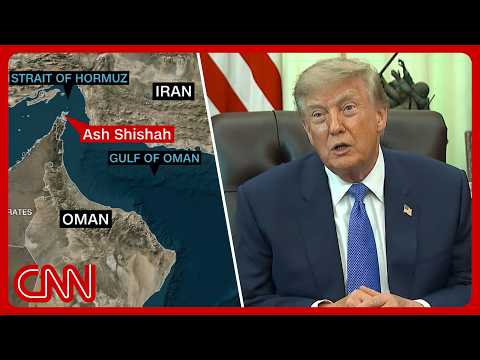
林宜悉 posted on 2026/08/25Could the Iran war be America's biggest strategic blunder since WWII? This video dives into the complex geopolitical situation, exploring how Iran might become the dominant power in the region. You'll pick up key phrases related to international relations and economic sanctions, perfect for understanding global news.
Learn this video on the APP!
The VoiceTube App has more in-depth practice for videos!