
add up to
US /æd ʌp tu/
UK /æd ʌp tu:/
- Phrasal Verb
- To amount to a particular sum or total.
- To have a particular result or effect; to be equal to.
A2Morecalculate
US /ˈkælkjəˌlet/
UK /'kælkjʊleɪt/
- Transitive Verb
- To find an answer using mathematics
- To make an educated guess about something
B2Morechannel
US /ˈtʃænəl/
UK /'tʃænl/
- Noun (Countable/Uncountable)
- Long hole dug in the ground, e.g. to move water
- TV or radio station or its programs
- Transitive Verb
- To dig a long hole for carrying water
- To send (e.g. money) to a certain place or person
B1Morechlorine
US /ˈklɔːrˌiːn/
UK /ˈklɔ:ri:n/
- Uncountable Noun
- Greenish-yellow gas with a strong smell
B2Moreconcept
US /ˈkɑnˌsɛpt/
UK /'kɒnsept/
- Noun (Countable/Uncountable)
- Abstract idea of something or how it works
- A plan or intention; a conception.
A2TOEICMoredatum
US /ˈdetəm, ˈdætəm, ˈdɑtəm/
UK /ˈdeɪtəm/
- Noun
- Item of factual information
B1Moredetermine
US /dɪˈtɚmɪn/
UK /dɪ'tɜ:mɪn/
- Transitive Verb
- To control exactly how something will be or act
- To establish the facts about; discover
A2TOEICMorediagram
US /ˈdaɪəˌɡræm/
UK /'daɪəɡræm/
- Noun
- A drawing intended to explain how something works
- Transitive Verb
- To show or explain something by drawing a picture
B1Morediscrepancy
US /dɪˈskrɛpənsi/
UK /dɪs'krepənsɪ/
- Noun (Countable/Uncountable)
- Difference between amounts that should be the same
- A lack of compatibility or similarity between two or more facts.
B1Moredisorder
US /dɪsˈɔrdɚ/
UK /dɪs'ɔ:də(r)/
- Uncountable Noun
- State of confusion or a lack of organization
- Illness when the body is not functioning well
- Transitive Verb
- To disrupt the order or arrangement of something.
B2Moredissolve
US /dɪˈzɑ:lv/
UK /dɪˈzɒlv/
- Verb (Transitive/Intransitive)
- To cause something to end
- To dismiss, e.g. a law-making body
B2Moredistance
US /ˈdɪstəns/
UK /'dɪstəns/
- Uncountable Noun
- Lack of friendliness toward another person
- Noun (Countable/Uncountable)
- Amount of space between two places or things
- A point or place that is far away.
A2Moredynamic
US /daiˈnæmik/
UK /daɪˈnæmɪk/
- Adjective
- Always active or energetic; getting things done
B1TOEICMoreelemental
US /ˌɛləˈmɛntl:/
UK /ˌelɪˈmentl/
- Adjective
- Being basic and important
- Relating to the basic elements of nature; powerful.
C1TOEICMoreentropy
US /ˈɛntrəpi/
UK /ˈentrəpi/
- Uncountable Noun
- Lack of order in a system
C1Moreequilibrium
US /ˌikwəˈlɪbriəm, ˌɛkwə-/
UK /ˌi:kwɪˈlɪbriəm/
- Noun (Countable/Uncountable)
- A state of balance or harmony
- Calm, quiet, undisturbed emotional state
C2TOEICMoreextent
US /ɪkˈstɛnt/
UK /ɪkˈstent/
- Noun (Countable/Uncountable)
- Point, level or limit to which something reaches
- Range or space included in something
A2TOEICMorefavorable
US /ˈfevərəbəl, ˈfevrə-/
UK /'feɪvərəbl/
- Adjective
- When a good result or positive outcome is likely
B2TOEICMorefit in
US /fɪt ɪn/
UK /fit in/
- Phrasal Verb
- To mix with others so you get on well with them
A2Morefor example
US
UK
- Phrase
- As an illustration or instance.
for now
US /fɔr naʊ/
UK /fɔ: nau/
- Phrase
- Temporarily; for the present time.
- In the short term; for the immediate future.
A1Moreformation
US /fɔ:rˈmeɪʃn/
UK /fɔ:ˈmeɪʃn/
- Noun
- Process of creating; making a particular shape
B1Morehandy
US /ˈhændi/
UK /'hændɪ/
- Adjective
- Convenient, easy to use, easy to reach
- Being skillful in performing small tasks
C2Morehave to
US /hæv tu/
UK /ˈhæv tə/
- Auxiliary Verb
- Must do
A1Moreheighten
US /ˈhaɪtn/
UK /'haɪtn/
- Transitive Verb
- To increase the degree or intensity of something
B1Morehomogeneous
US /ˌhoməˈdʒiniəs, -ˈdʒinjəs/
UK /ˌhɒmə'dʒi:nɪəs/
- Adjective
- Being all of the same type
B1Morehydration
US /haɪ'dreɪʃn/
UK /haɪ'dreɪʃn/
- Uncountable Noun
- Process of supplying or adding water to
C2Morein order to
US /ɪn ˈɔrdɚ tu/
UK /in ˈɔ:də tu:/
- Preposition
- For the purpose of; with the aim of.
- Phrase
- In a specific sequence or arrangement.
- With the aim of; for the purpose of.
C1Moreindirectly
US
UK
- Adverb
- In a manner that is not direct or straight
B1Moreindividual
US /ˌɪndəˈvɪdʒuəl/
UK /ˌɪndɪˈvɪdʒuəl/
- Countable Noun
- Single person, looked at separately from others
- A single thing or item, especially when part of a set or group.
- Adjective
- Made for use by one single person
- Having a distinct manner different from others
A2Moreinteract
US /ˌɪntɚˈækt/
UK /ˌɪntər'ækt/
- Intransitive Verb
- To talk or do things with each other
A2Moreion
US /ˈaɪən/
UK /'aɪən/
- Noun (Countable/Uncountable)
- Atoms with either a positive or negative charge
B2Morelattice
US /ˈlætɪs/
UK /ˈlætɪs/
- Noun
- Openwork structure of crossed strips of wood, etc.
C1Morelook at
US /lʊk æt/
UK /luk æt/
- Phrasal Verb
- To use your eyes to focus on something
- To focus your eyes on something carefully
A1Moremake with
US
UK
- Phrasal Verb
- To offer or provide something, often quickly or unexpectedly.
participate
US /pɑ:rˈtɪsɪpeɪt/
UK /pɑ:ˈtɪsɪpeɪt/
- Intransitive Verb
- To take part with others in doing something
- To be involved in a discussion or conversation.
B1TOEICMoreparticle
US /ˈpɑrtɪkəl/
UK /ˈpɑ:tɪkl/
- Noun
- Adverb or preposition that joins with a verb
- Tiny piece or quantity of something
B1Morepotentially
US /pəˈtɛnʃəlɪ/
UK /pə'tenʃəlɪ/
- Adverb
- That could happen or become reality
B1Moreprecipitation
US /prɪˌsɪpɪˈteʃən/
UK /prɪˌsɪpɪˈteɪʃn/
- Uncountable Noun
- Material that falls from sky; rain, snow or hail
- Chemical process of separating solids from liquids
B2Morereaction
US /riˈækʃən/
UK /rɪ'ækʃn/
- Noun
- Bodily response to a drug or something eaten
- Feeling or action in response to something
A2Morerefer
US /rɪˈfɚ/
UK /rɪ'fɜ:(r)/
- Verb (Transitive/Intransitive)
- To talk about or write about something
- To give information about something
A2TOEICMorerelate
US /rɪˈlet/
UK /rɪ'leɪt/
- Transitive Verb
- To demonstrate a logical relationship between
- To understand or sympathize with, e.g. a problem
A2TOEICMoresaturate
US /ˈsætʃəˌret/
UK /ˈsætʃəreɪt/
- Transitive Verb
- To cause a liquid to not be able to absorb more
- To try to fill up e.g. a market
B2Moresodium
US /ˈsodiəm/
UK /'səʊdɪəm/
- Uncountable Noun
- A soft, white chemical element
B2Moresolid
US /ˈsɑlɪd/
UK /'sɒlɪd/
- Adjective
- Being able to be trusted; reliable
- Substance that is hard or of fixed shape
- Noun
- Something firm or hard; not gas or liquid
A2Moresoluble
US /ˈsɑ:ljəbl/
UK /ˈsɒljəbl/
- Adjective
- Able to dissolve or be dissolved in a liquid
- Able to be solved
B2Moresolvent
US /ˈsɑ:lvənt/
UK /ˈsɒlvənt/
- Noun
- Substance used to dissolve or melt others
B2TOEICMorestuff
US /stʌf/
UK /stʌf/
- Uncountable Noun
- Generic description for things, materials, objects
- Transitive Verb
- To push material inside something, with force
B1Moresubscribe
US /səbˈskraɪb/
UK /səb'skraɪb/
- Verb (Transitive/Intransitive)
- To regularly pay to receive a service
B1TOEICMoresubstance
US /ˈsʌbstəns/
UK /'sʌbstəns/
- Uncountable Noun
- Essence of; most basic or central qualities
- Particular type of material
A2Moretabulate
US
UK
- Transitive Verb
- To put and order figures or information in a list
C1Moretendency
US /ˈtɛndənsi/
UK /'tendənsɪ/
- Noun
- Likelihood to behave in a particular way
A2Moretricky
US /ˈtrɪki/
UK /'trɪkɪ/
- Adjective
- Difficult, so needing skill to do or deal with
- Likely to use tricks; dishonest or deceptive
A2Moreunstable
US /ʌnˈstebəl/
UK /ʌnˈsteɪbl/
- Adjective
- (Of a chair, etc.) likely to move, fall etc.
- Tending to overreact emotionally; not balanced
B1Moreversion
US /ˈvɚʒən, -ʃən/
UK /ˈvə:ʃən/
- Noun
- Different way that someone interprets something
- New or different form of something
A2TOEICMorevolume
US /ˈvɑljum, -jəm/
UK /ˈvɒlju:m/
- Noun (Countable/Uncountable)
- Number or amount of something e.g. sales
- Amount of space that something takes up
- Countable Noun
- One book that is part of a set of books
A2More
Vocabulary
- look at: To use your eyes to focus on something
- fit in: To mix with others so you get on well with them
- make with: To offer or provide something, often quickly or unexpectedly.
- in order to: For the purpose of; with the aim of.
- for example: As an illustration or instance.
- for now: Temporarily; for the present time.
- add up to: To amount to a particular sum or total.
- have to: Must do
- stuff: Generic description for things, materials, objects
- subscribe: To regularly pay to receive a service
- individual: Single person, looked at separately from others
- situation: Place, position or area that something is in
- concept: Abstract idea of something or how it works
- determine: To control exactly how something will be or act
- potentially: That could happen or become reality
- disorder: State of confusion or a lack of organization
- tricky: Difficult, so needing skill to do or deal with
- force: Group of persons trained for military action; army
- interact: To talk or do things with each other
- solid: Being able to be trusted; reliable
- dynamic: Always active or energetic; getting things done
- amount: Quantity of something
- substance: Essence of; most basic or central qualities
- extent: Point, level or limit to which something reaches
- version: Different way that someone interprets something
- tendency: Likelihood to behave in a particular way
- mean: Average of a set of numbers
- explain: To make clear or easy to understand by describing
- refer: To talk about or write about something
- reaction: Bodily response to a drug or something eaten
- compare: To consider how similar and different things are
- volume: Number or amount of something e.g. sales
- distance: Lack of friendliness toward another person
- rate: To assess something or consider its qualities
- relate: To demonstrate a logical relationship between
- handy: Convenient, easy to use, easy to reach
- dissolve: To cause something to end
- participate: To take part with others in doing something
- leave: To go away from; depart
- sodium: A soft, white chemical element
- discrepancy: Difference between amounts that should be the same
- lot: What happens to a person in life from chance; fate
- formation: Process of creating; making a particular shape
- channel: Long hole dug in the ground, e.g. to move water
- order: Religious or social group, as of nuns
- allow: To admit the validity or truth of something
- particle: Adverb or preposition that joins with a verb
- great: Very good; better than before
- change: To exchange one set of clothes for another
- find: To become aware of something that is happening
- question: To ask for or try to get information
- equilibrium: A state of balance or harmony
- saturate: To cause a liquid to not be able to absorb more
- diagram: A drawing intended to explain how something works
- calculate: To find an answer using mathematics
- datum: Item of factual information
- precipitation: Material that falls from sky; rain, snow or hail
- favorable: When a good result or positive outcome is likely
- homogeneous: Being all of the same type
- chlorine: Greenish-yellow gas with a strong smell
- hydration: Process of supplying or adding water to
- heighten: To increase the degree or intensity of something
- entropy: Lack of order in a system
- soluble: Able to dissolve or be dissolved in a liquid
- solvent: Substance used to dissolve or melt others
- unstable: (Of a chair, etc.) likely to move, fall etc.
- indirectly: In a manner that is not direct or straight
- elemental: Being basic and important
- ion: Atoms with either a positive or negative charge
- lattice: Openwork structure of crossed strips of wood, etc.
- tabulate: To put and order figures or information in a list
Get the full experience in the app
Learn anywhere with detailed sentence and usage analysis
01:03
She took a brave step forward, leaving behind her comfort zone to chase her dreams.
Vocabulary
- brave
adj. Having courage
- comfort zone
phr. A familiar situation where one feels safe
Explanation
a brave step is a noun phrase, where brave is an adjective modifying the noun step, meaning "a courageous step".
forward is an adverb modifying step, meaning "ahead".
The whole phrase serves as the object, answering the "what" of took (verb) — she took a brave step forward.
Get the full experience in the app
Look up words anytime with pronunciation, part of speech, and usage
brave
US/brev/
UK/breɪv/
adj.Brave
v.t.To bravely face
A2 Elementary
Get the full experience in the app
Practice speaking anytime and get instant pronunciation feedback
Try this speaking exercise.
Try practicing with this sentence.
80
0
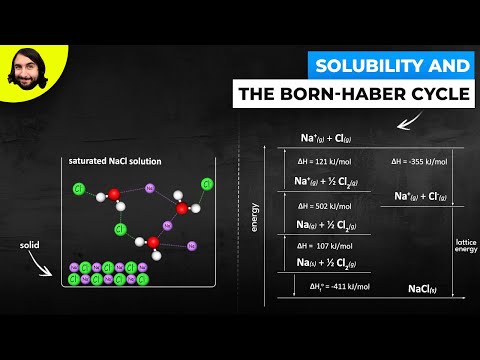
Ken Lee posted on 2026/08/25Ever wondered why some things dissolve and others don't? This video breaks down the science behind solubility, explaining concepts like saturation and the crucial difference between hydration energy and lattice energy. You'll even get a peek at the Born-Haber cycle, a clever way to calculate energies involved in dissolving ionic solids!
Learn this video on the APP!
The VoiceTube App has more in-depth practice for videos!