
administration
US / ædˌmɪnɪˈstreʃən/
UK /ədˌmɪnɪˈstreɪʃn/
- Uncountable Noun
- Act of giving e.g. medicine to a patient
- The work of running something, e.g. a business
B1TOEICMoreback down
US /bæk daʊn/
UK /bæk daun/
- Phrasal Verb
- To admit you were wrong; stop claiming
A1Moreback then
US
UK
- Phrase
- At that time in the past.
A1Morebenefit
US /ˈbɛnəfɪt/
UK /'benɪfɪt/
- Noun (Countable/Uncountable)
- Good result or effect, something advantageous
- A payment made by the state or an insurance policy to someone
- Verb (Transitive/Intransitive)
- To have a good effect or be helpful
- To receive an advantage; to be helped
A2TOEICMoreby and large
US /baɪ ənd lɑrdʒ/
UK /bai ænd lɑ:dʒ/
- Phrase
- Generally; on the whole; mostly.
- Taking everything into consideration; all things considered.
A2Morecandidate
US /ˈkændɪˌdet, -dɪt/
UK /ˈkændɪdət/
- Noun (Countable/Uncountable)
- Politician who is running for public office
B1Morecrush on
US
UK
- Phrasal Verb
- To have a brief but intense infatuation with someone.
C2Moredemocratic
US /ˌdɛməˈkrætɪk/
UK /ˌdeməˈkrætɪk/
- Adjective
- (Of government) giving the people power, a vote
- Based on the principle that all members have equal rights.
B2Moredisastrous
US /dɪˈzæstrəs/
UK /dɪˈzɑ:strəs/
- Adjective
- Having very unfortunate or terrible consequences
- Having extremely negative or terrible consequences.
B1Moredistance
US /ˈdɪstəns/
UK /'dɪstəns/
- Uncountable Noun
- Lack of friendliness toward another person
- Noun (Countable/Uncountable)
- Amount of space between two places or things
- A point or place that is far away.
A2Moreendorse
US /ɪnˈdɔ:rs/
UK /ɪnˈdɔ:s/
- Transitive Verb
- To show or express approval of
- To sign your name on the back of a check
B2TOEICMoreexpertise
US /ˌekspɜːrˈtiːz/
UK /ˌekspɜ:ˈti:z/
- Uncountable Noun
- The special knowledge that an expert has
- Expert skill or knowledge in a particular field.
B1TOEICMorefeed
US /fid/
UK /fi:d/
- Transitive Verb
- To give food, e.g. to animals or a baby
- To push something through an opening
- Uncountable Noun
- Food given to animals
A2TOEICMorefill out
US /fɪl aʊt/
UK /fil aut/
- Phrasal Verb
- To become fatter
- To complete a form by adding information needed
A1Morefor free
US /fɔr fri/
UK /fɔ: fri:/
- Phrase
- Without charge; at no cost.
- Adjective
- Available without payment.
A2Moreget out of
US /ɡɛt aʊt ʌv/
UK /ɡet aut ɔv/
- Phrasal Verb
- To leave or escape responsibilities, troubles
- To leave a small, enclosed vehicle
A1Morego on
US /ɡo ɑn/
UK /ɡəu ɔn/
- Phrasal Verb
- To continue doing something
- To happen (usually negative)
- Interjection
- Used to encourage someone
A1Moregoing on
US /ˈɡoɪŋ ɑn/
UK /ˈgəʊɪŋ ɔn/
- Phrasal Verb
- To continue doing something
- To happen (usually negative)
A1Moreharp
US /hɑrp/
UK /hɑ:p/
- Noun
- Upright stringed instrument played with fingers
B2Morehave at
US
UK
- Phrasal Verb
- To attack someone or something.
- To begin doing something with enthusiasm.
A1Morein mind
US /ɪn maɪnd/
UK /in maind/
- Phrase
- Being aware of or considering something.
- To remember or consider something.
A2Morein public
US /ɪn ˈpʌblɪk/
UK /in ˈpʌblik/
- Phrase
- In a place where anyone can see or hear you.
- Adjective
- Relating to the government or the people as a whole.
B1Morein the past
US
UK
- Phrase
- During a former period of time; previously.
A1Morein the trenches
US /ɪn ðə ˈtrɛntʃɪz/
UK /ɪn ðə ˈtrentʃɪz/
- other
- Engaged directly and actively in difficult work or conflict.
B2Morein the way
US /ɪn ði we/
UK /in ðə wei/
- Phrase
- Obstructing someone or something; hindering progress.
- Stored or placed so as to be available or ready when needed.
A1Morein the world
US /ɪn ði wɜrld/
UK /in ðə wɜː(r)ld/
- Phrase
- Used to emphasize a question expressing surprise, confusion, disbelief
- Used to indicate the extent or degree of something, often in a superlative sense
A1Morein ways
US
UK
- Phrase
- In a manner or by methods that.
- In certain respects or aspects.
A1Morelash
US /læʃ/
UK /læʃ/
- Countable Noun
- Small hairs that grow above and below your eyes
- A quick hit with a narrow stick or whip
- Transitive Verb
- To hit something violently or forcefully
- To tie something in place tightly
B2Morelash out
US /læʃ aʊt/
UK /læʃ aut/
- Phrasal Verb
- To suddenly attempt to hit someone or something.
- To criticize someone angrily.
A1Morelay
US /le/
UK /leɪ/
- Adjective
- Amateur; not being a trained priest
- Transitive Verb
- To place a bet on a game outcome
- (Of a bird, etc.) to produce eggs from its body
A2Moreleave aside
US /liv əˈsaɪd/
UK /li:v əˈsaid/
- Phrasal Verb
- To ignore something for the moment
B2Morelegislator
US /ˈlɛdʒɪˌsletɚ/
UK /ˈledʒɪsleɪtə(r)/
- Noun
- Someone who makes or enacts laws
B1Moreliterally
US /ˈlɪtərəli/
UK
- Adverb
- In a literal manner or sense; exactly as stated.
- Used for emphasis to describe something that is actually true, often to highlight surprise or intensity.
B1Morelook at
US /lʊk æt/
UK /luk æt/
- Phrasal Verb
- To use your eyes to focus on something
- To focus your eyes on something carefully
A1Moreone of those things
US /wʌn əv ðoʊz θɪŋz/
UK /wʌn əv ðəuz θɪŋz/
- other
- An unfortunate but unavoidable event.
B2Moreout there
US /aʊt ðɛr/
UK /aut ðɛə/
- Adverb
- In or to a place that is far away
- Existing in the universe
- Adjective
- Unconventional; strange; avant-garde
- Existing or available.
A1Moreoutsider
US /aʊtˈsaɪdɚ/
UK /ˌaʊtˈsaɪdə(r)/
- Noun
- Someone who is not part of or accepted in a group
B1Morepersonality
US /ˌpɚsəˈnælɪti/
UK /ˌpɜ:səˈnæləti/
- Noun (Countable/Uncountable)
- Way someone is or reacts to life or other people
- Person who is famous; celebrity
A2Morepolitic
US /ˈpɑlɪtɪk/
UK /ˈpɒlətɪk/
- Adjective
- Careful what you say; diplomatic
B2Morepolitical
US /pəˈlɪtɪkəl/
UK /pəˈlɪtɪkl/
- Adjective
- Being active or interested in government matters
- Diplomatic
A2Morepresident
US /ˈprɛzɪdənt,-ˌdɛnt/
UK /ˈprezɪdənt/
- Noun
- Person in charge of a country, or organization
- The highest-ranking executive in a corporation or organization.
A2TOEICMorepressure
US /ˈprɛʃɚ/
UK /'preʃə(r)/
- Noun (Countable/Uncountable)
- Anxiety caused by difficult problems
- Force, weight when pressing against a thing
- Transitive Verb
- To apply force to something
- To persuade or force someone to do something
A2TOEICMoreprimary
US /ˈpraɪˌmɛri, -məri/
UK /'praɪmərɪ/
- Adjective
- Most important, most basic or essential
- Happening first; earliest
B2Morerace
US /res/
UK /reɪs/
- Noun (Countable/Uncountable)
- Speed contest between people, animals or vehicles
- People who share physical features or culture
- Intransitive Verb
- To take part in a running or swimming competition
- To move or go at a very fast pace
A2Morerelationship
US /rɪˈleʃənˌʃɪp/
UK /rɪˈleɪʃnʃɪp/
- Noun (Countable/Uncountable)
- Connection between two or more people or things
- Way people interact or live with each other
A2TOEICMorerepublican
US /rɪˈpʌblɪkən/
UK /rɪˈpʌblɪkən/
- Countable Noun
- Supporter of the conservative US political party
- Adjective
- Of a republic; not favoring a monarchy
B1Moresecurity
US /sɪˈkjʊrɪti/sə'kjurətɪ/
UK /sɪ'kjʊərətɪ/
- Noun
- Department in a company in charge of protection
- Financial document, like stocks, bonds and notes
A2TOEICMoresenate
US /ˈsɛnɪt/
UK /'senət/
- Noun
- A board of governors at a college or university
B2Moresenator
US /ˈsɛnətɚ/
UK /ˈsenətə(r)/
- Noun
- An elected politician belonging to the senate
B2Moreserve
US /sɚv/
UK /sɜ:v/
- Verb (Transitive/Intransitive)
- To act in a particular position or office
- To hit the first ball to an opponent in tennis etc.
A2TOEICMorestep aside
US /stɛp əˈsaɪd/
UK /step əˈsaid/
- Phrasal Verb
- To move to the side to allow someone to pass.
- To give up a job or position, often to allow someone else to take it.
B1Moretalking about
US
UK
- Phrasal Verb
- To discuss a particular topic.
- To be constantly mentioning or bringing up a subject.
A1Morethick
US /θɪk/
UK /θɪk/
- Adjective
- Difficult to see through, as fog
- Full of (people, etc.)
- Adverb
- In close association or friendship.
A2Moretough
US /tʌf/
UK /tʌf/
- Adjective
- (Of food) difficult to chew or bite through
- Very difficult to do or deal with
- Noun
- A rough and aggressive person.
A2Moretrack
US /træk/
UK /træk/
- Transitive Verb
- To use marks to follow a wild animal
- To move a certain way/follow a particular course
- Noun
- A circular course for running
- Course or way someone takes, e.g. in education
A2TOEICMoreturn to
US /tɚn tu/
UK /tə:n tu:/
- Phrasal Verb
- To go to someone for help, advice, or information.
- To start doing or using something, often something bad or undesirable.
A1Moreunder normal circumstances
US
UK
- Phrase
- Typically; usually; in the absence of unusual factors or conditions.
A1Moreup against
US /ʌp əˈɡenst/
UK /ʌp əˈɡenst/
- Phrase
- Facing or contending with something difficult or challenging.
- In close proximity or contact with something.
used to
US /juzd tu/
UK /ˈju:st tə/
- Adjective
- Did regularly before, but don't do now
- Auxiliary Verb
- Have done before, but do not do now
A1Morewitness
US /ˈwɪtnɪs/
UK /'wɪtnəs/
- Transitive Verb
- To see the signing of an official document
- To see an event take place (usually a crime)
- Noun (Countable/Uncountable)
- Person who was present to see an event take place
- Evidence or proof of something
B1TOEICMore
Vocabulary
- turn to: To go to someone for help, advice, or information.
- up against: Facing or contending with something difficult or challenging.
- talking about: To discuss a particular topic.
- in mind: Being aware of or considering something.
- out there: In or to a place that is far away
- under normal circumstances: Typically; usually; in the absence of unusual factors or conditions.
- in the way: Obstructing someone or something; hindering progress.
- in the world: Used to emphasize a question expressing surprise, confusion, disbelief
- going on: To continue doing something
- in the trenches: Engaged directly and actively in difficult work or conflict.
- in the past: During a former period of time; previously.
- by and large: Generally; on the whole; mostly.
- back down: To admit you were wrong; stop claiming
- fill out: To become fatter
- for free: Without charge; at no cost.
- in public: In a place where anyone can see or hear you.
- get out of: To leave or escape responsibilities, troubles
- step aside: To move to the side to allow someone to pass.
- have at: To attack someone or something.
- go on: To continue doing something
- back then: At that time in the past.
- lash out: To suddenly attempt to hit someone or something.
- used to: Did regularly before, but don't do now
- one of those things: An unfortunate but unavoidable event.
- look at: To use your eyes to focus on something
- crush on: To have a brief but intense infatuation with someone.
- in ways: In a manner or by methods that.
- leave aside: To ignore something for the moment
- literally: In a literal manner or sense; exactly as stated.
- sort: To organize things by putting them into groups
- tough: (Of food) difficult to chew or bite through
- track: To use marks to follow a wild animal
- pressure: Anxiety caused by difficult problems
- relationship: Connection between two or more people or things
- political: Being active or interested in government matters
- personality: Way someone is or reacts to life or other people
- state: Region within a country, with its own government
- expertise: The special knowledge that an expert has
- primary: Most important, most basic or essential
- candidate: Politician who is running for public office
- security: Department in a company in charge of protection
- benefit: Good result or effect, something advantageous
- witness: To see the signing of an official document
- administration: Act of giving e.g. medicine to a patient
- thick: Difficult to see through, as fog
- democratic: (Of government) giving the people power, a vote
- distance: Lack of friendliness toward another person
- serve: To act in a particular position or office
- mind: To be bothered or upset by something
- race: Speed contest between people, animals or vehicles
- strange: Unusual or odd; surprising because unexpected
- leave: To go away from; depart
- social: Involving activity with people, e.g. in free time
- normal: Standard or regular way of doing something
- lot: What happens to a person in life from chance; fate
- kind: In a caring and helpful manner
- president: Person in charge of a country, or organization
- government: Group of people and system that rule a nation
- chance: The way something happens without planning
- point: An item to be discussed
- great: Very good; better than before
- endorse: To show or express approval of
- turn: To become (a particular age)
- remember: To give someone a gift, e.g. birthday, wedding
- lay: Amateur; not being a trained priest
- feed: To give food, e.g. to animals or a baby
- senate: A board of governors at a college or university
- disastrous: Having very unfortunate or terrible consequences
- senator: An elected politician belonging to the senate
- lash: Small hairs that grow above and below your eyes
- republican: Supporter of the conservative US political party
- politic: Careful what you say; diplomatic
- outsider: Someone who is not part of or accepted in a group
- harp: Upright stringed instrument played with fingers
- legislator: Someone who makes or enacts laws
Get the full experience in the app
Learn anywhere with detailed sentence and usage analysis
01:03
She took a brave step forward, leaving behind her comfort zone to chase her dreams.
Vocabulary
- brave
adj. Having courage
- comfort zone
phr. A familiar situation where one feels safe
Explanation
a brave step is a noun phrase, where brave is an adjective modifying the noun step, meaning "a courageous step".
forward is an adverb modifying step, meaning "ahead".
The whole phrase serves as the object, answering the "what" of took (verb) — she took a brave step forward.
Get the full experience in the app
Look up words anytime with pronunciation, part of speech, and usage
brave
US/brev/
UK/breɪv/
adj.Brave
v.t.To bravely face
A2 Elementary
Get the full experience in the app
Practice speaking anytime and get instant pronunciation feedback
Try this speaking exercise.
Try practicing with this sentence.
80
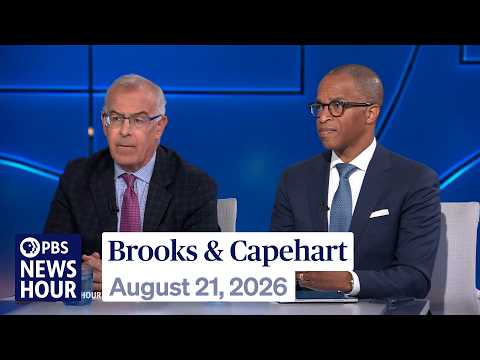
Brooks and Capehart on how economic concerns defined the primaries
0
林宜悉 posted on 2026/08/23Curious about how economic issues are shaping political races? This insightful discussion dives into recent primary results, exploring how voters' concerns about inflation and prices might be overshadowing other political factors. You'll pick up key phrases for discussing economic anxieties and political strategies in today's world.
Learn this video on the APP!
The VoiceTube App has more in-depth practice for videos!