
at gunpoint
US /ˌæt ˈɡʌnˌpɔɪnt/
UK /ˌæt ˈɡʌnpɔɪnt/
- other
- Forced or threatened with a gun.
B2Moreback out
US /bæk aʊt/
UK /bæk aut/
- Phrasal Verb
- To say you will now not do something you promised
A1Morebeware
US /bɪˈwer/
UK /bɪˈweə(r)/
- Intransitive Verb
- To be careful, used in warning someone
B1Morebud
US /bʌd/
UK /bʌd/
- Noun
- Small part of a plant that will be a flower
B2Morecall for
US /kɔl fɔr/
UK /kɔ:l fɔ:/
- Phrasal Verb
- To demand, need or require (an action or thing)
- To come to someone's house to take them somewhere
A1Morecamera
US /ˈkæmərə, ˈkæmrə/
UK /'kæmərə/
- Noun (Countable/Uncountable)
- Object that takes pictures digitally, or on film
- The art or activity of taking photographs or filming.
A2Moredeath
US /dɛθ/
UK /deθ/
- Noun (Countable/Uncountable)
- When someone dies; the end of life
- The cause or manner of someone dying.
A2Moredude
US /dud, djud/
UK /du:d/
- Noun
- Form of address for a man
- (informal) A man; a fellow.
- Interjection
- (informal) Used as a term of address, often between men.
B2Morefall apart
US /fɔl əˈpɑrt/
UK /fɔ:l əˈpɑ:t/
- Phrasal Verb
- To suffer a nervous breakdown
- To break into pieces; stop functioning
A1Moregate
US /ɡet/
UK /ɡeɪt/
- Noun
- Place in a fence which can be opened or closed
A2TOEICMoreget it down
US
UK
- Phrasal Verb
- To write something down; record something in writing.
- To swallow something, especially with difficulty.
A1Moreget lost
US /ɡɛt lɔst/
UK /ɡet lɔ:st/
- Intransitive Verb
- An impolite way of telling someone to go away.
- To become unable to find your way; to lose your sense of direction.
- Interjection
- An impolite way of telling someone to go away.
A1Moregun
US /ɡʌn/
UK /ɡʌn/
- Transitive Verb
- To suddenly make an engine run faster
- Countable Noun
- Weapon which fires bullets down a tube
A2Morehead out
US /hɛd aʊt/
UK /hed aut/
- Phrasal Verb
- To leave a place; depart
A1Morehistory
US /ˈhɪstəri/
UK /'hɪstrɪ/
- Noun (Countable/Uncountable)
- Established pattern or record
- Study of past events as an academic subject
A2Morein with
US /ɪn wɪð/
UK /in wið/
- Phrase
- Fashionable or popular at the moment.
- Having influence or favor with someone.
- Phrasal Verb
- To introduce or bring something new into a system or organization.
A1Morenegotiator
US /nɪˈɡoʃɪˌetɚ/
UK /nɪˈgəʊʃieɪtə(r)/
- Noun
- Person holding a discussion to reach agreement
B1TOEICMoreofficer
US /ˈɔ:fɪsə(r)/
UK /ˈɒfɪsə(r)/
- Noun (Countable/Uncountable)
- Person of high position in an organization
- Person of high position in the military
B1Moreonline
US /ˌɑ:nˈlaɪn/
UK /ˌɒnˈlaɪn/
- Adjective
- Connected to the internet
- Adverb
- Via the internet.
B1Moreout of the way
US /aʊt ʌv ði we/
UK /aut ɔv ðə wei/
- Adjective
- Remote; isolated.
- No longer obstructing or hindering.
- Phrase
- Not obstructing or impeding progress; in a position where one does not cause an obstruction.
- Completed; finished; no longer needing attention.
B1Moreoverlap
US /ˌoʊvərˈlæp/
UK /ˌəʊvəˈlæp/
- Verb (Transitive/Intransitive)
- To lie over or cover a part of something else
- To happen at the same time as another event
- Noun (Countable/Uncountable)
- Amount shared in the same space, form, idea
B1TOEICMorepartner
US /ˈpɑrtnɚ/
UK /'pɑ:tnə(r)/
- Noun (Countable/Uncountable)
- One you have a business/personal relationship with
- Someone you have personal relationship with
- Intransitive Verb
- To join with others for work or other activity
A2Morerear
US /rɪr/
UK /rɪə(r)/
- Noun
- Part of the human body that you sit on; buttocks
- Transitive Verb
- To care for a young animal, child into adulthood
A2TOEICMorerescue
US /ˈrɛskju/
UK /'reskju:/
- Transitive Verb
- To save someone who is in danger or in trouble
- To provide financial assistance to save a company or economy from collapse.
- Noun (Countable/Uncountable)
- Act of saving someone in danger or in trouble
- An act of saving someone or something from a dangerous or difficult situation.
A2TOEICMoresergeant
US /ˈsɑrdʒənt/
UK /'sɑ:dʒənt/
- Countable Noun
- Officer of low rank in the military
C1Moreshoot
US /ʃut/
UK /ʃu:t/
- Verb (Transitive/Intransitive)
- To kick or throw a ball at a goal
- To fire a gun; injure or kill someone with a gun
- Countable Noun
- Emerging new part of a plant
A2Moreshot
US /ʃɑt/
UK /ʃɒt/
- Transitive Verb
- To kick or throw a ball at a goal
- To fire a gun; injure or kill someone with a gun
- Countable Noun
- An attempt to kick or throw a ball at a goal
A2Moreshut
US /ʃʌt/
UK /ʃʌt/
- Intransitive Verb
- To stop being open for business
- Transitive Verb
- To close something, e.g. a door
A2Moreshut down
US /ʃʌt daʊn/
UK /ʃʌt daun/
- Phrasal Verb
- To close an operating system, e.g. on a computer
- To stop a factory/machine from operating
- Transitive Verb
- To deactivate a nuclear reactor.
- To turn off a computer or other electronic device.
A2Morespot
US /spɑt/
UK /spɒt/
- Noun
- A certain place or area
- A difficult time; awkward situation
- Transitive Verb
- To see someone or something by chance
A2TOEICMorestep to
US
UK
- Phrasal Verb
- To approach someone or something, often with a specific purpose.
- To challenge or confront someone, often aggressively.
A1Moreto the left
US
UK
- Phrase
- In or toward the left direction.
- Situated on the left side of.
victor
US /ˈvɪktər/
UK /'vɪktə(r)/
- Countable Noun
- Person who wins a game or other competition
B2Morework through
US
UK
- Phrasal Verb
- To deal with something systematically until it is completed
- To deal with a problem or difficult situation.
Vocabulary
- work through: To deal with something systematically until it is completed
- in with: Fashionable or popular at the moment.
- out of the way: Remote; isolated.
- fall apart: To suffer a nervous breakdown
- at gunpoint: Forced or threatened with a gun.
- head out: To leave a place; depart
- get lost: An impolite way of telling someone to go away.
- shut down: To close an operating system, e.g. on a computer
- step to: To approach someone or something, often with a specific purpose.
- to the left: In or toward the left direction.
- back out: To say you will now not do something you promised
- get it down: To write something down; record something in writing.
- call for: To demand, need or require (an action or thing)
- treat: To pay for the food or enjoyment of someone else
- spot: A certain place or area
- dude: Form of address for a man
- drop: Distance between a higher and a lower level
- fall: Season after summer and before winter; Autumn
- leave: To go away from; depart
- rescue: To save someone who is in danger or in trouble
- kind: In a caring and helpful manner
- overlap: To lie over or cover a part of something else
- rear: Part of the human body that you sit on; buttocks
- head: To hit a ball with your head in a game
- shut: To stop being open for business
- step: Movement done as part of a particular dance
- pull: Act of breathing in smoke, as from a pipe
- shot: To kick or throw a ball at a goal
- space: Empty area kept for a specific reason, like a car
- shoot: To kick or throw a ball at a goal
- start: First time or place that a thing exists; beginning
- hold: To agree to keep something for someone
- think: To have an idea about something without certainty
- partner: One you have a business/personal relationship with
- cover: To record a different version of another song
- bud: Small part of a plant that will be a flower
- ride: Machine at an amusement park for riding on for fun
- clear: Empty; without anything in it or on it
- death: When someone dies; the end of life
- history: Established pattern or record
- sergeant: Officer of low rank in the military
- beware: To be careful, used in warning someone
- gate: Place in a fence which can be opened or closed
- officer: Person of high position in an organization
- camera: Object that takes pictures digitally, or on film
- online: Connected to the internet
- negotiator: Person holding a discussion to reach agreement
- gun: To suddenly make an engine run faster
- victor: Person who wins a game or other competition
Get the full experience in the app
Learn anywhere with detailed sentence and usage analysis
01:03
She took a brave step forward, leaving behind her comfort zone to chase her dreams.
Vocabulary
- brave
adj. Having courage
- comfort zone
phr. A familiar situation where one feels safe
Explanation
a brave step is a noun phrase, where brave is an adjective modifying the noun step, meaning "a courageous step".
forward is an adverb modifying step, meaning "ahead".
The whole phrase serves as the object, answering the "what" of took (verb) — she took a brave step forward.
Get the full experience in the app
Look up words anytime with pronunciation, part of speech, and usage
brave
US/brev/
UK/breɪv/
adj.Brave
v.t.To bravely face
A2 Elementary
Get the full experience in the app
Practice speaking anytime and get instant pronunciation feedback
Try this speaking exercise.
Try practicing with this sentence.
80
0
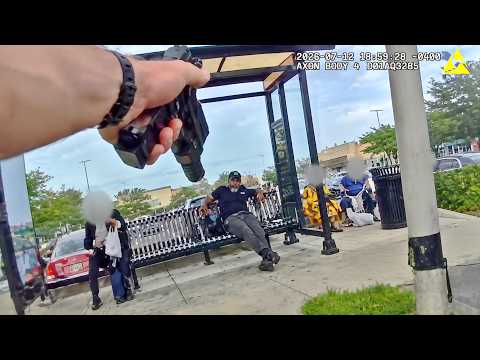
Lucas posted on 2026/08/16Ever wondered what goes on during a tense police standoff? This video gives you a front-row seat to a critical situation, showing how officers de-escalate a potentially dangerous encounter. You'll pick up useful phrases for high-pressure communication, like "drop the gun" and "work with me."
Learn this video on the APP!
The VoiceTube App has more in-depth practice for videos!