
accuracy
US /ˈækjərəsi/
UK /ˈækjərəsi/
- Uncountable Noun
- Being exactly right; correctness
- The degree to which something is close to the true value.
A2TOEICMoreaircraft
US /ˈɛrˌkræft/
UK /ˈɛəkrɑ:ft/
- Countable Noun
- Vehicle that can fly
C2TOEICMorealternate
US /ˈɔ:ltərnət/
UK /ɔ:lˈtɜ:nət/
- Intransitive Verb
- To follow one thing after another repeatedly
B2TOEICMorealtitude
US /ˈæltɪˌtud,-ˌtjud/
UK /'æltɪtju:d/
- Noun
- Height of something above sea level
B2TOEICMoreassassination
US /əˌsæsɪ'neɪʃn/
UK /əˌsæsɪ'neɪʃn/
- Noun
- Murder of a public figure by surprise attack
B2Moreat least
US /æt list/
UK /æt li:st/
- Adverb
- As a minimum
- Not less than
- Phrase
- No less than; at the minimum
- Used to indicate that something is positive in a bad situation.
C2Moreat the moment
US
UK
- Adverb
- At this time; now
A1Moreback onto
US /bæk ˈɑntoʊ/
UK /bæk ˈɒntə/
- other
- To reverse a vehicle so it stops at a particular place.
B1Morebacktrack
US /ˈbækˌtræk/
UK /ˈbæktræk/
- Verb (Transitive/Intransitive)
- To go back along the route you just came
- To retract or change your opinion
C2Morecabinet
US /ˈkæbənɪt/
UK /ˈkæbɪnət/
- Noun (Countable/Uncountable)
- Piece of furniture resembling a cupboard
- Group of advisors to a leader of a government
- Adjective
- Relating to the group of senior government ministers.
B1Morecarry out
US /ˈkæri aʊt/
UK /ˈkæri aut/
- Phrasal Verb
- To fulfill or perform your instructions, duty
- Verb (Transitive/Intransitive)
- To perform or execute a task, order, or plan.
- To remove something or someone from a place.
A1Morecater
US /ˈketɚ/
UK /'keɪtə(r)/
- Transitive Verb
- To cook or serve at an event for a fee
- To handle or deal with; provide what is needed
B1Moreclarify
US /ˈklærəˌfaɪ/
UK /'klærəfaɪ/
- Transitive Verb
- To make a liquid become clear or pure
- To state again so that a point is clearer
B1Moreconceal
US /kənˈsil/
UK /kən'si:l/
- Transitive Verb
- To hide; prevent from being discovered
- To keep the truth or true feelings a secret
B1TOEICMoreconcern
US /kənˈsɚn/
UK /kənˈsɜ:n/
- Verb (Transitive/Intransitive)
- To be about a particular topic
- To have a direct impact on someone
- Noun (Countable/Uncountable)
- Company, firm or business
- Feeling of worry or anxiety
A2TOEICMoreconfirm
US /kənˈfɜ:rm/
UK /kənˈfɜ:m/
- Transitive Verb
- To formally approve or check something
- To provide evidence to establish the truth of
A2Moreconvince
US /kənˈvɪns/
UK /kən'vɪns/
- Transitive Verb
- To persuade someone, or make them feel sure
A2TOEICMorecouple
US /ˈkʌpəl/
UK /'kʌpl/
- Transitive Verb
- To join something to something else
- (Two animals) to engage in sexual relations
- Noun (Countable/Uncountable)
- Two people in a romantic relationship
- Two of something; two people; a pair
A2Morecreativity
US /ˌkrieˈtɪvətɪ/
UK /ˌkri:eɪ'tɪvətɪ/
- Uncountable Noun
- Ability to imagine new ideas
A2Morecredible
US /ˈkrɛdəbəl/
UK /ˈkredəbl/
- Adjective
- Believable; that can be believed or trusted
B2TOEICMoredatum
US /ˈdetəm, ˈdætəm, ˈdɑtəm/
UK /ˈdeɪtəm/
- Noun
- Item of factual information
B1Moredeal with
US /dil wɪð/
UK /di:l wið/
- Verb (Transitive/Intransitive)
- To buy or sell goods or services.
- Phrasal Verb
- To take action to solve a problem or manage a situation.
- To be about; concern.
A1Moredecoy
US /ˈdiˌkɔɪ, dɪˈkɔɪ/
UK /ˈdi:kɔɪ/
- Noun
- Thing used to trap someone by distracting them
B2Moredispute
US /dɪˈspjut/
UK /dɪ'spju:t/
- Verb (Transitive/Intransitive)
- To argue with someone about something
- To disagree about who owns or controls something
- Noun (Countable/Uncountable)
- Argument with someone about something
- A question or doubt about something
B1TOEICMoreelevate
US /ˈɛləˌvet/
UK /ˈelɪveɪt/
- Transitive Verb
- To make something higher
- To raise something in status, importance, feeling
B2Moreexquisite
US /ˈɛkskwɪzɪt, ɪkˈskwɪzɪt/
UK /ɪkˈskwɪzɪt/
- Adjective
- Being very sensitive or detailed, e.g. of taste
B2Moreexternal
US /ɪkˈstɚnəl/
UK /eksˈtə:nl/
- Adjective
- Concerning foreign countries
- Concerning the outside of something; outer
A2Moreflight
US /flaɪt/
UK /flaɪt/
- Noun (Countable/Uncountable)
- Act of leaving a place, usually to escape danger
- Trip by plane, helicopter etc.
A2TOEICMorefly out
US
UK
- Phrasal Verb
- To leave a place by airplane.
- Countable Noun
- A batted ball that is caught in the air for an out.
A1Morehave to
US /hæv tu/
UK /ˈhæv tə/
- Auxiliary Verb
- Must do
A1Morehelicopter
US /ˈhɛlɪˌkɑptɚ/
UK /'helɪkɒptə(r)/
- Countable Noun
- Aircraft with spinning blades at the top
- Transitive Verb
- To transport by helicopter
B1TOEICMorehold in
US /hold ɪn/
UK /həuld in/
- Phrasal Verb
- To hide your emotions and not let them show
A1Moreimminent
US /'ɪmɪnənt/
UK /ˈɪmɪnənt/
- Adjective
- Happening soon; about to happen
B2TOEICMorein advance
US /ɪn ædˈvæns/
UK /in ədˈvɑ:ns/
- Phrase
- Ahead of time; before something happens
- Noun
- A payment made before it is due, especially for work to be done
A2Morein flight
US /ɪn flaɪt/
UK /in flait/
- Phrase
- Act of flying
- Adverb
- While flying.
A2Morein part
US /ɪn pɑrt/
UK /in pɑ:t/
- Adverb
- To some extent; partially.
A1Morein public
US /ɪn ˈpʌblɪk/
UK /in ˈpʌblik/
- Phrase
- In a place where anyone can see or hear you.
- Adjective
- Relating to the government or the people as a whole.
B1Morein reality
US /ɪn riˈælɪti/
UK /in riˈæliti/
- Phrase
- Actually; in fact; truly.
B2Morein terms of
US
UK
- Phrase
- With regard to; concerning a particular aspect.
A1Morein the past
US
UK
- Phrase
- During a former period of time; previously.
A1Moreingenuity
US /ˌɪndʒəˈnuɪti, -ˈnju-/
UK /ˌɪndʒə'nju:ətɪ/
- Uncountable Noun
- Cleverness and originality
- The ability to solve difficult problems, often in an original and creative way.
C1Moreinitial
US /ɪˈnɪʃəl/
UK /ɪ'nɪʃl/
- Noun
- First letter of your given name
- The beginning or commencement of something.
- Transitive Verb
- To authorize something by writing your initials
- To mark or sign with one's initials.
A2TOEICMorejet
US /dʒɛt/
UK /dʒet/
- Noun (Countable/Uncountable)
- Stream of liquid/gas shooting out of small opening
- A pipe that water or gas goes through
- Verb (Transitive/Intransitive)
- (Of liquid, gas) to shoot out of a small opening
- To travel on a jet plane
B1TOEICMorejust kind of
US
UK
- Phrase
- Used to express a feeling or state in a vague or hesitant way.
- Used to indicate something is approximately or generally similar to something else.
A2Morelook back
US /lʊk bæk/
UK /luk bæk/
- Phrasal Verb
- To think about past events
A1Moremaneuver
US /məˈnuvɚ, -ˈnju-/
UK /mə'nu:və/
- Noun
- Military movement of troops
- Intransitive Verb
- To move troops in a battle
C2Moremilitary
US /ˈmɪlɪˌtɛri/
UK /'mɪlətrɪ/
- Noun
- Army or armed forces
- Adjective
- Concerning the army or navy
B1Morenoteworthy
US /ˈnotˌwə:ði/
UK /ˈnəʊtˌwɜ:ði:/
- Adjective
- Worthy of notice; important and worth attention
C2Moreoccur
US /əˈkɚ/
UK /əˈkɜ:(r)/
- Intransitive Verb
- To come to pass or to happen
- To be found to exist; to be present.
A2TOEICMoreof sorts
US
UK
- Phrase
- Of a kind, but not a very good one.
- Used to describe something when you cannot be more precise.
A1Moreon occasion
US /ɑn əˈkeʒən/
UK /ɔn əˈkeiʒən/
- Idiom
- Sometimes, but not regularly.
- Phrase
- Sometimes, but not regularly or often
B1Morepentagon
US /ˈpɛntəˌɡɑn/
UK /'pentəɡən/
- Noun
- A five-sided shape
C1Morepresident
US /ˈprɛzɪdənt,-ˌdɛnt/
UK /ˈprezɪdənt/
- Noun
- Person in charge of a country, or organization
- The highest-ranking executive in a corporation or organization.
A2TOEICMorepress
US /prɛs/
UK /pres/
- Noun
- Machine using pressure to shape, flatten, squeeze
- General term for TV, radio, newspapers
- Transitive Verb
- To make clothes smooth using a heated iron; iron
- To repeatedly ask someone to do something
A2TOEICMoreprompt
US /prɑmpt/
UK /prɒmpt/
- Noun
- Message on a computer requiring attention
- Encouragement to ask someone else to talk
- Transitive Verb
- To display a message to requires a user to act
- To say something to encourage someone else to talk
B1Moreremarkable
US /rɪˈmɑrkəbəl/
UK /rɪˈmɑ:kəbl/
- Adjective
- Interesting and unexpected, worthy of notice
- Worthy of attention; striking.
A2TOEICMoresecurity
US /sɪˈkjʊrɪti/sə'kjurətɪ/
UK /sɪ'kjʊərətɪ/
- Noun
- Department in a company in charge of protection
- Financial document, like stocks, bonds and notes
A2TOEICMoreshow up
US /ʃo ʌp/
UK /ʃəu ʌp/
- Phrasal Verb
- To arrive or be seen at a place, e.g. a party
- To be noticeably better than (someone else)
A1Moresubsequent
US /ˈsʌbsɪˌkwɛnt, -kwənt/
UK /ˈsʌbsɪkwənt/
- Adjective
- Happening after; later
B1Moretake on
US /tek ɑn/
UK /teik ɔn/
- Phrasal Verb
- To acquire a new characteristic
- To accept a new responsibility, role
A1Moretalking about
US
UK
- Phrasal Verb
- To discuss a particular topic.
- To be constantly mentioning or bringing up a subject.
A1Morethreat
US /θrɛt/
UK /θret/
- Noun
- Warning of probable trouble
- A warning that you may be harmed
A2TOEICMorethreat to
US
UK
- Phrase
- A person or thing likely to cause damage or danger.
- A statement of an intention to inflict pain, injury, damage, or other hostile action on someone in retribution for or opposition to something done or not done.
B2Moretracker
US /'trækər/
UK /'trækə(r)/
- Countable Noun
- Person using marks to follow a wild animal
- A person or animal that finds things or people by following the marks they have left behind.
B2Moretrigger
US /ˈtrɪɡɚ/
UK /'trɪɡə(r)/
- Noun
- Lever on a gun that you pull to fire
- Device that starts a process
- Transitive Verb
- To start a process off e.g. a memory
- To cause something to begin or happen.
B1Moreturkey
US /ˈtɜ:rki/
UK /ˈtɜ:ki/
- Countable Noun
- Edible bird resembling a large chicken
- Proper Noun
- the Republic of Türkiye, this nation sits at the crossroads of Europe and Asia
C1Moretypically
US /ˈtɪpɪklɪ/
UK /ˈtɪpɪkli/
- Adverb
- In a normal or usual way
B1Moreuncommon
US /ʌnˈkɑ:mən/
UK /ʌnˈkɒmən/
- Adjective
- Not typical; not normal; unusual
B1Moreunprecedented
US /ʌnˈprɛsɪˌdɛntɪd/
UK /ʌnˈpresɪdentɪd/
- Adjective
- Not having happened before, or to such a degree
B1Moreunquote
US /ʌnˈkwot/
UK /ˈʌnˈkwəut/
- Transitive Verb
- To remove the quotation marks from
B2Moreused to
US /juzd tu/
UK /ˈju:st tə/
- Adjective
- Did regularly before, but don't do now
- Auxiliary Verb
- Have done before, but do not do now
A1More
Vocabulary
- threat to: A person or thing likely to cause damage or danger.
- look back: To think about past events
- have to: Must do
- at the moment: At this time; now
- used to: Did regularly before, but don't do now
- fly out: To leave a place by airplane.
- back onto: To reverse a vehicle so it stops at a particular place.
- deal with
- just kind of: Used to express a feeling or state in a vague or hesitant way.
- talking about: To discuss a particular topic.
- in reality: Actually; in fact; truly.
- in part: To some extent; partially.
- in public: In a place where anyone can see or hear you.
- in terms of
- on occasion: Sometimes, but not regularly.
- in the past: During a former period of time; previously.
- in advance: Ahead of time; before something happens
- show up: To arrive or be seen at a place, e.g. a party
- at least: As a minimum
- in flight: Act of flying
- of sorts: Of a kind, but not a very good one.
- hold in: To hide your emotions and not let them show
- carry out
- take on: To acquire a new characteristic
- trigger: Lever on a gun that you pull to fire
- typically: In a normal or usual way
- unprecedented: Not having happened before, or to such a degree
- force: Group of persons trained for military action; army
- convince: To persuade someone, or make them feel sure
- position: Person's opinion or attitude about something
- initial: First letter of your given name
- military: Army or armed forces
- occur: To come to pass or to happen
- concern: To be about a particular topic
- subsequent: Happening after; later
- prompt: Message on a computer requiring attention
- external: Concerning foreign countries
- simply: In an easy or clear manner
- remarkable: Interesting and unexpected, worthy of notice
- cabinet: Piece of furniture resembling a cupboard
- security: Department in a company in charge of protection
- threat: Warning of probable trouble
- board: Surface for posting or showing information
- dispute: To argue with someone about something
- couple: To join something to something else
- conceal: To hide; prevent from being discovered
- accuracy: Being exactly right; correctness
- press: Machine using pressure to shape, flatten, squeeze
- altitude: Height of something above sea level
- imminent: Happening soon; about to happen
- secret: Kept hidden from others; Known only to a few people
- moment: Very short or brief period of time
- maneuver: Military movement of troops
- sign: Indication that something exists or will happen
- exquisite: Being very sensitive or detailed, e.g. of taste
- president: Person in charge of a country, or organization
- cater: To cook or serve at an event for a fee
- aircraft: Vehicle that can fly
- staff: Employees of a company
- public: Owned by the government
- confirm: To formally approve or check something
- ingenuity: Cleverness and originality
- alternate: To follow one thing after another repeatedly
- clarify: To make a liquid become clear or pure
- flight: Act of leaving a place, usually to escape danger
- land: Region or country
- question: To ask for or try to get information
- secretary: Office worker who makes appointments, etc.
- creativity: Ability to imagine new ideas
- helicopter: Aircraft with spinning blades at the top
- part: Division of a book
- understand: To know the meaning of language, what someone says
- think: To have an idea about something without certainty
- elevate: To make something higher
- jet: Stream of liquid/gas shooting out of small opening
- datum: Item of factual information
- credible: Believable; that can be believed or trusted
- pentagon: A five-sided shape
- assassination: Murder of a public figure by surprise attack
- noteworthy: Worthy of notice; important and worth attention
- turkey: Edible bird resembling a large chicken
- uncommon: Not typical; not normal; unusual
- decoy: Thing used to trap someone by distracting them
- unquote: To remove the quotation marks from
- tracker: Person using marks to follow a wild animal
- backtrack: To go back along the route you just came
Get the full experience in the app
Learn anywhere with detailed sentence and usage analysis
01:03
She took a brave step forward, leaving behind her comfort zone to chase her dreams.
Vocabulary
- brave
adj. Having courage
- comfort zone
phr. A familiar situation where one feels safe
Explanation
a brave step is a noun phrase, where brave is an adjective modifying the noun step, meaning "a courageous step".
forward is an adverb modifying step, meaning "ahead".
The whole phrase serves as the object, answering the "what" of took (verb) — she took a brave step forward.
Get the full experience in the app
Look up words anytime with pronunciation, part of speech, and usage
brave
US/brev/
UK/breɪv/
adj.Brave
v.t.To bravely face
A2 Elementary
Get the full experience in the app
Practice speaking anytime and get instant pronunciation feedback
Try this speaking exercise.
Try practicing with this sentence.
80
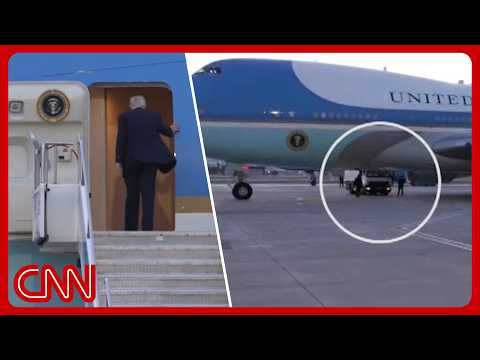
Trump used catering truck to take secret flight from Turkey: WaPo
0
林宜悉 posted on 2026/08/11Did you know President Trump once took a secret flight out of Turkey using a catering truck as a decoy? This fascinating report from The Washington Post breaks down the elaborate ruse used to conceal his movements, and you'll pick up some great vocabulary for discussing security and clandestine operations along the way!
Learn this video on the APP!
The VoiceTube App has more in-depth practice for videos!