
account for
US /əˈkaʊnt fɔr/
UK /əˈkaunt fɔ:/
- Phrasal Verb
- To explain the cause or reason for something
- To form a particular amount or part of something.
- Verb (Transitive/Intransitive)
- To supply a reason or explanation for something.
- To form a particular amount or proportion of something.
A1Moreacross the board
US
UK
- Phrase
- Broad in scope or content
- Adverb
- Applying to all; comprehensive; universal.
- Involving all sectors, categories, or items.
A1Moreall the things
US
UK
- Pronoun
- Everything; all items or aspects
- Determiner
- Every item or object being considered or discussed.
A1Morealong with
US /əˈlɔŋ wɪð/
UK /əˈlɔŋ wið/
- Preposition
- In addition to; together with.
- Adverb
- In company or together with someone or something.
- Including; in addition to.
A2Moreanswer for
US /ˈænsɚ fər/
UK /ˈɑ:nsə fə/
- other
- Be responsible for and explain one's actions.
C1Morearound the world
US /əˈraʊnd ði wɜrld/
UK /əˈraund ðə wɜː(r)ld/
- Phrase
- In or to many countries.
- In various places throughout the world.
A2Moreas a matter of fact
US /æz e ˈmætɚ ʌv fækt/
UK /æz ə ˈmætə ɔv fækt/
- Phrase
- In reality; actually; used to emphasize the truth of a statement, often when it differs from what someone might expect or believe.
- In reality; actually; used to emphasize the truth of a statement, often one that contrasts with or contradicts a previous statement.
C2Moreas a result of
US
UK
- Phrase
- Because of something; owing to.
A1Moreas long as
US /æz lɔŋ æz/
UK /æz lɔŋ æz/
- Conjunction
- For the period that; provided that.
- For the length of time that
- Preposition
- On the condition that; providing that.
- Having the same length as.
A1Moreas one
US
UK
- Adverb
- Acting or moving together at the same time.
- In complete agreement or unity.
- Phrase
- With a single voice or opinion; unanimously.
- In perfect harmony or unison.
A1Moreas opposed to
US
UK
- Preposition
- In contrast to; rather than.
- Instead of; in place of.
A1Moreas well as
US /æz wɛl æz/
UK /æz wel æz/
- Adverb
- Also; in addition to
- Preposition
- In addition to; and also.
A1Moreat a time
US /æt e taɪm/
UK /æt ə taim/
- Phrase
- Separately; one by one
- Simultaneously; together
A1Moreat least
US /æt list/
UK /æt li:st/
- Adverb
- As a minimum
- Not less than
- Phrase
- No less than; at the minimum
- Used to indicate that something is positive in a bad situation.
C2Moreat once
US /æt wʌns/
UK /æt wʌns/
- Adverb
- Immediately; without delay
- At the same time; simultaneously
A2Moreat risk
US
UK
- Phrase
- In danger; likely to be harmed
at some point
US /æt sʌm pɔɪnt/
UK /æt sʌm pɔint/
- Phrase
- At an unspecified time, usually in the future.
A1Moreat that time
US /æt ðæt taɪm/
UK /æt ðæt taim/
- Phrase
- During a specific point in the past.
A1Moreat the same time
US
UK
- Phrase
- Simultaneously; at the identical moment.
- Nevertheless; however; used to introduce a contrasting or qualifying statement.
A1Moreback into
US /bæk ˈɪntu/
UK /bæk ˈɪntuː/
- Phrasal Verb
- To drive a vehicle backwards into a space or area.
- To accidentally collide with something while moving backwards.
A1Moreback to work
US
UK
- Phrase
- Returning to one's job or professional duties after a period of absence.
- Interjection
- An expression used to urge or remind people to resume working.
A1Morebe with
US /bi wɪð/
UK /bi: wið/
- Phrasal Verb
- To accompany someone; to be in someone's presence.
- To support someone's opinion or cause.
A1Morebring back
US /brɪŋ bæk/
UK /briŋ bæk/
- Phrasal Verb
- To cause to remember
- To return something
A1Morebring down
US /brɪŋ daʊn/
UK /briŋ daun/
- Phrasal Verb
- To destroy (government, etc.) forcefully
- To kill someone, often with a gun
A1Morebuild on
US /bɪld ɑn/
UK /bild ɔn/
- Phrasal Verb
- To develop or expand something; to use something as a foundation for further progress.
- To use something as a base or foundation for further development or success.
A2Moreby doing that
US
UK
- Phrase
- Using that action or method.
A2Morecare for
US /kɛr fɔr/
UK /kɛə fɔ:/
- Phrasal Verb
- To want or desire a thing
- To look after someone who is ill, old, or very young.
A1Moreclear up
US /klɪr ʌp/
UK /kliə ʌp/
- Phrasal Verb
- To tidy things away, e.g. dirty dishes after meal
- To explain something in an understandable way
A1Morecome back
US /kʌm bæk/
UK /kʌm bæk/
- Phrasal Verb
- To reply to someone, often forcefully
- To be remembered
A1Morecome from
US /kʌm frʌm/
UK /kʌm frɔm/
- Phrasal Verb
- To have as your native country or city
A1Morecome out with
US /kʌm aʊt wɪð/
UK /kʌm aut wið/
- Phrasal Verb
- To go out with someone on a date
- To say something, especially something surprising or controversial.
A1Morecome together
US /kʌm təˈɡɛðɚ/
UK /kʌm təˈɡeðə/
- Phrasal Verb
- To assemble or unite; to start working together.
- To form a close relationship or bond.
A1Morecome up with
US /kʌm ʌp wɪð/
UK /kʌm ʌp wið/
- Phrasal Verb
- To think of an idea or solution; produce
A1Morecrack down
US /kræk daʊn/
UK /kræk daun/
- Phrasal Verb
- To act forcefully in order to reduce crime, etc.
B1Morecut back
US /kʌt bæk/
UK /kʌt bæk/
- Phrasal Verb
- To use less of something
- To reduce your use of something; reduce amount
A1Morecut in
US /kʌt ɪn/
UK /kʌt in/
- Phrasal Verb
- To interrupt someone's conversation
- To enter a queue at the wrong place
A1Morecut on
US
UK
- Phrasal Verb
- To switch on; to activate (a device or light).
- To start or ignite an engine.
A2Morecut out
US /kʌt aʊt/
UK /kʌt aut/
- Phrasal Verb
- To leave out of something, e.g. a social event
- To cut something from, e.g. a picture from a book
- Verb (Transitive/Intransitive)
- To stop doing or using something.
- To be naturally suited or fitted for something.
A1Moredeal with
US /dil wɪð/
UK /di:l wið/
- Verb (Transitive/Intransitive)
- To buy or sell goods or services.
- Phrasal Verb
- To take action to solve a problem or manage a situation.
- To be about; concern.
A1Moredeficit
US /ˈdɛfɪsɪt/
UK /ˈdefɪsɪt/
- Noun (Countable/Uncountable)
- Amount less than what is needed or required
- The amount by which expenditure or liabilities exceed income or assets.
B1Moredepending on
US
UK
- Phrasal Verb
- To rely on for support (financial or emotional)
- Influenced or determined by.
- Preposition
- Subject to; contingent on
- Relying on someone or something for support or assistance.
A2Moredo fine
US
UK
- Intransitive Verb
- To succeed or be successful
A1Moredouble down
US
UK
- Verb (Transitive/Intransitive)
- In gambling, to double one's bet, typically in exchange for taking one more card.
- To reinforce one's commitment to a particular course of action, even in the face of opposition or risk.
A2Moredown with
US /daʊn wɪð/
UK /daun wið/
- Adjective
- Suffering from an illness.
- Agreeable to; in favor of.
- Interjection
- An expression of opposition to something.
A1Moredue to
US /du tu/
UK /dju: tu:/
- Preposition
- Because of; owing to
- Adjective
- Attributable to; caused by.
A1Moreenergy sources
US
UK
- Noun (plural)
- Materials or processes that can produce energy.
engage in
US /ɪn'gedʒ ɪn/
UK /ɪnˈɡeɪdʒ in/
- Phrasal Verb
- To participate or become involved in something.
B1Moreevidence of
US
UK
- Phrase
- Facts, objects, or signs that make you believe that something is true.
- Something that shows that something else exists or is true.
A1Morefederal
US /ˈfɛdərəl, ˈfɛdrəl/
UK /'fedərəl/
- Adjective
- Consisting of several united states
- Relating to a system of government in which power is divided between a central authority and constituent political units.
- Proper Noun
- The central banking system of the United States.
B1Morefeel like
US
UK
- Intransitive Verb
- To have a desire or inclination for something.
- To have a particular quality or sensation; resemble.
A1Morefigure out
US /ˈfɪɡjɚ aʊt/
UK /ˈfiɡə aut/
- Phrasal Verb
- To understand the behavior of someone
- To think through logically to find a solution
- Verb (Transitive/Intransitive)
- To understand or find an answer to something.
- To find a solution to a problem or understand something.
A1Morefollow up on
US
UK
- Phrasal Verb
- To investigate or check on something.
- To pursue something further after an initial action.
A1Morefor example
US
UK
- Phrase
- As an illustration or instance.
for instance
US /fɔr ˈɪnstəns/
UK /fɔ: ˈinstəns/
- Adverb
- As an example.
- Phrase
- As an example.
- As an illustration or case in point
B1Morefor myself
US /fɚ maɪˈsɛlf/
UK /fə maɪˈself/
- other
- Done for one's own benefit or use.
A1Morefor now
US /fɔr naʊ/
UK /fɔ: nau/
- Phrase
- Temporarily; for the present time.
- In the short term; for the immediate future.
A1Morefor the record
US /fɔr ði rɪˈkɚd/
UK /fɔ: ðə riˈkɔ:d/
- Phrase
- Said to ensure something is officially noted or remembered.
- To state something to ensure the correct information is known.
A1Moreget along
US /ɡɛt əˈlɔŋ/
UK /ɡet əˈlɔŋ/
- Phrasal Verb
- To have a friendly relationship with someone; like
- To manage with what you have, e.g. money
A1Moreget back to
US /ɡɛt bæk tu/
UK /ɡet bæk tu:/
- Phrasal Verb
- To get in contact with someone again
- To return to someone or something; to respond at a later time.
A1Moreget through
US /ɡɛt θru/
UK /ɡet θru:/
- Phrasal Verb
- To arrive at the end of or finish something
- To succeed in contacting someone by phone
A1Moregive up
US /ɡɪv ʌp/
UK /ɡiv ʌp/
- Phrasal Verb
- To lose hope or admit defeat
- To decide to not start to try solving a problem
- Verb Phrase
- to surrender an item; hand over an item
A1Morego ahead
US /ɡo əˈhɛd/
UK /ɡəu əˈhed/
- Phrasal Verb
- To start an activity; start doing, working etc.
- To give permission to do something
- Intransitive Verb
- To start or proceed with something
- To proceed despite potential obstacles or doubts.
A1Morego back to
US /ɡo bæk tu/
UK /ɡəu bæk tu:/
- Phrasal Verb
- To return to a starting point
A1Morego on
US /ɡo ɑn/
UK /ɡəu ɔn/
- Phrasal Verb
- To continue doing something
- To happen (usually negative)
- Interjection
- Used to encourage someone
A1Morego out
US /ɡo aʊt/
UK /ɡəu aut/
- Phrase
- To leave a building (e.g. a house)
- Phrasal Verb
- (Of a fire) to burn out; be extinguished
- Go out of fashion to stop being fashionable
A1Moregoing on
US /ˈɡoɪŋ ɑn/
UK /ˈgəʊɪŋ ɔn/
- Phrasal Verb
- To continue doing something
- To happen (usually negative)
A1Moregot to
US /ɡɑt tu/
UK /gɔt tu:/
- Verb (Transitive/Intransitive)
- To arrive at some place
- To have the opportunity or permission to do something
- Phrasal Verb
- To appeal to the emotions of; move
- To finally begin to start something after a delay
A1Morehand over
US /hænd ˈovɚ/
UK /hænd ˈəuvə/
- Phrasal Verb
- To give into the possession or control of another
A1Morehave at
US
UK
- Phrasal Verb
- To attack someone or something.
- To begin doing something with enthusiasm.
A1Morehave to
US /hæv tu/
UK /ˈhæv tə/
- Auxiliary Verb
- Must do
A1Morein a minute
US
UK
- Phrase
- Very soon; in a short amount of time.
- Within the duration of one minute.
A1Morein a state
US
UK
- Phrase
- In a particular condition or situation.
- In an emotional condition, often negative (e.g., panic, distress).
B2Morein addition to
US /ɪn əˈdɪʃən tu/
UK /in əˈdiʃən tu:/
- Preposition
- Besides; as well as
- Phrase
- Besides; as well as.
- Furthermore; moreover.
B1Morein advance
US /ɪn ædˈvæns/
UK /in ədˈvɑ:ns/
- Phrase
- Ahead of time; before something happens
- Noun
- A payment made before it is due, especially for work to be done
A2Morein business
US /ɪn ˈbɪznɪs/
UK /in ˈbiznis/
- Phrase
- Actively operating as a commercial enterprise.
- Having a commercial partnership or association.
A1Morein competition
US /ɪn ˌkɑmpəˈtɪʃən/
UK /in ˌkɒmpəˈtiʃən/
- other
- Taking part in a contest or rivalry.
B1Morein fact
US /ɪn fækt/
UK /in fækt/
- Adverb
- Used to emphasize the truth of a statement, especially one that contrasts with or contradicts something else.
- Used to introduce a more detailed or surprising piece of information.
- Phrase
- Used to emphasize the truth of a statement, especially one that is surprising or contrary to what might be expected.
C1Morein fairness
US /ɪn ˈfɛrnəs/
UK /in ˈfeənəs/
- other
- Used to indicate honesty or justice in judgment.
B2Morein favor of
US /ɪn ˈfevɚ ʌv/
UK /in ˈfeivə ɔv/
- Phrase
- Expressing support or approval for someone or something.
- To the advantage of; benefiting.
- Preposition
- Supporting or approving of something.
- To the advantage of; to the benefit of.
A1Morein half
US /ɪn hæf/
UK /in hɑ:f/
- Adverb
- Divided into two equal parts.
- Partially; to some extent.
A1Morein need
US /ɪn nid/
UK /in ni:d/
- Phrase
- Not having the necessary things, such as food
A1Morein one year
US
UK
- Phrase
- Within a period of twelve months.
A1Morein order to
US /ɪn ˈɔrdɚ tu/
UK /in ˈɔ:də tu:/
- Preposition
- For the purpose of; with the aim of.
- Phrase
- In a specific sequence or arrangement.
- With the aim of; for the purpose of.
C1Morein other words
US
UK
- Phrase
- Stating something in a different way, often to make it clearer or more understandable.
in part
US /ɪn pɑrt/
UK /in pɑ:t/
- Adverb
- To some extent; partially.
A1Morein particular
US /ɪn pɚˈtɪkjəlɚ/
UK /in pəˈtikjulə/
- Phrase
- Specifically; especially.
- Detailed or precise.
A1Morein places
US
UK
- Phrase
- In some locations but not others
A1Morein point
US /ɪn pɔɪnt/
UK /in pɔint/
- Adjective
- Relevant; pertinent
A2Morein some places
US
UK
- Phrase
- In certain locations or areas, but not all.
A1Morein terms of
US
UK
- Phrase
- With regard to; concerning a particular aspect.
A1Morein the future
US /ɪn ði ˈfjutʃɚ/
UK /in ðə ˈfju:tʃə/
- Phrase
- At a later time; in times to come.
A1Morein the meantime
US /ɪn ði ˈminˌtaɪm/
UK /in ðə ˈmi:ntaim/
- Phrase
- During the time between two events; meanwhile.
A1Morein the middle of
US
UK
- Phrase
- In the central part or point of something.
- Engaged or occupied with something.
A2Morein the past
US
UK
- Phrase
- During a former period of time; previously.
A1Morein the way
US /ɪn ði we/
UK /in ðə wei/
- Phrase
- Obstructing someone or something; hindering progress.
- Stored or placed so as to be available or ready when needed.
A1Morein the world
US /ɪn ði wɜrld/
UK /in ðə wɜː(r)ld/
- Phrase
- Used to emphasize a question expressing surprise, confusion, disbelief
- Used to indicate the extent or degree of something, often in a superlative sense
A1Morein trouble
US /ɪn ˈtrʌbəl/
UK /in ˈtrʌbl/
- Adjective
- Experiencing difficulties, problems, or legal issues.
- other
- In serious trouble or difficulty.
A1Moreinstead of
US /ɪnˈstɛd ʌv/
UK /inˈsted ɔv/
- Preposition
- When one thing is replaced by another
- Adverb
- As a substitute or alternative.
A1Moreinsurance
US /ɪnˈʃʊrəns/
UK /ɪnˈʃʊərəns/
- Uncountable Noun
- Protection against loss/injury/death you pay for
A2TOEICMorekid on
US /kɪd ɑn/
UK /kid ɒn/
- other
- To joke or tease someone or pretend something is not true.
B2Morelay off
US /le ɔf/
UK /lei ɔf/
- Phrasal Verb
- To stop troubling or hitting someone
- To stop employing a worker, e.g. temporarily
A2Morelike anything
US /laɪk ˈɛniθɪŋ/
UK /laɪk ˈeniθɪŋ/
- other
- Used to emphasize strong intensity or effort.
B2Morelook at
US /lʊk æt/
UK /luk æt/
- Phrasal Verb
- To use your eyes to focus on something
- To focus your eyes on something carefully
A1Morelook for
US /lʊk fɔr/
UK /luk fɔ:/
- Phrasal Verb
- To try to find a thing or person that is lost
- To expect or anticipate something.
A1Moremake up
US /mek ʌp/
UK /meik ʌp/
- Phrasal Verb
- To invent or create a story
- To add up to
- Verb (Transitive/Intransitive)
- To invent a story, excuse, etc.
- To compensate for something lost, missed, or deficient.
A1Moremove on
US /muv ɑn/
UK /mu:v ɔn/
- Phrasal Verb
- To decide to change or go to a different place
- To start talking about something different.
A1Moremove to
US /muv tu/
UK /mu:v tu:/
- Phrasal Verb
- To change the place where you live or work.
- Verb (Transitive/Intransitive)
- To proceed to the next stage or action.
A2Morenumber of people
US /ˈnʌmbɚ ʌv ˈpipəl/
UK /ˈnʌmbə ɔv ˈpi:pl/
- Phrase
- The total count of individuals within a group or gathering.
- A statistical figure representing the population size or a subset thereof.
A1Moreof course
US /ʌv kɔː(r)s/
UK /ɔv kɔː(r)s/
- Adverb
- Sure ; Certainly
- Phrase
- For sure; certainly
A2Moreof itself
US /ʌv ɪtˈself/
UK /əv ɪtˈself/
- other
- Happening automatically without external cause or help.
B1Moreon behalf of
US /ɑn bɪˈhæf ʌv/
UK /ɔn biˈhɑ:f ɔv/
- Phrase
- As the representative of someone
- Acting as a representative of.
B1Moreon earth
US /ɑn ɚθ/
UK /ɔn ə:θ/
- Phrase
- Used to emphasize a question expressing surprise or anger.
- Used to emphasize that something is not possible or will not happen.
A1Moreon target
US /ɑn ˈtɑrɡɪt/
UK /ɔn ˈtɑ:ɡit/
- Adjective
- Achieving the desired results or goals; accurate.
- Following the correct trajectory to hit the intended target.
- Adverb
- Exactly right; hitting the mark.
A1Moreon the basis of
US
UK
- Phrase
- Because of; using as a reason or justification.
A1Moreon the brink of
US /ɑːn ðiː brɪŋk ɑːv/
UK
- Phrase
- Very near to experiencing something, usually something unpleasant.
- About to happen; imminent.
A1Moreon the floor
US
UK
- Phrase
- Located on the ground or bottom surface of a room.
- Actively participating in dancing or other floor-based activities.
A1Moreon the part of
US
UK
- Phrase
- By or done by (someone); concerning someone.
- As far as (someone or something) is concerned; by (someone or something).
A1Moreon the table
US /ɑn ði ˈtebəl/
UK /ɔn ðə ˈteibl/
- Phrase
- Located on the surface of a table.
- Available for consideration or discussion.
A1Moreon to
US /ɑn tu/
UK /ɔn tu:/
- Preposition
- Toward something; forward
- Aware of someone's activities.
- Adjective
- Aware of someone's deception or illegal activities.
A1Moreon top of that
US
UK
- Phrase
- In addition to something already mentioned; furthermore.
A1Moreopening up
US
UK
- Phrasal Verb
- Revealing one's thoughts and feelings; becoming more communicative.
- Creating new opportunities or possibilities.
B2Moreother places
US
UK
- Phrase
- Different locations or areas
other than
US
UK
- Preposition
- Except for; apart from.
- Conjunction
- Different from.
A1Moreout of date
US /aʊt ʌv det/
UK /aut ɔv deit/
- Adjective
- Expired; too old to be used
- Not fashionable; old fashioned
C2Moreout of time
US /aʊt ʌv taɪm/
UK /aut ɔv taim/
- Adjective
- Having no more time available to do something.
A1Moreout of work
US /aʊt ʌv wɚk/
UK /aut ɔv wə:k/
- Phrase
- Adjective
- Unemployed; without a job
A1Moreout there
US /aʊt ðɛr/
UK /aut ðɛə/
- Adverb
- In or to a place that is far away
- Existing in the universe
- Adjective
- Unconventional; strange; avant-garde
- Existing or available.
A1Moreover time
US /ˈovɚ taɪm/
UK /ˈəuvə taim/
- Phrase
- Gradually; as time passes.
- During a long period.
- Adverb
- Gradually; as time passes.
B1Morepercent
US /pɚˈsɛnt/
UK /pə'sent/
- Adverb
- One one-hundredth of a whole; the symbol %
- Noun (Countable/Uncountable)
- A proportion multiplied by 100
- A specified amount in every hundred
A2TOEICMoreplan out
US /plæn aʊt/
UK /plæn aut/
- Phrasal Verb
- To think about and decide on the details of something you want to do in the future.
A1Morepoint out
US /pɔɪnt aʊt/
UK /pɔint aut/
- Phrasal Verb
- To make others aware of an idea
- To draw attention to something or someone
A1Morepresident
US /ˈprɛzɪdənt,-ˌdɛnt/
UK /ˈprezɪdənt/
- Noun
- Person in charge of a country, or organization
- The highest-ranking executive in a corporation or organization.
A2TOEICMorepush through
US /pʊʃ θru/
UK /puʃ θru:/
- Phrasal Verb
- To continue with a plan or activity despite difficulties or opposition.
- To make progress by pushing people or things aside.
B1Moreput out
US /pʊt aʊt/
UK /put aut/
- Phrasal Verb
- To publish, e.g. a book
- To cause someone to be troubled or inconvenienced
A1Morerather than
US
UK
- Adverb
- More exactly; more correctly
- Preferably; instead
- Preposition
- Instead of
A1Morerevenue
US /ˈrevənju/
UK /'revənju:/
- Noun (Countable/Uncountable)
- Money that is made by or paid to a business
- Money a government collects from its people
A2TOEICMoreroll back
US /rol bæk/
UK /rəul bæk/
- Phrasal Verb
- To restore a system or database to a previous state.
A2Moreroll it
US
UK
- Transitive Verb
- To prepare a marijuana cigarette.
- To bowl a ball.
A1Morerun around with
US /rʌn əˈraʊnd wɪð/
UK /rʌn əˈraʊnd wɪð/
- other
- Spend time with certain people, often implying casual or informal company.
B2Moresame time
US
UK
- Phrase
- Occurring simultaneously or at the same point in time.
- At the identical time as before; recurring at a fixed hour.
- Noun
- An equal duration or period.
A1Moreschool district
US
UK
- Noun
- A specific geographic area or region responsible for the administration and operation of public schools.
B1Moreset up
US /sɛt ʌp/
UK /set ʌp/
- Phrasal Verb
- To make arrangements for something; establish
- Verb (Transitive/Intransitive)
- To arrange or prepare something for use.
- To start a business, organization, etc.
A1Moresit down
US /sit daʊn/
UK /sit daun/
- Phrasal Verb
- To take a seat
A1Moreslip into
US /slɪp ˈɪntu/
UK /slip ˈɪntuː/
- Phrasal Verb
- To quickly put on (a piece of clothing).
- To gradually enter a particular state or situation, especially a negative one.
A1Moretake in
US
UK
- Phrasal Verb
- To allow to enter; receive as a guest
- To include or add
- Transitive Verb
- To absorb (liquid).
- To understand or comprehend something.
A1Moretake over
US /tek ˈovɚ/
UK /teik ˈəuvə/
- Phrasal Verb
- To gain control of (a company) from someone else
- To assume control or possession of something.
A1Moretalk about it
US /tɔk əˈbaʊt ɪt/
UK /tɔ:k əˈbaut it/
- Verb (Transitive/Intransitive)
- To discuss a particular subject.
A1Moretalking about
US
UK
- Phrasal Verb
- To discuss a particular topic.
- To be constantly mentioning or bringing up a subject.
A1Morethe bottom line
US /ði ˈbɑtəm laɪn/
UK /ðə ˈbɔtəm lain/
- Noun
- The most important thing; the essential point.
- The net income or profit of a company.
A2Morethink about
US /θɪŋk əˈbaʊt/
UK /θiŋk əˈbaut/
- Phrasal Verb
- To consider something carefully.
- To remember or call to mind.
A1Morethink of
US /θɪŋk ʌv/
UK /θiŋk ɔv/
- Phrasal Verb
- To look on as (being something specific); consider
- To consider or remember something.
- Verb (Transitive/Intransitive)
- To imagine or call something to mind
A1Moreto boot
US /tu but/
UK /tu: bu:t/
- Adverb
- In addition; as well; besides.
- Phrase
- to fire, dismiss, or forcefully remove someone from a job or organization
A1Moreto do with
US
UK
- Phrasal Verb
- To be about something; concern
A1Moreto let
US /tu lɛt/
UK /tu let/
- Preposition
- Indicates that a property is available for rent.
A2Moretogether with
US /təˈɡɛðɚ wɪð/
UK /təˈɡeðə wið/
- Preposition
- In addition to; along with.
- Including; as well as.
A1Moretrickle down
US /ˈtrɪkəl daʊn/
UK /ˈtrikl daun/
- Intransitive Verb
- To gradually spread or filter through from top to bottom, especially in economics, referring to the belief that tax cuts or other benefits for the wealthy will ultimately benefit the poor and middle class.
A1Moreused to
US /juzd tu/
UK /ˈju:st tə/
- Adjective
- Did regularly before, but don't do now
- Auxiliary Verb
- Have done before, but do not do now
A1Morewalk through
US /wɔk θru/
UK /wɔ:k θru:/
- Phrasal Verb
- To show someone carefully how to do something
A1Moreway to go
US /we tu ɡo/
UK /wei tu: ɡəu/
- Interjection
- An expression of encouragement or approval.
- An expression of sarcasm after someone has made a mistake.
A1Morewind down
US /wɪnd daʊn/
UK /wind daun/
- Phrasal Verb
- To become quiet or calm, after activity
A1Morewith it
US /wɪð ɪt/
UK /wið it/
- Adjective
- Intelligent, alert, and up-to-date.
- Understanding and knowledgeable about current trends or information.
A1Morewith regards to
US
UK
- Phrase
- Concerning; relating to; about.
A1Morework in
US /wɚk ɪn/
UK /wə:k in/
- Phrasal Verb
- To make an opening for something in your schedule
- To fit person/thing into a schedule or sequence
A1Morework on
US /wɚk ɑn/
UK /wə:k ɔn/
- Phrasal Verb
- To devote effort to improve or develop something
- To try to persuade or influence someone.
A1Morework to do
US
UK
- Phrase
- Tasks or activities that need to be accomplished.
- Obligations or responsibilities that require effort and attention.
A1Morework together
US /wɚk təˈɡɛðɚ/
UK /wə:k təˈɡeðə/
- Verb (Transitive/Intransitive)
- To collaborate or cooperate with others to achieve a common goal.
A1More
Vocabulary
- have to: Must do
- got to: To arrive at some place
- talking about: To discuss a particular topic.
- bring down: To destroy (government, etc.) forcefully
- out there: In or to a place that is far away
- in fact: Used to emphasize the truth of a statement, especially one that contrasts with or contradicts something else.
- look at: To use your eyes to focus on something
- deal with
- at the same time: Simultaneously; at the identical moment.
- same time: Occurring simultaneously or at the same point in time.
- care for: To want or desire a thing
- out of work
- in the world: Used to emphasize a question expressing surprise, confusion, disbelief
- work in: To make an opening for something in your schedule
- in order to: For the purpose of; with the aim of.
- in half: Divided into two equal parts.
- with regards to: Concerning; relating to; about.
- come back: To reply to someone, often forcefully
- on to: Toward something; forward
- of course: Sure ; Certainly
- as a matter of fact: In reality; actually; used to emphasize the truth of a statement, often when it differs from what someone might expect or believe.
- instead of: When one thing is replaced by another
- trickle down: To gradually spread or filter through from top to bottom, especially in economics, referring to the belief that tax cuts or other benefits for the wealthy will ultimately benefit the poor and middle class.
- go back to: To return to a starting point
- cut in: To interrupt someone's conversation
- over time: Gradually; as time passes.
- move to: To change the place where you live or work.
- work on: To devote effort to improve or develop something
- set up
- figure out: To understand the behavior of someone
- wind down: To become quiet or calm, after activity
- answer for: Be responsible for and explain one's actions.
- cut on: To switch on; to activate (a device or light).
- used to: Did regularly before, but don't do now
- move on: To decide to change or go to a different place
- go ahead: To start an activity; start doing, working etc.
- in favor of: Expressing support or approval for someone or something.
- evidence of: Facts, objects, or signs that make you believe that something is true.
- with it: Intelligent, alert, and up-to-date.
- in addition to: Besides; as well as
- make up: To invent or create a story
- on the table: Located on the surface of a table.
- think about: To consider something carefully.
- across the board: Broad in scope or content
- point out: To make others aware of an idea
- go out: To leave a building (e.g. a house)
- way to go: An expression of encouragement or approval.
- have at: To attack someone or something.
- at least: As a minimum
- in the meantime: During the time between two events; meanwhile.
- in the past: During a former period of time; previously.
- go on: To continue doing something
- to let: Indicates that a property is available for rent.
- as opposed to: In contrast to; rather than.
- work together: To collaborate or cooperate with others to achieve a common goal.
- give up: To lose hope or admit defeat
- for instance: As an example.
- school district: A specific geographic area or region responsible for the administration and operation of public schools.
- in terms of
- in a state: In a particular condition or situation.
- sit down: To take a seat
- down with: Suffering from an illness.
- around the world: In or to many countries.
- for the record: Said to ensure something is officially noted or remembered.
- in advance: Ahead of time; before something happens
- on earth: Used to emphasize a question expressing surprise or anger.
- on the brink of: Very near to experiencing something, usually something unpleasant.
- work to do: Tasks or activities that need to be accomplished.
- roll back
- double down: In gambling, to double one's bet, typically in exchange for taking one more card.
- be with: To accompany someone; to be in someone's presence.
- crack down: To act forcefully in order to reduce crime, etc.
- energy sources: Materials or processes that can produce energy.
- get through: To arrive at the end of or finish something
- clear up: To tidy things away, e.g. dirty dishes after meal
- do fine: To succeed or be successful
- of itself: Happening automatically without external cause or help.
- account for: To explain the cause or reason for something
- due to: Because of; owing to
- feel like: To have a desire or inclination for something.
- the bottom line: The most important thing; the essential point.
- come up with: To think of an idea or solution; produce
- to boot: In addition; as well; besides.
- by doing that: Using that action or method.
- think of: To look on as (being something specific); consider
- all the things: Everything; all items or aspects
- like anything: Used to emphasize strong intensity or effort.
- back to work: Returning to one's job or professional duties after a period of absence.
- take in: To allow to enter; receive as a guest
- cut back: To use less of something
- slip into: To quickly put on (a piece of clothing).
- on the floor: Located on the ground or bottom surface of a room.
- depending on: To rely on for support (financial or emotional)
- in one year: Within a period of twelve months.
- in business: Actively operating as a commercial enterprise.
- in the way: Obstructing someone or something; hindering progress.
- in trouble: Experiencing difficulties, problems, or legal issues.
- going on: To continue doing something
- on the part of: By or done by (someone); concerning someone.
- in particular: Specifically; especially.
- follow up on: To investigate or check on something.
- back into: To drive a vehicle backwards into a space or area.
- in the future: At a later time; in times to come.
- in fairness: Used to indicate honesty or justice in judgment.
- in need: Not having the necessary things, such as food
- in competition: Taking part in a contest or rivalry.
- on top of that: In addition to something already mentioned; furthermore.
- come from: To have as your native country or city
- in a minute: Very soon; in a short amount of time.
- get back to: To get in contact with someone again
- opening up: Revealing one's thoughts and feelings; becoming more communicative.
- in some places: In certain locations or areas, but not all.
- other places: Different locations or areas
- out of date: Expired; too old to be used
- hand over: To give into the possession or control of another
- engage in: To participate or become involved in something.
- at risk: In danger; likely to be harmed
- roll it: To prepare a marijuana cigarette.
- come out with: To go out with someone on a date
- bring back: To cause to remember
- to do with: To be about something; concern
- in part: To some extent; partially.
- for myself: Done for one's own benefit or use.
- rather than: More exactly; more correctly
- kid on: To joke or tease someone or pretend something is not true.
- come together: To assemble or unite; to start working together.
- push through: To continue with a plan or activity despite difficulties or opposition.
- number of people: The total count of individuals within a group or gathering.
- plan out: To think about and decide on the details of something you want to do in the future.
- put out: To publish, e.g. a book
- for example: As an illustration or instance.
- at once: Immediately; without delay
- run around with: Spend time with certain people, often implying casual or informal company.
- on the basis of: Because of; using as a reason or justification.
- other than: Except for; apart from.
- at a time: Separately; one by one
- along with: In addition to; together with.
- in point: Relevant; pertinent
- on target: Achieving the desired results or goals; accurate.
- take over: To gain control of (a company) from someone else
- at some point: At an unspecified time, usually in the future.
- together with: In addition to; along with.
- at that time: During a specific point in the past.
- in the middle of: In the central part or point of something.
- in places: In some locations but not others
- as one: Acting or moving together at the same time.
- look for: To try to find a thing or person that is lost
- cut out: To leave out of something, e.g. a social event
- walk through: To show someone carefully how to do something
- out of time: Having no more time available to do something.
- talk about it: To discuss a particular subject.
- in other words: Stating something in a different way, often to make it clearer or more understandable.
- as a result of: Because of something; owing to.
- get along: To have a friendly relationship with someone; like
- as well as: Also; in addition to
- as long as: For the period that; provided that.
- lay off: To stop troubling or hitting someone
- build on: To develop or expand something; to use something as a foundation for further progress.
- on behalf of: As the representative of someone
- for now: Temporarily; for the present time.
- people: Persons sharing culture, country, background, etc.
- revenue: Money that is made by or paid to a business
- middle: Place that is halfway between two things
- president: Person in charge of a country, or organization
- government: Group of people and system that rule a nation
- economy: Using money, resources in a careful, effective way
- care: To feel interest, concern, or worry
- federal: Consisting of several united states
- cut: Act/instance of reducing the size or amount of
- plan: Drawing of how something should be done or made
- health: (Person, company) being in a good condition; well
- class: To place things into groups by common qualities
- percent: One one-hundredth of a whole; the symbol %
- insurance: Protection against loss/injury/death you pay for
- deficit: Amount less than what is needed or required
Get the full experience in the app
Learn anywhere with detailed sentence and usage analysis
01:03
She took a brave step forward, leaving behind her comfort zone to chase her dreams.
Vocabulary
- brave
adj. Having courage
- comfort zone
phr. A familiar situation where one feels safe
Explanation
a brave step is a noun phrase, where brave is an adjective modifying the noun step, meaning "a courageous step".
forward is an adverb modifying step, meaning "ahead".
The whole phrase serves as the object, answering the "what" of took (verb) — she took a brave step forward.
Get the full experience in the app
Look up words anytime with pronunciation, part of speech, and usage
brave
US/brev/
UK/breɪv/
adj.Brave
v.t.To bravely face
A2 Elementary
Get the full experience in the app
Practice speaking anytime and get instant pronunciation feedback
Try this speaking exercise.
Try practicing with this sentence.
80
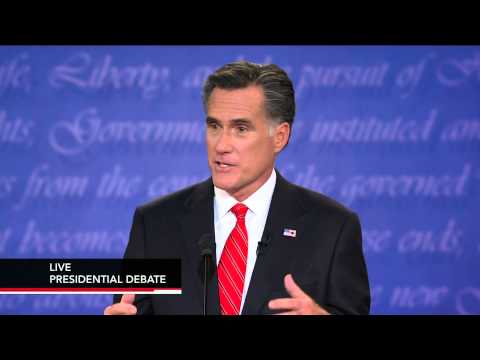
Watch Jim Lehrer Moderate First Full Presidential Debate
0
marmot posted on 2015/02/14Ever wondered how presidential debates tackle big issues like the economy and healthcare? This video lets you watch Jim Lehrer moderate the first full 2012 debate between Barack Obama and Mitt Romney, perfect for picking up advanced vocabulary and understanding complex sentence structures used in serious discussions. You'll gain cultural depth and learn about policy positions in this engaging, real-world dialogue!
Learn this video on the APP!
The VoiceTube App has more in-depth practice for videos!